Laser vs. Waxing: Which Is Actually Better for Your Skin?
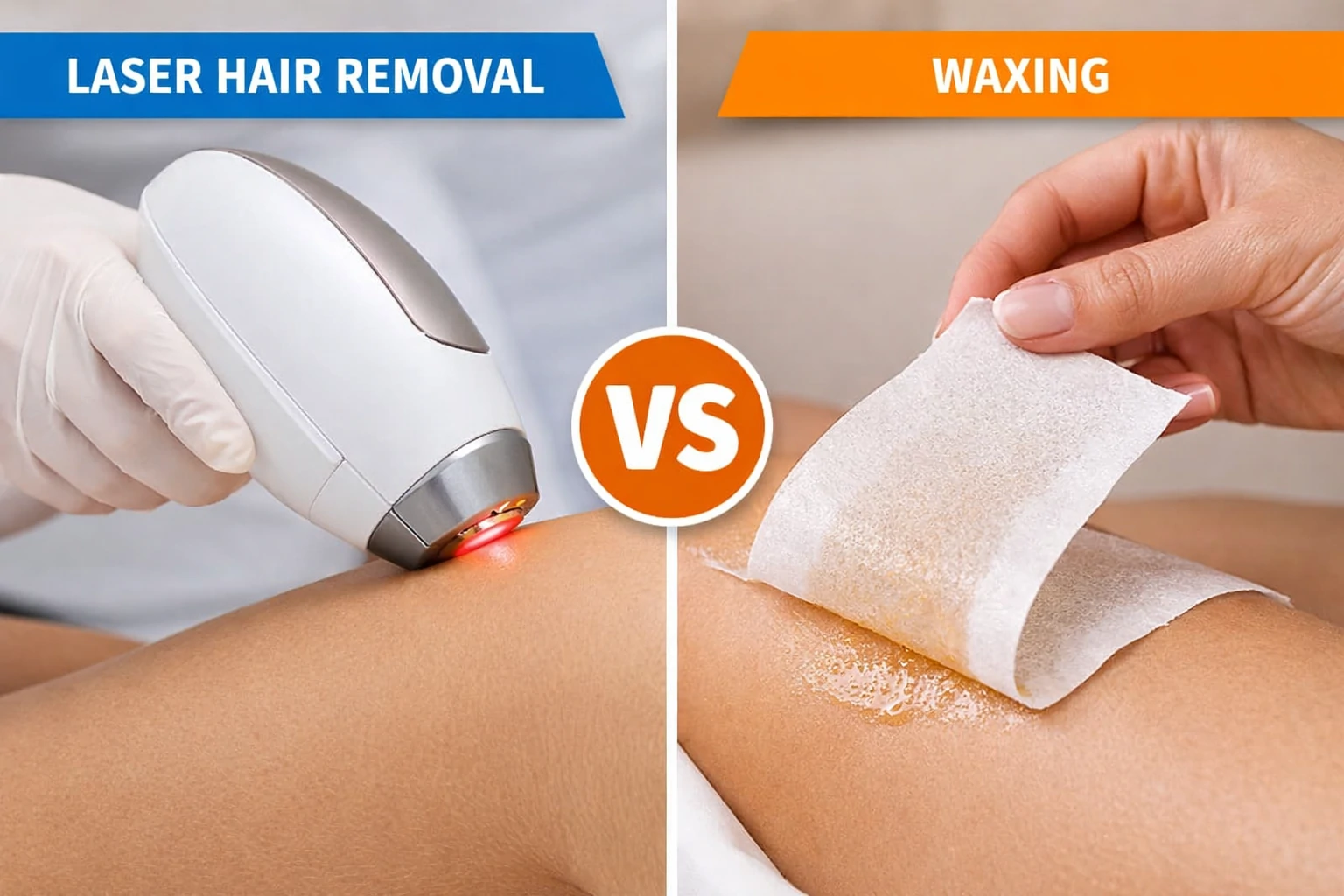
Choosing a hair removal method is a personal decision shaped by skin biology, comfort level, and long-term goals. Every person’s skin reacts differently, so there is no single option that works best for everyone. Factors such as pain tolerance, skin sensitivity, hair thickness, and budget often play a key role in this choice.
Among the many options available, laser hair removal and waxing remain the most popular for both facial and body hair. While both aim to remove unwanted hair, they affect the skin in very different ways. Understanding these differences is essential, especially if you are new to skincare or concerned about skin health.
According to board-certified dermatologists, the comparison mainly comes down to three aspects. First, the mechanism of action: waxing removes hair by pulling it out from the root, while laser hair removal targets the hair follicle using focused light energy. Second, the skin response, including irritation, redness, or inflammation, which varies by skin type. Third, long-term results, where waxing requires frequent repetition, while laser offers gradual, long-lasting hair reduction.
Knowing how each method works helps you make a more informed, skin-safe decision.
What Is Laser Hair Removal and How Does It Work?
Laser hair removal is a widely used non-invasive dermatological procedure with strong clinical support. Despite its high-tech name, the process is carefully controlled and designed to protect the surrounding skin. Medically, it works through a principle called selective photothermolysis.
Dr. Bowles, a board-certified dermatologist, explains that laser devices emit concentrated light that targets melanin, the pigment within hair follicles. When the pigment absorbs this light, it converts into heat, which selectively damages the follicle. This controlled damage slows or stops future hair growth without harming nearby skin tissue.
Several factors influence its safety and effectiveness. Laser hair removal works best when there is a clear contrast between hair color and skin tone, making darker hair easier to target. As a medical-grade, non-surgical treatment, risks are minimal when performed by trained professionals. Results are gradual, requiring multiple sessions to match the hair growth cycle, but the outcome is smoother skin with significantly reduced regrowth over time.
What Is Waxing and How Does It Affect the Skin?
Waxing is classified as a semi-permanent hair removal method that works by pulling hair shafts directly out from the follicle. According to Dr. Reed, this technique delivers smoother skin compared to shaving because hair is removed from the root, slowing the regrowth process and reducing stubble.
Dr. Bowles notes that there are two main types of wax commonly used in professional settings. Soft wax requires cloth or paper strips to remove the hair, while hard wax is applied directly to the skin, allowed to harden, and then pulled off by hand against the direction of hair growth. Each type is selected based on hair thickness, skin sensitivity, and treatment area.
Waxing can be used on large areas like the legs as well as more delicate zones such as the face. However, timing is essential. Dermatologists recommend allowing hair to grow to at least 6 millimeters before the next session. This length helps the wax grip the hair properly, reducing excessive epidermal irritation and lowering the risk of ingrown hairs. Patience during the regrowth phase is key for safer, more effective results.
Waxing vs. Laser Hair Removal
1. Results: How Long Do Waxing and Laser Hair Removal Last?
Understanding result duration is crucial when deciding between waxing and laser hair removal. The fundamental difference lies in longevity. Laser hair removal offers long-term hair reduction,[1Tanvi Vaidya; Marc H. Hohman; Dinesh Kumar D. Laser Hair Removal. National Library of Medicine.] while waxing remains a recurring maintenance procedure due to natural hair regrowth cycles.[2the ark. Understanding Hair Growth Cycles: Maximizing Your Waxing Results. July, 2025.]
Dr. Reed explains that laser treatments can reduce hair density by up to 80% or more after a full series of scheduled sessions. Once optimal results are achieved, most individuals only need one maintenance session per year to manage follicles that may reactivate over time.
Waxing delivers immediate smoothness but temporary results. Hair typically reappears within three to six weeks after treatment. Dr. Reed also notes that mild redness or irritation is common after waxing, as it is a normal inflammatory response of the skin. This usually subsides within a few days with proper aftercare.
Summary Comparison:
- Laser Hair Removal: Long-term hair reduction with fewer touch-ups after initial sessions.
- Waxing: Instant smooth skin but requires frequent repetition and consistent skin recovery.
2. Skin and Hair Type Considerations
The success of any hair removal method is strongly influenced by individual biological factors. Dr. Reed emphasizes that skin tone, hair color, and skin sensitivity are the primary variables that determine treatment effectiveness and safety. Clinically, laser hair removal performs best on individuals with lighter skin and darker hair, as the contrast allows laser energy to target follicle pigment more precisely.
That said, laser hair removal is not limited to light skin tones. Dr. Reed clarifies that people with darker skin can safely undergo laser treatments when specialized laser devices are used to reduce thermal risk to the epidermis. Hair density also plays a role, as thicker, darker hair contains more pigment, making it more responsive to laser energy.
Waxing, by contrast, is mechanically versatile. Because it removes hair physically rather than relying on pigment, waxing works effectively on all hair textures and skin tones, from fine to coarse hair. This flexibility makes waxing a broadly accessible option for individuals regardless of color contrast or follicle characteristics.
3. Pain Level: What to Expect from Waxing and Laser Hair Removal
If you have a low pain tolerance, understanding the sensation of each method is essential. The good news is that neither waxing nor laser hair removal is considered medically extreme in terms of pain, though both involve some degree of discomfort.
According to Dr. Bowles, laser hair removal typically produces a mild stinging or warming sensation, often described as a brief snap or tingle. For sensitive areas, practitioners may apply topical numbing creams to reduce nerve response and improve comfort.
Waxing, on the other hand, tends to cause a sharper, more intense pain at the moment of hair removal. This sensation is usually strongest in areas with higher nerve density, such as the underarms, upper lip, and bikini area. However, because the process is very fast, the discomfort usually subsides quickly once the wax is removed.
Pain Comparison Summary:
- Laser Hair Removal: Mild heat or tingling, often manageable with numbing cream.
- Waxing: Short, sharp pain, especially in sensitive areas.
Post-Treatment Recovery and Aftercare for Laser and Waxing
Proper recovery and aftercare are essential to prevent skin irritation and long-term complications after hair removal. If you experience redness, warmth, or mild discomfort following laser hair removal, Dr. Reed recommends applying cold compresses, aloe vera gel, or a calming moisturizer for up to three days. These steps help reduce inflammation and support skin barrier recovery. It is also important to avoid excessive heat, such as saunas, hot showers, and direct sun exposure, as heat can worsen post-laser irritation.
Similar principles apply after waxing. Dr. Bowles emphasizes strict sun protection to lower the risk of sunburn and post-inflammatory hyperpigmentation. During the first 24 hours, Dr. Reed advises avoiding hot baths, steam, and fragranced skincare products that may irritate freshly treated skin.
To maintain healthy skin texture, gentle exfoliation and consistent moisturizing are recommended once the skin has settled. Wearing loose clothing can also reduce friction, helping prevent irritation, dryness, and ingrown hairs while improving overall skin comfort.
Treatment Frequency: Understanding the Hair Growth Cycle
Effective hair removal depends on aligning treatments with the natural hair growth cycle. For laser hair removal, Dr. Reed explains that optimal results typically require six to ten sessions. Body areas are usually treated every four to six weeks, while Dr. Bowles notes that facial areas often need sessions every two weeks due to faster hair regeneration.
Waxing frequency varies by body area and hair growth speed. High-growth areas such as the underarms, bikini line, and eyebrows generally require sessions every two to three weeks to ensure hair reaches the ideal length for removal. Larger areas like the legs grow more slowly, allowing for longer intervals of three to five weeks between treatments.
Schedule Summary:
- Laser Hair Removal: Face (every 2 weeks); Body (every 4–6 weeks)
- Waxing: Sensitive areas (every 2–3 weeks); Legs (every 3–5 weeks)
Understanding these timelines helps set realistic expectations and improves long-term skin results.
Choosing Between Laser Hair Removal and Waxing: What Experts Recommend
From a clinical perspective, dermatology experts generally recommend laser hair removal as the most effective long-term solution. Dr. Reed explains that while laser treatments may not eliminate 100% of hair, the right candidates can experience a significant and lasting reduction in hair density. The goal is to reach a point where regrowth is minimal, reducing or even eliminating the need for regular shaving or waxing.
Waxing, however, carries potential long-term risks when performed repeatedly. Dr. Reed warns that continuous mechanical pulling can lead to chronic irritation, folliculitis, and an increased risk of ingrown hairs, especially in individuals with sensitive skin.
Final Considerations:
- Choose Laser Hair Removal if you want long-term efficiency and progressive hair reduction.
- Choose Waxing if you need immediate results with lower upfront costs and are comfortable with ongoing maintenance.
- Consult a dermatologist to ensure your choice aligns with your skin type, hair profile, and overall skin health.
Making an informed decision helps protect your skin while meeting your personal grooming goals.
Long-Term Cost Analysis: Investment vs. Ongoing Expense
Cost is often a deciding factor when comparing waxing and laser hair removal. Laser treatments require a higher upfront financial commitment, but medically and economically, they are considered a long-term investment. After completing the initial treatment series, maintenance costs drop significantly as hair growth becomes minimal or dormant.
Waxing appears more affordable at first because each session is relatively inexpensive. However, since waxing is a lifelong routine, monthly expenses—along with post-wax skincare products—continue indefinitely. Over time, these recurring costs add up.
Economic Comparison:
- Laser Hair Removal: Higher initial cost, but minimal expenses after several years.
- Waxing: Lower cost per session, but cumulative spending can exceed laser costs over time.
- Time Value: Laser saves time long term by reducing the need for frequent appointments.
If your budget allows, laser hair removal offers stronger financial and lifestyle efficiency for the future.
Risk of Ingrown Hair: Waxing vs. Laser Hair Removal
Ingrown hair, medically known as pseudofolliculitis barbae, occurs when hair curls back or grows sideways into the skin instead of rising to the surface. This condition can cause inflammation, red bumps, discomfort, and post-inflammatory hyperpigmentation, making it an important concern for long-term skin health.
Dermatology experts note that waxing carries a higher risk of triggering ingrown hairs. When hair is forcibly removed but breaks beneath the skin’s surface, the remaining shaft may struggle to penetrate the epidermis during regrowth. This trapped hair can lead to clogged pores and inflammatory reactions.
In contrast, laser hair removal is often recommended as a corrective solution. By gradually disabling the hair follicle at its root, laser treatments thin the hair over time and significantly reduce the chance of hair growing back into the skin. In many cases, the risk of ingrown hair is dramatically lowered or eliminated altogether.
Key Differences:
- Waxing: Higher risk due to pore trauma and broken hairs beneath the skin.
- Laser Hair Removal: Targets the root cause by deactivating hair follicles long term.
Pre-Treatment Preparation: What to Do Before Waxing or Laser Hair Removal
Proper skin preparation plays a major role in treatment safety and results. Waxing and laser hair removal require very different pre-treatment protocols, and understanding these differences helps prevent irritation and ineffective outcomes.
For laser hair removal, you should shave the treatment area about 24 hours before your session. Laser energy works best when hair is short, allowing heat to reach the follicle directly without burning hair above the skin. In contrast, waxing requires visible hair growth. You should avoid shaving for two to three weeks so the hair reaches a minimum length of about 6 millimeters, enabling the wax to grip and remove it effectively.
General Preparation Tips:
- Avoid sun exposure or tanning for at least two weeks to reduce skin sensitivity.
- Keep skin clean and free from lotions, deodorants, or fragrance on treatment day.
- Gentle exfoliation two days before waxing can help remove dead skin cells, but avoid aggressive exfoliation before laser treatments.
Following these steps improves safety, comfort, and long-term results.
Safety for Sensitive Skin and Special Conditions
For individuals with sensitive skin or hormonal conditions such as Polycystic Ovary Syndrome (PCOS), choosing a hair removal method requires extra caution. Clinically, laser hair removal is often considered a safer and more controlled option. Modern laser technology is equipped with integrated cooling systems that help protect the epidermis, reducing post-treatment irritation compared to the repeated mechanical pulling involved in waxing.
That said, medical transparency is important. People with highly sensitive skin may still experience temporary erythema or mild redness after laser sessions. In comparison, waxing on sensitive skin carries a higher risk of skin lifting or contact dermatitis, especially due to the chemical components found in some wax formulations.
Special considerations include:
- PCOS: Laser hair removal is highly effective for managing hirsutism, though additional maintenance sessions may be needed due to hormonal stimulation of hair growth.
- Medications: If you are taking isotretinoin or certain antibiotics, consult a dermatologist first, as these drugs can increase skin photosensitivity and raise the risk of burns or skin injury with both laser and waxing.
A patch test before full treatment is strongly recommended to ensure your skin reacts safely.
Final Thoughts
Choosing between waxing and laser hair removal ultimately depends on your skin tolerance and long-term goals. From a medical standpoint, laser hair removal stands out as a more efficient long-term investment. Although it requires a higher upfront cost, its ability to significantly reduce hair growth and lower the risk of ingrown hairs makes it a practical, time-saving solution for lasting skin health.
Waxing remains a popular option for those who need immediate results with lower per-session costs. However, it requires lifelong maintenance and carries a higher risk of irritation, especially for sensitive skin types.
Final Recommendation:
- Choose Laser Hair Removal for long-term hair reduction, healthier skin, and greater time efficiency.
- Choose Waxing for short-term needs, quick results, and limited initial budgets.
For the safest and most effective outcome, consult a dermatologist to match the method with your skin profile and lifestyle.
ARTICLE SOURCES
You might also like




 Acne
Acne Anti-Aging
 Business
 Digital Marketing
 Economics
 Exfoliation
 Hair Removal
 Movies
 Personal Finance
 Websites