Bar Soap vs. Body Wash: Which Is Better? (Dermatologist Advice)
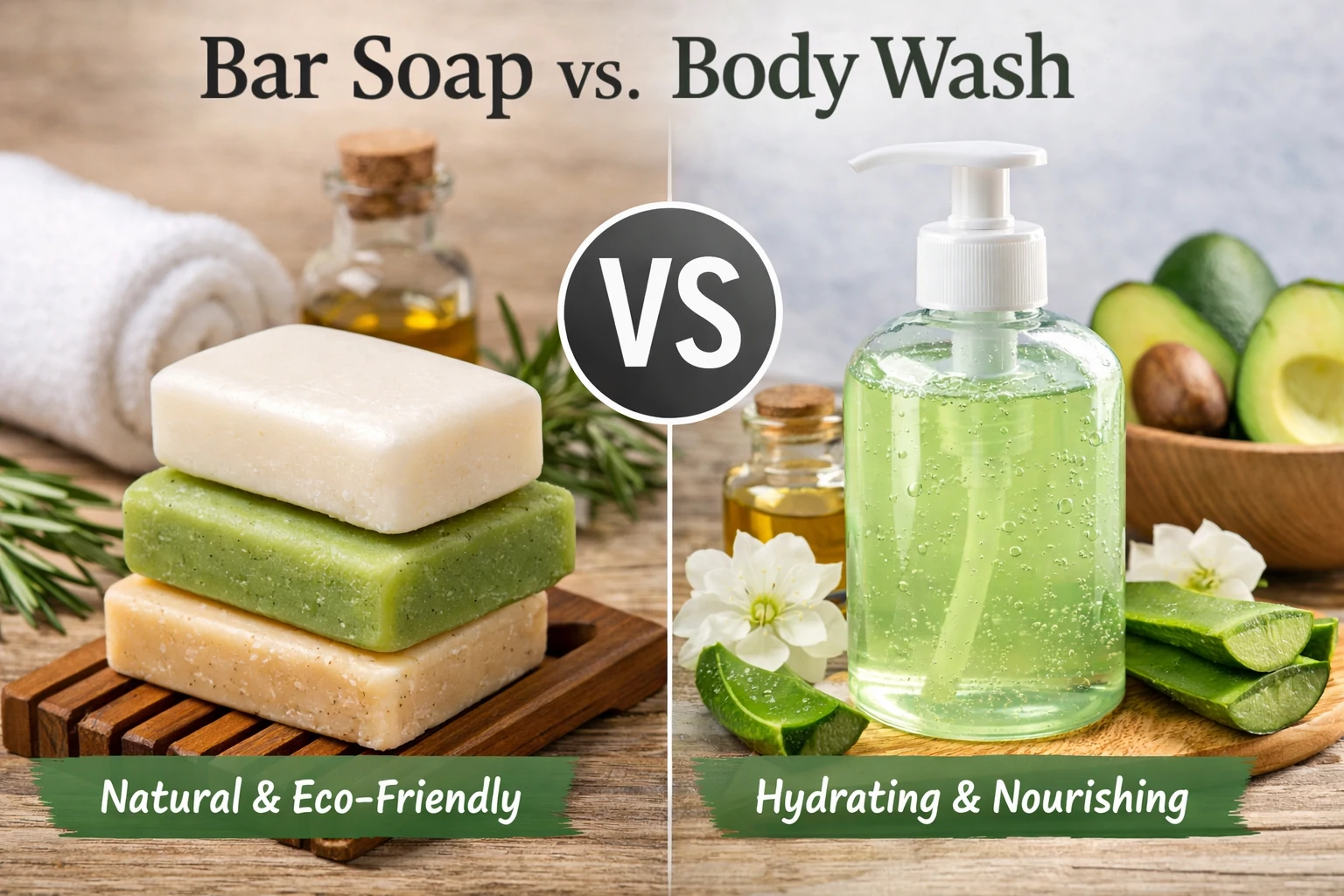
Choosing the right body cleanser is more than a daily habit—it plays a key role in maintaining a healthy skin barrier. The long-standing debate between bar soap and body wash often leaves beginners confused, especially when both promise clean, refreshed skin. While both products remove dirt and excess oil, their formulations interact with the skin in different ways, influencing hydration, comfort, and long-term skin health.
Dermatologists explain that traditional bar soaps often have a higher, more alkaline pH, which may disrupt the skin’s natural acid mantle if used frequently. Body washes, on the other hand, are commonly formulated with a skin-friendly pH and added moisturizing agents that help reduce dryness after cleansing. Hygiene is another consideration: storage conditions can affect bacterial growth, particularly with bar soap left in damp environments.
According to expert opinions from board-certified dermatologists, neither option is universally “better.” The ideal choice depends on your skin type, lifestyle, and sensitivity level. Understanding how each cleanser works helps you make a smarter, more personalized decision—especially if you’re just starting a skincare routine.
Bar Soap vs. Body Wash: Key Differences You Should Know
Although bar soap and body wash serve the same basic function—cleansing the skin—their chemical structure and production process set them apart. Cosmetic chemists explain that traditional bar soaps are made through saponification, a reaction between fats and a strong alkali such as sodium hydroxide. This process creates an effective cleanser but often results in a higher pH, which may feel drying for some skin types.
Body washes take a gentler approach. As noted by dermatologist Dr. Joshua Zeichner, MD, liquid cleansers are diluted with water and use milder surfactants, reducing the risk of stripping the skin’s natural oils. This makes them more suitable for dry or sensitive skin.
Additional advantages of body wash include easier pH adjustment to match natural skin levels, better stability for active ingredients like antioxidants or botanical extracts, and higher concentrations of humectants and emollients. These features help maintain hydration and comfort, making body wash a popular choice for modern, skin-conscious users.
The Pros and Cons of Bar Soap
One of the main advantages of bar soap lies in its low water content. According to cosmetic chemist Nekrasas, the absence of water significantly reduces the risk of microbial contamination, meaning bar soaps typically require fewer synthetic preservatives. From a sustainability perspective, bar soap is also appealing due to its minimal, often plastic-free packaging, making it a more eco-conscious option.
However, skin health considerations are important. Most traditional bar soaps have an alkaline pH, commonly ranging from 9 to 10. Dermatologist Dr. Goldbach notes that frequent use of high-pH cleansers may disrupt the skin’s natural acid mantle, potentially leading to dryness, tightness, or irritation—especially in people with sensitive or reactive skin.
Before choosing bar soap, consider these factors: it may leave mineral residue that causes a squeaky or tight feeling, though newer formulas often include nourishing oils to reduce dryness. While bar soap itself resists bacterial growth, improper storage in a damp soap dish can still allow microorganisms to accumulate. Choosing well-formulated bars and proper storage is key for skin comfort.
The Pros and Cons of Body Wash
Body wash is often favored for its ability to leave skin feeling softer and more hydrated. Dermatologists, including Dr. Goldbach, highlight that many body washes contain barrier-supporting ingredients such as ceramides, glycerin, and emollients. These help cleanse the skin while preserving essential lipids, making body wash especially suitable for dry or compromised skin.
Another major benefit is pH flexibility. Liquid cleansers can be precisely formulated to match the skin’s natural acidity, supporting a healthier skin barrier. Hygienically, sealed pump or squeeze bottles reduce the risk of cross-contamination, which is why body wash is frequently recommended for people with eczema or very dry skin.
That said, there are trade-offs. Most body washes rely on plastic packaging, raising environmental concerns despite growing use of recycled materials. Their high water content also requires preservatives to maintain formula stability. Additionally, without mindful use, liquid textures may lead to product overuse. Selecting well-formulated options helps balance performance and sustainability.
When to Use Bar Soap or Body Wash
Choosing between bar soap and body wash should be based on your skin type, sensitivity level, and hydration needs. Dermatologist Dr. Goldbach explains that people with sensitive skin or a history of contact dermatitis may benefit from bar soap, especially formulas with minimal ingredients. Simpler formulations often reduce the risk of irritation caused by fragrances, preservatives, or complex additives.
On the other hand, body wash is generally more supportive for dry or dehydrated skin. If you notice rough texture, flaking, or persistent itchiness, liquid cleansers can offer immediate comfort due to their higher content of humectants and emollients. Cosmetic chemist Nekrasas also highlights that body washes are more flexible in delivering active ingredients, making them suitable for long-term skin concerns.
As a general guide: body wash is often recommended for eczema-prone or acne-affected skin, as it can include soothing or anti-inflammatory agents. Extremely dry skin benefits from the moisture-retaining properties of liquid cleansers. Meanwhile, fragrance-free bar soaps with short ingredient lists may be safer for individuals sensitive to preservatives.
Ingredients to Look For—and Ingredients to Avoid
A skin-friendly cleanser should support the skin barrier while removing impurities. Look for hydrating ingredients such as glycerin, ceramides, and plant-based oils like argan or avocado oil. These help retain moisture during cleansing and prevent post-shower tightness. For gentle renewal, mild chemical exfoliants such as lactic acid or salicylic acid can improve skin texture without harsh physical scrubbing.
Dermatologists also advise caution with certain additives. Dr. Goldbach notes that synthetic fragrances are a common trigger for irritation and allergic reactions, especially in sensitive skin. Triclosan, once popular for antibacterial claims, is best avoided due to potential long-term health concerns. Strong antibacterial agents may also disrupt the skin’s natural microbiome, weakening its protective function.
For long-term skin health, prioritize cleansers with transparent ingredient lists, proven moisturizing agents, and minimal irritants. Thoughtful ingredient selection makes a noticeable difference—especially if you’re just starting your skincare journey.
Hygiene and Bacterial Growth: The Bacteria Factor
Concerns about bacteria on bar soap are common, but the actual risk is often overstated. From a microbiological standpoint, a wet soap surface can harbor microorganisms. However, studies show that these bacteria rarely transfer to the next user’s skin in amounts that are clinically significant. In everyday use, the health risk is considered very low.
That said, proper storage still matters. Dermatologist Dr. Goldbach emphasizes that moisture is the key issue. Bar soap left sitting in pooled water softens more quickly and creates an environment where bacteria and fungi can multiply. Body wash stored in pump bottles is generally better protected from external contamination, although the dispenser itself should be cleaned regularly to prevent buildup.
For safer daily use, simple habits make a difference. Use a well-draining soap dish so bar soap dries between uses. Rinsing the soap surface before application can remove organic residue. If you have an active skin infection, using a personal body wash rather than shared bar soap is the more hygienic option.
Cost-Effectiveness vs. Sustainability: Which One Makes More Sense?
The choice between bar soap and body wash also affects your budget and environmental footprint. Bar soap is typically more cost-effective because it contains little to no added water, meaning you get a higher concentration of cleansing agents. A single quality bar often lasts longer than a standard bottle of body wash, making it economical over time.
From a sustainability perspective, bar soap has a clear advantage. As noted by Dr. Goldbach, liquid cleansers are heavier due to their water content, requiring more energy during transportation. Packaging is another concern—most body washes rely on plastic bottles, which contribute to long-term environmental waste despite increasing use of recycled materials.
If eco-conscious choices matter to you, consider that bar soaps usually come in biodegradable paper packaging, produce less transport-related emissions, and encourage more controlled usage. Body wash, while convenient, is easier to over-dispense, which can lead to unnecessary product waste.
Hard Water vs. Soft Water: How Your Local Water Affects Your Cleanser
Water quality plays a surprisingly important role in how well your cleanser works on the skin. Hard water—rich in minerals like calcium and magnesium—can react negatively with traditional bar soap. This reaction forms soap scum, a chalky residue that is difficult to rinse off. On the skin, this residue may clog pores, leave a dull or tight feeling, and increase irritation, particularly for sensitive or acne-prone skin.
Body wash performs differently in hard water environments. Most liquid cleansers use synthetic detergents (syndets) that are more resistant to mineral interference. As a result, body wash can cleanse more effectively, rinse cleaner, and maintain lather even in areas with poor water quality. This makes it a more skin-friendly option for people living in hard water regions.
In contrast, soft water allows bar soap to work efficiently, though it may leave a slippery sensation due to fewer minerals binding soap residue. If your skin feels overly tight, dull, or coated after showering, water hardness—not just your cleanser—may be the hidden factor worth addressing.
Final Thoughts
Your choice between bar soap and body wash should reflect your skin’s needs, lifestyle, and environmental values. Clinically, body wash offers better hydration and pH balance, making it ideal for dry or sensitive skin. In contrast, bar soap is often more cost-effective and eco-friendly, with simpler formulas that suit those avoiding preservatives.
Dr. Goldbach advises checking ingredient labels to avoid irritants like triclosan or harsh synthetic fragrances. Water quality also matters—if you live in a hard water area, body wash can help prevent residue buildup and skin dryness.
Ultimately, understanding your skin type and environment allows you to choose a cleanser that supports both skin health and sustainability.
You might also like


 Acne
Acne Anti-Aging
 Business
 Digital Marketing
 Economics
 Exfoliation
 Hair Removal
 Movies
 Personal Finance
 Websites