Loofah vs. Hands: The Most Hygienic Way to Wash Your Body
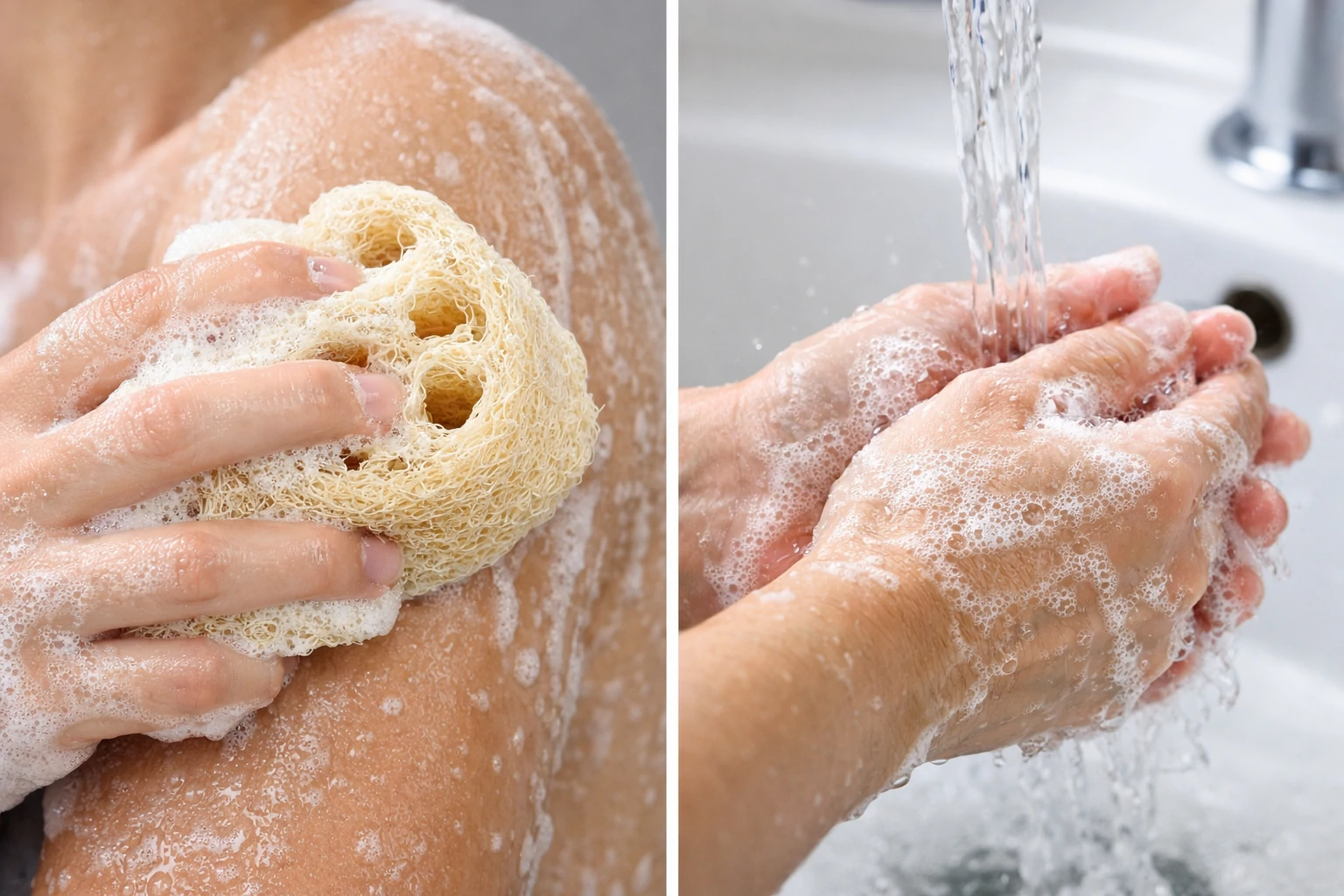
Healthy skin starts with the most basic daily habit: proper cleansing. Showering is not just about feeling fresh—it plays a vital role in removing dirt, excess oil, sweat, and microorganisms from the skin’s surface. Today, body cleansing tools range from washcloths and mesh sponges to natural loofahs. The key question is which option truly supports skin health without increasing the risk of bacterial contamination.
Choosing how you wash your body is more than a matter of texture or comfort; long-term hygiene is a critical factor. Washing with bare hands is often considered microbiologically safer because it minimizes moisture retention and bacterial buildup. In contrast, loofahs offer stronger mechanical exfoliation, helping remove dead skin cells, but their porous structure can trap moisture and bacteria if not properly cleaned and dried.
To provide an evidence-based perspective, board-certified dermatologists have evaluated the benefits and risks of both methods. Their insights highlight how individual skin type, sensitivity, and hygiene habits influence the safest and most effective cleansing approach—helping you make a more informed choice for daily body care.
The Science Behind Washing Your Body
Understanding how skin cleansing works is essential before choosing the right washing method. Showering is not simply a water-based routine—it is a biological process that helps maintain the skin’s natural balance and barrier function.
According to dermatologist Dr. Mamelak, regular body washing helps remove pathogens, environmental pollutants, and excess sebum from the epidermis. Without proper hygiene, bacteria and fungi can multiply rapidly, increasing the risk of skin irritation and infection.
Dermatologist Dr. Rubin further explains that the buildup of dirt and cellular debris is a primary cause of clogged pores. This process often leads to inflammation, including body acne, folliculitis, or persistent rashes. Beyond cleansing, effective showering also provides additional benefits:
- Mechanical Exfoliation: Removes dead skin cells to support healthy skin renewal.
- Texture Improvement: Gentle stimulation boosts circulation, leaving skin smoother and more resilient.
- Infection Prevention: Reduces bacterial overgrowth linked to common skin conditions.
When done correctly, body cleansing supports not only a clean appearance but also stronger skin defense overall.
Understanding Washcloth Use from a Dermatological Perspective
Washcloths remain a popular cleansing tool because they provide gentle exfoliation that bare hands cannot. From a dermatology standpoint, material selection is essential, as washcloths may be made from cotton, microfiber, or bamboo fibers. Dr. Mamelak notes that while washcloths are an affordable option, their impact on skin health depends heavily on fabric quality.
Skin experts emphasize choosing a soft texture to protect the skin barrier. If you prefer a slightly textured cloth, avoid excessive friction, which can cause irritation or micro-tears in the epidermis. Proper care is critical to maintain hygiene and prevent bacterial growth. Dermatologists recommend the following practices:
- Clean Rotation: Use a fresh washcloth for each shower to reduce bacterial exposure.
- Thorough Drying: Rinse, wring out, and hang the cloth in a dry, well-ventilated area after use.
- Regular Washing: Launder washcloths frequently in hot water to eliminate microbes effectively.
When properly maintained, a washcloth can cleanse the skin efficiently while preserving smoothness and dermatological safety.
Loofah Characteristics and Potential Risks for Skin Health
Loofahs are widely known for their porous, fibrous structure, making them effective for stimulating circulation and removing dead skin cells. Dermatologist Dr. Rubin explains that this abrasive texture provides strong mechanical exfoliation, which many people enjoy for smoother-feeling skin. However, excessive or improper use can compromise skin health.
From a dermatological perspective, loofah use should be limited to no more than twice per week to protect the skin barrier. Individuals with eczema, psoriasis, or sensitive skin are generally advised to avoid loofahs altogether due to their higher risk of irritation and micro-damage. Another major concern is hygiene—loofahs retain moisture, creating an ideal environment for bacterial growth.
To reduce contamination risks, dermatologists recommend the following care routine:
- Weekly Sanitizing: Soak the loofah in diluted vinegar, baking soda, or mild bleach to eliminate bacteria.
- Proper Dry Storage: Hang it in a well-ventilated area to ensure complete drying between uses.
- Regular Replacement: Replace loofahs every few weeks for optimal hygiene and safety.
Clean tools are just as essential as clean skin when maintaining overall skin health.
Net Sponge Benefits and Hygiene Limitations
Net sponges, also known as mesh sponges, feature an open-weave design with deep roots in African bathing traditions. According to dermatologist Dr. Mamelak, most net sponges are made from nylon and serve a similar purpose to loofahs—but with notable hygiene advantages.
Dr. Rubin explains that net sponges are increasingly favored because they deliver effective physical exfoliation while drying much faster than traditional bath sponges. Their low water retention significantly reduces bacterial buildup, making them a more hygienic option for daily body cleansing. However, improper use still carries certain risks:
- Irritation Risk: Excessive pressure or frequent scrubbing may weaken the skin barrier, especially in sensitive, eczema-prone, or hyperpigmented skin.
- High Durability: Unlike natural loofahs, high-quality net sponges can last one to two years when properly maintained.
Dermatologists recommend following manufacturer washing instructions—either gentle machine washing or hand cleaning. With proper airflow and care, net sponges offer a safer, long-lasting exfoliation solution.
Cleansing with Your Hands: The Gentlest Method for Skin
For individuals with sensitive or reactive skin, washing the body using bare hands is often considered the safest dermatological option. Skin experts consistently recommend this method because it is non-abrasive and significantly reduces the risk of irritation. Dr. Rubin frequently advises hand-only cleansing to patients who are prone to over-exfoliation, which can weaken the skin barrier and trigger inflammation.
Beyond its safety profile, Dr. Mamelak highlights that cleansing with hands is also practical, economical, and easy to maintain hygienically. However, this method has limitations. If your main goal is deep exfoliation or removing stubborn dead skin buildup, hands alone may not provide sufficient mechanical exfoliation. In such cases, a controlled tool—such as an exfoliating glove—can be used occasionally as a complementary step.
To maintain optimal hygiene when washing with hands, dermatologists recommend:
- Clean Start: Wash hands thoroughly before applying cleanser to the body.
- Complete Rinsing: Ensure all soap residue is fully removed to prevent contact dermatitis.
- Gentle Motion: Use light, circular movements to preserve skin elasticity.
This method remains the most skin-respecting approach for maintaining daily cleanliness.
The Eco-Friendly Perspective: Natural Loofahs vs. Synthetic Sponges
Sustainability is now an important consideration when choosing body cleansing tools—both medically and environmentally. Dermatologist Dr. Mamelak explains that natural loofahs come from the plant Luffa aegyptiaca, making them biodegradable and environmentally friendly. In contrast, synthetic net sponges or nylon sponges are plastic-based products that contribute to long-term waste and microplastic pollution.
From a dermatological standpoint, natural materials may also reduce exposure to synthetic chemicals, which can benefit sensitive skin. However, skin experts caution that organic fibers degrade faster if not properly maintained, increasing hygiene risks. Below is a comparison from both ecological and hygiene perspectives:
- Environmental Impact: Natural loofahs are compostable, while synthetic sponges can take hundreds of years to break down.
- Microbial Safety: Synthetic sponges resist mold more effectively; natural fibers require thorough drying and sunlight exposure to prevent bacterial growth.
- Texture Experience: Plant-based fibers offer a more authentic exfoliation but may feel quite rough when new.
Dermatologists emphasize choosing a cleansing tool that protects your skin barrier while also supporting environmental responsibility.
The Silent Danger: Signs Your Bath Tool Is Harboring Mold
Bath tools that are constantly exposed to heat and moisture create an ideal environment for mold, bacteria, and biofilm growth. Dermatologists warn that repeated exposure to mold-contaminated tools can trigger allergic reactions, skin irritation, and infections such as folliculitis. Knowing when to replace your bath tool is essential for protecting skin health.
According to dermatology experts, watch for these warning signs that your loofah or sponge is no longer hygienic:
- Visible Changes: Black, green, or brown spots that remain even after rinsing indicate mold growth.
- Unpleasant Odor: A persistent musty smell strongly suggests bacterial or fungal colonization.
- Slimy Texture: A slippery or gel-like residue when wet is a clear sign of microbial biofilm.
- Sudden Skin Irritation: New redness, itching, or bumps after showering may signal contamination.
From a medical standpoint, safety should always outweigh cost savings. If any of these signs appear, replace your bath tool immediately. Dr. Rubin emphasizes that preventing infection is far easier than treating skin inflammation caused by unhygienic cleansing tools.
Post-Shower Care: Why Your Cleansing Method Affects Moisture Absorption
The way you cleanse your body directly influences how well skincare products absorb afterward. Dermatologists explain that tools providing physical exfoliation—such as loofahs or net sponges—help remove dead skin cells, allowing lotions and body oils to penetrate more efficiently instead of sitting on surface debris.
However, experts caution that overly aggressive cleansing can disrupt the acid mantle, the skin’s natural protective barrier that locks in moisture. When washing with hands, product absorption may be slightly slower, but the skin barrier remains intact, reducing transepidermal water loss and supporting long-term hydration.
From a dermatological standpoint, the following practices are recommended:
- Apply on Damp Skin: Use moisturizer within three minutes after showering to seal in hydration.
- Match Product Texture: Choose richer creams after exfoliation to calm and rebalance the skin.
- Prioritize Gentleness: For dry or compromised skin, hand cleansing helps preserve natural lipids.
Dr. Rubin emphasizes that healthy skin relies on balance—effective cleansing paired with proper hydration ensures optimal skin function and comfort.
Final Thoughts
Choosing between hands, a loofah, or a net sponge ultimately depends on your skin type and hygiene priorities. From a dermatological perspective, washing with hands is the safest and gentlest option, especially for sensitive or compromised skin, as it helps preserve the skin barrier. Meanwhile, tools like loofahs and net sponges offer effective mechanical exfoliation, supporting smoother skin and better absorption of body care products.
That said, medical experts consistently warn that damp bath tools can become breeding grounds for bacteria and mold if not properly maintained. To minimize risk, dermatologists recommend:
- Ensuring good airflow where bath tools are stored
- Sanitizing tools regularly and replacing them on schedule
- Considering eco-friendly, skin-safe materials
In the end, the most hygienic method is one practiced correctly and consistently. Clean tools, proper technique, and mindful care are just as important as cleansing the skin itself.

 Acne
Acne Anti-Aging
 Business
 Digital Marketing
 Economics
 Exfoliation
 Hair Removal
 Movies
 Personal Finance
 Websites