Why Do Shoulder Stretch Marks Appear? Dermatologist Explains
Have you ever noticed fine lines or stretch marks forming on your shoulders? This skin concern is extremely common and can affect people of all ages and body types. While shoulder stretch marks are medically normal and part of natural body changes, understanding why they appear helps you care for your skin more confidently and realistically.
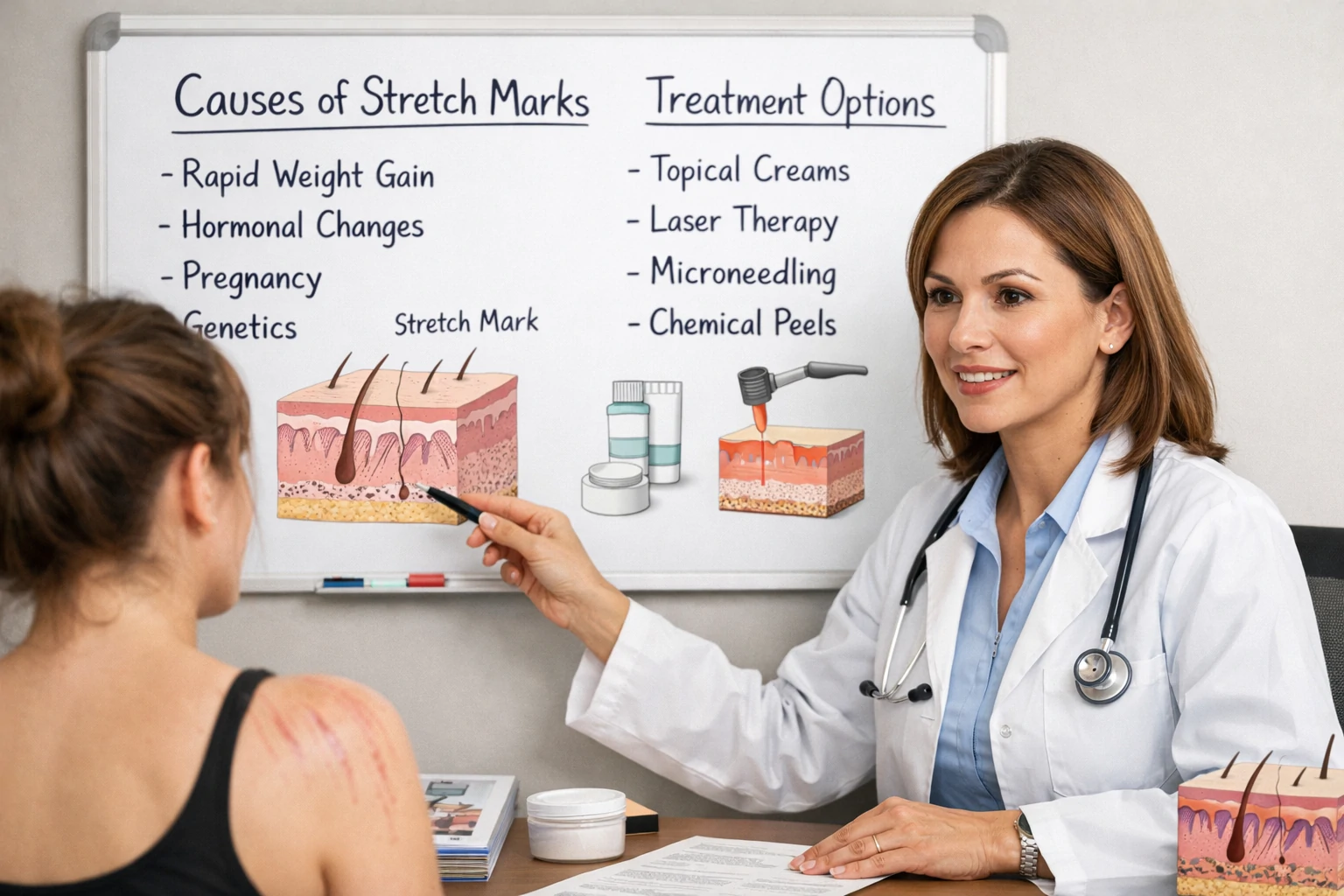
According to board-certified dermatologists, stretch marks—medically known as striae—develop when the dermis is stretched faster than the skin’s natural elasticity can adapt. When this happens, collagen and elastin fibers weaken, leaving visible lines on the surface. The most common triggers include:
- Rapid Muscle Growth: Intense strength training or sudden shoulder muscle hypertrophy can stretch the skin quickly, making stretch marks more likely.
- Growth Spurts During Puberty: Significant changes in height and body structure during adolescence often place sudden tension on the shoulder area.
- Genetic Factors: Your inherited collagen quality and skin elasticity play a major role in how resistant your skin is to stretching.
Dermatologists emphasize a science-based, honest approach: shoulder stretch marks are harmless, but understanding their cause is the first step toward maintaining healthy, resilient skin.
What Are Stretch Marks?
Medically known as striae distensae, stretch marks are linear lines that form when the dermal layer of the skin is stretched beyond its natural elasticity. They commonly appear in areas prone to rapid volume changes, such as the abdomen, breasts, thighs, and shoulders.
According to dermatologist Dr. Engelman, the slightly indented texture of stretch marks is caused by damage to collagen and elastin fibers—the structural proteins that keep skin firm and resilient. This damage typically occurs during sudden body changes, including pregnancy, adolescent growth spurts, or rapid muscle gain from intense weight training.
Dermatologist Dr. LoGerfo explains that stretch marks develop in two distinct stages:
- Striae Rubra: The early stage, characterized by red or purplish lines caused by inflamed blood vessels beneath the skin’s surface.
- Striae Alba: The later stage, where marks fade into silvery-white lines, appear more sunken, and resemble mature scar tissue.
While stretch marks are medically harmless, both experts agree they can affect self-confidence and emotional comfort, making proper skin education and realistic expectations essential.
Triggers Behind Shoulder Stretch Marks
The shoulder area is highly dynamic and responds quickly to changes in body shape. From a medical standpoint, shoulder stretch marks form as a biological response when the skin is forced to adapt to sudden internal volume changes.
Dermatologist Dr. Engelman explains that the most common trigger in this area is rapid muscle growth. This is frequently seen in individuals who engage in intense strength training, where the deltoid muscles expand faster than the skin can regenerate. When collagen supply and natural skin elasticity cannot keep up with this stretching pressure, microscopic tears occur in the dermal layer—resulting in visible stretch marks.
Other contributing factors include:
- Rapid Weight Loss: Sudden reductions in fat volume can disrupt the skin’s structural integrity, making it less resilient to stretching.
- Structural Protein Deficiency: Low collagen levels reduce skin flexibility and weaken its ability to withstand mechanical stress.
Understanding shoulder stretch marks as a natural adaptation signal—not a skin failure—helps you approach skincare more thoughtfully, focusing on supporting elasticity and long-term skin health rather than quick fixes.
How to Prevent and Treat Stretch Marks on Shoulders
Prevention starts with smart, controlled physical training. Dr. Engelman advises fitness enthusiasts to increase muscle mass gradually. Steady muscle development allows the skin enough time to adapt, significantly reducing the risk of dermal tearing. Working with a certified trainer is highly recommended to design a balanced and sustainable workout plan.
If shoulder stretch marks have already appeared, both topical and clinical approaches can help improve skin texture and appearance:
- Topical Treatments: In the early stage (striae rubra), hyaluronic acid is effective for maintaining hydration and softening visible lines. Retinoid creams can also stimulate collagen production and accelerate skin renewal, but they require consistent, long-term use.
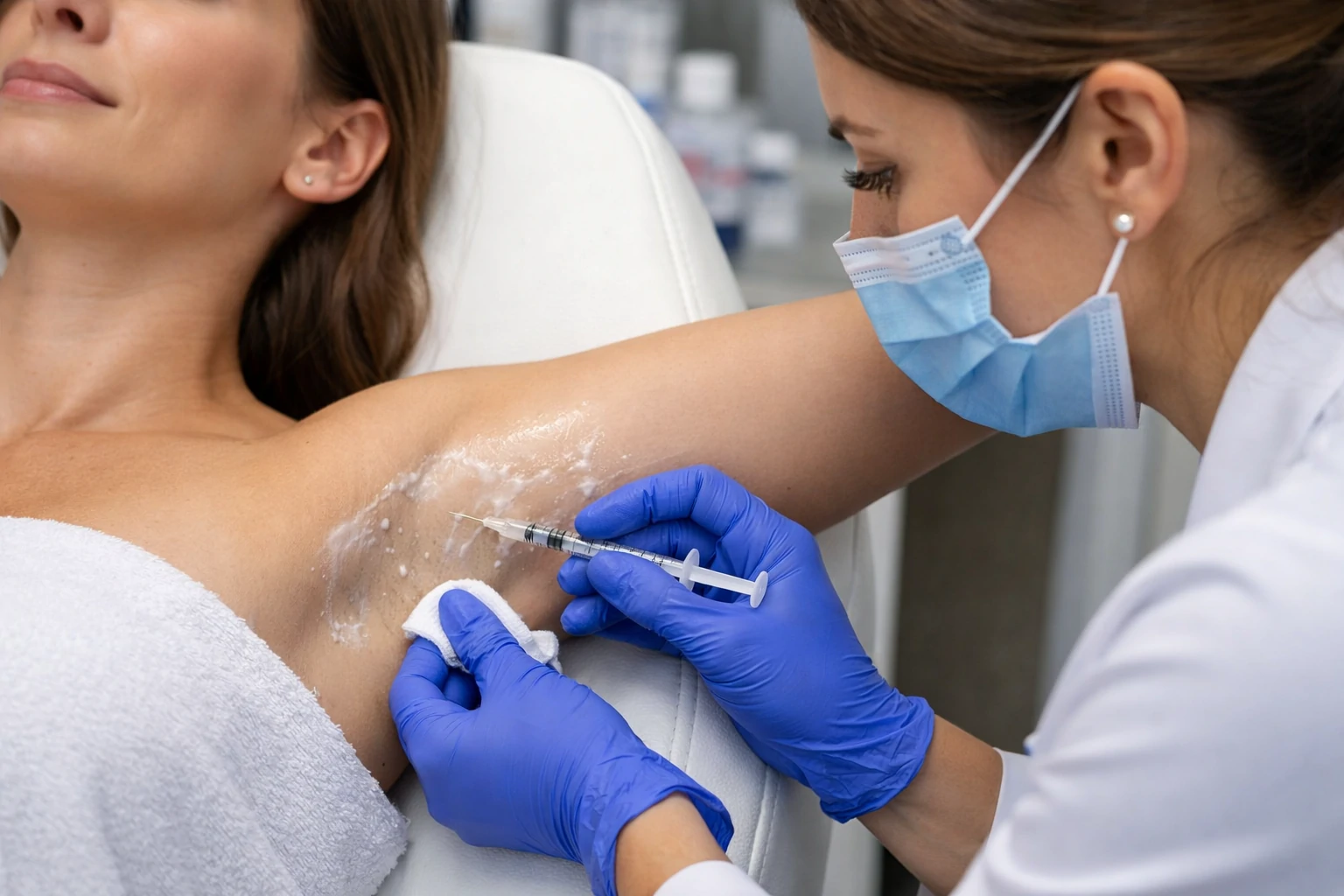
- Clinical Procedures: For more noticeable results, Dr. Engelman recommends Fraxel laser or microneedling to trigger new elastin production. For older, white stretch marks (striae alba), CO2 laser skin resurfacing is considered a gold-standard option, as it targets deeper skin layers to restore smoother, healthier skin.
The most effective treatment depends on the age of the stretch marks and your skin’s individual condition.
The Role of Hormones and Genetics in Skin Elasticity
You may wonder why some people maintain smooth skin despite rapid muscle growth, while others develop stretch marks more easily. The answer lies not only in external factors, but also in your unique biological profile.
From a medical perspective, glucocorticoid hormones play a key role. When these hormone levels rise—either naturally or due to chronic stress—they suppress collagen and elastin production. As a result, the dermis becomes thinner, weaker, and more vulnerable to tearing during sudden stretching.
Genetics also determine the baseline strength of your connective tissue. Dermatologists highlight several important factors:
- Inherited Collagen Quality: Your DNA influences how flexible and resilient your skin is when adapting to body changes.
- Hormonal Activity: Fluctuations during puberty or the use of certain supplements can accelerate dermal thinning and reduce elasticity.
Understanding stretch marks as a reflection of internal factors—not personal failure—allows for a more realistic and supportive skincare approach, focused on long-term skin health rather than unrealistic perfection.
Diet and Hydration: Internal Support for Skin Elasticity
Topical skincare matters, but true skin strength starts from within. Biologically, skin cells need specific nutrients to produce strong collagen and elastin. Without proper nutritional support, skin loses flexibility and becomes more prone to damage when stretched.
Dermatologists consistently highlight cellular hydration as the foundation of skin elasticity. Adequate water intake helps maintain skin turgor, allowing the dermis to stay supple and rebound more effectively. Beyond hydration, several key nutrients play a direct role in supporting resilient skin:
- Vitamin C: An essential cofactor in collagen synthesis, helping strengthen connective tissue and improve skin firmness.
- Zinc: A critical mineral that supports cell regeneration and accelerates skin repair processes.
- Omega-3 Fatty Acids: Help preserve the skin barrier, maintaining moisture balance and overall elasticity.
Pairing a nutrient-dense diet with targeted supplements—such as marine collagen—can provide additional support. Well-nourished skin is naturally better equipped to withstand stretching and reduce the risk of developing new stretch marks.
Natural Remedies vs. Clinical Treatments: What Actually Works?
In skincare, it’s important to separate hydration from true structural repair. Many people turn to natural oils such as almond oil, shea butter, or virgin coconut oil. Scientifically, these ingredients are excellent for moisturizing the outer skin layer (epidermis) and improving surface elasticity. However, they rarely eliminate stretch marks that have already formed deeper within the dermis.
If your goal is visible texture improvement, clinical treatments deliver more measurable results. Dermatology experts explain that medical technologies work by activating the skin’s controlled wound-healing response:
- Laser Therapy: Penetrates deeper skin layers to stimulate significant new collagen production.
- Microneedling: Creates micro-injuries that encourage repair of damaged elastin fibers.
The most honest recommendation is a combined approach. Use natural remedies for daily skin comfort and hydration, but rely on clinical treatments if you want long-term improvement in stretch mark texture and skin quality.
Psychological Impact and Body Positivity
Shoulder stretch marks often go beyond a medical or aesthetic concern—they can directly affect self-image and confidence. Psychologically, many people perceive changes in skin texture as imperfections. However, from an honest and professional perspective, these marks are physical evidence of your body’s growth, strength, and adaptation over time.
The global body positivity movement encourages a healthier way to view stretch marks. Rather than flaws, they represent how resilient your skin is when responding to life changes such as puberty, muscle development, or physical transformation.
Accepting your skin does not mean neglecting care. On the contrary, choosing proper skincare is an act of self-respect. Finding balance between improving skin texture and practicing genuine self-acceptance supports long-term mental well-being. Healthy skin is not defined by perfection, but by how well you care for both your body and your mindset.
Final Thoughts
Stretch marks on the shoulders are a very common biological response, most often triggered by rapid muscle growth, weight fluctuations, or genetic and hormonal factors. From a scientific standpoint, these lines are clear signs that your skin is actively adapting to significant changes in body volume.
Prevention strategies—such as gradual muscle building and a collagen-supportive diet—can help reduce the risk. When stretch marks are already present, topical treatments like retinoids and clinical options such as laser therapy remain effective for improving dermal texture and overall skin quality. Each approach works best when tailored to the age of the stretch marks and your individual skin condition.
That said, skincare should never exist without self-acceptance. Understanding that striae are a natural part of physical development allows you to care for your skin with realistic expectations and confidence. By balancing evidence-based treatments with a positive body mindset, you support not only healthier skin, but also long-term emotional well-being.

 Acne
Acne Anti-Aging
 Business
 Digital Marketing
 Economics
 Exfoliation
 Hair Removal
 Movies
 Personal Finance
 Websites