Whole Body Deodorant: Is It Worth the Hype? Expert Guide
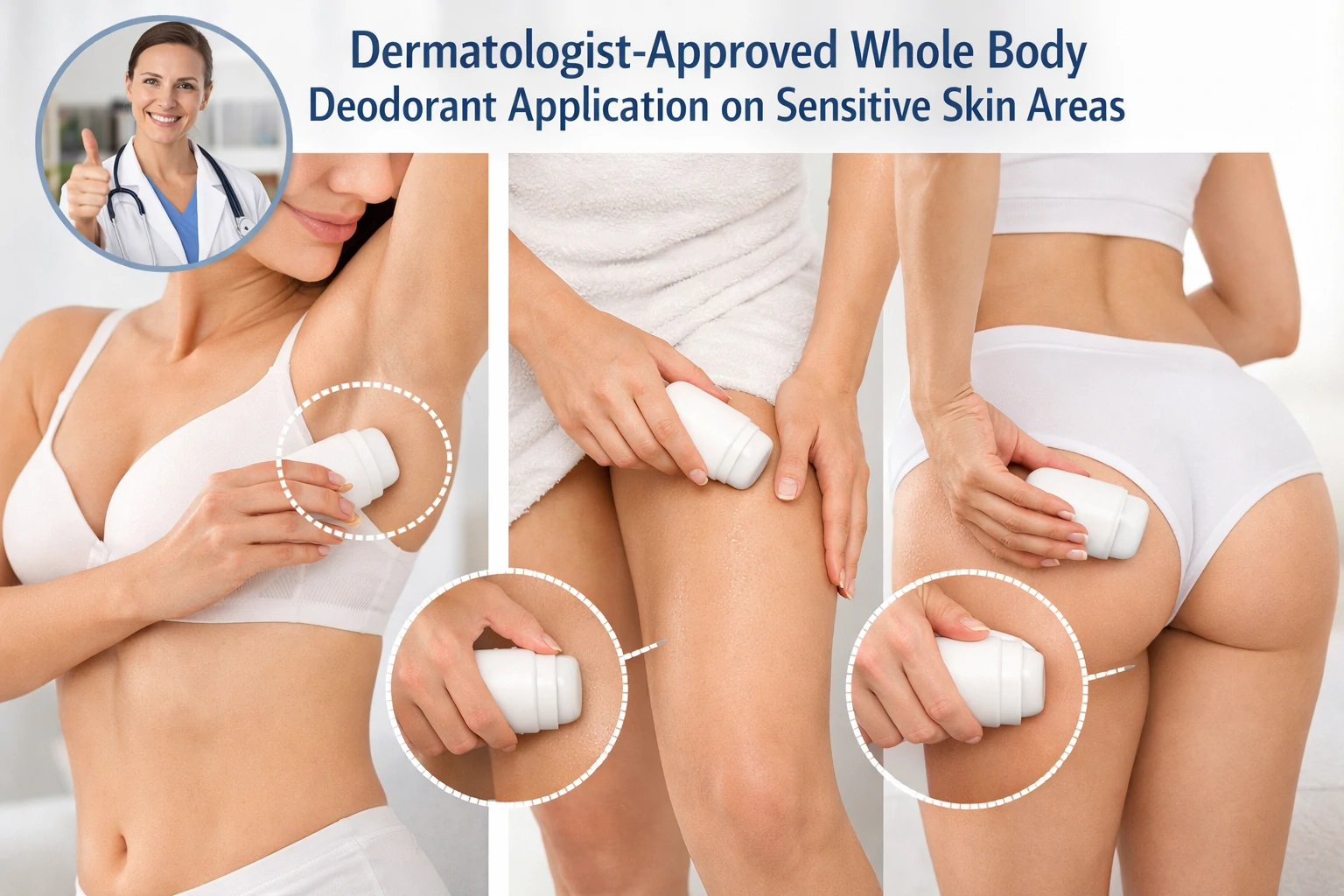
Whole body deodorant often raises valid skepticism. Applying deodorant beyond the underarms naturally prompts questions about skin safety, how it works on different body areas, and whether it’s truly necessary—or simply clever marketing. As this trend gains global attention, it’s important to separate dermatological value from hype.
To provide a balanced, science-backed perspective, we consulted dermatology experts to assess both the effectiveness and long-term skin safety of whole body deodorant formulas. Below are the key points you should understand before adding it to your routine.
- How It Works on the Skin Microbiome: Unlike traditional deodorants, whole body formulas are designed to manage odor-causing bacteria across multiple areas without disrupting the skin’s natural microbiome balance.
- Formula Safety for Sensitive Areas: Dermatologists emphasize the importance of gentle, skin-compatible ingredients—especially when used on folds, thighs, or other sensitive zones.
- Do You Really Need It?: Whole body deodorant can be beneficial for active lifestyles, excessive sweating, or odor-prone areas—but it’s not essential for everyone.
This expert guide helps you decide whether whole body deodorant is a smart skincare investment or simply an optional add-on.
What Is Whole Body Deodorant?
Traditionally, deodorants are formulated specifically for the underarm area. Whole body deodorant expands this concept with formulas designed to be safely used on other parts of the body. The science is straightforward: odor-causing bacteria can thrive anywhere moisture, heat, and limited airflow exist.
According to Kseniya Kobets, MD, from Montefiore Einstein Advanced Care, these products target odor at its source—bacterial overgrowth—while also supporting skin hydration and freshness. Most whole body deodorants rely on three core mechanisms:
- Moisture-Absorbing Agents: Natural powders like tapioca starch or arrowroot help control excess moisture, reducing the environment bacteria need to multiply.
- pH-Balancing Ingredients: Mild acids such as lactic or mandelic acid maintain a slightly acidic skin pH, which naturally discourages odor-causing bacteria.
- Skin-Nourishing Components: Ingredients like shea butter and coconut oil help preserve skin elasticity and prevent dryness, even with daily use.
Dermatologist Hannah Kopelman, MD, notes that the main appeal lies in convenience—especially during hot weather or after exercise. Many formulas also include calming ingredients, making them suitable for sensitive or irritation-prone areas.
Skin Safety and Tolerance Analysis
The safety of whole body deodorant largely depends on formula quality and individual skin sensitivity. According to dermatologist Hannah Kopelman, MD, most products are generally safe when they avoid harsh irritants such as alcohol or strong synthetic antibacterial agents. However, skin folds are thinner, warmer, and more absorbent, which can increase the risk of irritation if the formula is not well-balanced.
Dermatologist Kseniya Kobets, MD, highlights that fragrance ingredients—including essential oils and compounds like limonene—are among the most common triggers of allergic contact dermatitis. Sweat and friction in body folds can further intensify these reactions. Certain conditions require extra caution:
- When to Avoid Use: Do not apply whole body deodorant on skin affected by eczema, active inflammation, or open wounds.
- Fragrance Sensitivity Risks: Added perfumes or masking fragrances may cause rashes in sensitive individuals.
- Patch Testing Is Essential: Kopelman recommends testing on a small skin area first to identify potential reactions early.
A careful, informed approach helps maintain freshness without compromising your skin barrier health.
Can You Really Use Them All Over?
In theory, whole body deodorants are formulated for multi-area use. Clinically, however, certain anatomical zones require extra caution. Dermatologist Hannah Kopelman, MD, strongly advises avoiding mucosal areas, including the eye contour and genital region. Skin in these areas has a much thinner barrier and higher permeability, making it far more prone to irritation or allergic reactions.
Extra care is also needed in the following situations:
- Post-Shaving Skin: Recently shaved skin often has microscopic cuts that aren’t visible to the eye. Applying deodorant too soon can trigger stinging, redness, or inflammation.
- Reactive Ingredients: Formulas containing alcohol, fragrance, or essential oils may cause burning sensations when applied to compromised or freshly shaved skin.
Despite “whole body” claims, the safest approach is selective application. Focus on odor-prone areas with thicker skin—such as thighs, under-breast areas, or back folds—rather than using it indiscriminately. A thoughtful, skin-aware routine is always more effective and safer than blanket application without considering your skin’s physiology.
Long-Term Risks and Skin Health Impact
Potential side effects vary based on individual skin profiles. Dermatologist Hannah Kopelman, MD, explains that applying deodorant over large surface areas increases the likelihood of irritation—especially if the formula contains high levels of fragrance or alcohol, which may trigger rashes or broader allergic reactions.
Beyond short-term sensitivity, there are several long-term considerations to keep in mind:
- Skin Barrier Disruption: Repeated use on delicate areas may weaken the skin’s natural lipid barrier, which plays a critical role in moisture retention and protection against external irritants.
- Misunderstanding Product Function: Whole body deodorants are not antiperspirants. They are designed to neutralize odor, not block sweat glands or stop perspiration entirely.
- Microbiome Imbalance: Widespread application of active ingredients may alter the balance of beneficial skin bacteria that support overall skin health.
Understanding these functional limits helps set realistic expectations. When used selectively and thoughtfully, whole body deodorant can be helpful—without compromising long-term skin integrity.
Alternatives to All-Over Deodorant
If you’re not fully convinced about using all-over deodorant, there are effective alternatives that dermatologists often consider more targeted and skin-friendly. Hannah Kopelman, MD, recommends choosing products designed for specific areas, since each skin zone has different needs and tolerance levels.
Here are several practical options to consider:
- Area-Specific Products: Foot powders or moisture-absorbing powders for skin folds (such as the groin) help control dampness, while natural deodorant balms work well for underarms.
- Hygiene-Based Solutions: Antibacterial cleansers or on-the-go cleansing wipes can quickly reduce odor-causing bacteria without leaving residue on large skin areas.
- Long-Term Medical Treatments: For excessive sweating (hyperhidrosis), prescription-strength antiperspirants or Botox injections offer longer-lasting results compared to topical deodorants.
It’s important to remember that deodorants only mask or neutralize odor temporarily. If body odor is driven by heavy sweating, consulting a medical professional for a more precise, long-term solution is often the smartest and safest approach.
Whole Body Deodorant vs. Antiperspirant: What’s the Real Difference?
These two products are often used interchangeably, but physiologically, they work in very different ways. Understanding the distinction helps you choose the right solution without stressing your skin barrier.
Here’s how they differ from a dermatological perspective:
- Primary Function: Whole body deodorants focus on odor control by limiting odor-causing bacteria or neutralizing smell with gentle fragrance. Antiperspirants, on the other hand, are designed to reduce sweat itself by temporarily blocking eccrine sweat glands using aluminum salts.
- Area Safety: Whole body deodorants (such as Lume-style formulas) are generally milder and better suited for skin folds or broader areas. Strong antiperspirants may cause irritation if applied beyond the underarms.
- Clinical Use Case: If visible sweat marks are your main concern, an antiperspirant is more effective. If odor control and freshness are the goal, a deodorant is usually sufficient.
Choosing the right product based on your body’s actual needs ensures comfort, effectiveness, and long-term skin health.
Natural Ingredients to Look For: The “Clean Beauty” Approach
Within the clean beauty movement, the focus has shifted away from harsh synthetic chemicals toward skin-compatible, science-backed ingredients. When choosing a whole body deodorant, the goal is not just odor control, but long-term support for a healthy skin microbiome.
Dermatologists often highlight several key ingredients that deliver effective results with a lower risk of irritation:
- Mandelic Acid: Derived from almonds, mandelic acid gently lowers skin pH to create an environment that discourages odor-causing bacteria—without clogging pores or disrupting sweat production.
- Magnesium: This mineral acts as a mild, natural moisture absorber. It’s widely considered a safer alternative to aluminum salts, especially for sensitive or easily irritated skin.
- Prebiotics: Prebiotic ingredients help nourish beneficial skin bacteria, supporting a balanced microbiome and improving overall skin resilience against irritation and inflammation.
Choosing formulas with transparent, thoughtfully selected ingredients allows you to stay fresh while protecting your skin barrier over time—an essential principle of truly effective clean beauty skincare.
Whole Body Deodorant Recommendations by Skin Type
Choosing a whole body deodorant shouldn’t be random. Skin reactivity and moisture levels play a major role in how well a formula performs—and how safely it interacts with your skin barrier. The right match delivers odor protection without triggering irritation or dryness.
Based on dermatological safety and real-world performance, here are expert-aligned recommendations by skin type:
- Sensitive Skin: Lume is often recommended for sensitive or fold-prone skin. Its mandelic-acid-based formula is free from aluminum and baking soda, making it a solid option for those prone to contact dermatitis or irritation.
- Dry Skin: Look for cream-based whole body deodorants with hydrating ingredients like shea butter or coconut oil. These formulas help maintain elasticity and prevent moisture loss better than spray or gel textures.
- Oily Skin & Active Lifestyles: For high activity levels or oilier skin, Secret Whole Body Deodorant offers stronger odor control with a fast-absorbing, non-sticky finish—ideal for staying fresh without feeling heavy.
Above all, prioritize skin health over fragrance alone. Opt for clinically tested, multi-area-safe formulas that respect your skin’s natural barrier while meeting your daily needs.
Final Thoughts
Whole body deodorant can be a smart, modern solution for managing odor in moisture-prone areas, especially skin folds. Its effectiveness, however, depends heavily on ingredient quality. Formulas with mandelic acid or magnesium are preferred, as they help balance skin pH without blocking sweat glands like traditional antiperspirants.
Safety should always come first. Dermatologists advise avoiding mucosal areas and skin that is inflamed, irritated, or broken to reduce the risk of contact dermatitis. Products such as Lume or Secret Whole Body Deodorant may be suitable options—provided you monitor your skin’s response and perform a patch test before full use.
In summary, whole body deodorant is a helpful investment for active, on-the-go lifestyles, but it’s not essential for everyone. When chosen thoughtfully and used selectively, it can enhance daily comfort without compromising skin barrier health. The key is aligning the product with your individual skin needs, not following trends blindly.





 Acne
Acne Anti-Aging
 Business
 Digital Marketing
 Economics
 Exfoliation
 Hair Removal
 Movies
 Personal Finance
 Websites