Expert Bikini Wax Guide: Pro Tips for Smooth, Painless Results

Bikini waxing can feel intimidating, but the salon visit is actually the easy part. During the treatment, a trained therapist ensures proper technique and hygiene. The real challenge begins after you leave—when your skin needs the right care to recover and stay smooth.
Post-wax care is essential because the skin experiences mechanical stress that can trigger inflammation. Without proper aftercare, common issues such as irritation, ingrown hairs, redness, or rough texture are more likely to appear—especially in sensitive areas.
To ensure accurate, expert-backed guidance, this guide reflects insights from leading professionals in the waxing industry:
- Noemi Grupenmager, founder of Uni K Wax Center, highlights the importance of keeping the skin well-hydrated to support barrier repair and prevent dryness after waxing.
- Gina Petak from European Wax Center emphasizes techniques that help reduce nerve sensitivity, making post-wax discomfort easier to manage.
With the right preparation and recovery routine, bikini waxing results can last longer while keeping the skin healthy, calm, and comfortable. Proper care doesn’t just improve comfort—it protects your skin’s long-term condition.
Before You Wax: Smart Preparation for Healthier Skin
In cosmetic dermatology, proper preparation is the foundation for minimizing skin trauma. The first and most critical step is choosing a qualified professional. While many beauty therapists hold general licenses, selecting a technician who specializes in bikini waxing is strongly recommended. This expertise ensures precise hair removal techniques while maintaining safety in a highly sensitive area.
At-home waxing may seem convenient, but for smoother, longer-lasting, and more aesthetic results, professional treatment remains the gold standard. According to Noemi Grupenmager, an experienced wax specialist understands skin histology, hair growth patterns, correct wax application, and effective removal techniques that pull hair from the root without damaging the dermal layer.
To optimize your Brazilian wax results, focus on these essential steps:
- Gentle Exfoliation: Light exfoliation 24–48 hours before waxing helps remove dead skin cells and allows hair to lift more easily.
- Optimal Hydration: Well-moisturized skin reduces the risk of hair breakage during removal.
- Skin History Consultation: Always disclose the use of active ingredients like retinoids, which can increase skin sensitivity before waxing.
1. Seek Out Referrals for a Trusted Waxing Professional
Choosing a reputable waxing provider requires careful consideration to protect your skin’s health. One of the most reliable starting points is seeking referrals from people you trust, such as friends or family members who have firsthand experience. Honest recommendations often reflect real results, comfort level, and overall professionalism.
In addition, reviewing objective online platforms can offer valuable insight into a salon’s hygiene standards, service consistency, and client satisfaction. From a clinical perspective, salons that specialize exclusively in waxing are strongly recommended. These providers typically follow stricter sanitation protocols and employ technicians trained to work with different skin types and sensitivities.
Specialized waxing studios are also better equipped to reduce risks such as cross-contamination, irritation, or trauma to delicate skin. By relying on credible referrals and verified reviews, you increase the likelihood that your treatment is performed by skilled professionals who prioritize safety, precision, and skin integrity—key factors for smooth, healthy waxing results.
2. Time It Right: Schedule Your Wax for Less Pain
Timing plays a crucial role in reducing discomfort during waxing. From a physiological standpoint, pain sensitivity tends to increase right before and during menstruation. Hormonal fluctuations at this stage can heighten nerve sensitivity, especially in intimate skin areas.
For a more comfortable experience, it’s best to schedule your appointment a few days before your period begins or after it has ended. During these phases, the skin is typically more balanced and less reactive to mechanical pulling. Many professional salons also have specific policies regarding waxing during menstruation due to hygiene and technical considerations.
To ensure a smooth appointment, keep these steps in mind:
- Confirm Salon Policy: Contact the salon in advance to understand their guidelines related to menstrual cycles.
- Track Your Cycle: Planning ahead helps you book when your skin is calm and most resilient.
Proper timing not only improves comfort but also allows technicians to perform at their best—resulting in cleaner, more effective waxing results.
3. Pause Sensitizing Skincare Products Before Waxing
Certain skincare actives may improve skin texture, but they can significantly increase the risk of injury during waxing. Retinol is the most important ingredient to watch out for. As a vitamin A derivative, retinol accelerates cell turnover, which can thin the epidermis and make skin more reactive to physical stress.
Using retinol on areas that will be waxed raises the risk of severe irritation, skin lifting, or surface abrasions. This concern is often overlooked because many people associate retinol only with facial treatments. In reality, retinoids are now commonly found in body lotions, oils, and even cleansing products.
To protect skin integrity before a bikini wax, follow these preventive steps:
- Audit Product Ingredients: Check labels on body washes, moisturizers, and treatments for retinoids or strong exfoliating acids.
- Pause Usage in Advance: Discontinue these products at least 10 days before your waxing appointment to allow the skin barrier to normalize.
Being mindful and disciplined with your skincare routine is essential for preventing unnecessary trauma and ensuring a safer, smoother waxing experience.
4. Ensure Optimal Hair Length for Effective Waxing
Hair length plays a critical role in how successfully waxing removes hair from the follicle. Experts recommend allowing hair to grow to approximately 3–6 mm before your appointment. According to Noemi Grupenmager, this range is ideal because it allows the wax to grip the hair shaft securely.
A strong grip ensures hair is removed directly from the root rather than breaking at the surface. When hair is too short, the wax lacks enough surface area to adhere properly, leading to uneven results and missed spots.
Use these simple guidelines to check your readiness:
- Minimum Length: Hair should be at least the size of a grain of rice for effective removal.
- Maximum Length: Hair up to 2.5 cm can still be waxed, but if it’s shorter than recommended, waiting a few more days is best.
Allowing hair to reach the proper length leads to smoother skin and reduces the need for repeated pulling, which can trigger irritation.
5. Take a Pain Reliever to Stay Comfortable
If you have a low pain tolerance or feel anxious about waxing discomfort, taking a mild pain reliever can be a helpful option. Over-the-counter analgesics such as ibuprofen or paracetamol may reduce nerve response and make the procedure more manageable.
From a medical standpoint, these medications work best when taken 30–45 minutes before your waxing appointment. This window allows the active ingredients to be fully absorbed, providing optimal relief once the treatment begins.
For safe and effective use, keep these points in mind:
- Follow Proper Dosage: Always take the medication according to the label instructions or pharmacist guidance.
- Check for Allergies: Ensure you have no known sensitivities or contraindications to the chosen pain reliever.
Reducing discomfort helps your body stay relaxed, which can make hair removal faster, smoother, and more efficient for both you and the technician.
During Your Wax Appointment
1. Understand Your Bikini Wax Style Preference
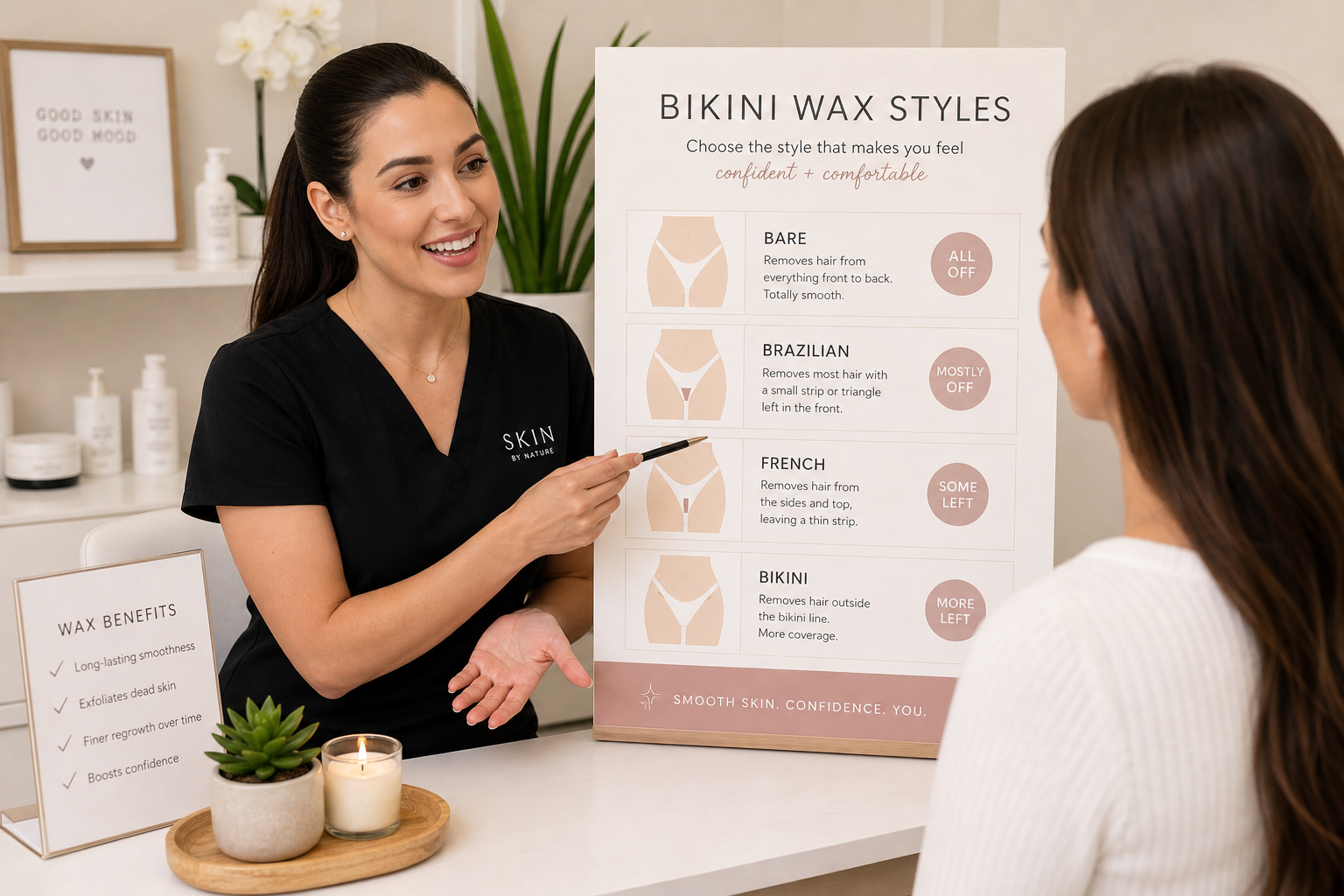
Knowing the differences between bikini wax styles helps ensure the results match your expectations. A Brazilian wax typically removes hair completely from the front, inner thighs, and back. However, you may choose to leave a small amount of hair in a specific shape, such as a landing strip or a small triangle at the front.
In contrast, a bikini line wax focuses only on removing hair that falls outside the natural edges of your swimsuit. This option is ideal if your goal is a clean, neat look while wearing swimwear, without full hair removal.
Before the procedure begins, clear communication with your technician is essential. Be upfront about:
- Specific Areas: Which zones you want fully cleared.
- Desired Shape: Any hair you’d like to keep or style.
Remember, this is your body. A skilled professional will respect your preferences and adjust their technique accordingly. Taking the time to explain your expectations is a smart, professional step to achieve results you feel confident and comfortable with.
2. Be Prepared to Assist During Your Bikini Wax
If this is your first bikini wax, it’s important to know that the process may require some active cooperation. A technician may ask you to gently hold or stretch certain areas of skin during the service. This is completely normal and part of professional technique.
Anatomically, intimate skin is highly elastic and naturally folded. Keeping the skin taut allows the technician to work more effectively by:
- Improving Precision: Stretched skin helps the wax adhere evenly to every hair.
- Reducing Skin Trauma: Proper tension minimizes discomfort and lowers the risk of bruising or irritation during removal.
Staying relaxed and following instructions makes the procedure smoother, faster, and safer. A cooperative approach isn’t awkward—it’s professional. By lending a hand when needed, you help ensure cleaner results, better comfort, and healthier-looking skin after waxing.
3. Understand Your Comfort Threshold
From a clinical perspective, it’s important to have realistic expectations. Waxing stimulates hair follicles that are rich in nerve endings, so brief discomfort or a sharp sensation during removal is a normal physiological response.
Pain tolerance is highly individual, meaning each person’s experience will differ. That said, there’s no need for excessive worry. Any discomfort usually lasts only a few seconds during the pull and fades quickly afterward.
Being honest with yourself about your comfort level can help you stay more relaxed throughout the session. Keep these points in mind:
- Natural Body Response: Mild redness or warmth after waxing is a common, short-term inflammatory reaction.
- Skin Adaptation: With consistent waxing, hair follicles often weaken over time, making future sessions noticeably more comfortable.
Understanding what’s normal allows you to approach your appointment with confidence, calm expectations, and better overall control of the experience.
Aftercare: Essential Steps for Healthy Post-Wax Skin
Once your waxing session is complete, proper skin recovery becomes just as important as the procedure itself. Newly waxed bikini skin is highly sensitive due to temporarily open pores and the loss of its natural protective barrier.
How you care for the area during this recovery phase plays a major role in preventing irritation, inflammation, or ingrown hairs. With the right aftercare routine, skin can heal smoothly and stay comfortable.
Below is a professional, expert-approved guide to help protect your skin and support optimal healing after a bikini wax:
1. Keep Hands Away to Prevent Irritation and Infection
After a bikini wax, the epidermal layer becomes highly reactive and more vulnerable to external contamination. From a medical standpoint, it’s strongly recommended to avoid touching the area for the first 24–48 hours. Hands are a primary carrier of bacteria, and contact with freshly opened pores can trigger folliculitis or mild skin infections.
Beyond hygiene, minimizing mechanical stress is equally important. Nerve endings and skin tissue are at peak sensitivity during this period, so reducing friction helps prevent unnecessary inflammation. Be mindful to avoid:
- Intense Physical Activity: Heavy exercise can cause sweating and friction, increasing irritation risk.
- Tight Clothing: Skip tight or synthetic fabrics that trap heat and moisture.
Keeping the area “hands-off” and irritation-free supports proper re-epithelialization—the skin’s natural healing process. This simple yet professional aftercare step plays a key role in maintaining smooth, healthy skin after waxing.
2. Take a Break to Support Skin Recovery
After waxing, your skin needs time to recover—this is a medically valid reason to slow down. It’s best to avoid intense physical activity or workouts that cause excessive sweating. From a physiological perspective, sweat trapped in newly opened pores can encourage bacterial growth and increase irritation caused by friction.
Dermatology experts also emphasize the importance of choosing recovery-friendly clothing. Tight, damp, or restrictive garments can worsen inflammation and delay healing. Instead, take a professional approach by:
- Wearing Loose Clothing: Opt for breathable, natural fabrics like cotton that allow proper airflow.
- Prioritizing Comfort: Choose your softest loungewear or pajamas to reduce pressure on sensitive skin.
This step isn’t about indulgence—it’s a practical strategy to support ventilation and reduce irritation during the first 24–48 hours. Allowing your skin to rest helps speed up its natural regeneration process.
3. Prioritize Hygiene with the Right Shower Technique
Maintaining intimate hygiene after waxing is allowed—but it requires a gentler approach. Gina Petak explains that showering is safe as long as you pay close attention to water temperature. Use lukewarm or cool water, as very hot water can dehydrate already sensitive skin and worsen post-wax irritation.
Clinically, waxing acts as a form of mechanical exfoliation, removing dead skin cells along with hair. This makes product selection especially important during recovery. Follow these expert-approved guidelines:
- Avoid Harsh Cleansers: Skip body washes with strong fragrances or aggressive detergents that can disrupt the skin barrier.
- Watch for Residue: Avoid heavy oil-based products that may clog pores or leave an occlusive film on the skin.
It’s also best to avoid soaking in hot baths or tubs for at least 24 hours.[1American Academy of Dermatology Association. Hair removal: how to wax.] Warm, stagnant water can promote bacterial growth, increasing the risk of irritation, breakouts, or folliculitis in newly opened hair follicles.
A careful, honest hygiene routine supports smooth healing and helps prevent unnecessary post-wax complications.
4. Avoid Excess Heat After Waxing
To protect newly waxed skin, limiting heat exposure is essential. Physiologically, excess heat causes vasodilation, which can intensify redness, throbbing, and inflammation in sensitive areas.
For at least 48 hours after waxing, it’s best to avoid the following heat sources:
- Tanning Beds: Intense heat and radiation can irritate or lightly burn skin whose protective barrier has just been removed.
- Saunas and Steam Rooms: High heat and humidity create an ideal environment for bacteria to thrive in open pores.
- Direct Sun Exposure: Post-wax skin is more prone to UV-induced hyperpigmentation and irritation.
Avoiding heat isn’t just about comfort—it’s a professional preventive measure against follicle infection and prolonged inflammation. Allowing your skin to naturally regulate its temperature supports uninterrupted healing and healthier long-term results.
5. Skip Sex to Protect Post-Wax Skin
For optimal skin health, it’s best to postpone sexual activity for at least 12–24 hours after waxing. This recommendation is especially important if it’s your first bikini wax or if you have naturally sensitive or reactive skin.
From a medical perspective, skin-to-skin contact soon after waxing can increase several risks while hair follicles are still open:
- Excess Friction: Repeated movement can intensify irritation and inflammation in freshly treated skin.
- Contamination Risk: Bacteria from sweat or direct contact can enter open pores, potentially causing folliculitis.
- Nerve Sensitivity: Intimate nerve endings need time to return to a stable, comfortable state.
Allowing this short recovery window is a professional and preventative step. Giving your skin time to fully calm down helps reduce complications and supports long-term comfort after waxing.
6. Prevent Ingrown Hairs with Gentle Exfoliation
After the initial 48-hour recovery period, you can begin preventive care to maintain smooth skin. Once redness or irritation has fully subsided, light exfoliation is medically recommended to help prevent ingrown hairs.[2Cleveland Clinic. Q&A: expert explains best way to handle your ingrown hair. Updated February 10, 2020.]
Physiologically, exfoliation removes dead skin cells that can block hair follicle openings, allowing new hair to grow out naturally instead of curling inward. For safe and effective results, follow these professional guidelines:
- Choose the Right Tool: Use a natural fiber washcloth, such as an Ayate cloth, which provides gentler exfoliation than synthetic loofahs.
- Maintain Hygiene: Ayate fibers are naturally more resistant to fungal growth, making them a cleaner option for sensitive areas.
- Apply Correct Technique: Pair exfoliation with a mild cleanser to support hydration while keeping pores clear.
Consistent but gentle exfoliation is an honest, expert-backed strategy for maintaining smooth texture and healthier skin between waxing sessions.
7. Treat and Prevent Post-Wax Bumps Effectively
Small bumps or ingrown hairs after waxing are a common dermatological concern. To keep skin smooth and even, using targeted topical treatments can be highly effective. Clinically, these products work by softening excess keratin on the skin’s surface, allowing new hair to grow out freely instead of becoming trapped.
Dermatology and waxing experts often recommend the following proven solutions:
- Tend Skin: Known for calming inflammation while helping prevent clogged pores that lead to red bumps and irritation.
- European Wax Center Ingrown Hair Serum: Endorsed by Gina Petak, this popular serum (around $32) is formulated to soothe sensitive skin while keeping hair follicles clear and balanced.
Applying these specialized serums or lotions consistently—after the initial recovery phase—adds an extra layer of protection to your skin. This professional approach helps maintain long-term smoothness, reduces recurring irritation, and supports healthier skin between waxing sessions.
Hard Wax vs. Soft Wax: Which Is Better for the Bikini Area?
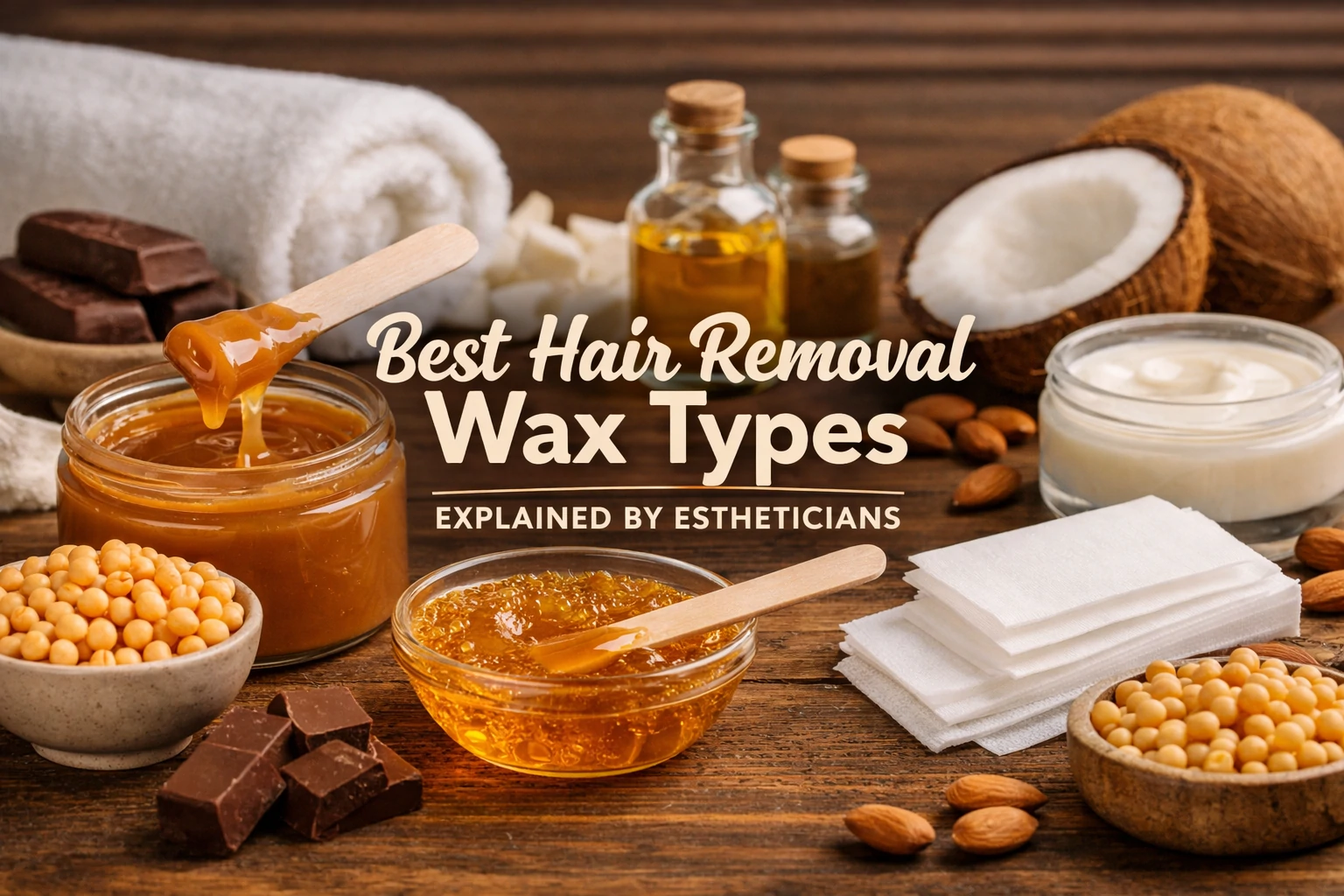
Understanding the difference between hard wax and soft wax is essential for a more comfortable bikini waxing experience. In professional aesthetics, wax selection depends largely on hair thickness and skin sensitivity.
Hard wax is the preferred choice for the bikini area among experts. It hardens on the skin and grips only the hair—not the epidermis—significantly reducing skin trauma and discomfort during removal. This makes it especially suitable for sensitive, intimate areas.
In contrast, soft wax is applied in a thin layer and removed using cloth strips. Because it adheres to both hair and skin, it’s more effective for large areas with fine hair, but it carries a higher risk of irritation when used on delicate zones.
Here’s a quick comparison to guide your choice:
- Hard Wax: Ideal for coarse hair, gentler on sensitive skin, no strips required.
- Soft Wax: Efficient exfoliation, but can feel more painful on intimate areas.
Most professionals recommend hard wax for cleaner results and faster skin recovery in the bikini area.
How to Soothe Redness and Irritation Instantly
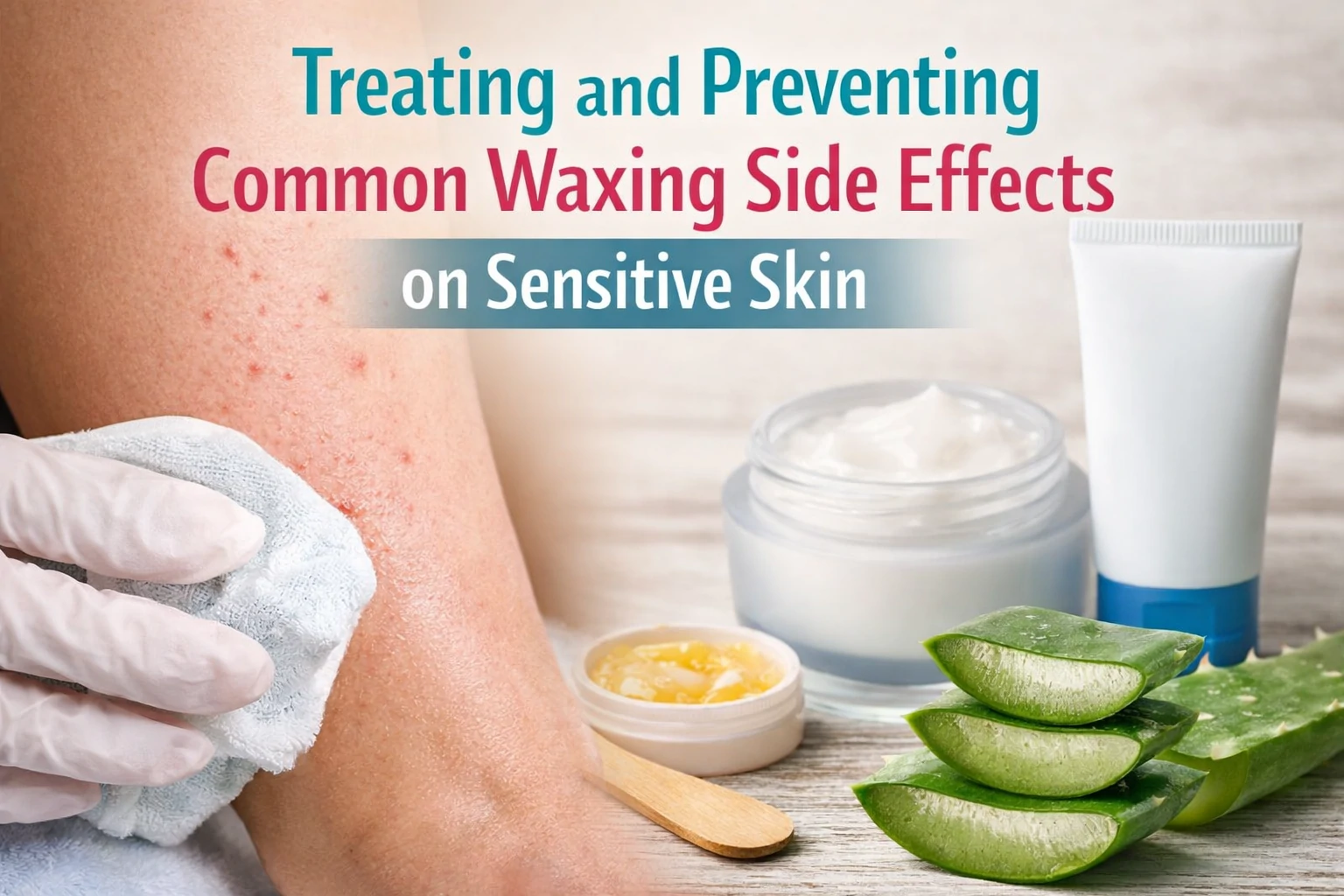
Mild redness (erythema) right after waxing is a normal inflammatory response. It occurs because hair follicles experience brief trauma during removal. To calm the skin quickly, focus on lowering skin temperature and restoring the skin barrier.
The most effective first step is a cold compress. Cool temperatures cause vasoconstriction, helping reduce swelling, heat, and throbbing almost immediately. Equally important is choosing the right topical products to support recovery.
Dermatology-approved options include:
- Pure Aloe Vera Gel: Products like Holika Holika Aloe 99% Soothing Gel provide natural cooling and anti-inflammatory benefits without heavy fragrance.
- Witch Hazel: A gentle, natural astringent that calms irritation while acting as a mild antiseptic to protect open pores.
- Low-Strength Hydrocortisone Cream: For more intense irritation, a 1% hydrocortisone cream can help suppress inflammation more quickly.
If redness, pain, or irritation persists beyond 48 hours, consult a professional to rule out infection or folliculitis. Early attention helps prevent longer-term skin complications.
Is Waxing Safe During Pregnancy?
Medically, waxing during pregnancy is generally considered safe for both mother and baby. However, there are important physiological changes to be aware of. Increased blood volume and hormonal shifts during pregnancy can heighten skin sensitivity and pain perception.
As a result, the skin may react more strongly to mechanical pulling. Open communication with your technician is essential. Experienced professionals will adjust their technique to prioritize comfort and reduce unnecessary stress on the skin.
Key points to consider include:
- Increased Sensitivity: Waxing may feel more uncomfortable than usual due to higher blood flow in the pelvic area.
- Higher Irritation Risk: Stretched, sensitive skin is more prone to redness or mild bruising after treatment.
- Product Selection: Ensure the salon uses fragrance-free waxes without harsh chemicals to minimize allergic reactions.
A patch test is strongly recommended before treatment. It’s also important to maintain a comfortable position during the session to avoid pressure on major blood vessels. With proper care and professional handling, waxing can remain a safe option during pregnancy.
How Long Do Waxing Results Last? Understanding the Hair Growth Cycle
Many people wonder how long skin stays smooth after waxing. Clinically, waxing results typically last three to six weeks, depending on your individual hair growth cycle. Hair grows in three main phases: anagen (active growth), catagen (transition), and telogen (resting).
Waxing removes hair directly from the root. When hair is removed during the anagen phase, regrowth takes longer. However, if new hairs enter the growth phase shortly after your appointment, you may notice fine regrowth sooner. This is why consistency plays a key role in long-term results.
Here’s what you can generally expect:
- Weeks 1–2: Skin remains noticeably smooth with little to no visible regrowth.
- Weeks 3–4: Fine hairs gradually begin to appear.
- Over Time: With regular waxing, follicles often weaken, leading to finer hair and longer intervals between sessions.
Hormones and metabolism also influence regrowth speed. Understanding your cycle helps you plan appointments more effectively for consistently smooth results.
ARTICLE SOURCES
You might also like
 Acne
Acne Anti-Aging
 Business
 Digital Marketing
 Economics
 Exfoliation
 Hair Removal
 Movies
 Personal Finance
 Websites