7 Derm-Backed Ways to Stop Ingrown Hairs & Razor Burn
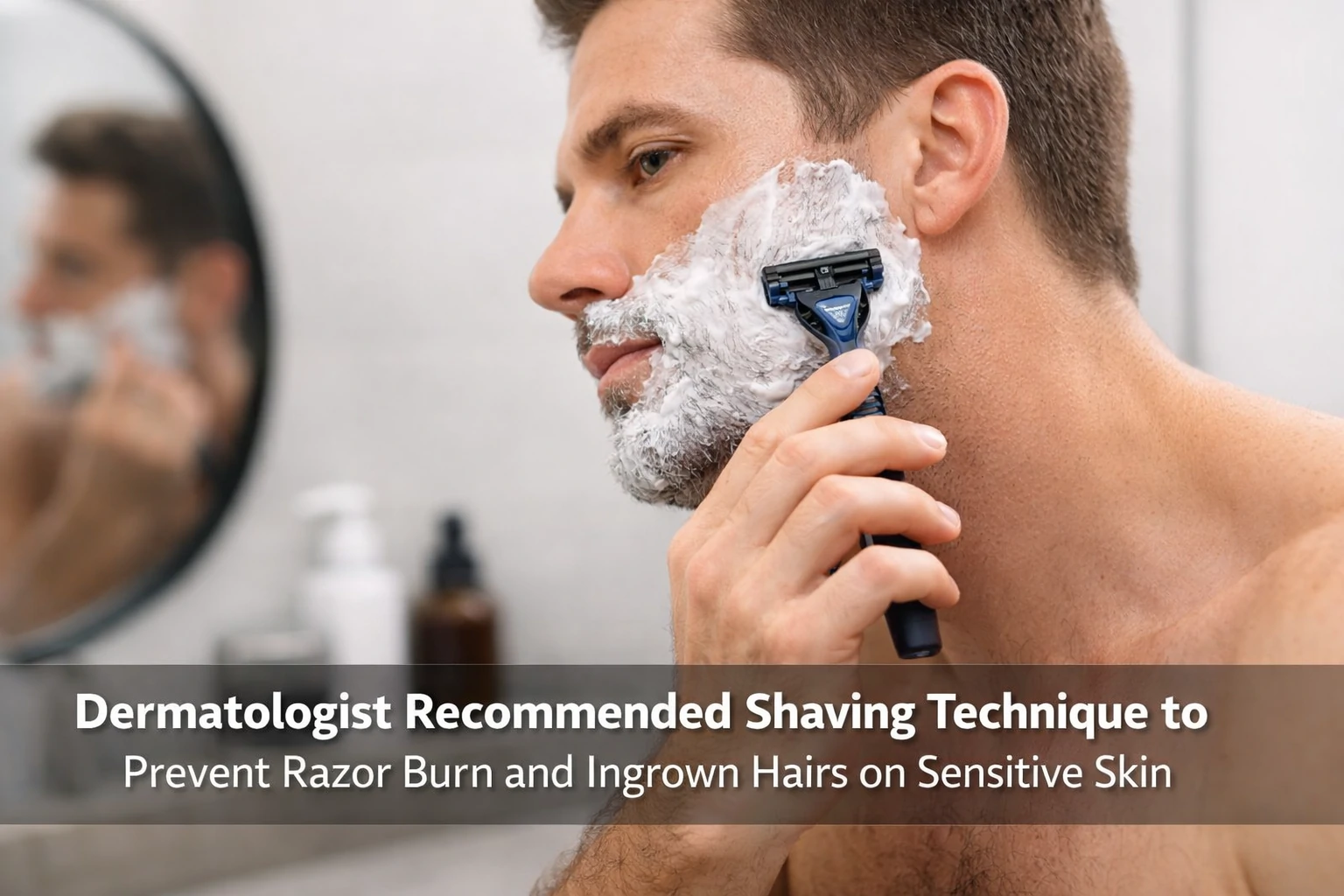
Razor burn and ingrown hairs are common side effects of shaving, especially on sensitive areas like the underarms, legs, and face. The stinging sensation and post-shave redness often signal inflammation caused by tiny injuries to the skin. The good news? These issues are highly preventable with the right pre-shave routine.
Healthy, irritation-free skin starts with protecting the skin barrier. Board-certified dermatologists Dr. Melissa Kanchanapoomi Levin and Dr. Hadley King emphasize the importance of using topical products before shaving. According to Dr. King, shaving without proper occlusive and emollient support leaves skin vulnerable to microtears—what we recognize as razor burn.
For a smoother shave and reduced risk of ingrown hairs, dermatologists recommend these preventive steps:
- Skin Hydration
Softening the hair with water makes it easier to cut cleanly, reducing tugging and irritation. - Gentle Exfoliation
Removing dead skin cells helps keep hair follicles clear and prevents hairs from growing inward. - Proper Lubrication
Using a shave gel or oil minimizes friction between the razor and skin, lowering the risk of inflammation.
When done correctly, shaving doesn’t have to compromise your skin’s health.
Prevent Ingrown Hairs & Razor Burn: 7 Dermatologist Tips
1. Avoid Dry Shaving
Dry shaving may seem quick and convenient, but from a dermatological standpoint, it carries real risks. Board-certified dermatologist Dr. Melissa Kanchanapoomi Levin warns that shaving without water or lubrication can cause microscopic cuts on the skin’s surface. These tiny injuries weaken the skin barrier and create an entry point for bacteria, increasing the risk of folliculitis, ongoing irritation, and excessive dryness.
Without a lubricating medium like shaving cream, gel, or lotion, friction between the razor and skin rises significantly. This added friction not only triggers inflammation and razor burn, but also raises the likelihood of ingrown hairs, as hair shafts are cut unevenly and retract below the skin.
Even if you’re only touching up a small area, always use a moisturizing product before shaving. Proper pre-shave care helps protect the skin barrier, reduces irritation, and ensures smoother, more precise hair removal—without the sting or long-term skin damage.
2. Soften the Hair With a Steamy Shower
A warm shower isn’t just relaxing—it’s a critical step in preparing the skin and hair for shaving. Board-certified dermatologist Dr. Hadley King recommends exposing the skin to warm water for about 10 minutes before shaving. This process softens keratin in both the outer skin layer and the hair shaft, making hair more flexible and easier to cut without painful pulling.
Dr. Melissa Kanchanapoomi Levin agrees, noting that thoroughly wetting the target area with warm water for several minutes can significantly reduce mechanical trauma. From a dermatological standpoint, hydrated hair has a softer structure, allowing the razor to glide with minimal resistance.
This simple step helps to:
- Prevent Abrasion
Reduces the risk of micro-cuts and surface damage to the epidermis. - Minimize Inflammation
Lowers the chance of post-shave redness and irritation.
By ensuring hair is properly softened before shaving, you achieve a closer, cleaner result while protecting the skin barrier and supporting long-term skin health.
3. Exfoliate Before Shaving
In an effective shaving routine, exfoliation should be done after the skin has softened from warm water—but before the razor touches the skin. Built-up dead skin cells are a major cause of clogged follicles, trapping hair beneath the surface and triggering ingrown hairs. By clearing this buildup, you allow hair to grow outward cleanly and be cut more precisely.
Choosing the right exfoliant is essential. Because shaving already places mechanical stress on the skin, harsh physical scrubs are not recommended. Instead, dermatologists favor chemical exfoliants that work without abrasion, such as AHAs and BHAs.
- BHA (Salicylic Acid)
Oil-soluble, allowing it to penetrate pores and dissolve excess sebum that can block hair follicles. - AHA
Works on the skin’s surface to speed up cell turnover and smooth texture.
Products like Sol de Janeiro Bom Dia Bright Clarifying AHA BHA Body Wash combine both acids in a gentle formula, helping keep pores clear while maintaining skin barrier integrity.
4. Use the Right Shaving Cream
After hydration and exfoliation, applying the right shaving cream is a clinically recommended step you shouldn’t skip. Dr. Melissa Kanchanapoomi Levin advises letting shaving cream sit on the skin for one to two minutes before shaving. This brief pause allows conditioning ingredients to soften the hair shaft, making it easier to cut without excess pressure or drag.
It’s important to note that regular bar soap is not an effective substitute. Traditional soaps are designed to remove oil and debris, often stripping the skin of moisture and offering little protection. Shaving creams, on the other hand, are formulated with emollients and humectants that hydrate the skin while creating a protective, lubricating layer.
When used correctly, shaving cream helps to:
- Reduce Friction
Allows the razor to glide smoothly across the skin. - Prevent Microtrauma
Lowers the risk of small cuts that can lead to irritation and razor burn.
This step is essential for preserving the skin barrier and achieving a comfortable, irritation-free shave.
5. Only Shave With a Sharp Blade
The most important investment in shaving isn’t the price of the razor—it’s blade sharpness. Dr. Melissa Kanchanapoomi Levin emphasizes that even disposable razors perform well as long as the blade is sharp. Dull blades force repeated passes over the same area, significantly increasing friction, inflammation, razor burn, and follicle trauma. If you notice hair pulling, resistance, or small nicks, it’s a clear sign the blade needs to be replaced.
Blade care matters just as much as blade choice. Storing razors in a humid bathroom can accelerate oxidation and encourage bacterial growth. Over time, this compromises both hygiene and cutting efficiency.
To keep your shave safe and effective:
- Store in a Dry Place
Keep razors away from constant moisture and steam. - Replace Regularly
Change blades as soon as performance declines.
A clean, sharp blade minimizes unnecessary drag, protects the skin barrier, and reduces the risk of irritation or infection—key factors for consistently smooth, healthy-looking skin.
6. Practice Good Shaving Technique
Shaving results depend heavily on both timing and technique. Board-certified dermatologist Dr. Hadley King recommends shaving toward the end of your shower. By this point, warm water and steam have fully softened the hair’s keratin structure and increased skin elasticity, helping reduce mechanical stress during shaving.
For safer, skin-respecting results, Dr. King highlights several essential technique guidelines:
- Shave With the Grain
Always follow the natural direction of hair growth. This helps prevent hair from being cut too short beneath the skin, a key trigger for ingrown hairs. - Use Light Pressure
Short, gentle strokes are enough. Pressing harder won’t improve closeness—it increases abrasion and irritation. - Post-Shave Care
Rinse with cool water to calm the skin, then gently pat dry with a clean towel. Avoid rubbing.
Practicing controlled, mindful shaving techniques preserves the skin barrier and keeps post-shave irritation to a minimum.
7. Finish With Moisturizer
Shaving doesn’t just remove hair—it can also disrupt the stratum corneum, the skin’s outermost protective layer. When this barrier is compromised, moisture loss follows, often showing up as dryness, burning, or persistent redness. That’s why Dr. Melissa Kanchanapoomi Levin strongly recommends applying a moisturizer immediately after shaving.
Post-shave moisturizing helps restore barrier function and calm stressed skin. Product choice matters: opt for lotions or creams specifically formulated to support barrier repair rather than lightweight body mists. Dermatologists often recommend options like CeraVe Daily Moisturizing Lotion, which contains barrier-strengthening ingredients that aid epidermal recovery and long-term hydration.
Locking in moisture after shaving helps the skin to:
- Speed Up Recovery
Supports repair of skin cells affected by razor friction. - Reduce Inflammation
Soothes sensitive areas and lowers the risk of redness or irritation.
Consistent post-shave moisturizing is essential for keeping skin comfortable, resilient, and visibly healthy.
The Role of Post-Shave Acids (Chemical Prevention)
After shaving, the next challenge is ensuring hair grows back to the surface without obstruction. This is where post-shave acids play a clinically important role. Gentle chemical exfoliants help keep follicle openings clear by dissolving dead skin cells and excess oil—two key triggers of ingrown hairs.
Dermatologists commonly recommend two proven acids for post-shave care:
- Salicylic Acid (BHA)
Oil-soluble, allowing it to penetrate deep into pores and break down sebum buildup that can trap new hair growth. - Glycolic Acid (AHA)
Works on the skin’s surface to smooth texture and support faster epidermal cell turnover.
Well-known formulas like The Ordinary Glycolic Acid 7% Toning Solution and Paula’s Choice Skin Perfecting 2% BHA are frequently recommended by skincare professionals for this purpose.
If skin feels sensitized after shaving, allow a recovery window or perform a patch test before application. Used correctly, post-shave acids help maintain clear follicles, smoother skin, and long-term prevention of painful razor bumps.
When to See a Dermatologist (Safety Awareness)
While most post-shave irritation is temporary, it’s important to recognize when at-home care is no longer enough. What starts as a simple ingrown hair can sometimes progress into a bacterial infection, such as severe folliculitis or cellulitis, which requires professional treatment.
Dermatologists recommend booking an appointment if you notice any of the following:
- Signs of Active Infection
Pus-filled bumps, spreading swelling, or skin that feels warm and tender to the touch. - Persistent or Worsening Pain
Painful razor bumps that don’t improve after several days of proper care. - Lasting Hyperpigmentation or Scarring
Dark marks, thickened scars, or keloids that develop after shaving.
In these cases, a dermatologist may prescribe topical antibiotics, anti-inflammatory treatments, or perform safe, sterile extraction to prevent complications. Being proactive and honest about your skin’s condition helps ensure faster recovery and protects long-term skin health. When in doubt, professional guidance is always the safest choice.
Alternative Hair Removal Methods (Long-Term Solutions)
If traditional shaving continues to trigger irritation or ingrown hairs—even with proper technique—it may be time to consider longer-term alternatives. From a dermatological perspective, reducing repeated mechanical trauma is one of the most effective ways to break the cycle of inflammation and follicle damage.
Several modern hair removal methods are considered gold standards in clinical aesthetics:
- Laser Hair Removal
Uses targeted light energy to disable pigment within the hair follicle, significantly slowing regrowth over time. - IPL (Intense Pulsed Light)
Available in professional clinics and at-home devices, IPL works similarly to laser but with a broader light spectrum to weaken hair follicles. - Electrolysis
The only FDA-recognized permanent hair removal method, ideal for small areas or hair types that don’t respond to laser treatments.
While these options require a higher upfront investment, they offer long-term benefits for skin texture and comfort. By minimizing the need for frequent shaving, you allow the skin barrier to fully recover—reducing chronic irritation and supporting healthier, smoother skin over time.
Natural Soothing Ingredients (Honest Alternatives)
For highly reactive skin, switching to natural, research-backed soothing ingredients can be a smart preventive option. This approach focuses on calming inflammation and supporting the skin barrier without exposing freshly shaved skin to harsh synthetic actives. That said, it’s important to be realistic—“natural” doesn’t automatically mean irritation-free for everyone.
Dermatology-supported botanical ingredients known to reduce post-shave inflammation include:
- Aloe Vera
Rich in polysaccharides that deliver instant hydration while cooling irritated skin. - Colloidal Oatmeal
Well-studied for its anti-inflammatory properties, helping relieve itching and redness caused by razor burn. - Niacinamide (Vitamin B3)
Naturally strengthens the skin barrier and helps even out post-irritation skin tone, despite being commonly used in clinical formulas.
Minimalist products such as Aloe Propolis Soothing Gel can calm the epidermis without clogging pores. Always choose fragrance-free and alcohol-free formulas, as added scent or denatured alcohol may worsen sensitivity. When used thoughtfully, these ingredients support faster, safer skin recovery after shaving.
Final Thoughts
Achieving a smooth shave without irritation comes down to the right balance of technique, tools, and targeted skincare. Proper preparation—starting with warm water hydration and chemical exfoliation using AHAs or BHAs—helps reduce the risk of ingrown hairs before shaving even begins. Protecting the skin with a nourishing shaving cream and using a sharp, clean blade are dermatology-backed standards to prevent microtrauma and razor burn.
Equally important is post-shave recovery. Restoring moisture with barrier-supporting moisturizers, such as ceramide-based formulas or soothing ingredients like aloe vera, helps repair the skin and maintain long-term resilience. If traditional shaving continues to cause chronic irritation, long-term options like laser hair removal or a professional dermatology consultation may be worth considering.
With a disciplined, skin-first approach, hair removal doesn’t have to compromise skin health. The goal isn’t just smooth skin—but strong, balanced, and irritation-free skin over time.
You might also like
 Acne
Acne Anti-Aging
 Business
 Digital Marketing
 Economics
 Exfoliation
 Hair Removal
 Movies
 Personal Finance
 Websites