8 Best Ways to Remove Underarm Hair at Home (Expert Guide)
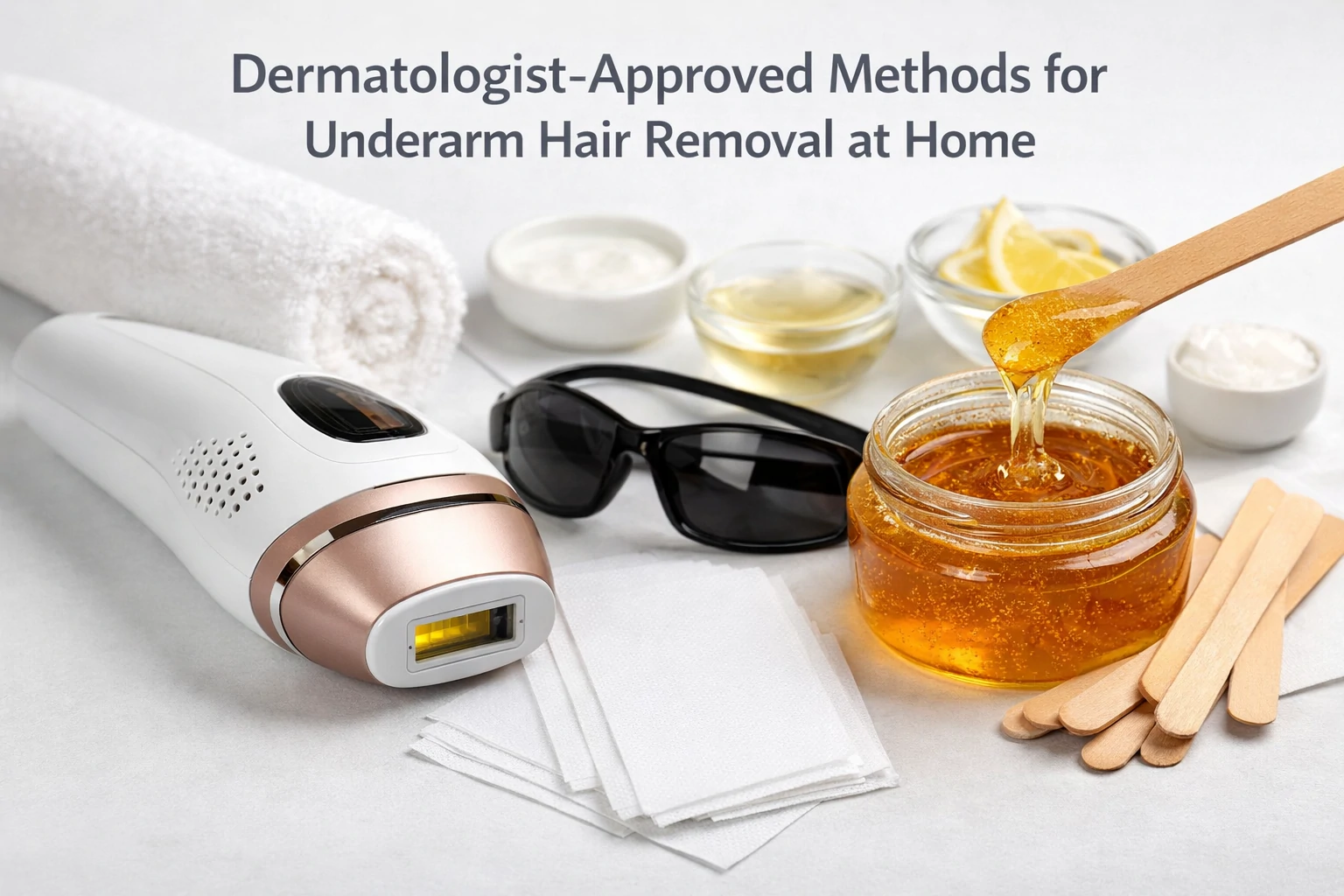
Removing underarm hair comes with unique anatomical challenges. Limited visibility, curved contours, and thicker terminal hair mean this area requires more precision than it seems. Clinically, however, the underarm has one advantage: because it’s usually covered, post-procedure irritation is easier to manage than on exposed areas like the face.
According to board-certified dermatologist Dr. Marisa Garshick, while underarms can be tricky for at-home methods such as waxing, the skin in this area tends to recover more flexibly. To achieve smooth results without compromising the skin barrier, hair removal methods should always be tailored to individual skin sensitivity.
Based on expert insights from Dr. Marisa Garshick, Dr. Loretta Ciraldo, and aesthetic specialist Ali Tobia, there are three core factors to consider:
- Choosing the Right Tools for Underarm Contours: Select tools that adapt well to the natural curves of the underarm to reduce uneven results.
- Protecting Underarm Skin Health: Prioritize methods that minimize the risk of folliculitis, ingrown hairs, and mechanical irritation.
- Considering Hair Growth Cycles for Lasting Results: Understanding hair growth phases helps improve effectiveness and prolong smoothness.
Below, we break down the safest and most effective underarm hair removal methods you can confidently do at home.
1. Laser Hair Removal for Underarms
Home laser hair removal devices now allow users to achieve semi-permanent results with a high level of comfort. According to Dr. Marisa Garshick, this technology works by targeting pigment within the hair follicle to slow regrowth. As a result, laser hair removal is most effective on darker hair. Extra caution is advised for deeper skin tones to reduce the risk of discoloration.
Aesthetic expert Ali Tobia notes that laser efficacy decreases on very light or fine hair due to limited pigment detection. Even so, Dr. Garshick often recommends laser hair removal for individuals prone to ingrown hairs or razor-related irritation. It’s important to understand that at-home devices use lower energy levels for safety, which means consistent use is required for visible results compared to in-clinic treatments.
Why Laser Hair Removal Is a Top Choice
- Clinically Tested Safety
Devices like the Tria Hair Removal Laser 4X are FDA-cleared and designed specifically for home use. - Smart Skin-Tone Technology
Tools such as the Braun Silk-Expert Pro 5 feature automatic skin tone sensors to minimize tissue stress. - Long-Term Efficiency
While the upfront cost is higher, results tend to last significantly longer than traditional hair removal methods.
2. IPL Hair Removal for Underarms
Intense Pulsed Light (IPL) uses broad-spectrum light to generate controlled heat within the hair follicle. According to Dr. Marisa Garshick, this energy disrupts hair growth while offering an added benefit: subtle skin brightening through photorejuvenation.
Although often grouped with laser hair removal, Ali Tobia highlights a key difference—IPL relies on multiple wavelengths rather than a single, targeted beam. Treatment sessions for underarms are usually quick, but IPL typically requires more frequent use than laser to achieve optimal, long-term results.
Key Safety Considerations for IPL Hair Removal
- Pigment Contrast Matters
Dr. Garshick notes that IPL performs best on lighter skin tones with darker hair, where light absorption is more precise. - Caution for Deeper Skin Tones
Similar to laser, IPL may increase the risk of irritation or uneven pigmentation on melanin-rich skin or very light hair. - Device Investment
Tools like Kenzzi IPL devices offer ergonomic, full-body versatility, though they come at a higher upfront cost.
This method is ideal if your goal is smoother underarms with a visibly brighter skin appearance, achieved gradually and safely at home.
3. Waxing for Underarm Hair Removal
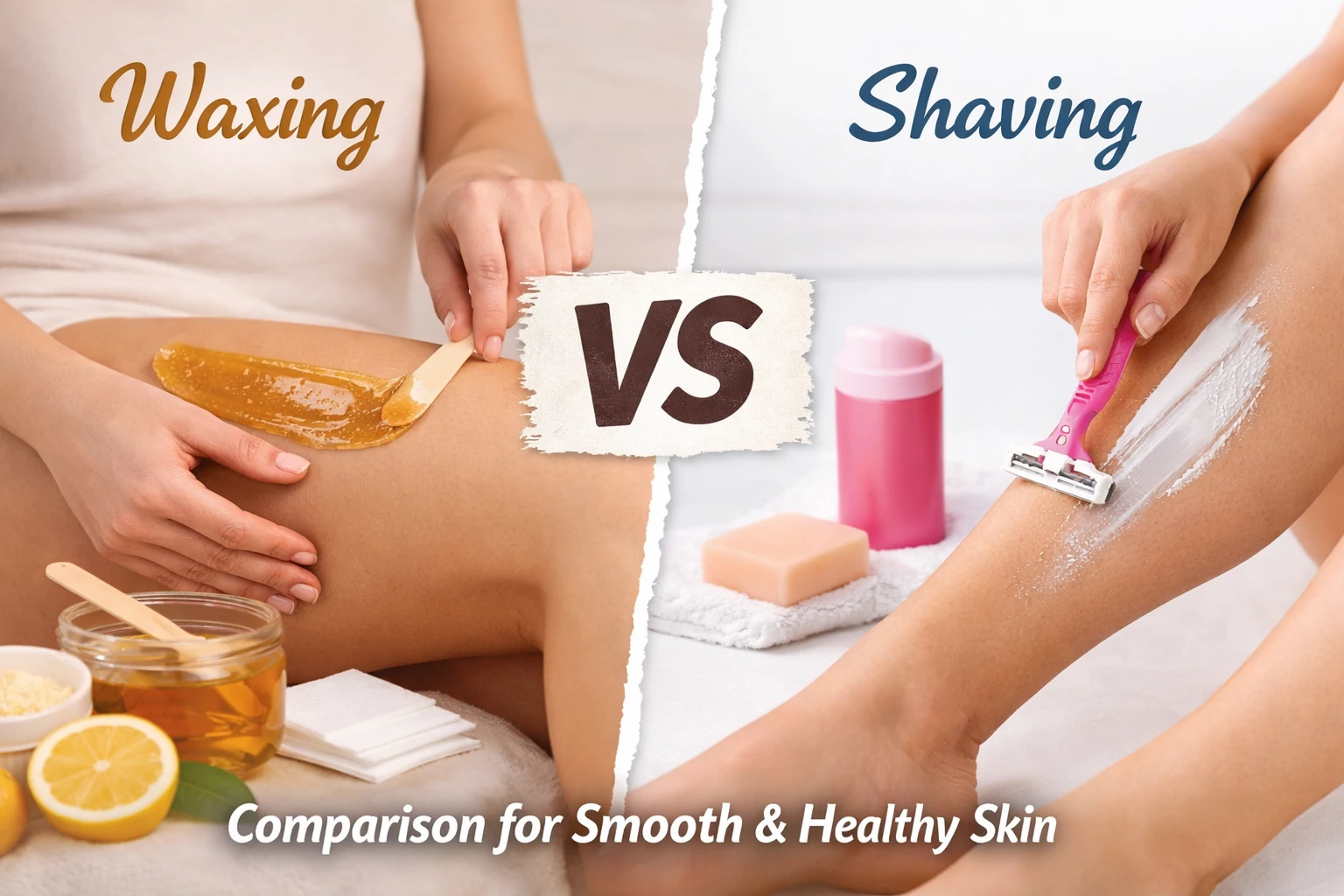
If you want completely smooth underarms with no leftover stubble, waxing is one of the most effective at-home options. Dr. Marisa Garshick explains that while waxing can be uncomfortable, it removes hair from the root, delivering longer-lasting results than shaving. One key advantage is versatility—waxing works well across all skin tones and hair types.
From a physiological standpoint, regular waxing may gradually soften hair regrowth. Ali Tobia notes that with consistent sessions, hair often grows back finer and less dense, which can reduce maintenance over time. That said, Dr. Loretta Ciraldo emphasizes that waxing is not permanent like light-based treatments and requires ongoing upkeep.
What to Know Before Waxing Your Underarms
- Minimum Hair Length
Hair should be around 0.5 cm long for the wax to grip effectively. - Pain Tolerance
Expect brief discomfort during removal, especially in sensitive skin. - Product Convenience
Ready-to-use options like the Flamingo Wax Kit eliminate heating steps, reducing burn risk and improving hygiene.
4. Sugaring for Underarm Hair Removal
Sugaring is a traditional hair removal method often seen as a gentler, more natural alternative to waxing. It removes hair from the root using a paste made from sugar, water, and lemon juice. Because the ingredients are simple and organic, sugaring is especially appealing for at-home care enthusiasts.
From a dermatological perspective, Dr. Marisa Garshick considers sugaring an excellent option for sensitive skin. The paste adheres more to hair than living skin cells, which helps reduce mechanical trauma and post-treatment irritation compared to traditional wax. Dr. Loretta Ciraldo supports this, noting that sugaring is generally safer across various skin types due to its selective grip.
Key Considerations Before Choosing Sugaring
- Paste Consistency Matters
According to Ali Tobia, achieving the ideal texture at home can be challenging for beginners and may affect results. - Application Technique
The paste should be applied at a comfortably warm temperature, then removed with controlled motion to lift hair effectively. - Ease of Use
Ready-made sugaring kits offer standardized formulas and eliminate guesswork, making them a practical option for home use.
5. Sugar Waxing for Underarm Hair Removal
Often mistaken for traditional sugaring, sugar waxing is actually a hybrid method that combines classic waxing techniques with naturally derived ingredients. Instead of a thick paste, sugar waxing uses a gel-based formula—sometimes infused with honey—that typically requires brief warming to reach the right consistency.
Technically, sugar wax offers stronger adhesion to the hair shaft, allowing it to remove hair cleanly from the root. At the same time, it retains one of its biggest advantages: easy cleanup. Any residue left on the skin can be rinsed away with plain water, without the need for oil-based removers or harsh cleansers.
Who Should Consider Sugar Waxing
- Reactive or Easily Irritated Skin
The natural formulation is generally gentler and less likely to trigger redness or inflammation. - Those Who Value Convenience
Faster, cleaner post-treatment cleanup makes this method more practical for home use. - Experienced Waxing Users
Sugar waxing offers a smooth transition from synthetic waxes to more skin-friendly, biocompatible alternatives.
6. Shaving Underarm Hair Safely
Shaving remains the most accessible and time-efficient way to remove underarm hair. Clinically, however, it only cuts hair at the skin’s surface without affecting the follicle. According to Ali Tobia, this is why regrowth feels faster—often within one to two days.
Tool quality plays a major role in post-shave skin health. Tobia emphasizes that dull blades significantly increase the risk of micro-cuts, irritation, and inflammation. Choosing the right razor isn’t optional—it’s essential for protecting the skin barrier.
Dr. Marisa Garshick highlights several important considerations:
When Shaving May Not Be Ideal
- High Risk of Ingrown Hair
Shaving is not recommended for individuals prone to ingrown hairs or folliculitis.
Better Options for Sensitive Skin
- Single-Blade Razors
For those who frequently experience razor burn, single-blade razors reduce friction and skin trauma.
Professional-grade options like the Oui the People rose gold razor combine precise engineering with a gentle glide, making shaving safer and more skin-conscious when done correctly.
7. Depilatory Creams for Underarm Hair Removal
Depilatory creams are a convenient alternative if you want to avoid razor cuts or the discomfort of waxing. According to Dr. Marisa Garshick, this method can be especially helpful for individuals prone to ingrown hairs who are not yet ready for laser treatments.
From a biochemical standpoint, Ali Tobia explains that depilatory creams work by breaking down keratin bonds in the hair shaft at the skin’s surface. While effective, this chemical reaction makes proper use essential to avoid unwanted side effects.
Safety Considerations for Depilatory Creams
- Potential Skin Reactions
Temporary redness, itching, or a mild burning sensation may occur, particularly on sensitive skin. - Risk of Contact Irritation
Dr. Loretta Ciraldo advises against rubbing the cream into the skin, as excessive friction can increase chemical penetration and irritation. - Patch Testing Is Essential
For medical safety, always perform a patch test on a small area and wait 72 hours to monitor for delayed reactions.
Formulas designed for sensitive skin, such as Nad’s Sensitive Hair Removal Cream, may offer a gentler experience while reducing the risk of irritation when used correctly.
8. Epilating for Underarm Hair Removal
Epilators offer waxing-like efficiency by gripping and removing multiple hairs from the root at once. Dr. Marisa Garshick explains that, unlike shaving, epilating reaches into the follicle, which significantly slows hair regrowth and keeps underarms smoother for longer.
One major advantage over waxing is flexibility. Ali Tobia notes that epilators work effectively even on very short hair, so you don’t need to wait for visible regrowth before treating the area again. This makes epilating a practical option for consistent at-home maintenance.
Clinical Considerations Before Using an Epilator
- Pain Threshold
The sensation can feel intense, especially for first-time users or sensitive skin. - Dermatological Risks
Improper technique may increase the risk of ingrown hairs or follicular irritation. - Preventive Skin Prep
Tobia recommends gentle exfoliation beforehand to remove dead skin cells, allowing the device to grip hair more precisely and reduce surface friction.
Epilating is best suited for those seeking long-lasting results with the convenience of an electronic device, and who are comfortable with a brief learning curve.
Post-Hair Removal Care: Preventing Irritation and Dark Underarms
After any underarm hair removal procedure, the skin enters a sensitive recovery phase. Without proper care, irritation or post-inflammatory hyperpigmentation—commonly called “dark underarms”—can develop. Dr. Marisa Garshick emphasizes protecting the skin barrier immediately after treatment to support healing.
Essential Steps for Healthy Underarms
- Soothing Hydration
Apply moisturizers containing pure Aloe Vera or ceramides to calm redness and restore skin comfort. - Avoid Irritants
Dr. Loretta Ciraldo advises postponing deodorants with alcohol or strong fragrances for at least 24 hours to prevent stinging. - Wear Loose Clothing
Cotton fabrics that absorb sweat help reduce friction on freshly treated skin.
For persistent sensitivity, products like CeraVe Healing Ointment lock in moisture and protect against bacterial exposure. Consistent post-care not only maintains smooth texture but also helps underarms appear naturally brighter over time.
How to Prevent and Treat Ingrown Underarm Hair
Ingrown hairs often cause red, inflamed bumps when the hair fails to break through the skin and curls back into the follicle. Dr. Marisa Garshick explains that this typically happens when dead skin cells accumulate, blocking the hair’s exit path.
Dermatologists recommend a combination of preventive and corrective strategies:
Effective Steps to Manage Ingrown Hair
- Regular Chemical Exfoliation
Dr. Loretta Ciraldo suggests using BHA (Salicylic Acid) or Lactic Acid to gently dissolve keratin plugs without harsh scrubbing. - Proper Shaving Technique
Keep skin moisturized and use a lubricating gel. Always shave in the direction of hair growth to minimize follicle trauma. - Intensive Hydration
Products like First Aid Beauty KP Bump Eraser smooth rough underarm texture and support skin barrier health.
Consistent exfoliation not only prevents bumps but also gradually brightens the underarm area for a smoother, more even appearance.
Final Thoughts
Choosing the right underarm hair removal method is a personal decision that balances efficiency, cost, and skin health. Experts like Dr. Marisa Garshick and Dr. Loretta Ciraldo highlight that lasers and IPL offer long-term results, while waxing and sugaring provide instant, root-level smoothness. Shaving remains the most practical option if done with proper tools.
Success at home depends on maintaining a healthy skin barrier. Regular chemical exfoliation helps prevent ingrown hairs, and soothing hydration post-treatment supports recovery and reduces irritation. By understanding your skin type and using clinically tested products, you can achieve underarms that are smooth, bright, and irritation-free—safely and sustainably.
You might also like
 Acne
Acne Anti-Aging
 Business
 Digital Marketing
 Economics
 Exfoliation
 Hair Removal
 Movies
 Personal Finance
 Websites