How Often to Wax Face, Body & Bikini: Expert-Approved Guide
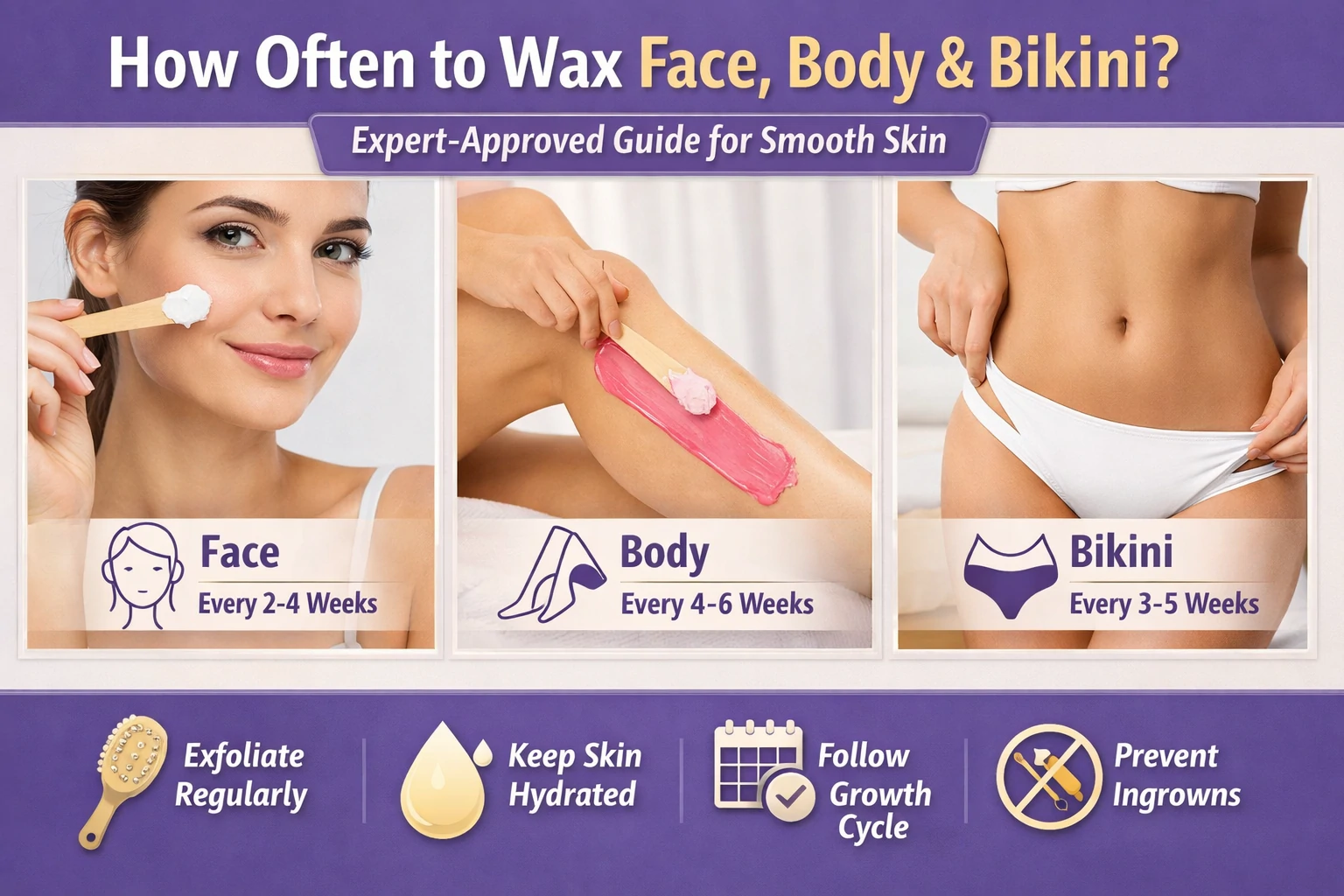
Waxing isn’t just about showing up at the salon. The best results come from understanding how your hair grows and how your skin reacts. Hormonal shifts can affect pain sensitivity, while hair length plays a crucial role in allowing wax to grip the root effectively. When timing is right, waxing feels more comfortable and lasts longer.
If you’re new to Brazilian waxing or refining your body care routine, frequency matters. Dermatologists and licensed estheticians agree that each area follows a different growth cycle and should be treated accordingly:
- Face: Facial hair grows faster, so regular waxing is often needed to maintain smooth skin.
- Body (legs and arms): These areas have longer resting phases, allowing more time between sessions.
- Bikini area: Proper timing is essential to reduce discomfort and avoid irritation.
This science-backed approach removes the guesswork from waxing schedules. With the right rhythm, you can achieve smoother results, healthier skin, and greater confidence at every appointment.
How Often to Wax
From a physiological perspective, everyone’s hair growth cycle is different. However, most dermatologists agree that the ideal waxing interval falls between three to eight weeks. The key factor is hair length. Hair needs to be at least around 6 millimeters long so the wax can properly grip and remove it from the root.
It’s also normal to notice new hair growth just days after your first waxing session. This doesn’t mean the treatment failed. Hair grows in different phases, and some strands may still be below the skin’s surface during your appointment, only becoming visible afterward.
With consistent waxing, most people experience noticeable improvements:
- Texture changes: Regrowth becomes finer and softer over time.
- Slower growth: Hair cycles gradually slow with regular sessions.
For beginners, experts recommend waxing every two to four weeks at the start to help synchronize hair growth. Once cycles are aligned, you can adjust the frequency based on comfort level, hair visibility, and personal budget—without compromising skin health or results.
1. Face
To keep facial hair looking clean and polished, experts recommend waxing every two to three weeks. According to Melanie Coba from European Wax Center, hair on the brows, upper lip, and chin naturally grows faster than hair on most body areas due to active follicles and hormonal influence.
Choosing the right wax formula is essential because facial skin is more delicate. Licensed esthetician Nikki Babian recommends paraffin-based strip wax for the face, as it’s specifically designed for sensitive areas. From a professional standpoint, this type of wax offers clear advantages:
- Controlled adhesion: It grips hair without aggressively sticking to the skin, helping reduce irritation and post-wax redness.
- Precision on fine hair: Highly effective at removing peach fuzz around the mouth, leaving skin smoother and makeup-ready.
Sticking to this schedule supports both appearance and skin health. When facial waxing is done at the right interval with the right technique, results look refined, feel comfortable, and maintain the integrity of the skin barrier.
2. Underarms
Underarm hair tends to become visible faster than hair in many other areas. To keep the skin consistently smooth, experts recommend waxing every two weeks. Sticking to this schedule helps align hair growth cycles, making each session more effective and less uncomfortable over time.
Because the underarm area is sensitive and rich in sweat glands, wax selection plays a major role in comfort. Licensed esthetician Nikki Babian advises using hard wax for underarms. Unlike strip wax, hard wax hardens around the hair and lifts it without sticking to the skin, which significantly reduces pain and irritation.
Before booking your appointment, it’s worth paying attention to a few essentials:
- Salon check: Make sure your salon uses high-quality hard wax for underarm treatments.
- Consistency matters: Regular waxing gradually weakens the hair root and improves results.
With the right technique and timing, underarm waxing can feel cleaner, gentler, and far more comfortable for long-term skin health.
3. Bikini Area
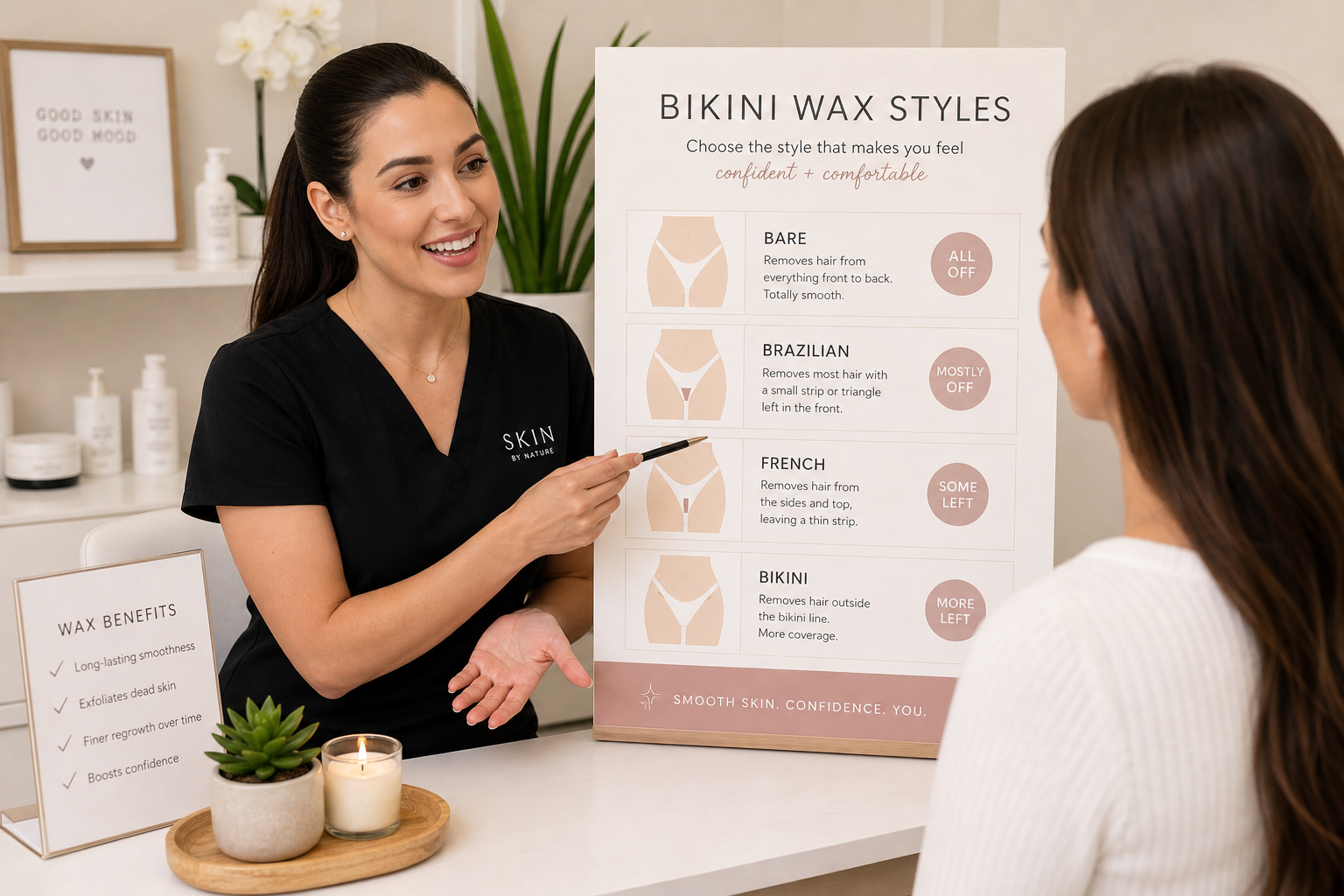
Waxing frequency for the bikini area depends on the level of hair removal you prefer. If you’re maintaining a clean bikini line for beach activities, experts recommend a light bikini wax every two weeks to keep regrowth neat and manageable.
For more complete services such as a full bikini or Brazilian wax, a three to four week interval is ideal. This timing allows hair to reach the optimal length, so wax can remove it cleanly from the root without breakage, which is key for long-lasting results and reduced discomfort.
According to Melanie Coba, sticking to the right schedule delivers clear long-term benefits:
- Reduced density: Hair grows back more sparsely over time.
- Softer regrowth: New hair feels finer and less coarse.
Many clients notice improved skin comfort and smoother results when they follow a consistent waxing rhythm. With regular care, bikini waxing becomes more effective, less painful, and easier to maintain over time.
4. Legs
For legs and other large body areas, experts recommend waxing every three to four weeks. This interval gives hair enough time to complete its growth phase and reach the ideal length for clean, effective removal from the root.
To simplify your routine, professionals often suggest syncing your appointments. If you regularly get a Brazilian wax, scheduling your leg waxing on the same day can be a smart move. This approach offers several practical benefits:
- Time efficiency: Fewer salon visits throughout the month.
- Better cycle tracking: Easier to monitor overall body hair growth patterns.
- More balanced results: Smooth, even skin across all treated areas at once.
With consistent timing, leg waxing becomes noticeably faster and more comfortable. Over time, hair roots weaken naturally, making each session smoother while helping your skin stay soft and polished for longer.
What Is a Normal Skin Reaction aftrer Waxing?
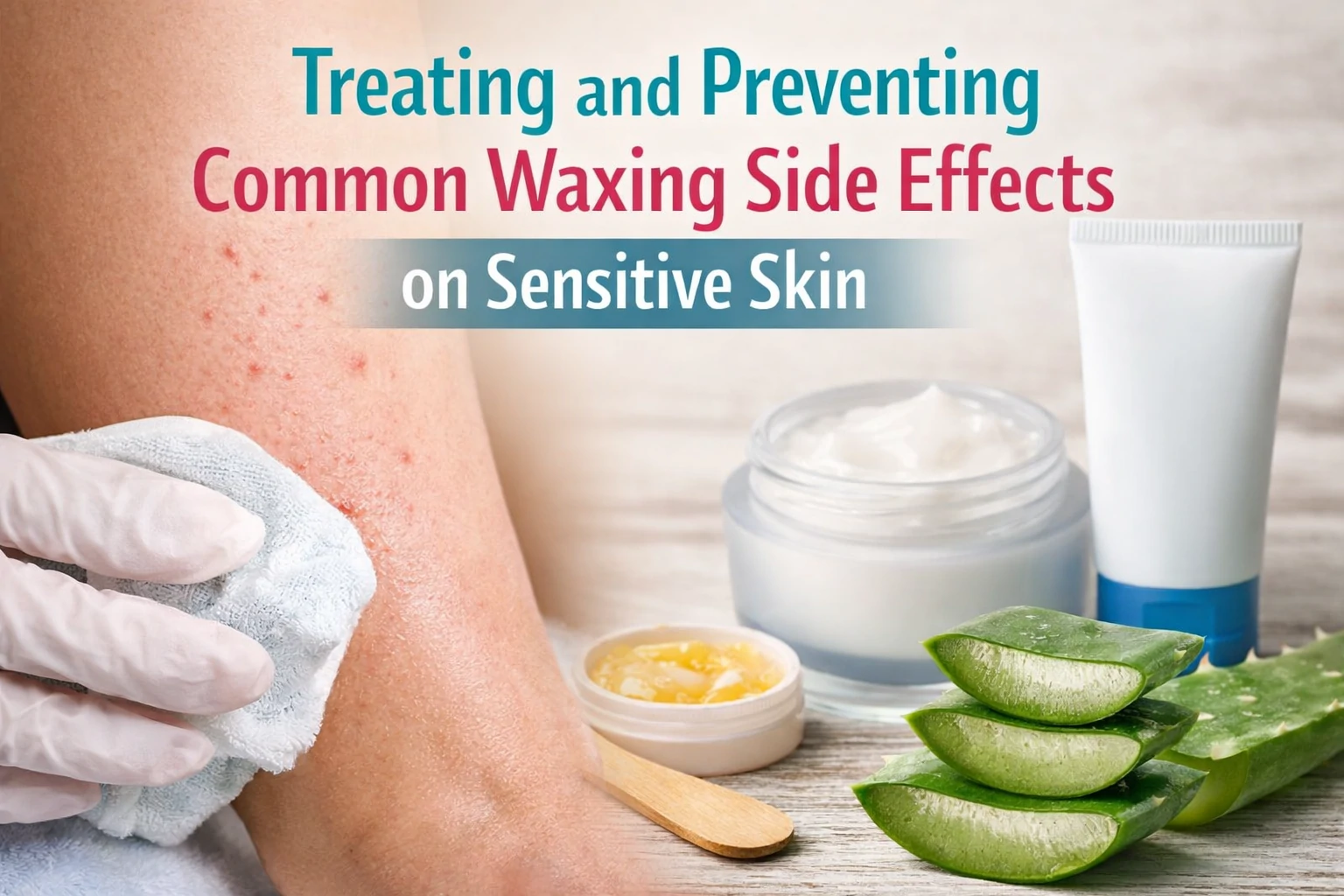
Redness after waxing is a completely normal skin response and usually nothing to worry about. The intensity varies by individual skin sensitivity. Some people notice minimal redness, while others may experience more visible flushing immediately after treatment.
Irritation and heightened sensitivity are more common during your first waxing session or after a long break. From a dermatological standpoint, this is a temporary reaction caused by mild trauma to the hair follicles and typically subsides on its own within a few hours. For very reactive skin types, mild discomfort may last slightly longer.
Pay close attention to how your skin recovers:
- Normal response: Redness fades within a few hours, up to 24 hours.
- Warning sign: Irritation lasting longer than two days may indicate a sensitivity or allergic reaction to the wax formula.
If symptoms persist, identify the type of wax used and consult a dermatologist. Professional evaluation helps ensure safe treatment and prevents ongoing skin irritation.
Post-Waxing Care Strategies for Healthy Skin
Post-wax care plays a critical role in protecting the skin barrier and preventing breakouts or ingrown hairs. To avoid clogged pores, it’s best to skip heavy or overly rich lotions immediately after waxing, as freshly treated skin is more prone to congestion.
Board-certified dermatologist Dr. Michele Farber recommends choosing moisturizers that support healing without irritating sensitive skin. The most suitable products share these characteristics:
- Non-comedogenic formulas: Help keep pores clear and breathable.
- Fragrance-free: Reduce the risk of contact dermatitis on sensitized skin.
- Lightweight texture: Hydrates effectively without stressing the dermis.
If redness or irritation lingers, pure aloe vera gel can provide natural cooling and soothing benefits. For more persistent inflammation, a low-strength hydrocortisone cream may help calm the skin when used sparingly.
With the right aftercare approach, skin recovers faster, stays balanced, and remains smooth long after your waxing session.
Preparation Is Key: How to Prep Your Skin for Success
A successful waxing session starts well before you step into the treatment room. Proper skin preparation can significantly reduce discomfort and lower the risk of ingrown hairs or irritation.
Experts consistently recommend gentle exfoliation 24 to 48 hours before your appointment. From a dermatological perspective, exfoliation removes dead skin cells that block hair follicles, allowing wax to lift hair cleanly from the root instead of causing breakage.
There are a few essential prep steps to keep in mind:
- Skin hydration: Keep skin well moisturized in the days leading up to waxing, but avoid oil-based lotions on the day of your appointment so wax can adhere properly.
- Clean surface: Make sure the area is free from sweat, residue, or product buildup to reduce the risk of post-wax irritation or bacterial issues.
- Ideal hair length: Hair should be at least 6 millimeters long for optimal grip and effective removal.
When your skin is properly prepared, waxing becomes more efficient, less painful, and recovery is noticeably faster—leaving skin smoother and healthier overall.
Waxing and Your Cycle: Why Timing Matters
Many people don’t realize that pain tolerance naturally shifts throughout the menstrual cycle. From a physiological standpoint, hormonal changes leading up to your period can heighten nerve sensitivity, making waxing feel noticeably more uncomfortable.
Dermatology experts generally advise avoiding waxing three to five days before and during menstruation. During this phase, increased blood flow—especially in the pelvic area—can intensify pain and raise the risk of swelling or bruising on delicate skin.
For a more comfortable experience, timing matters:
- Post-period window: The ideal time to wax is about one week after your period ends, when the body’s sensitivity is at its lowest.
- Internal hydration: Staying well hydrated helps maintain skin elasticity and resilience.
- Pain management: If needed, a mild pain reliever taken about 30 minutes before your session may help reduce discomfort.
Understanding your body’s natural rhythm is part of smart, honest self-care. With better timing, waxing can be smoother, gentler, and far less stressful for your skin.
The Golden Rule: The Ideal Hair Length for Waxing
In waxing, one rule matters more than anything else: hair length determines the result. For wax to grip properly and remove hair from the root, strands should be at least 6 millimeters long—about the size of a grain of rice.
If hair is too short, wax can’t adhere well, leading to patchy results and leftover stubble. On the other hand, letting hair grow too long—over 1.5 centimeters—raises the risk of hair snapping above the skin. This not only makes waxing more painful but can also increase irritation and sensitivity.
Keep these essentials in mind:
- Even length: Uniform hair length across the area ensures cleaner, more efficient removal.
- Proper timing: Reaching the ideal length usually takes two to three weeks after shaving.
- Avoid shaving between sessions: Shaving disrupts the natural growth cycle and reduces waxing effectiveness.
Following this guideline isn’t just a salon preference—it’s a practical way to protect your skin, minimize discomfort, and get smoother, longer-lasting waxing results.
How to Prevent and Treat Ingrown Hairs
Ingrown hairs, medically known as pseudofolliculitis barbae, are a common post-wax concern. They occur when new hair fails to break through the skin and curls back into the follicle, causing inflammation, redness, or small bumps.
Prevention starts with controlled exfoliation. Keeping dead skin cells from building up allows hair to grow outward properly. Skincare experts recommend introducing chemical exfoliants such as salicylic acid or glycolic acid about two days after waxing. These ingredients gently dissolve dead skin without aggressive scrubbing, which can irritate freshly waxed skin.
For effective at-home care, focus on the essentials:
- Chemical exfoliation: Use AHA or BHA-based products to keep follicles clear.
- Lightweight hydration: Choose non-occlusive moisturizers to maintain skin flexibility without clogging pores.
- Hands-off approach: Avoid picking or extracting trapped hairs with non-sterile tools, as this increases infection risk.
If ingrown hairs become painful or persistent, consult a dermatologist. Early professional care helps prevent scarring and keeps skin healthy long-term.
Choosing the Right Wax: Hard Wax vs. Soft Wax
In professional skincare, choosing the right wax isn’t a matter of preference—it’s a technical decision based on skin sensitivity and treatment area. Understanding the difference between hard wax and soft wax helps reduce skin trauma and improves overall results.
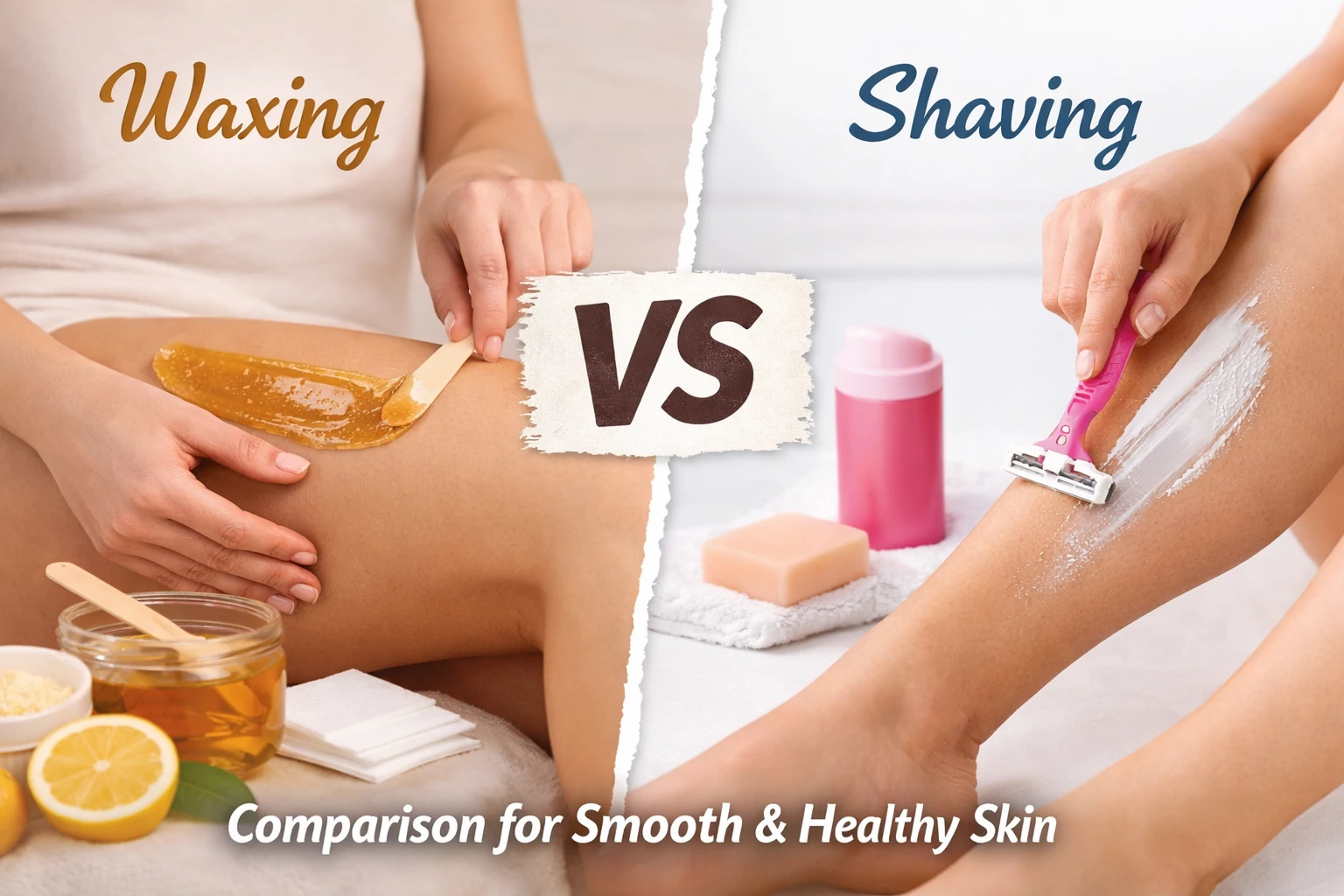
Hard wax is widely considered the gold standard for sensitive areas such as the face, underarms, and bikini area. It hardens as it cools and binds only to the hair, not the surrounding skin. This targeted grip significantly minimizes pain, redness, and post-wax irritation, making it ideal for thicker hair and delicate skin.
Soft wax, also known as strip wax, works best on larger areas like legs, arms, and the back. It’s applied in a thin layer and removed with cloth or paper strips. This method effectively removes fine hair while also lifting dead skin cells, leaving the skin exceptionally smooth.
Here’s a quick comparison:
- Hard wax: Best for sensitive areas, coarse hair, and reduced irritation.
- Soft wax: Ideal for large areas and added exfoliation benefits.
Knowing which wax suits your skin allows for better communication with your esthetician—and a more comfortable, results-driven waxing experience.
Final Thoughts
Long-lasting smooth skin isn’t just about hair removal—it’s the result of understanding hair biology and staying consistent with proper care. Following the ideal hair growth rhythm, typically every three to eight weeks, while factoring in hormonal cycles can significantly reduce discomfort and improve hair texture over time.
Proper preparation, including gentle exfoliation and choosing the right wax type, plays a major role. Hard wax for sensitive areas has been proven to better protect the skin barrier and minimize irritation. Post-wax care is just as important. Using non-comedogenic, fragrance-free moisturizers helps prevent redness, breakouts, and ingrown hairs while supporting faster recovery.
Ultimately, successful waxing comes down to consistency and honest communication with your esthetician or dermatologist. When timing, technique, and aftercare align, waxing becomes safer, more comfortable, and delivers cleaner, longer-lasting results that truly support skin health.
You might also like

 Acne
Acne Anti-Aging
 Business
 Digital Marketing
 Economics
 Exfoliation
 Hair Removal
 Movies
 Personal Finance
 Websites