How to Get Rid of Acne Around the Mouth Fast, Experts Say
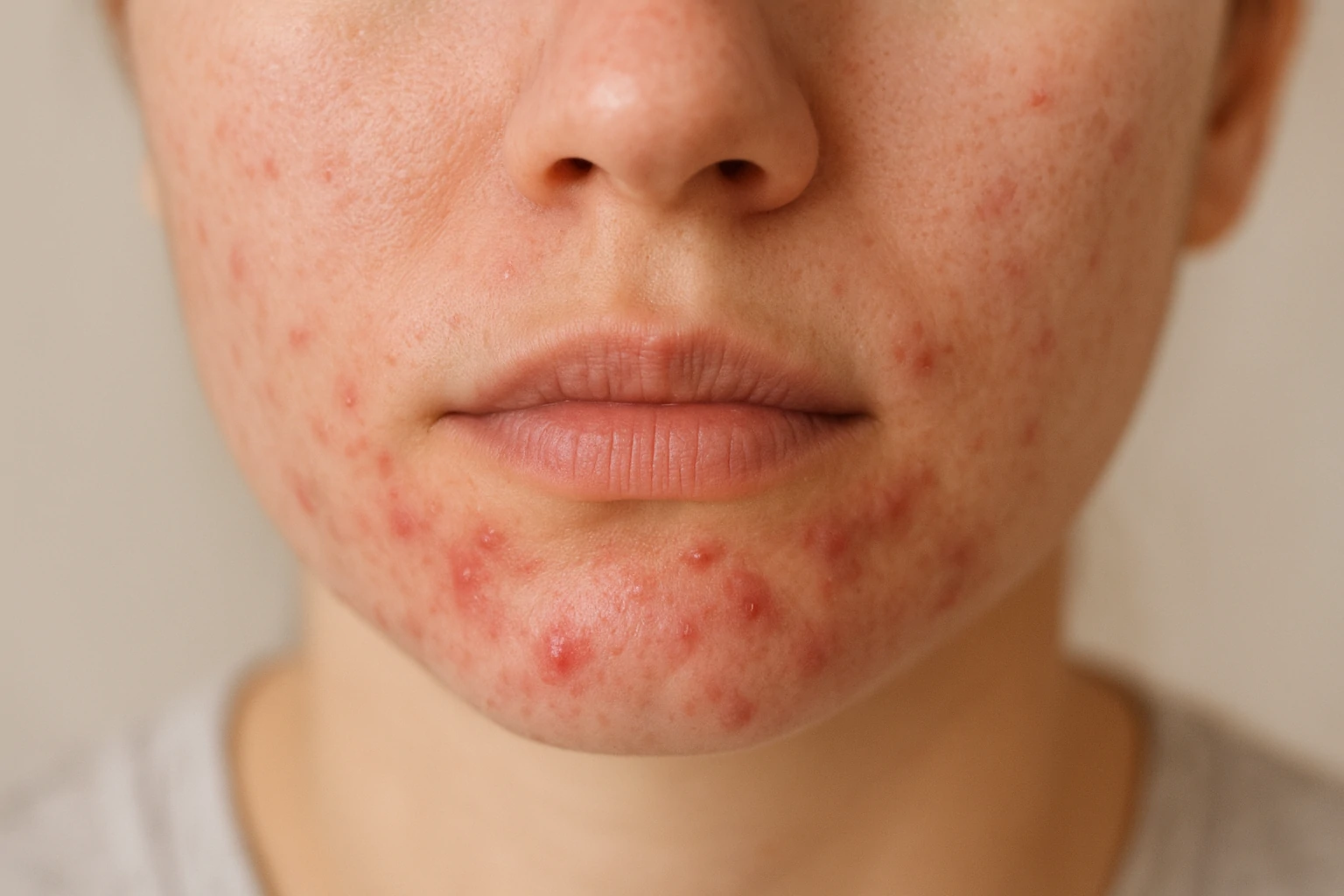
Acne around the mouth can be stubborn and painful—especially since it’s hard to hide. Dermatologists explain that this area is easily clogged due to friction from masks, leftover makeup, and excess oil buildup. Touching your face, using oily lip balms, or toothpaste with irritating ingredients can also worsen breakouts.
According to Dr. Andrea Williams, a board-certified dermatologist, treating mouth acne starts with a gentle but consistent routine:
- Wash your face twice daily using a sulfate-free cleanser.
- Apply acne-fighting ingredients like salicylic acid or benzoyl peroxide to reduce inflammation.
- Avoid heavy, pore-clogging (comedogenic) products near your mouth.
- Keep skin hydrated with a lightweight, non-comedogenic moisturizer.
Most importantly, resist the urge to pop pimples—it can lead to scarring. With consistent care and good skin hygiene, acne around the mouth will gradually fade and become less frequent.
What Is Acne Around the Mouth?
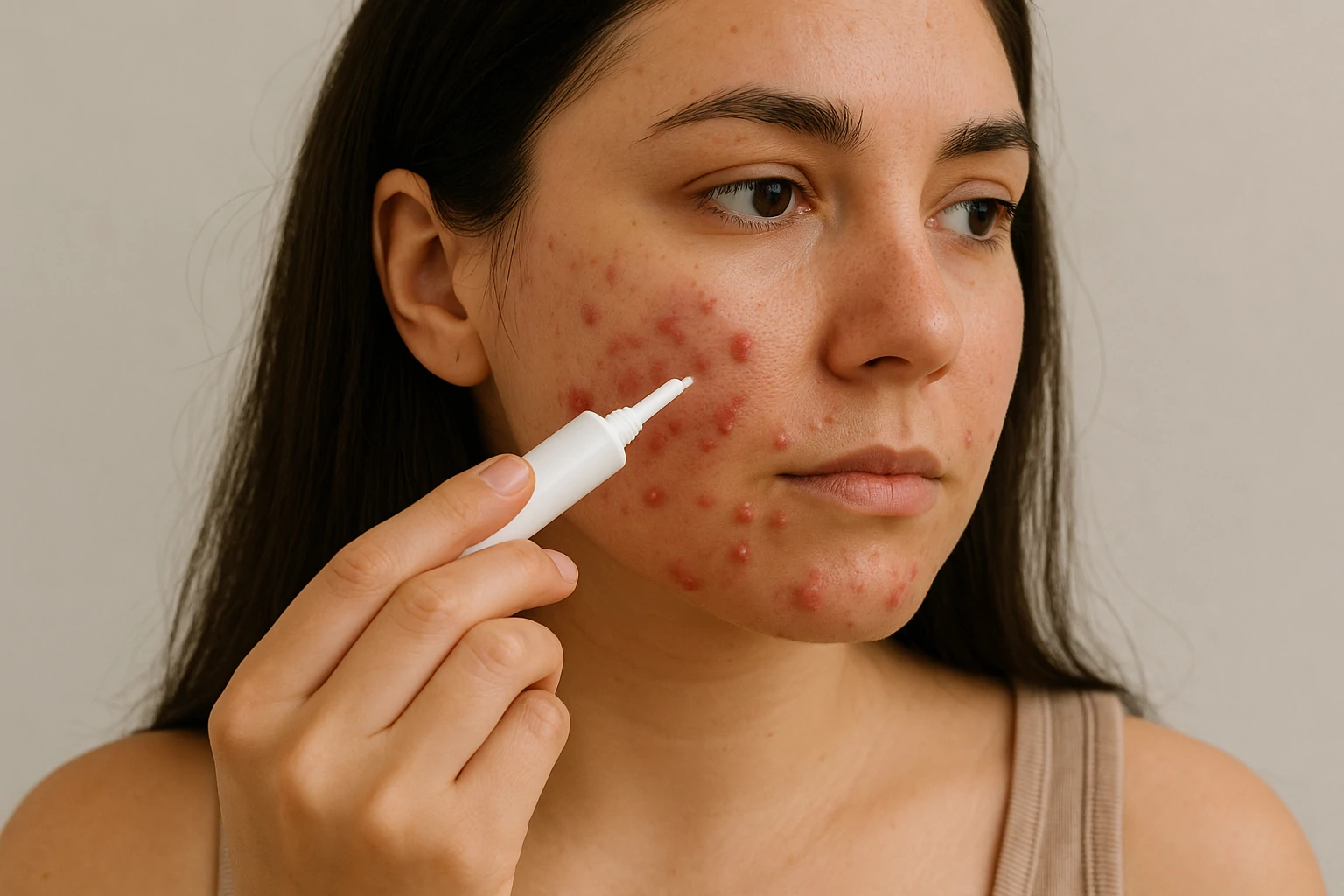
Acne around the mouth refers to small inflamed bumps, blackheads, or pustules that appear on the chin, lips, or jawline. Dermatologists note this area is oil-prone and easily congested with sebum, skincare residue, or dirt.
In many cases, mouth acne can signal specific triggers such as:
- Frequent friction from masks or hands.
- Lip or dental products containing irritants like menthol or mineral oil.
- Hormonal changes, especially before menstruation.
- Diets high in sugar or fried foods that fuel inflammation.
Dr. Rachel Kim, a skincare specialist, emphasizes identifying your triggers before starting treatment. Understanding what causes your breakouts helps you find targeted, long-term solutions—reducing flare-ups and preventing future acne around the mouth.
Types of Acne Around the Mouth
Mouth-area acne can appear in several forms, and knowing which type you have makes treatment easier.
- Comedones (Blackheads and Whiteheads)
These are the most common and form when pores are clogged with oil and dead skin. Blackheads are open and dark; whiteheads are closed and flesh-colored. Sometimes, they appear alongside mild rosacea. - Papules and Cysts
These deeper bumps are painful and often caused by trapped sebum mixing with bacteria like Cutibacterium acnes. According to dermatologists, cystic acne around the chin may require prescription medication. - Perioral Dermatitis and Similar Conditions
Not every bump is acne. Perioral dermatitis, often seen in young women, mimics acne but needs specific antibiotics. Conditions such as eczema or contact dermatitis can also look similar—so getting a professional diagnosis is key before treatment.
Common Causes and How to Prevent Mouth Acne
Understanding what triggers your acne is the first step to prevention. Every skin type reacts differently, so identifying your unique pattern matters.
- Hormonal Changes
Fluctuations in hormones—especially androgens—can increase oil production. This mix of excess sebum and dead cells leads to clogged pores and breakouts, particularly before periods or during stress. - Product Build-Up
Lip balms, shaving creams, or toothpaste may leave residue that blocks pores. Avoid products with coconut oil or waxes, and choose oil-free or non-comedogenic labels instead. - Recognizing Personal Triggers
Track when your breakouts happen—after eating certain foods, using new products, or wearing masks too long. Regular gentle exfoliation (once a week) and consistent cleansing can keep pores clear and balanced, helping prevent future flare-ups naturally.
How to Treat Acne Around the Mouth
The best way to treat acne around the mouth is with patience and a consistent skincare routine. Dermatologists recommend starting with a gentle, non-stripping cleanser twice a day to remove oil and debris.
Follow up with active ingredients like salicylic acid to unclog pores or benzoyl peroxide to target acne-causing bacteria. If your skin feels dry, balance it with a light non-comedogenic moisturizer to maintain hydration.
For persistent acne, consult a dermatologist. They may prescribe retinoids, topical antibiotics, or oral medications depending on severity. Avoid picking or squeezing pimples—it can cause scars and prolonged redness.
According to Dr. Maya Collins, “Most acne treatments take at least four to six weeks to show results. Stay consistent—your skin will reward you.” With time and the right care, you can achieve clearer, healthier skin around your mouth.
Regularly Cleanse and Gently Exfoliate
Keeping your skin clean and smooth is key to preventing acne around the mouth. Dermatologists agree that regular cleansing helps remove excess oil, dirt, and dead skin that can clog pores.
Use a gentle face cleanser containing mild exfoliating acids such as salicylic acid or glycolic acid. These ingredients help clear away dead cells and impurities without stripping moisture. Always choose non-comedogenic products to avoid new breakouts.
Cleanse your face twice daily—morning and night—and exfoliate gently one to two times a week, depending on your skin’s sensitivity. Avoid harsh scrubbing, as it can irritate the skin and worsen inflammation. With consistent care, your skin will stay clear, smooth, and balanced.
Always Remove Makeup Thoroughly
Failing to properly remove makeup is one of the top causes of acne around the mouth and chin. Leftover residue clogs pores and triggers irritation. Dermatologists warn that sleeping with makeup on traps oil and bacteria, leading to persistent breakouts.
For the best results, practice double cleansing. Start with micellar water or an oil-based cleanser to dissolve makeup and sunscreen. Follow with a gentle, water-based cleanser to remove residue without drying the skin.
Don’t skip areas like above the lips, under the chin, and around the nose—these spots often collect leftover foundation. Choose alcohol-free and non-comedogenic products to keep your skin calm, clean, and breakout-free.
Use Lightweight, Non-Comedogenic Oils
After hair removal or waxing around the mouth, applying the right oil helps soothe the skin and prevent breakouts. However, not all oils are skin-friendly—heavy or fragranced oils can clog pores and cause inflammation.
Dermatologists recommend using light, non-comedogenic oils such as sweet almond oil or neem oil. These oils hydrate without leaving greasy residue and help calm irritation after waxing or threading.
Before applying any oil, make sure your skin is clean and free from wax residue or dirt. Avoid products with added fragrance or alcohol, as they can dry or irritate sensitive post-wax skin. With proper care, you’ll keep your skin smooth, nourished, and acne-free.
Add a Retinoid to Your Skincare Routine
Incorporating a retinoid into your skincare routine is one of the most effective ways to treat stubborn acne around the mouth. Retinoids boost cell turnover, unclog pores, and prevent new breakouts while improving skin texture and fading acne marks over time.
Dermatologists often combine retinoids with benzoyl peroxide or topical antibiotics to enhance results and control acne-causing bacteria. However, start slowly—use it every few nights until your skin adjusts to avoid irritation.
Apply retinoids only at night, as they increase sun sensitivity. During the day, protect your skin with a broad-spectrum SPF 30+ sunscreen. With consistent use, retinoids can reveal smoother, clearer, and healthier skin.
Talk to Your Dermatologist About a Prescription
If acne around your mouth keeps coming back—especially before your period—consult a dermatologist for personalized treatment. Early medical intervention can prevent long-term scarring and inflammation.
For mild to moderate cystic acne, doctors may prescribe topical treatments such as:
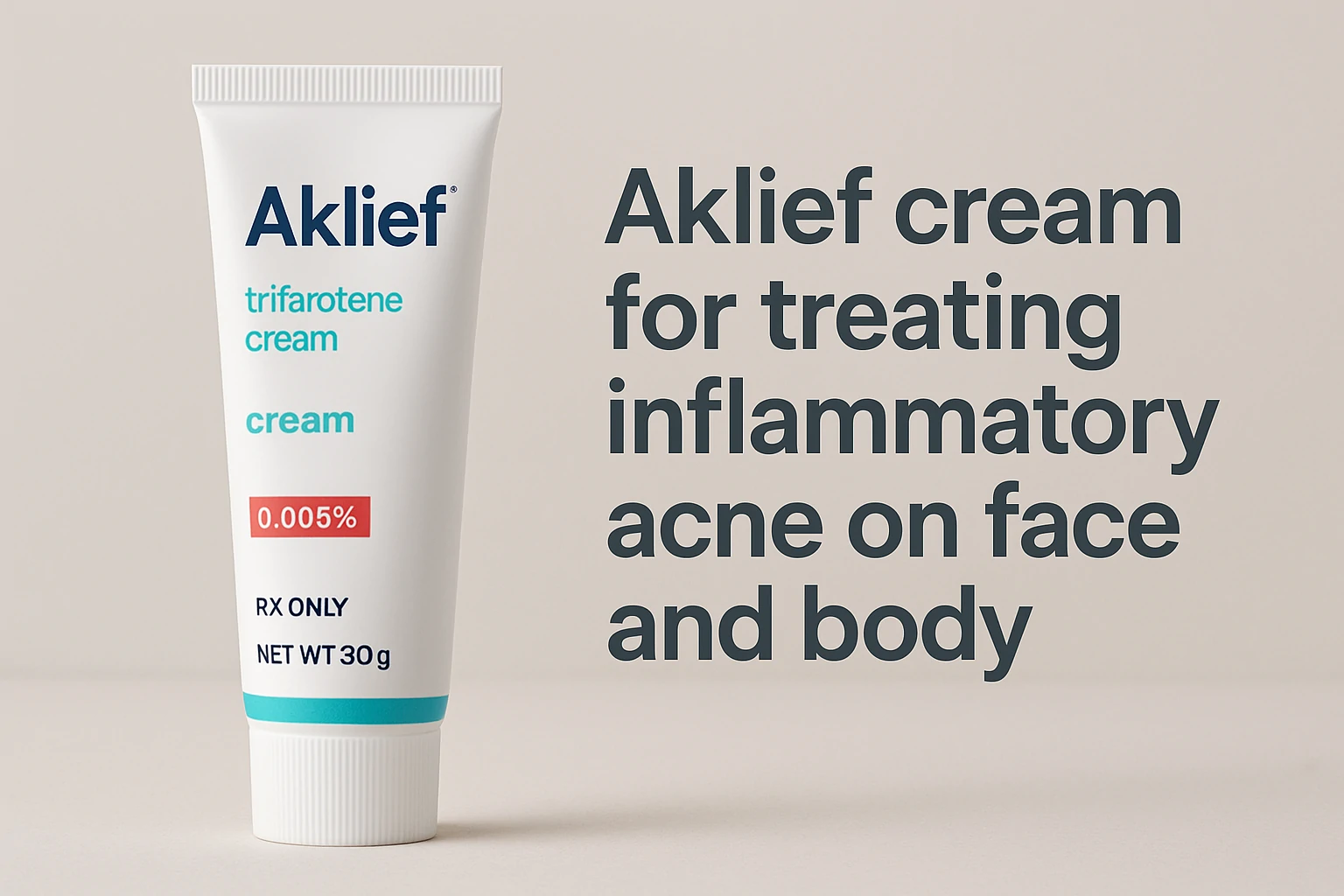
- Aklief Gel (Trifarotene) – a new-generation retinoid that unclogs pores effectively.
- Epiduo Forte Gel (Adapalene + Benzoyl Peroxide) – combines antibacterial and exfoliating power to reduce active acne fast.
For more severe or hormonal acne, your dermatologist might recommend oral antibiotics, hormonal therapy, or isotretinoin. Customized treatment ensures faster healing and reduces recurrence for smoother, clearer skin.
Consider Professional Chemical Peels
If home treatments aren’t enough, chemical peels can be a powerful solution for acne around the mouth. This dermatology procedure removes dead skin layers, clears clogged pores, and stimulates fresh skin renewal for a smoother complexion.
Common peeling agents include glycolic acid, salicylic acid, or customized acid blends based on your skin type. Beyond clearing active acne, peels also help reduce redness, scars, and uneven texture.
Some dermatology clinics also offer Lumenis M22 Acne IPL, an advanced light-based therapy that targets acne-causing bacteria deep in the skin. Combining at-home care with professional treatments like these often delivers faster, longer-lasting results for clearer, healthier skin.
How to Tell If It’s Hormonal or Bacterial Acne
Not all acne around the mouth is the same. Understanding whether it’s hormonal or bacterial helps you choose the right treatment faster.
Hormonal acne usually appears along the chin and jawline, especially before your period or during stress. These breakouts often feel deep, tender, and cystic—meaning they form under the skin and take longer to heal. According to Dr. Emily Harper, a board-certified dermatologist, hormonal acne is triggered by increased androgen levels that boost oil production and inflammation.
Bacterial acne, on the other hand, forms when excess oil and dead skin trap bacteria (Cutibacterium acnes) inside the pores. It typically looks like small whiteheads or pustules that may appear suddenly and spread quickly.
If your acne flares up in cycles or links to your menstrual period, it’s likely hormonal. If it worsens after sweating, mask use, or makeup buildup, it’s likely bacterial. Identifying the root cause helps target treatment effectively—saving you time, effort, and frustration.
Best Over-the-Counter Products for Acne Around the Mouth
If you’re struggling with mild acne around your mouth, the right over-the-counter (OTC) skincare products can make a big difference—without needing a prescription. Dermatologists recommend starting with gentle yet effective formulas that target clogged pores and bacteria.
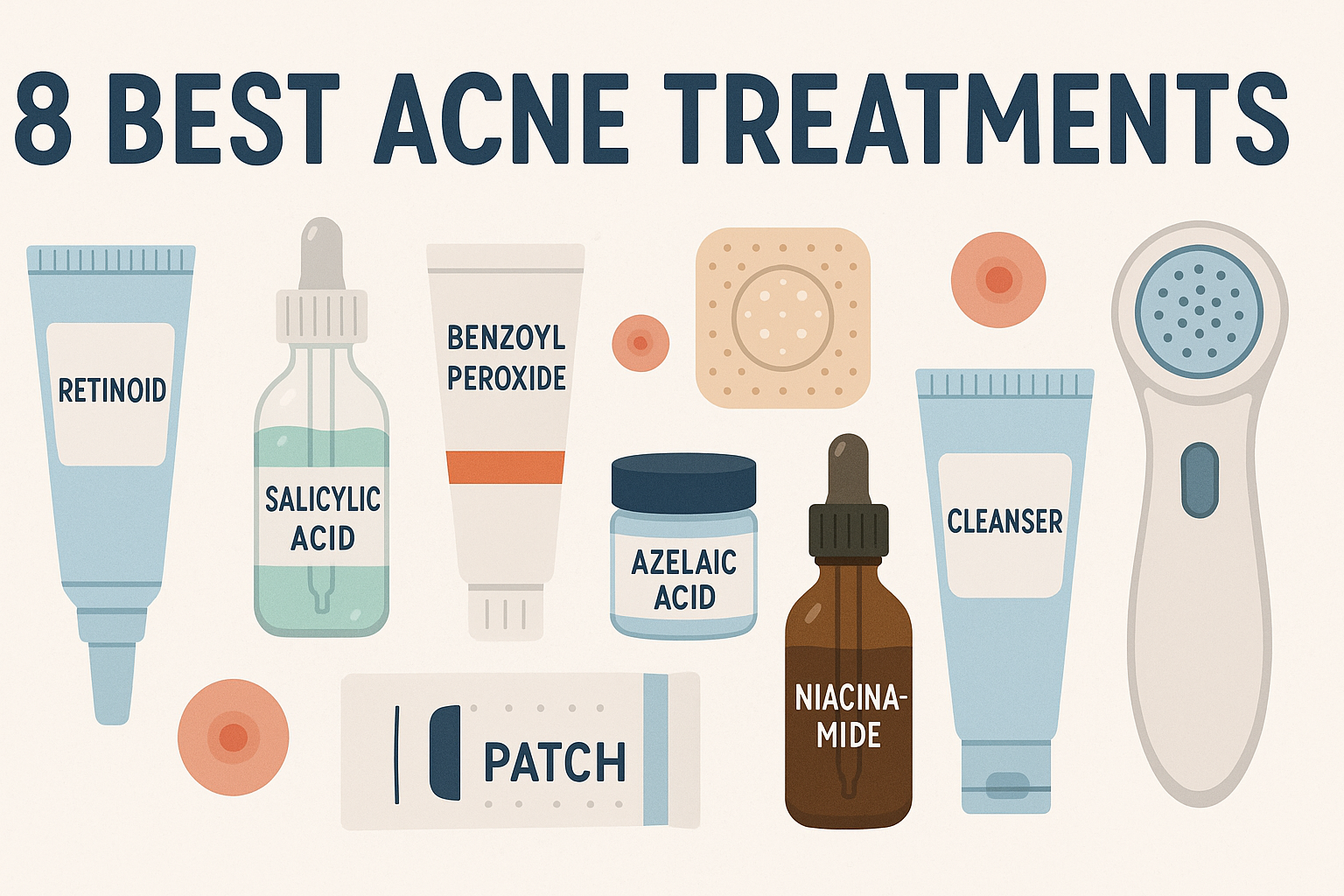
Look for a cleanser containing salicylic acid (BHA) to help exfoliate and clear pores. For spot treatments, products with benzoyl peroxide are great at killing acne-causing bacteria and reducing inflammation. If your skin tends to dry out, use a lightweight, non-comedogenic moisturizer with ceramides or hyaluronic acid to keep your barrier balanced.
For those prone to post-acne marks, consider adding niacinamide or azelaic acid—both help brighten skin and fade redness. And never skip sunscreen: choose an oil-free, non-comedogenic SPF 30+ daily to prevent irritation and dark spots.
Consistency matters more than quantity. Start simple, stick with products that don’t sting or burn, and give your skin at least four weeks to adjust before switching. With steady care, your skin will look smoother and clearer without overcomplicating your routine.
Best Skincare Routine for Acne-Prone Skin Around the Mouth
Building the right skincare routine is essential for keeping acne around the mouth under control. Dermatologists emphasize that consistency and balance—not harsh products—are the key to long-term results.
Morning routine:
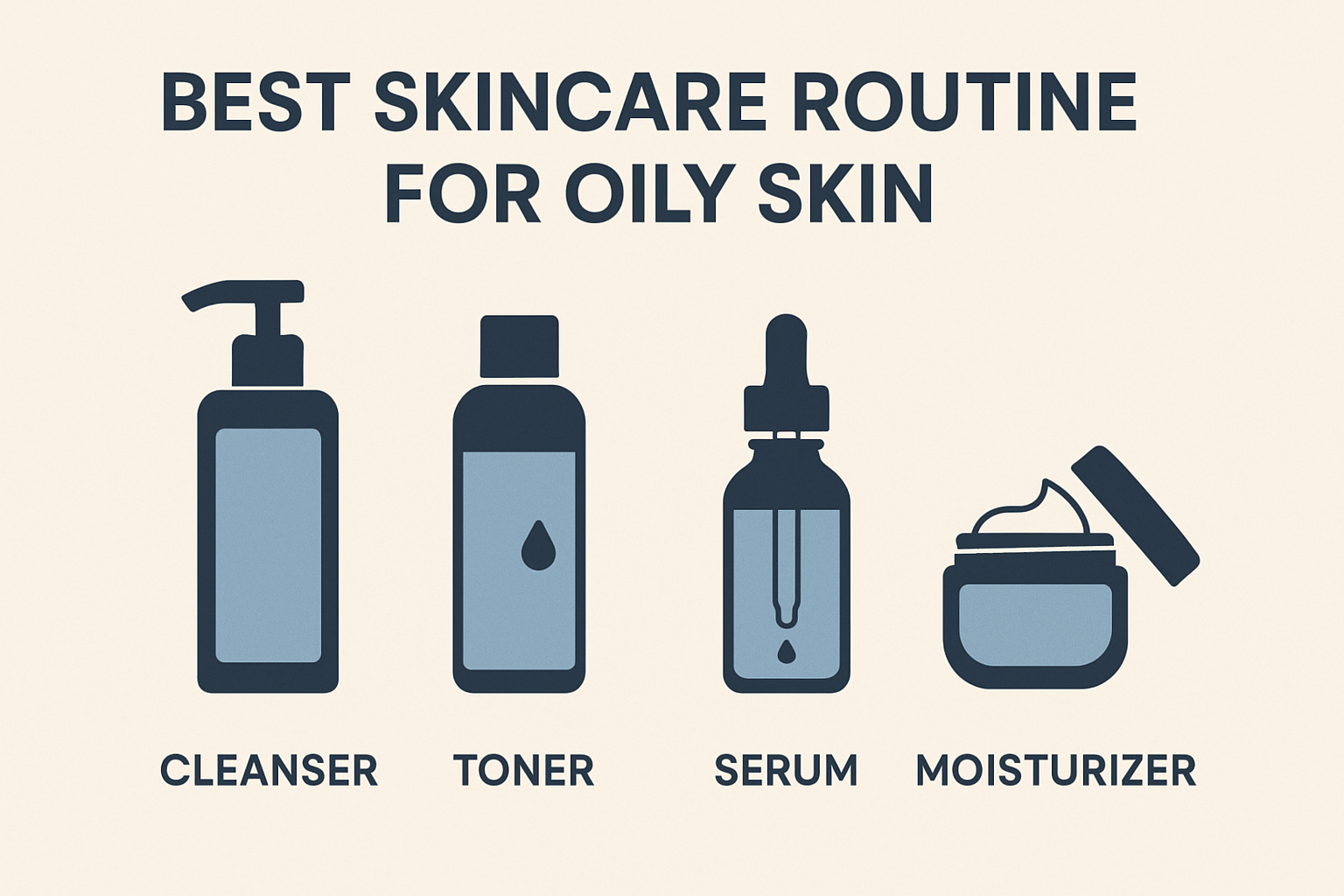
Start with a gentle cleanser to remove oil and impurities, then apply a light layer of niacinamide serum or oil-free moisturizer to calm redness and strengthen your skin barrier. Always finish with a broad-spectrum SPF 30+ sunscreen, since UV damage can worsen acne and dark spots.
Night routine:
Cleanse again to remove makeup and dirt, followed by a treatment containing salicylic acid, azelaic acid, or a retinoid to keep pores clear and boost cell renewal. Lock in hydration with a non-comedogenic moisturizer to prevent dryness or irritation.
Avoid overloading your skin with too many actives—start simple and be consistent. With a balanced routine and gentle care, your skin will gradually look clearer, smoother, and more even-toned.
Final Thoughts
Dealing with acne around the mouth can be frustrating, but it’s completely manageable with the right care and consistency. The key is to understand what triggers your breakouts—whether it’s hormones, bacteria, or everyday habits—and build a skincare routine that keeps your skin clean, balanced, and protected.
Gentle cleansing, smart exfoliation, and lightweight non-comedogenic products are your best allies. When at-home treatments aren’t enough, don’t hesitate to seek help from a dermatologist for tailored solutions or professional treatments like chemical peels or light therapy.
Most importantly, be patient. Clear skin doesn’t happen overnight—it takes steady effort and time. By combining healthy lifestyle habits, mindful product choices, and expert guidance, you can achieve smoother, more confident, and acne-free skin around the mouth.
You might also like
 Acne
Acne Anti-Aging
 Business
 Digital Marketing
 Economics
 Exfoliation
 Hair Removal
 Movies
 Personal Finance
 Websites