13 Acne-Causing Foods You Should Avoid, Experts Warn
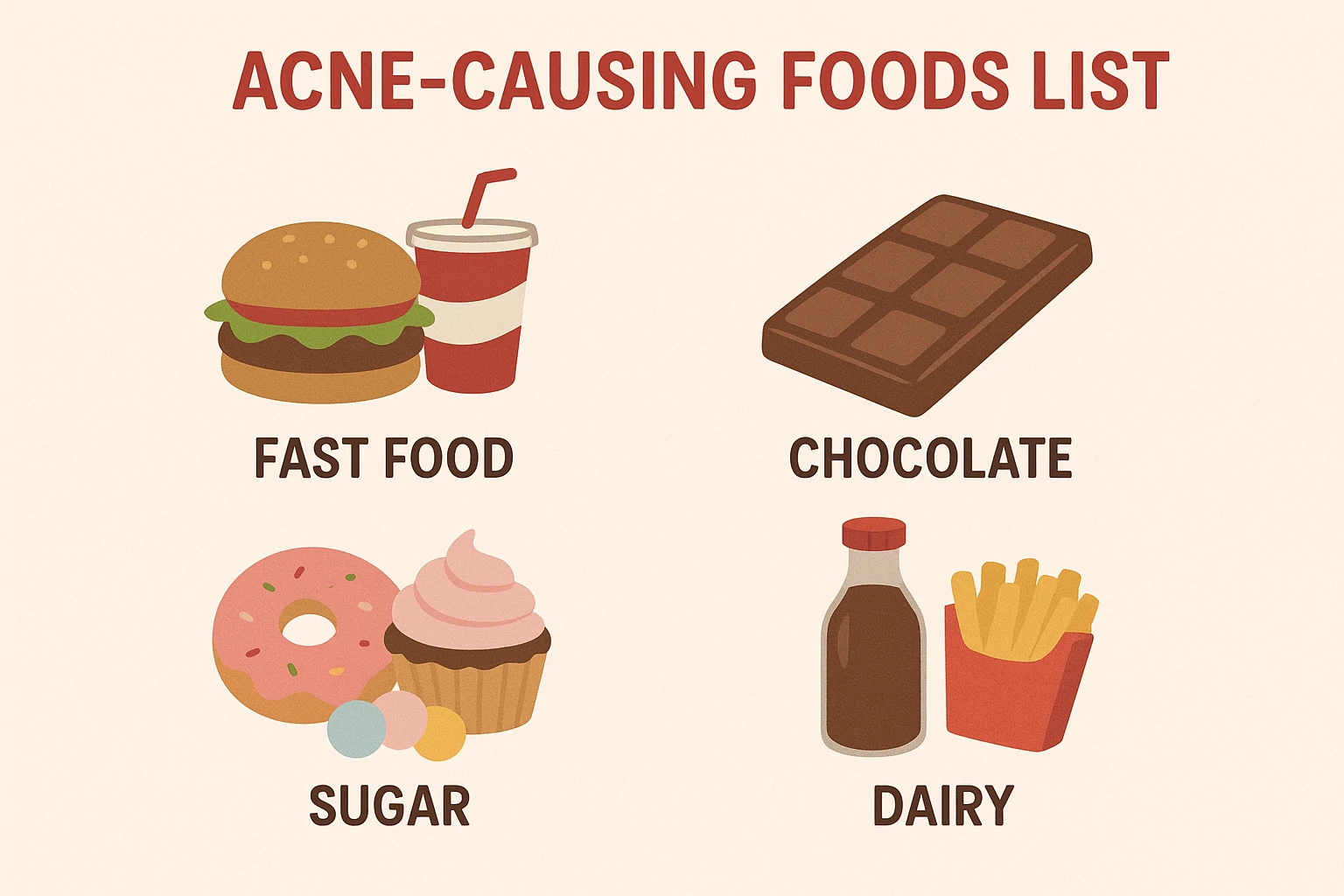
Acne isn’t only triggered by hormones, stress, or pollution — your diet also plays a major role. According to dermatologists and nutrition experts, certain foods can worsen inflammation and stimulate excess oil production, leading to breakouts. High-glycemic foods, refined carbs, and dairy products are among the top culprits. Their sugar and saturated fat content can spike insulin levels, which in turn boosts sebum activity and clogs pores.
Even foods often considered “healthy,” like whey protein or milk chocolate, may trigger acne in people sensitive to hormonal changes. To keep your skin clear and balanced, experts recommend replacing these items with skin-friendly options such as berries, leafy greens, chia seeds, and plenty of water. A nutrient-rich, balanced diet doesn’t just benefit your body—it helps calm your skin, reduce inflammation, and promote a naturally radiant, blemish-free look.
Acne-Triggering Foods to Watch Out For
Certain everyday foods can quietly contribute to acne breakouts. While it’s tempting to overlook them, being aware of what you eat can make a visible difference in your skin health. Below are some of the most common acne-causing foods identified by dermatologists and nutritionists. Understanding how they affect your body helps you make better dietary choices and maintain a clearer complexion.
Dairy Products
In dermatology, dairy is frequently linked to acne. Cow’s milk, cheese, and heavy cream may trigger breakouts and dull skin—a condition sometimes dubbed “dairy face.”[1Dermato-Endocrinology. “Acne, Dairy and Cancer.” 2009.] According to nutritionist Dr. Lauren Clark, natural hormones in cow’s milk can increase sebum production and activate acne-related hormones.
As a gentler alternative, probiotic-rich foods can support skin balance. Studies show probiotics have anti-inflammatory benefits that calm irritation. Dermatologist Dr. Emily Harper recommends adding probiotics for at least two months to notice clearer skin, especially for those using antibiotics. Probiotics help maintain healthy gut microbiota, which directly influences skin health. Natural sources include Greek yogurt, kefir, tempeh, and sauerkraut. If you choose supplements, ensure they contain at least 12 probiotic strains and pair them with fiber-rich foods for optimal results.
Skim Milk
Despite being low in fat, skim milk is surprisingly linked to acne flare-ups. Dermatologists explain that natural growth hormones in cow’s milk usually dissolve in fat. Since skim milk lacks fat, those hormones remain suspended and are more easily absorbed by the body. This process may boost oil production and inflammation—two main drivers of acne.
For a skin-friendly switch, opt for plant-based milks like almond, oat, or soy milk. These alternatives are hormone-free and gentler on sensitive skin. Many are also fortified with vitamin E and antioxidants, which help protect and strengthen your skin barrier from within. Over time, replacing dairy with plant-based options can help reduce breakouts and give your complexion a smoother, healthier appearance.
Processed Carbohydrates
Refined carbs such as white bread, pasta, sugary drinks, and pastries have a high glycemic index. This means they rapidly raise blood sugar, then cause a crash—a cycle that stresses your body and inflames the skin. Dermatologist Dr. James Lee notes that high-GI foods trigger insulin spikes, increasing sebum production and clogging pores.
To support clear skin, nutritionists suggest focusing on whole, minimally processed foods. Swap refined carbs for complex options like gluten-free oats, sweet potatoes, quinoa, and pumpkin. Combine these with lean proteins, fish, eggs, and leafy greens for balanced nutrition. These whole foods are rich in vitamins, minerals, and antioxidants that fight inflammation, promote cell renewal, and keep your complexion vibrant and acne-free.
Desserts and Pastries
Indulging in sugary desserts and pastries may satisfy cravings—but your skin might pay the price. The combination of sugar and saturated fat found in cakes, donuts, and processed sweets can overstimulate oil glands and trigger inflammation. Over time, this leads to clogged pores, uneven texture, and dull-looking skin.[2Journal of the European Academy of Dermatology and Venereology. “Acne: Prevalence and Relationship With Dietary Habits in Eskisehir, Turkey.” 2011.]
For healthier snacking, choose nutrient-packed options instead. Fresh fruits like strawberries, apples, and blueberries deliver natural sweetness plus antioxidants that protect skin cells. Unsweetened Greek yogurt supports gut balance, while dark chocolate (70% cacao or higher) offers antioxidants with less sugar. Nuts such as almonds, walnuts, and pistachios provide healthy fats that keep skin elastic and hydrated. Replacing sugary desserts with these wholesome alternatives helps regulate hormones, reduce breakouts, and maintain long-term skin clarity.
Specialty Coffee
Coffee doesn’t directly cause acne, but too much caffeine can disrupt hormonal balance.[3William R Lovallo, Noha H Farag. Cortisol responses to mental stress, exercise, and meals following caffeine intake in men and women. National Library of Medicine. DOI: 10.1016/j.pbb.2006.03.005. Epub 2006 May 2.] Dermatologists note that excessive caffeine intake raises cortisol—the stress hormone—which worsens inflammation and may trigger acne, especially in sensitive skin types.[4Shadi Zari, Dana Alrahmani. The association between stress and acne among female medical students in Jeddah, Saudi Arabia. National Library of Medicine. 2017 Dec 5;10:503–506. doi: 10.2147/CCID.S148499.]
Sweetened or dairy-based coffee drinks can make things worse by spiking blood sugar and stimulating oil glands. If you rely on several cups a day, experts recommend reducing intake or switching to low-caffeine alternatives.
Green tea is a great option—it contains less caffeine and is packed with antioxidants, particularly EGCG (epigallocatechin gallate). This compound helps soothe inflammation, protect skin cells from oxidative stress, and promote a more balanced complexion. Gradually replacing your daily coffee with green tea can lead to calmer, healthier-looking skin.
Fast Food
Fast food is one of the top acne-causing foods due to its high levels of refined carbs, saturated fats, and added sugars. These ingredients can spike insulin and inflammation, leading to excess sebum production and clogged pores. Additionally, most fast food lacks fiber and antioxidants—nutrients essential for cell repair and glowing skin.
Dermatologist Dr. Ryan Patel suggests increasing omega-3 intake to offset inflammation and restore skin balance. Omega-3 fatty acids strengthen the skin barrier and speed up acne healing, while too much omega-6 (common in modern diets) can worsen breakouts.
Include salmon, chia seeds, walnuts, flaxseeds, and krill oil in your meals for better skin, heart, and brain health. Replacing processed fast food with these nutrient-dense options supports long-term skin clarity and overall wellness.
Dried Fruit and Fruit Juice
Although fruit is nutritious, dried fruit and packaged juice often contain high sugar concentrations. Nutrition experts warn that removing natural fiber through drying or juicing makes sugar absorb faster, triggering insulin spikes and increased oil production—both linked to acne flare-ups.
For clearer skin, choose whole fruits instead. Their natural fiber stabilizes blood sugar and supports gut health, both crucial for reducing inflammation. Trail mix—a blend of nuts, seeds, and a touch of natural dried fruit—offers a balanced, skin-friendly snack.
Nuts provide protein, healthy fats, and antioxidants that promote elasticity and hydration. By swapping sugary juices or overly sweet dried fruits for whole, fiber-rich options, you can maintain stable energy levels and achieve naturally clearer, more radiant skin.
Alcoholic Drinks and Mocktails
Alcohol, especially sugary cocktails, can dehydrate your skin and accelerate aging. The mix of alcohol and sugar spikes blood glucose and insulin, causing inflammation that worsens acne and dulls your complexion. High-sugar mocktails can have the same effect, even without alcohol.
According to nutritionist Dr. Hannah Brooks, consistent alcohol consumption also impairs your body’s ability to regenerate skin cells and detoxify effectively.
The best choice for healthy, glowing skin is plain water. Staying hydrated flushes out toxins, maintains moisture balance, and supports your liver’s natural cleansing function. Drink enough water daily to keep your skin plump, clear, and free from the effects of dehydration caused by alcohol or sugary beverages.
Soy Products
Soy-based foods like soy milk and tofu are popular plant proteins, but overconsumption may disrupt hormone balance. Dermatologists explain that isoflavones—plant compounds in soy—can mimic estrogen, increasing sebum production and triggering breakouts in hormone-sensitive individuals.
Many packaged soy products also contain added sugars and preservatives, which contribute to inflammation and acne. To protect your skin, limit processed soy intake and vary your plant-based protein sources.
Opt for almond milk, cashew milk, or natural nut spreads instead. These alternatives are low in sugar, free of hormonal compounds, and rich in vitamin E and healthy fats—nutrients that enhance skin elasticity and hydration. Balanced plant-based choices can help maintain clear, calm, and nourished skin.
Whey Protein Powder
Whey protein, a milk-derived supplement popular for muscle growth, may unintentionally trigger acne in some individuals. Dermatology experts explain that whey protein increases insulin and insulin-like growth factor 1 (IGF-1), both of which stimulate oil production and inflammation—key contributors to clogged pores and breakouts, especially on the face and back.[5Zamil, D. H, Perez-Sanchez, A., & Katta, R. (2020). Acne related to dietary supplements. Dermatology Online Journal, 26(8). http://dx.doi.org/10.5070/D3268049797 Retrieved from https://escholarship.org/uc/item/9rp7t2p2]
If you’re prone to acne, consider switching to non-dairy protein sources. Bone broth protein, egg white protein, or plant-based powders from peas, nuts, and seeds deliver the same muscle-building benefits without the hormonal effects of dairy. Nutritionist Dr. Alicia Moore notes that plant proteins are generally less inflammatory and more skin-friendly. Making this swap can help maintain clear, calm, and balanced skin while supporting your fitness goals.
Fried Foods and Baked Goods
Fried foods and baked treats often contain high amounts of trans fats—one of the biggest culprits behind inflammation and dull, acne-prone skin. Nutrition experts warn that trans fats found in processed oils can clog tiny blood vessels, reduce oxygen flow, and trigger chronic inflammation that worsens acne.
Saturated fats in these foods can also disrupt hormonal balance and overstimulate oil glands. To promote clearer skin, replace greasy, fried dishes with antioxidant-rich options like leafy greens, berries, probiotic yogurt, and green tea.
Fiber-rich foods are equally vital—they help regulate blood sugar and support natural detoxification. By reducing fried and processed snacks and embracing fresh, whole foods, your skin can appear brighter, smoother, and free from recurring inflammation.
Candy
Candy tops the list of high-sugar, high-carb treats that can worsen acne. Dermatologists explain that excessive sugar spikes insulin levels, triggering more sebum and inflammation. This process accelerates glycation—a reaction that damages collagen, leaving skin dull and more prone to breakouts.
A smarter indulgence is dark chocolate. Studies show no proven link between pure cocoa and acne. In fact, dark chocolate with 70% or more cocoa is rich in flavonoids, antioxidants that fight free radicals and support skin elasticity. Enjoying a small portion of dark chocolate lets you satisfy sweet cravings without the sugar overload that fuels acne.
Pizza
Delicious as it is, pizza combines two acne-aggravating elements: refined flour and high-fat cheese. This combo has a high glycemic index, meaning it quickly raises blood sugar, triggers inflammation, and boosts oil production—key factors that can worsen acne and dull the skin.
Excess salt and grease in pizza toppings can also cause water retention and amplify inflammation. For a healthier snack, try homemade air-popped popcorn. It’s a whole-grain option packed with fiber and B vitamins that support skin metabolism. Add sea salt, a sprinkle of parmesan, or natural herbs for flavor without excess oil. Swapping greasy pizza for wholesome popcorn keeps your skin and body in balance—light, tasty, and acne-friendly.
Why Your Diet Directly Affects Skin Health
Your skin reflects what’s happening inside your body. According to dermatologists and nutritionists, diet plays a crucial role in balancing hormones, reducing inflammation, and supporting a healthy gut microbiome—all of which directly impact your skin.
When you eat foods high in sugar, refined carbs, or saturated fats, blood sugar rises rapidly, increasing insulin levels. This stimulates oil glands to produce more sebum, leading to clogged pores and acne.
On the other hand, a balanced diet rich in fiber, antioxidants, and healthy fats helps calm inflammation and promotes skin regeneration. Omega-3s, vitamin C, and zinc—found in fatty fish, leafy greens, berries, and nuts—nourish your skin from within.
Simply put, clear skin starts from the inside out. Every healthy meal you eat is a step toward a calmer, clearer, and naturally radiant complexion.
Final Thoughts
Acne isn’t just a surface problem—it’s often a reflection of what happens inside your body. From dairy and refined carbs to sugary desserts and fast food, many everyday foods can quietly disrupt hormonal balance and trigger inflammation, leading to unwanted breakouts. The good news? You can take control through mindful eating.
By reducing high-glycemic, sugary, and processed foods, and replacing them with nutrient-dense choices—like leafy greens, berries, omega-3-rich fish, nuts, and plant-based proteins—you help your skin stay balanced, calm, and resilient. Hydration and moderation also play key roles in maintaining long-term clarity.
As dermatologist Dr. Emily Harper reminds us, “Your skin is a mirror of your diet. Feed it wisely, and it will reward you with a healthy glow.”
Healthy, radiant skin doesn’t start with expensive creams—it begins with every bite you take.
ARTICLE SOURCES
You might also like
 Acne
Acne Anti-Aging
 Business
 Digital Marketing
 Economics
 Exfoliation
 Hair Removal
 Movies
 Personal Finance
 Websites