Inflammatory Acne? Why Aklief Is a Tretinoin Alternative
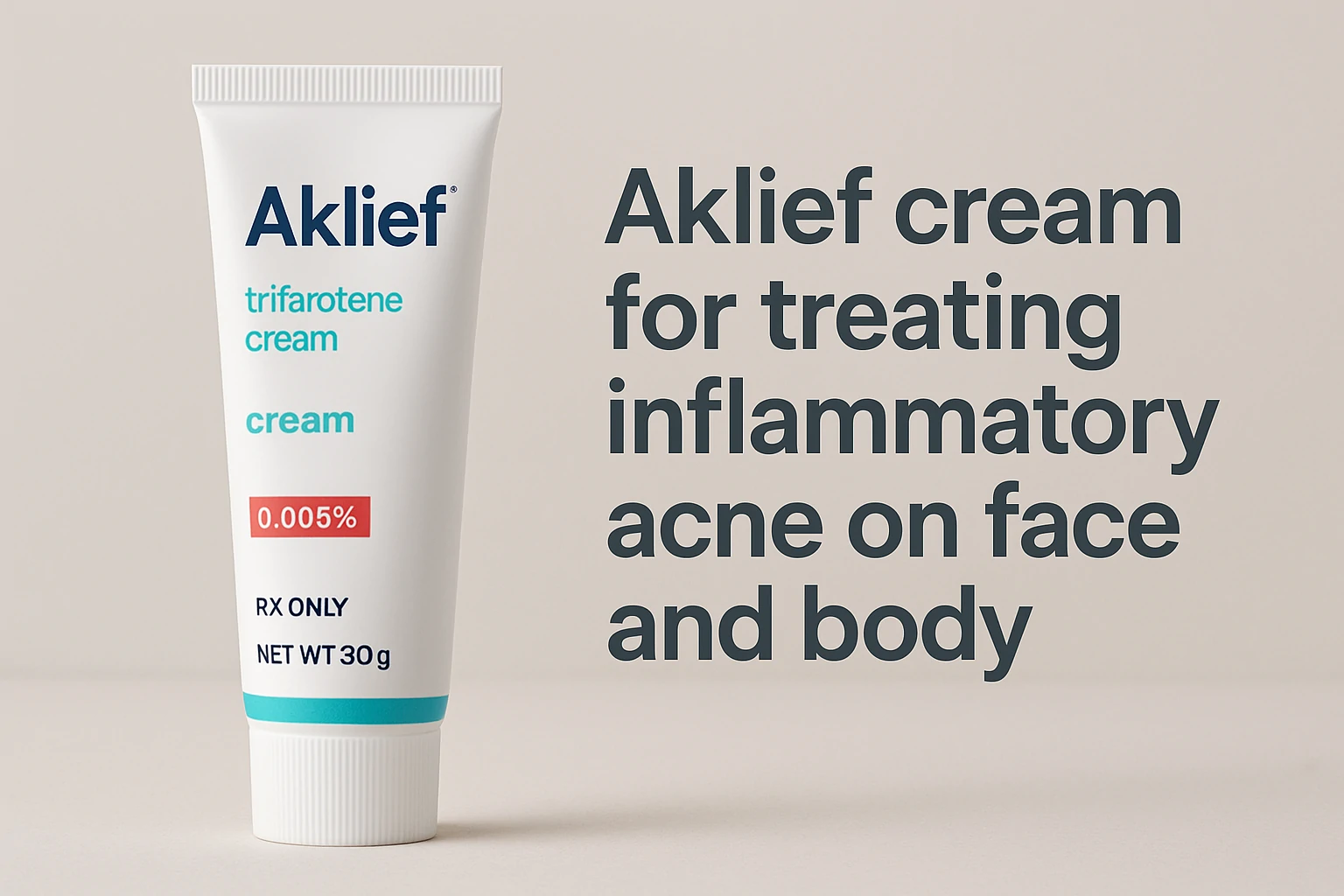
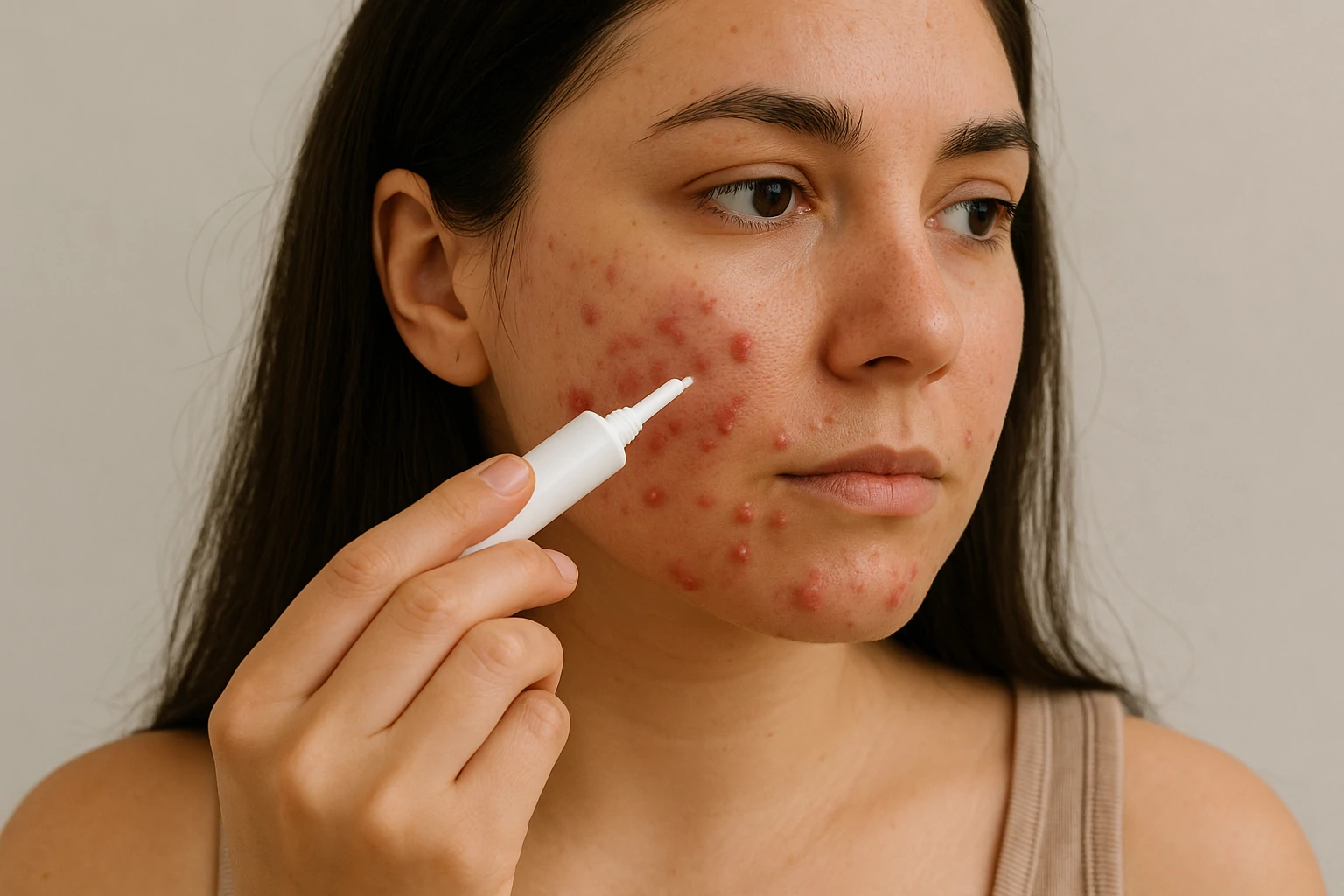
Inflammatory acne is a common yet frustrating skin condition, often recurring and hard to manage. Treating it requires patience and the right skincare products, as not all solutions work for everyone. Topical retinoids have long been a dermatology favorite for tackling acne, especially inflamed types. Among recent options, Aklief stands out as a prescription retinoid approved by the FDA for effective acne management.
Dermatologists recommend Aklief for use on the face, shoulders, chest, and back—common acne-prone areas. It offers a promising alternative for those sensitive to tretinoin, the traditional retinoid. Aklief not only targets active acne but also addresses skin texture and pigmentation issues. This article dives into Aklief’s benefits, how it works, and comparisons with tretinoin, helping readers decide if it’s the right addition to their skincare routine.
What Is Aklief?
Aklief is a prescription topical cream specifically designed to treat acne. Its active ingredient, trifarotene, is a modern retinoid that targets retinoic acid receptors (RAR), promoting healthy skin cell turnover and reducing inflammation. FDA-approved in 2019, Aklief is safe when used as directed by dermatologists.[1Galderma Laboratories. “Drug Trials Snapshots: AKLIEF.” U.S. Food & Drug Administration, FDA, 4 Oct. 2019.]
Beyond treating active acne, Aklief improves post-acne marks, reduces hyperpigmentation, and helps minimize early signs of sun-related skin aging. For beginners, dermatologists suggest patch testing first and gradually introducing the cream to reduce irritation, redness, or peeling. Typically applied at night, Aklief can be a versatile addition to a beginner-friendly skincare routine, offering both acne control and skin-rejuvenating benefits.
Benefits of Aklief for Acne
Aklief works deep within the skin to normalize cell turnover and calm inflammation. Dermatologists highlight key benefits:
- Regulates skin cell renewal: Trifarotene accelerates cell regeneration, keeping pores clear and preventing breakouts.
- Reduces inflammation: Anti-inflammatory properties relieve redness and swelling, targeting both whiteheads and blackheads.
- Treats body acne: FDA-approved for back and chest acne, clinical trials show 54–66% reduction in inflamed lesions in 12 weeks.[2Cosio, Terenzio et al. “Trifarotene: A Current Review and Perspectives in Dermatology.” Biomedicines vol. 9,3 237. 26 Feb. 2021, doi:10.3390/biomedicines9030237.]
- Improves skin texture & reduces aging signs: Stimulates collagen production, improves elastin, and smooths skin.
- Fades hyperpigmentation: Boosts epidermal turnover and inhibits melanosome distribution, effectively lightening dark spots.[3Callender, Valerie D et al. “Effects of Topical Retinoids on Acne and Post-inflammatory Hyperpigmentation in Patients with Skin of Color: A Clinical Review and Implications for Practice.” American journal of clinical dermatology vol. 23,1 (2022): 69-81. doi:10.1007/s40257-021-00643-2.]
Overall, Aklief offers a comprehensive approach to inflammatory acne while promoting healthier, smoother skin.
How to Use Aklief
Aklief is best used as part of your nighttime skincare routine. Dermatologists emphasize daytime SPF use, as retinoids increase sun sensitivity.
Start with a gentle cleanser, then optional hydrating serum, before applying Aklief. For sensitive skin, mix with moisturizer or apply before it to reduce irritation. Monitor skin response carefully—if redness, peeling, or irritation occurs, reduce use to 2–3 times per week and gradually increase. Consulting a dermatologist ensures personalized dosing and schedule for optimal, safe results.
What Skin Types Should Use Aklief?
Aklief suits almost all skin types, especially acne-prone or photoaging-prone skin. Dermatologists recommend pairing it with moisturizers containing ceramides, glycerin, or hyaluronic acid to maintain hydration and reduce irritation. Adding niacinamide (vitamin B3) can brighten skin, support collagen, and calm inflammation.
Adjusting your routine to individual skin needs ensures Aklief works effectively without overreacting. With the right approach, this prescription retinoid can become a key part of daily skincare, helping manage acne while improving overall skin health.
Aklief vs. Tretinoin: Which Retinoid Is Right for You?
Aklief and tretinoin are both FDA-approved topical retinoids for treating acne and reducing inflammation. Choosing the right one should always follow a dermatologist’s guidance, as individual skin tolerance varies.
Dermatologists note that Aklief tends to be gentler on sensitive skin. Its active ingredient, trifarotene, specifically targets gamma RAR receptors and uses an efficient delivery system, which can lower irritation risk compared to some generic retinoids. Tretinoin, on the other hand, is often more affordable and widely used.
Both retinoids accelerate skin cell turnover, prevent clogged pores, and reduce inflammatory acne. However, Aklief is still a potent retinoid. Sensitive or eczema-prone skin should start with a low application frequency and monitor reactions carefully. Consulting a dermatologist ensures the chosen retinoid is safe and effective for your skin type.
Side Effects of Aklief and How to Minimize Them
Like other topical retinoids, Aklief can cause side effects. Dermatologists report that common reactions include increased sun sensitivity, dryness, redness, irritation, peeling, or mild stinging. The severity depends on individual skin type and tolerance.
To reduce side effects, experts recommend:[4Tan, Jerry et al. “Randomized phase 3 evaluation of trifarotene 50 μg/g cream treatment of moderate facial and truncal acne.” Journal of the American Academy of Dermatology vol. 80,6 (2019): 1691-1699. doi:10.1016/j.jaad.2019.02.044.]
- Consult a dermatologist first: Ensure Aklief suits your skin and acne severity.
- Maintain hydration: Apply a moisturizer regularly, even before starting Aklief, to prevent dryness and peeling.
- Protect your skin from the sun: Daily SPF is essential, as retinoids increase UV sensitivity.
With proper care and a gradual introduction, Aklief’s side effects can be managed, allowing users to enjoy clearer skin, reduced inflammation, and healthier overall skin.
Clinical Studies & What the Research Shows
Clinical research confirms Aklief’s effectiveness for inflammatory acne. Studies show that trifarotene significantly reduces both facial and truncal acne lesions within 12 weeks. In one FDA-reviewed trial, participants experienced a 54–66% decrease in inflamed lesions, highlighting its potency for stubborn acne.
Dermatologists note that Aklief’s targeted action on gamma RAR receptors provides controlled results with generally lower irritation compared to older retinoids. Research also indicates benefits beyond acne: improvement in skin texture, reduction in post-inflammatory hyperpigmentation, and early prevention of photoaging.
These findings support dermatologists’ recommendations to include Aklief in acne management, especially for patients with sensitive skin or body acne. However, as with any prescription retinoid, results vary individually, emphasizing the importance of professional guidance and gradual introduction to the skin routine.
How to Build a Skincare Routine Around Aklief
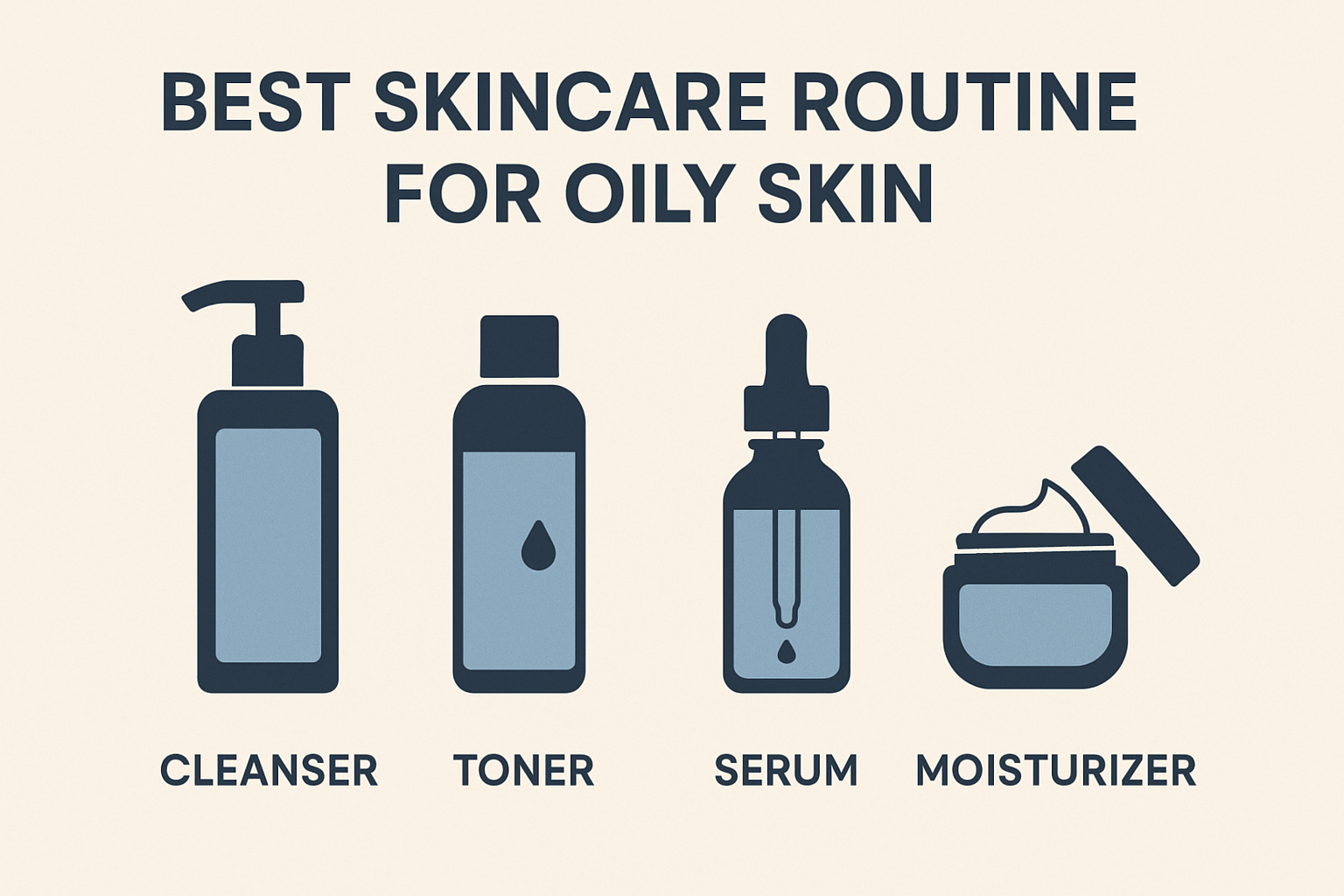
Integrating Aklief into a skincare routine requires balance to maximize benefits while minimizing irritation. Start with a gentle cleanser, then optional hydrating serum. Apply Aklief at night, either alone or layered with a lightweight moisturizer to reduce potential dryness.
Dermatologists emphasize using sunscreen during the day, as retinoids increase sun sensitivity. Complementary ingredients like ceramides, hyaluronic acid, or niacinamide help maintain hydration, soothe inflammation, and support skin barrier health.
For beginners, start using Aklief 2–3 times per week, gradually increasing as tolerated. Regularly monitor skin for redness or peeling and adjust frequency if needed. Combining Aklief with consistent hydration, sun protection, and gentle exfoliation creates an effective acne-fighting routine that also promotes smoother, healthier skin over time.
Conclusion
Aklief is a modern prescription retinoid that effectively targets inflammatory acne on the face and body. Clinical studies show significant reduction in lesions, improved skin texture, and decreased post-acne hyperpigmentation, making it a versatile option for acne-prone and sensitive skin.
Compared to tretinoin, Aklief may be gentler due to its targeted gamma RAR action, while still providing the same benefits of accelerated skin cell turnover and reduced pore blockage. Like all retinoids, proper introduction, hydration, and daily sun protection are key to minimizing irritation and achieving optimal results.
For beginners or those seeking a comprehensive acne solution, Aklief can be a valuable addition to a tailored skincare routine. With guidance from a dermatologist and careful routine management, it helps not only clear acne but also promote healthier, smoother, and more radiant skin.



 Acne
Acne Anti-Aging
 Business
 Digital Marketing
 Economics
 Exfoliation
 Hair Removal
 Movies
 Personal Finance
 Websites