Amoxicillin for Acne: Does It Work? Dermatologists Explain
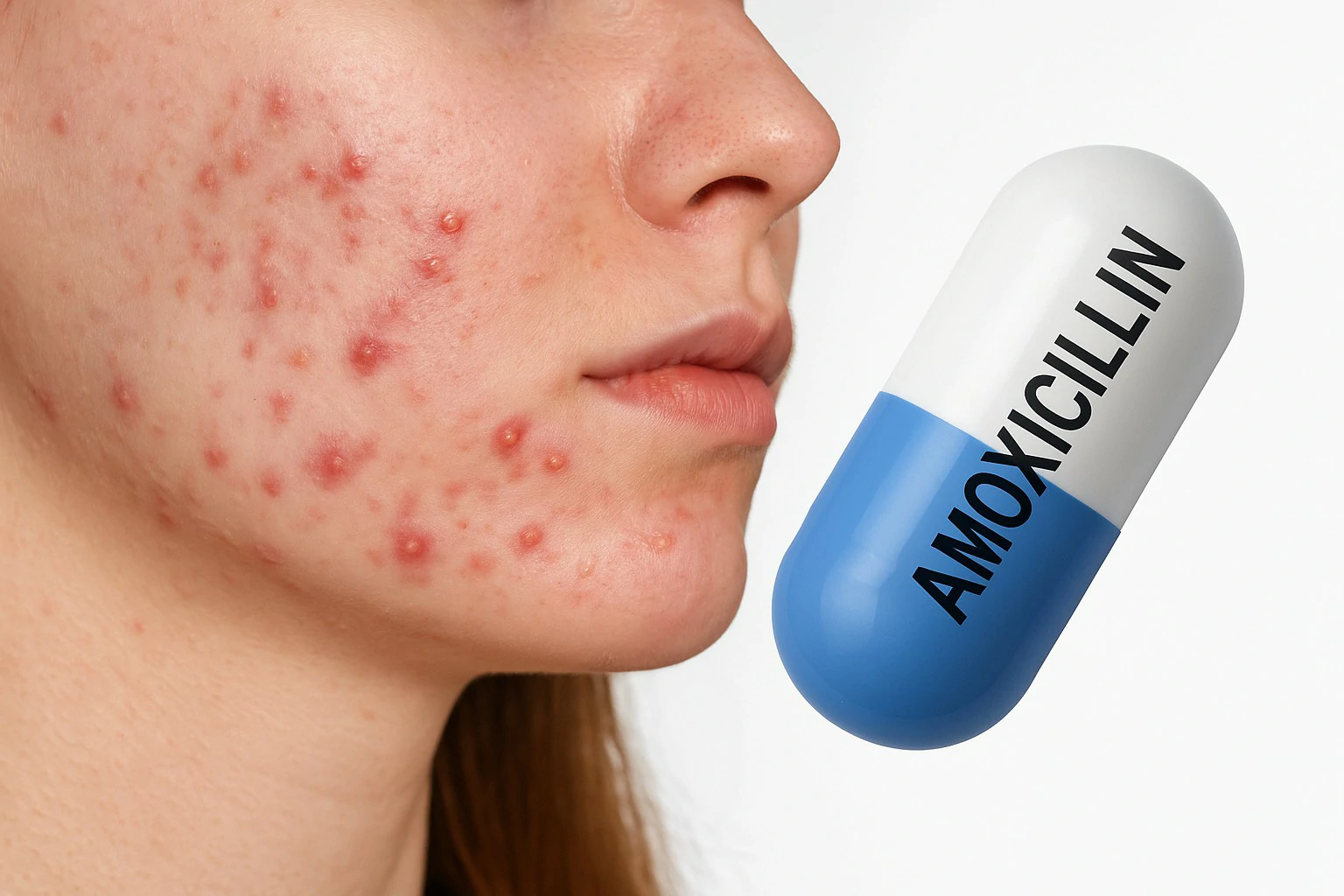
Amoxicillin is widely known as a broad-spectrum antibiotic used to treat bacterial infections like ear infections, strep throat, and urinary tract infections.[1Cleveland Clinic: Amoxicillin oral suspension or pediatric drops.] But can it actually help with a skin condition like acne?
In dermatology, amoxicillin may be used as a secondary treatment for cystic acne—a severe, inflammatory form of acne that develops deep beneath the skin and often causes pain. Although it’s not typically the first-line treatment for acne, dermatologists may prescribe it in certain cases, especially when a patient does not respond well to topical antibiotics or other oral medications.
According to dermatology experts, amoxicillin helps reduce inflammation by targeting acne-related bacteria, particularly Cutibacterium acnes.[2ScienceDirect: Acne vulgaris: A review of the pathophysiology, treatment, and recent nanotechnology based advances.] By lowering the bacterial load, it can calm inflammation and gradually reduce the appearance of acne lesions.
However, its use should be carefully considered. Amoxicillin isn’t suitable for everyone, and long-term use may contribute to antibiotic resistance.
If you’re struggling with persistent, severe acne, speak with a dermatologist. They can assess whether amoxicillin is a safe and appropriate option in your personalized treatment plan.
What Is Amoxicillin and How Does It Relate to Acne?
Amoxicillin is a penicillin-based antibiotic that’s commonly prescribed for short-term bacterial infections, such as respiratory tract infections and UTIs. But surprisingly, this medication can also have a role in skincare—particularly in treating inflammatory acne.
In the context of acne, amoxicillin is typically reserved for more stubborn or widespread inflammatory breakouts, such as pustules and cysts. It’s not designed to treat blackheads, whiteheads, or the occasional pimple.
Dermatologists may consider prescribing oral antibiotics like amoxicillin when topical treatments fail or when acne affects larger areas like the chest and back. In these cases, the antibiotic helps by decreasing the presence of inflammation-triggering bacteria.
Still, amoxicillin should only be used under medical supervision. It’s not a one-size-fits-all solution and requires careful evaluation to ensure its effectiveness and safety.
Benefits of Amoxicillin for Acne Treatment
Although it’s not the go-to option, amoxicillin offers several potential benefits when treating specific types of acne. One of its key advantages is its anti-inflammatory effect, which can help reduce redness, swelling, and pain in severe acne.
According to dermatologists, amoxicillin works by suppressing Cutibacterium acnes—a bacteria known to fuel acne inflammation. While other antibiotics like doxycycline or minocycline may be more potent, amoxicillin still proves effective in reducing inflammation, especially in painful cystic acne.
A 2018 study published in The International Journal of Women’s Dermatology found that patients using amoxicillin saw up to an 85% improvement in acne within 90 days.[3Guzman AK, Choi JK, James WD. Safety and effectiveness of amoxicillin in the treatment of inflammatory acne. Int J Womens Dermatol. 2018;4(3):174-175. doi:10.1016/j.ijwd.2018.03.006.] However, all participants were also on other acne treatments, highlighting that amoxicillin is most effective when used as part of a comprehensive skincare plan.
Additionally, amoxicillin may be a safer choice for certain individuals—like pregnant women or those with sensitivities to other acne medications (e.g., tetracyclines or topical retinoids).[4American Academy of Dermatology Association: Is any acne treatment safe to use during pregnancy?] With proper guidance, it can serve as a gentle yet supportive option in complex treatment scenarios.
Potential Side Effects and Risks to Consider
While amoxicillin can help in managing inflammatory acne, it’s not without its downsides. Like all medications, it carries the risk of side effects—some mild, others more serious.
Common side effects include nausea, diarrhea, skin rashes, vomiting, and yeast infections.[5Healthline: Side Effects of Amoxicillin.] In rare cases, patients may experience more severe reactions such as liver issues (evidenced by yellowing of the skin or eyes) or extreme fatigue.
Amoxicillin may also interact with other medications, including birth control pills. That’s why it’s crucial to inform your healthcare provider about any other drugs you’re taking to avoid negative interactions.
Another major concern with antibiotics is bacterial resistance. To minimize this risk, dermatologists typically limit amoxicillin use to no more than three to four months. This helps preserve the medication’s long-term effectiveness while protecting your overall health.
How to Use Amoxicillin for Acne
If your dermatologist prescribes amoxicillin for acne, it’s important to follow usage instructions carefully to maximize results and reduce risks.
One key guideline is to avoid using topical and oral antibiotics at the same time, as this can increase bacterial resistance. For instance, clindamycin—a common topical antibiotic—should not be used concurrently with amoxicillin.[6Guzman AK, Choi JK, James WD. Safety and effectiveness of amoxicillin in the treatment of inflammatory acne. Int J Womens Dermatol. 2018;4(3):174-175. doi:10.1016/j.ijwd.2018.03.006.]
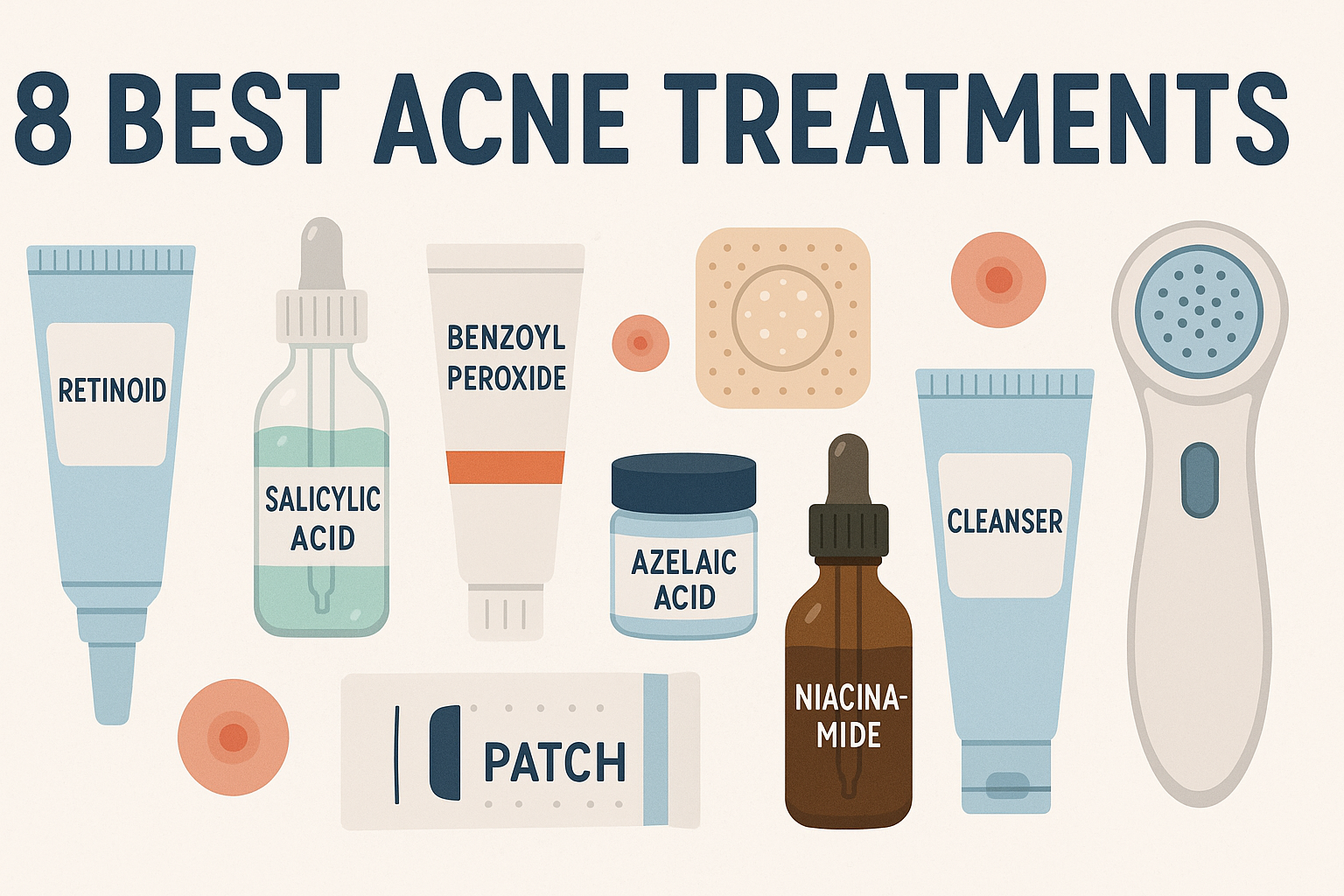
Instead, dermatologists often recommend combining amoxicillin with other acne-fighting agents like retinoids and benzoyl peroxide:
- Topical retinoids help speed up cell turnover and prevent clogged pores.
- Benzoyl peroxide has strong antibacterial properties that reduce acne-causing bacteria on the skin.
Typically, amoxicillin is prescribed at a dosage of 500 mg taken twice a day. During treatment, it’s also advised to avoid alcohol, as it can put extra strain on the liver and heighten the risk of side effects.
Always use amoxicillin under the guidance of a qualified healthcare provider. Personalized supervision ensures that the treatment is both safe and effective for your unique skin condition.
Amoxicillin vs. Acne Antibiotics
One key thing to understand about amoxicillin is that it’s not a first-choice treatment for acne. Dermatologists agree that while it may help in certain cases, it’s generally not the most effective or targeted option for managing breakouts.
In clinical practice, antibiotics like doxycycline and minocycline are preferred for treating acne. These medications have a more targeted effect against Cutibacterium acnes, the bacteria linked to acne inflammation. In contrast, amoxicillin is a broad-spectrum antibiotic, meaning it affects a wider range of bacteria—not just those involved in acne.
Because of its broader action, amoxicillin is typically used short term and only when necessary. Oral antibiotics for acne usually take a few weeks to show visible improvement, so amoxicillin tends to be a selective option, not a standard protocol.
However, there are exceptions. Amoxicillin may be considered for people who are pregnant or allergic to more commonly used acne antibiotics. In such cases, it offers a safer alternative—but always under the supervision of a healthcare provider.
How Amoxicillin Works to Treat Acne
Medically, amoxicillin works by inhibiting the growth of infection-causing bacteria—including Cutibacterium acnes, the microorganism that contributes to inflammatory acne. As a penicillin-class antibiotic, it weakens the bacterial cell wall, preventing bacteria from multiplying.
That said, amoxicillin is not a first-line acne treatment. Dermatology experts note that its broad-spectrum nature makes it a less focused solution compared to drugs like doxycycline or minocycline. It’s usually prescribed when those preferred options aren’t viable—due to side effects, allergies, or other health factors.
In certain cases, amoxicillin may be helpful for treating severe acne that doesn’t respond to conventional therapy, especially when secondary infections or other complicating conditions are present.
Even though it can help reduce bacterial activity and inflammation, using amoxicillin alone is rarely enough. To minimize the risk of antibiotic resistance, doctors often combine it with topical treatments like retinoids or benzoyl peroxide for a more balanced and effective skincare plan.
If amoxicillin is part of your acne treatment, make sure it’s under a dermatologist’s guidance. Proper dosing and timing are essential for results and long-term skin health.
Who Should (and Shouldn’t) Use It?
While amoxicillin can be a helpful alternative in certain acne treatment plans, it’s not suitable for everyone. It’s generally recommended for patients with moderate to severe inflammatory acne—especially when more common treatments have failed or caused adverse reactions.
You may be a candidate for amoxicillin if:
- You have persistent or cystic acne with signs of bacterial infection
- You’re allergic to tetracyclines (like doxycycline or minocycline)
- You’re pregnant and require a safer antibiotic option
- You need a short-term oral therapy in combination with topical treatments
However, amoxicillin should be avoided in the following cases:
- You have a known allergy to penicillin or beta-lactam antibiotics
- You suffer from severe kidney impairment without close medical supervision
- You have mild acne that can be effectively managed with topical products alone
A board-certified dermatologist emphasizes that systemic antibiotics should only be used when absolutely necessary. That’s why a full skin assessment is crucial before starting this kind of treatment—it ensures you’re using the right medication safely and strategically.
Alternatives to Amoxicillin for Acne
Although amoxicillin has its place in acne therapy, many dermatologists prefer antibiotics that offer more targeted action and lower risk of bacterial resistance. These alternatives are often more effective and widely used in clinical practice.
Here are some of the most trusted options:
- Doxycycline: One of the most prescribed oral antibiotics for inflammatory acne. It reduces both C. acnes bacteria and overall inflammation.
- Minocycline: Similar to doxycycline, but may offer stronger anti-inflammatory effects. Often chosen when other medications don’t work.
- Tetracycline: Less commonly used today but still effective for mild to moderate acne in certain cases.
- Trimethoprim-sulfamethoxazole (Bactrim): A powerful option for resistant or severe acne, typically used under close medical supervision.
- Topical antibiotics like clindamycin: Often paired with benzoyl peroxide to reduce resistance and kill acne-causing bacteria.
Choosing the right acne treatment depends on multiple factors—your skin type, medical history, the severity of your acne, and how you’ve responded to past treatments.
Consulting a dermatologist is key. They can help customize a plan that’s both safe and effective—whether that includes amoxicillin or one of the many other options available today.
Final Thoughts
Amoxicillin can be a useful acne treatment—but only in specific situations. While it’s not the first-line option for managing breakouts, it may offer benefits for those with moderate to severe inflammatory acne who can’t tolerate more commonly used antibiotics.
Its main strength lies in reducing inflammation and targeting acne-causing bacteria, particularly when used as part of a well-rounded treatment plan that includes topical agents like retinoids and benzoyl peroxide. However, due to the risk of side effects and antibiotic resistance, amoxicillin should only be used under the guidance of a dermatologist.
If you’re just beginning your skincare journey and struggling with persistent acne, don’t self-diagnose or experiment with prescription antibiotics on your own. Talk to a qualified skin specialist to explore your safest, most effective options—whether that includes amoxicillin or alternative acne treatments better suited for your skin.
Remember, clear skin is possible with the right support and a personalized approach.
ARTICLE SOURCES
You might also like


 Acne
Acne Anti-Aging
 Business
 Digital Marketing
 Economics
 Exfoliation
 Hair Removal
 Movies
 Personal Finance
 Websites