How to Apply SPF for Maximum Sun Protection

Understanding how to apply SPF correctly is essential for keeping your skin healthy, especially if you spend time outdoors. Modern skincare emphasizes that UV protection isn’t just about choosing a high SPF number—it’s about using the right application technique. One of the most dermatologist-approved methods is the two-finger rule, a simple technique that helps you apply enough sunscreen for reliable daily protection.
Studies show that most people apply only 20–50% of the recommended amount, drastically lowering the actual protection they receive. As a result, the skin remains vulnerable to UV-induced damage, early aging, and uneven pigmentation.[1Petersen B, Wulf HC. Application of sunscreen–theory and reality. Photodermatol Photoimmunol Photomed. 2014;30(2-3):96-101. doi:10.1111/phpp.12099.]
To get the most out of your sunscreen, it helps to understand how much product you truly need, which areas are often missed, and which formulas dermatologists recommend for everyday use. The following sections break everything down in a practical, beginner-friendly way so you can apply SPF confidently and keep your skin protected year-round.
Key Benefits of Using Sunscreen Daily
Sunscreen is a core step in maintaining long-term skin health because it shields your skin from harmful ultraviolet radiation. According to dermatologist Dr. Michael I. Jacobs, sunscreen creates a protective barrier that reduces UV penetration and minimizes cellular damage.
Beyond basic protection, consistent SPF use offers several benefits:
- Helps maintain an even skin tone
- Reduces the risk of sunburn
- Controls hyperpigmentation
- Slows visible signs of aging
- Minimizes inflammation
- Lowers long-term skin cancer risk[2Shanbhag S, Nayak A, Narayan R, Nayak UY. Anti-aging and sunscreens: paradigm shift in cosmetics. Adv Pharm Bull. 2019;9(3):348-359. doi:10.15171/apb.2019.042.]
Beauty expert Okikiola Asher highlights that UV exposure is the main trigger of photo-aging and many common skin issues. For this reason, dermatologists recommend pairing sunscreen with additional barriers such as hats, protective clothing, and UV-blocking sunglasses.
Asher also advises making sunscreen a non-negotiable part of your morning routine—apply it after moisturizer and before makeup to maximize its protective benefits.
How to Apply SPF the Right Way
The two-finger method is widely recommended because it provides an easy estimate of how much sunscreen your face needs. Simply apply two stripes of SPF along your index and middle fingers before spreading it evenly across your skin. Expert Okikiola Asher notes that SPF 30 or higher is ideal for daily use, especially if your lifestyle involves regular sun exposure.
However, applying sunscreen once is not enough. Heat, sweat, natural oils, and friction gradually break down its protective layer. Dermatologists therefore advise reapplying every two hours, particularly when outdoors.
Dermatologist Dr. Sam Bunting compares sunscreen to paint: the protection works only when the “coat” is even. She emphasizes that reapplying every 120 minutes under direct sunlight is crucial for maintaining consistent UV defense throughout the day.
How Much Sunscreen You Actually Need
Using the right amount of sunscreen ensures you receive the full SPF protection indicated on the label. Dermatologist Dr. Sam Bunting recommends approximately 2 mg of sunscreen per cm² of skin—an amount most people unknowingly underuse. Practically, this translates to about ¼ teaspoon for the face and roughly one shot glass (30 ml) for the entire body.
Dr. Michael I. Jacobs supports this guideline and notes that around one ounce of sunscreen is needed to effectively cover exposed skin during outdoor activities.
Because sunscreen wears off with sweat, water, and physical touch, experts stress the importance of reapplying every two hours and immediately after swimming or heavy sweating.
Dr. Bunting adds that sunscreen should be the final step of your morning skincare routine—even if your foundation contains SPF—to ensure it forms an even, uninterrupted UV-blocking layer on your skin.
When to Apply Sunscreen
Sunscreen should never depend on the weather or season. According to skincare expert Okikiola Asher, UV rays can penetrate clouds and still reach the skin even on rainy or overcast days. Indoors, UVA rays easily pass through windows—meaning daily protection is still essential. For this reason, dermatologists recommend applying sunscreen every morning as a consistent part of your routine, not only when you plan to be outdoors.
Experts also emphasize that SPF is not a seasonal product. Wearing it year-round helps reduce cumulative skin damage, including early aging and hyperpigmentation. Asher notes that the biggest challenge often appears among makeup users, who find reapplication inconvenient.
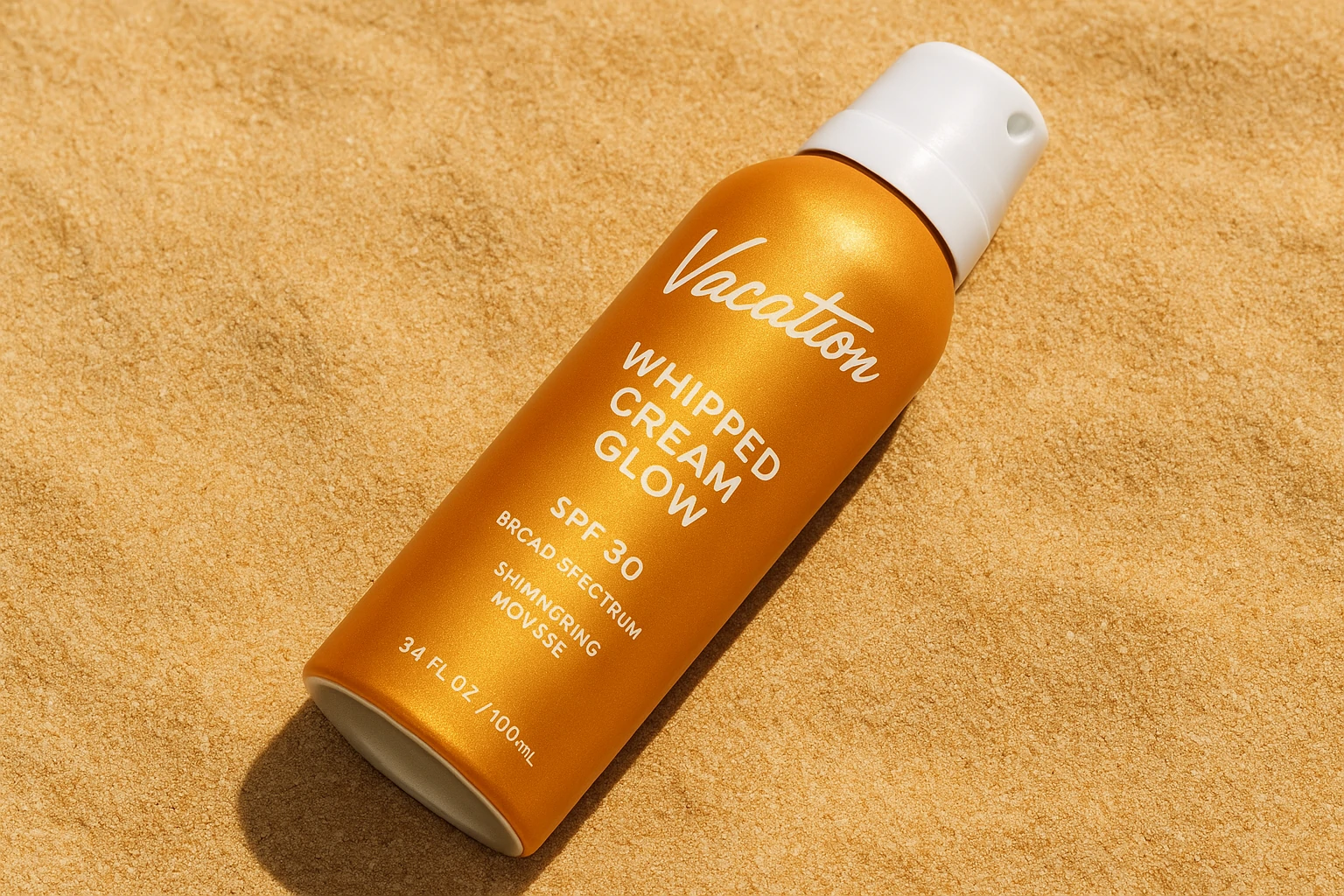
To make things easier, many dermatologists suggest using spray sunscreen for touch-ups, as it won’t disrupt your makeup. Setting a two-hour timer can also help you remember to reapply, especially on busy days or when you’re frequently exposed to sunlight. With these simple habits, your daily UV protection becomes far more consistent and effective.
Choosing the Proper SPF
Picking the right SPF isn’t only about the number on the bottle—it also depends on how you use it. The American Academy of Dermatology recommends broad-spectrum sunscreen with at least SPF 30 for everyday protection, as it shields the skin from both UVA and UVB rays.[3American Academy of Dermatology Association. Sunscreen FAQs.] This dual defense is crucial for preventing sunburn, premature aging, and long-term cellular damage.
Dermatologist Dr. Sam Bunting highlights that SPF effectiveness is strongly influenced by how much you apply. Many people assume that using a higher SPF, like SPF 50 or 100, provides stronger protection without proper application. Experts warn this is misleading. Regardless of the SPF level, protection works only when applied generously and reapplied as recommended.
Medical guidelines consistently stress reapplication every two hours when outdoors to maintain a stable protective layer. In short, technique and consistency matter just as much as the SPF number.
Mineral vs. Chemical Sunscreen: Which One Should You Choose?
Choosing between mineral and chemical sunscreen can be confusing, especially for beginners. Both offer UV protection, but their mechanisms differ and can affect how they feel on the skin.
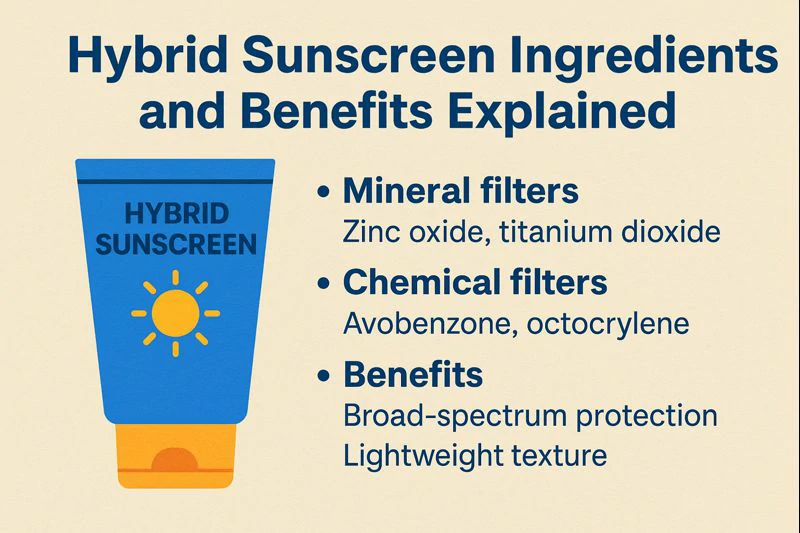
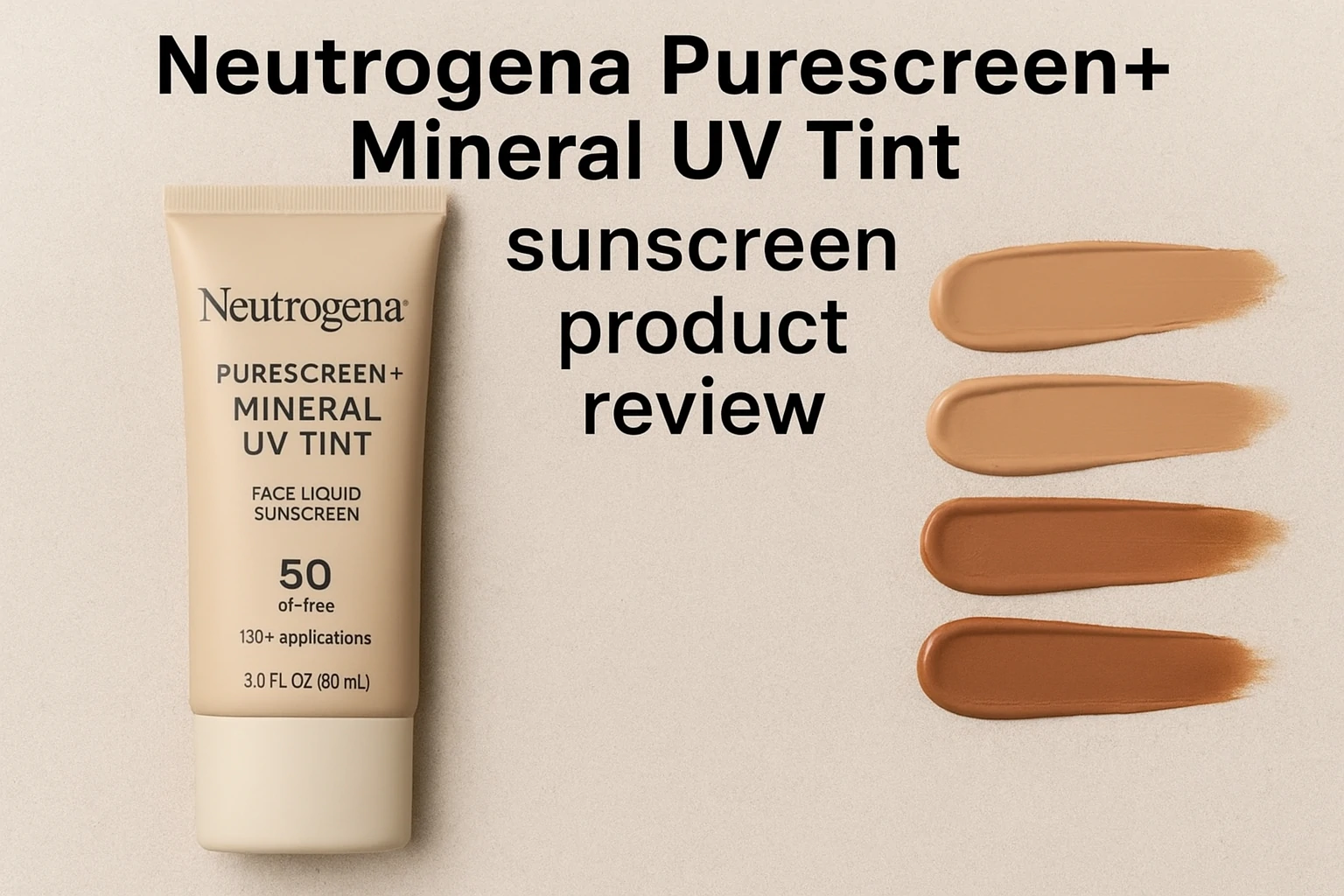
Dermatologists explain that mineral sunscreen—typically containing zinc oxide or titanium dioxide—works by reflecting and scattering UV rays before they reach the skin. Because of its gentle nature, this type is often recommended for sensitive skin, children, or individuals prone to irritation. Mineral formulas are also photostable and start working immediately after application.
Meanwhile, chemical sunscreen uses filters such as avobenzone or octisalate to absorb UV rays and convert them into heat. Many dermatologists note that this option tends to be lightweight, blends easily, and leaves no white cast, making it ideal for oily skin or makeup wearers. However, some sensitive individuals may react to certain chemical ingredients.
Experts consistently advise choosing based on comfort, skin type, and texture preference. Ultimately, the best sunscreen is the one you enjoy using daily—and apply in the right amount.
Best Sunscreen for Different Skin Types (Oily, Dry, Sensitive, Acne-Prone)
Selecting a sunscreen that suits your skin type can significantly improve comfort and boost daily UV protection. Dermatologists agree that choosing the right formula helps prevent irritation, manage oil levels, and reduce common skin concerns caused by mismatched products.
For oily skin, experts recommend gel, water-based, or oil-free sunscreens. These textures help control shine and avoid clogged pores. Products labeled non-comedogenic are especially beneficial for those prone to excess sebum.
For dry skin, dermatologists often suggest cream or lotion textures enriched with moisturizing ingredients like ceramides or hyaluronic acid. These formulas lock in hydration while providing stable sun protection.
For sensitive skin, mineral sunscreens containing zinc oxide or titanium dioxide are commonly recommended because they’re gentle and less likely to trigger irritation.
For acne-prone skin, lightweight, fast-absorbing, and non-comedogenic formulas are ideal. Experts note that these combinations help prevent pore blockage and reduce inflammation.
For any skin type, the core rule remains the same: apply enough product and reapply consistently throughout the day to maintain optimal protection.
Common Sunscreen Mistakes and How to Fix Them
Many people wear sunscreen daily but still use it incorrectly, reducing its effectiveness. Dermatologists highlight several common mistakes that can easily be fixed with simple tweaks.
The biggest issue is using too little product. Experts recommend applying two full finger-lengths of sunscreen for the face and neck. Using less than this significantly lowers the SPF protection shown on the label.
Another major mistake is skipping reapplication. Wearing sunscreen only once in the morning isn’t enough, as sweat, oil, and UV exposure break down its protective layer. Reapply every two hours—especially during outdoor activities—to maintain proper coverage.
People also often miss areas like the ears, back of the neck, and hands. Dermatologists warn these spots are prone to early signs of aging.
Lastly, applying sunscreen after makeup is a common misconception. SPF should always be the final step of your skincare routine, but applied before foundation. Correcting these simple habits ensures your sunscreen performs at its full potential.
Final Thoughts
Daily sunscreen use is one of the simplest and most effective ways to protect your skin long-term. No matter the weather or season, UV rays reach your skin—indoors and outdoors—so consistent morning application and two-hour reapplication are essential. The right SPF, ideally broad-spectrum SPF 30 or higher, only works when applied generously and evenly.
Whether you choose mineral or chemical sunscreen, the best formula is the one that suits your skin type and feels comfortable enough to use every day. Matching your sunscreen to your skin—oily, dry, sensitive, or acne-prone—helps maintain both protection and comfort.
By avoiding common mistakes, applying enough product, and treating sunscreen as a non-negotiable step in your routine, you build a strong defense against premature aging, hyperpigmentation, and long-term skin damage. Consistency is the real key to healthy, protected skin year-round.
ARTICLE SOURCES
You might also like
 Acne
Acne Anti-Aging
 Business
 Digital Marketing
 Economics
 Exfoliation
 Hair Removal
 Movies
 Personal Finance
 Websites