Argan Oil for Skin: Top Benefits, Uses & How to Apply
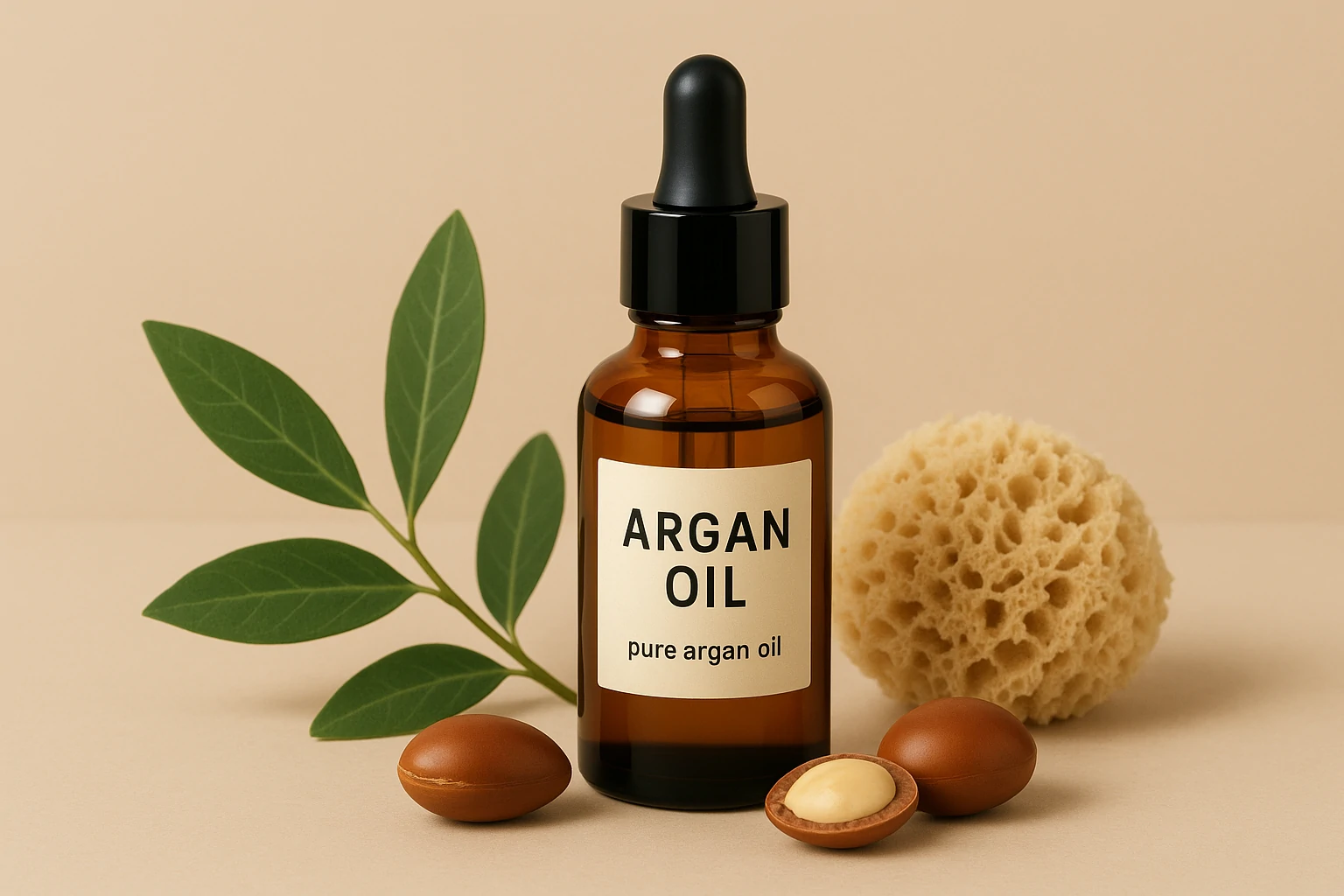
Often called the “liquid gold” of Morocco, argan oil has earned its place in modern skincare for a reason. Packed with antioxidants, vitamin E, and essential fatty acids, this natural oil has been trusted for centuries to nourish, protect, and revitalize the skin.
Today, dermatologists recognize argan oil as a versatile skincare ingredient suitable for all skin types—including sensitive and acne-prone skin. Whether used as a daily moisturizer, overnight serum, or mixed into DIY face masks, its ability to hydrate, soothe, and improve skin texture makes it a valuable addition to any skincare routine.
In this article, you’ll learn everything you need to know about the top benefits of argan oil for skin, how to use it effectively, and tips for choosing the right product. If you’re just starting your skincare journey, this guide will help you unlock the full potential of this powerhouse ingredient—naturally.
What is Argan Oil?
Argan oil is a plant-based oil extracted from the kernels of the argan tree (Argania spinosa), which grows exclusively in southwestern Morocco.[1Adewale Johnson Folayan,Paul Apeye Lucky Anawe. Synthesis and characterization of Argania spinosa (Argan oil) biodiesel by sodium hydroxide catalyzed transesterification reaction as alternative for petro-diesel in direct injection, compression ignition engines. Sciencedirect. 14 September 2019.] Traditionally, it’s cold-pressed—meaning it’s extracted without heat to preserve its rich nutrient content. While some industrial methods now use chemical solvents for faster production, cold-pressed argan oil remains the gold standard for skincare quality.
Rich in antioxidants, vitamin E, and essential fatty acids like linoleic and oleic acids, argan oil is celebrated in dermatology for its ability to nourish and protect the skin. According to board-certified dermatologist Dr. Rachel Nazarian, “Argan oil is lightweight, non-comedogenic, and well-tolerated—even by sensitive or acne-prone skin types.”
Because of its gentle nature and high absorbability, argan oil is a safe and effective option for daily skin hydration and repair—making it a go-to for clean beauty enthusiasts and skincare beginners alike.
Argan Oil Benefits for Skin
Argan oil is widely praised as one of the most beneficial natural oils for skin care—and the science backs it up. Here are the top benefits it offers:
- Rich in Antioxidants
Argan oil contains polyphenols and vitamin E, which act as powerful antioxidants. These help fight free radicals—the unstable molecules that contribute to premature aging. Regular use can improve skin texture, enhance elasticity, and protect against environmental damage. - Moisturizes and Softens Skin
Its composition is dominated by essential fatty acids, especially oleic and linoleic acids. These help lock in moisture, restore skin softness, and strengthen the skin’s protective barrier. - Soothes Inflammation
Argan oil has natural anti-inflammatory properties, which make it ideal for calming irritated or reactive skin. It can help reduce redness, itching, and mild flare-ups caused by dryness or sensitivity. - Safe for Acne-Prone Skin
Because it’s non-comedogenic, argan oil doesn’t clog pores. It hydrates the skin without leaving a greasy residue, making it a great choice for people with oily or acne-prone skin. - Prevents Moisture Loss
Argan oil helps reduce transepidermal water loss (TEWL), keeping your skin hydrated for longer and supporting its ability to retain moisture—an essential factor in maintaining a healthy skin barrier.
1. Deep Hydration for Dry Skin
Dry skin is more than just a surface issue—it can lead to flakiness, tightness, and discomfort. What it really needs is deep, lasting hydration, and argan oil is one of the best natural options for that.
Thanks to its high content of linoleic and oleic acids, argan oil penetrates deeper into the skin than most synthetic moisturizers. These fatty acids help repair the skin’s natural barrier and retain moisture. Vitamin E, a natural antioxidant, also helps protect against dryness caused by environmental stressors like cold weather or indoor heating.
According to dermatologist Dr. Marisa Garshick, applying argan oil regularly can significantly improve skin hydration—even in those with very dry or rough skin. It’s often recommended for mild eczema or skin that’s become dehydrated from harsh climates.
For best results, apply argan oil right after showering while your skin is still damp. This helps the oil absorb more efficiently and lock in moisture. Choose products that are labeled “100% pure” and “cold-pressed” to ensure you’re getting the highest quality oil without added fragrances or chemicals.
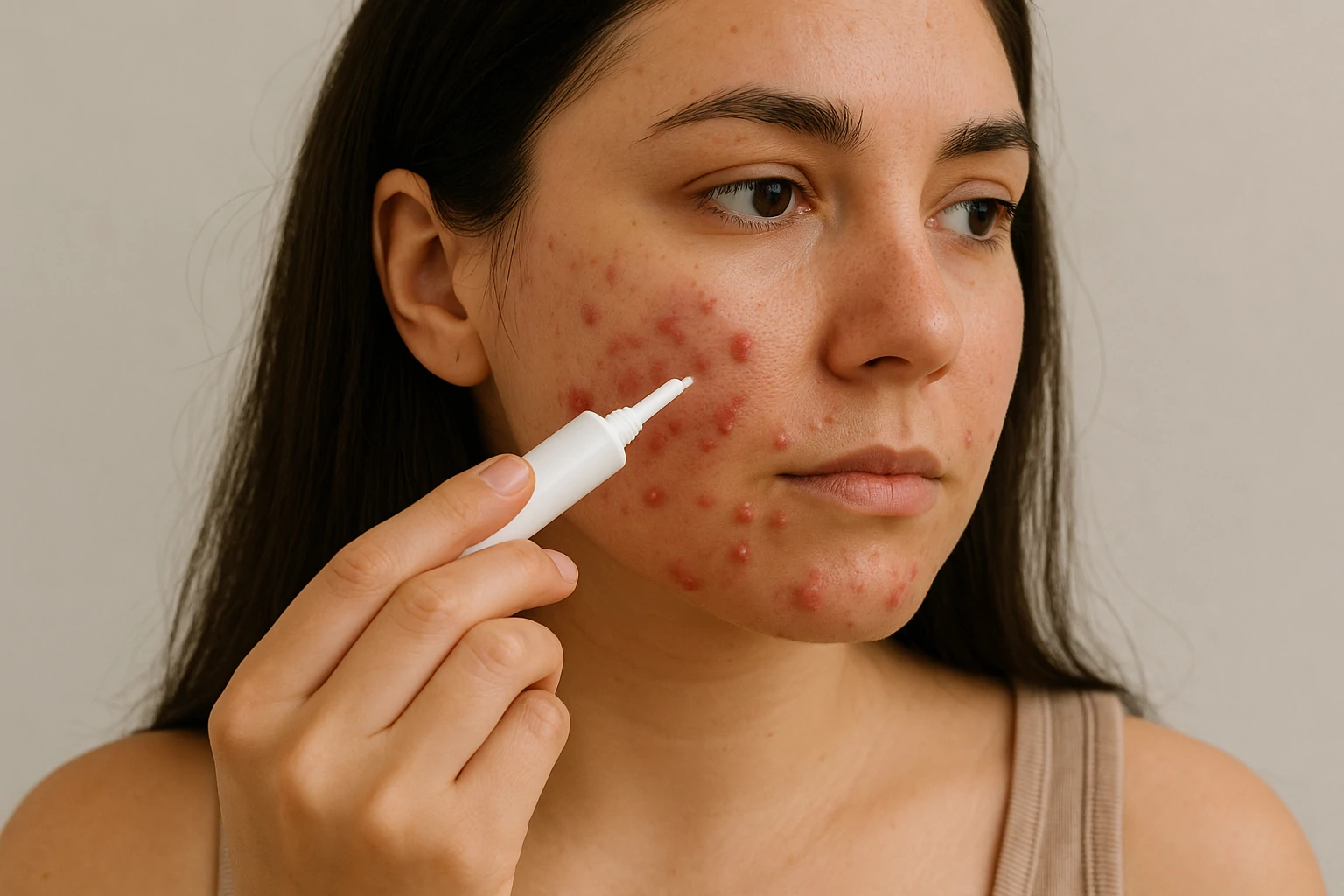
2. Fights Acne and Breakouts
Using oil to treat acne might sound risky, but argan oil is a clear exception. Its lightweight, non-comedogenic formula makes it an excellent option for people with oily or acne-prone skin.
Argan oil contains linoleic acid, which has been shown to help balance natural sebum production—a common factor in breakouts. It also has anti-inflammatory and antibacterial properties that can help calm active blemishes and prevent further irritation or infection.
Dermatologist Dr. Whitney Bowe explains that argan oil supports skin healing and reduces the inflammation associated with acne, making it a gentle yet effective option for breakout-prone skin.
Vitamin E in argan oil helps support skin regeneration, reducing the appearance of post-acne marks and improving skin texture over time.
To use it, apply 2–3 drops of argan oil to clean skin before bedtime. You can use it on its own or mix it with a gentle serum, as long as it doesn’t contain harsh active ingredients like strong retinoids. With regular use, many users notice fewer breakouts and an overall clearer complexion.
3. Anti-Aging and Wrinkle Reduction
Fine lines, wrinkles, and sagging skin are natural signs of aging, often caused by reduced collagen production and long-term exposure to free radicals. Fortunately, argan oil offers a gentle, natural way to help slow down these effects and maintain youthful-looking skin.
Rich in antioxidants—especially vitamin E and polyphenols—argan oil helps fight oxidative stress, one of the key contributors to premature aging. These nutrients work by protecting skin cells and supporting regeneration. In addition, compounds like sterols and squalene found in argan oil can improve elasticity and promote natural collagen synthesis.
Experts in skincare note that with consistent use, argan oil can noticeably improve skin smoothness, firmness, and bounce. Many users also report a more even skin tone and radiant complexion after just a few weeks of nightly application.
To support anti-aging, apply a few drops of argan oil every night, focusing on areas prone to wrinkles such as the forehead, under the eyes, and smile lines. For best results, pair it with daily sun protection and a healthy lifestyle.
4. Improves Skin Elasticity
Skin elasticity is one of the key indicators of healthy, youthful skin. When elasticity begins to decline—due to aging, dehydration, or environmental factors—skin may appear looser, less defined, and more prone to wrinkles. Regular use of argan oil can help counteract this process naturally.
In dermatology, argan oil is recognized for its high levels of squalene, vitamin E (tocopherol), and essential fatty acids. These nutrients help repair the skin’s internal structure, stimulate collagen production, and support cell regeneration.
A natural beauty expert noted that consistent use of argan oil on the face and neck can noticeably improve texture and tone, especially in areas showing early signs of laxity. Clinical studies also support its ability to help maintain skin firmness through its antioxidant and emollient properties.
To target skin firmness, gently massage a few drops of argan oil onto your face and neck before bed. Don’t skip the neck area—it’s often the first place to show signs of aging and needs just as much care.
5. Reduces Redness and Inflammation
Redness and skin inflammation can be signs of a weakened skin barrier, often triggered by irritation, sun exposure, or conditions like rosacea or mild dermatitis. Argan oil is well known for its calming properties and can be a helpful solution for irritated, reactive skin.
This natural oil contains anti-inflammatory compounds such as polyphenols and plant sterols, which help reduce inflammation and strengthen the outer layer of the skin. Vitamin E also plays a key role by neutralizing oxidative stress and supporting skin healing.
Dermatologists often recommend argan oil for sensitive skin because it hydrates without clogging pores or causing further irritation. Its emollient texture helps soften the skin, while its active compounds work to minimize flare-ups over time.
To reduce redness, apply a few drops of argan oil to clean skin in the morning or at night. Gently pat it into the affected areas and avoid over-applying. A light, consistent routine can deliver visible results without overwhelming the skin.
Are There Any Side Effects of Argan Oil?
Argan oil is generally considered very safe for most skin types, even with long-term use. Its natural composition and high skin tolerance make it a trusted choice in dermatology. However, like with any skincare product, some people may experience mild irritation—especially those with known allergies to plant-based ingredients.
While its anti-inflammatory properties benefit many skin conditions, experts warn that not all inflammatory skin issues respond the same way. In certain cases, such as seborrheic dermatitis, applying oils directly may aggravate symptoms and cause more flaking, redness, or itching.
To stay on the safe side, it’s always a good idea to do a patch test before regular use—especially if you have chronic skin concerns. If you’re unsure, consult a dermatologist to determine whether argan oil is a good fit for your skin type and condition.
How to Use Argan Oil for Skin: Step-by-Step Guide
Using argan oil in your skincare routine is simple—but doing it right can make a big difference in how well your skin absorbs the benefits.
Start with clean, slightly damp skin. After washing your face, place 2–3 drops of argan oil into the palm of your hand and warm it by rubbing your hands together. Then gently press or massage the oil into your face and neck using upward motions. This helps improve circulation and ensures even absorption.
For very dry skin, you can use argan oil as the final step in your evening routine—after applying serums or moisturizers—to seal in hydration. Its lightweight texture also makes it suitable for layering under sunscreen or makeup during the day, especially in drier climates.
Dermatologists often recommend nighttime application, since your skin naturally regenerates while you sleep. However, if you’re dealing with extremely dry or flaky skin, applying a small amount in the morning can also provide a moisture boost throughout the day.
Look for high-quality, pure argan oil that’s labeled “cold-pressed” and “fragrance-free.” These labels ensure that the product retains its natural nutrients and doesn’t contain additives that may irritate the skin.
Argan Oil for Specific Skin Concerns
One of the reasons argan oil is so popular in skincare is its versatility. Whether you have sensitive skin, oily skin, or specific skin conditions like eczema or acne scars, argan oil can be adapted to meet different needs. Here’s how to use it based on your skin type or concern:
1. For Sensitive Skin
Sensitive skin is easily triggered by environmental stress, weather changes, or harsh ingredients. Argan oil is known for its gentle, soothing properties, making it a great option for those with easily irritated skin.
Dermatologists highlight its natural anti-inflammatory and antioxidant compounds, which help calm redness, reduce stinging sensations, and protect the skin’s barrier. It’s also less likely to cause allergic reactions compared to synthetic ingredients.
To use, apply just 1–2 drops at night to areas that are reactive or prone to redness. Avoid mixing it with active exfoliants like AHA or BHA in the same routine, as this could increase the risk of irritation.
2. For Oily Skin
It may sound counterintuitive, but oily skin also needs proper hydration. When your skin is dehydrated, it can overcompensate by producing more sebum—leading to clogged pores and breakouts.
Argan oil has a low comedogenic rating, meaning it won’t block pores. It can actually help balance oil levels without making your skin greasy. For oily skin types, dermatologists often recommend using argan oil in place of a traditional moisturizer at night.
Use just 1–2 drops and apply only to areas that feel dry or imbalanced. Avoid layering too many heavy products on top to keep your skin breathable and balanced.
3. For Eczema or Psoriasis
Skin conditions like eczema and psoriasis require special care to soothe inflammation and restore the skin barrier. Argan oil is rich in essential fatty acids and antioxidants, which help calm irritation and support healing.
According to dermatologists, applying argan oil to affected areas twice a day—especially after showering—can provide relief from dryness and itchiness. However, it’s important to do a patch test first, especially during flare-ups, as very reactive skin may still respond to even gentle oils.
Always check with a dermatologist if you have moderate to severe symptoms, and use argan oil as a complementary treatment rather than a standalone cure.
4. For Scars and Dark Spots
Scars and dark spots—often the result of acne, sun exposure, or minor injuries—can take time to fade. Vitamin E, found naturally in argan oil, supports skin regeneration and can help reduce the appearance of discoloration over time.
For targeted care, gently massage a few drops into the affected area every night. You can also pair it with natural brightening ingredients like niacinamide, as long as your skin doesn’t show signs of irritation.
Consistent use may help improve skin tone, smooth texture, and support overall skin clarity.
5. Expert Tips
While argan oil is beneficial on its own, combining it with other active ingredients can enhance its effects—if done carefully.
The oleic and linoleic acids in argan oil are known to increase the penetration of other ingredients into deeper layers of the skin. This can be helpful for delivering actives more effectively—but it also raises the risk of irritation, especially with strong actives like retinol or chemical exfoliants.
Skin experts recommend introducing new products gradually and avoiding layering argan oil with strong actives at the same time—especially if you have sensitive skin. If irritation occurs, it’s easier to identify the cause when you space out product introduction.
Always read usage instructions, perform a patch test, and pay attention to your skin’s response. When used thoughtfully, combining argan oil with other actives can bring excellent results.
Recommended Argan Oil Products and Certifications
With so many argan oil products available, it’s important to choose one that is pure, high-quality, and safe for skin use. Look for labels like “100% pure,” “cold-pressed,” and “organic,” which indicate the oil has been extracted without harsh chemicals and retains its full nutritional value.
Here are a few dermatologist-approved and user-favorite options:
- The Ordinary 100% Organic Cold-Pressed Moroccan Argan Oil
A minimalist formula with no added ingredients, perfect for those who want pure, effective hydration for both skin and hair. - Josie Maran 100% Pure Argan Oil
A pioneer in clean beauty, this product is known for its quality, ethical sourcing, and suitability for sensitive skin. - OGX Renewing Argan Oil of Morocco Extra Penetrating Oil
Formulated for dry or damaged hair, this version of argan oil delivers deep nourishment and shine without weighing hair down.
Whichever brand you choose, make sure to check that the product is suitable for facial use and free from synthetic fragrances or additives.
Why Use Argan Oil for Skin?
Argan oil has earned its place in skincare routines around the world thanks to its rich nutritional profile and natural origin. It’s packed with vitamin E, essential fatty acids, and antioxidants—all key components for supporting healthy, hydrated, and resilient skin.
In dermatology, argan oil is valued for its ability to address a wide range of concerns, from dryness and dullness to mild inflammation and sensitivity. Its non-comedogenic nature makes it suitable for every skin type, including oily and acne-prone skin.
More than just a moisturizer, argan oil helps strengthen the skin’s natural barrier, reduce irritation, and prevent moisture loss (transepidermal water loss). Because it’s gentle and low-risk, many skin professionals recommend it as a core part of a beginner-friendly, everyday routine.
With its multitasking benefits and natural composition, argan oil is a practical, effective, and affordable way to keep your skin looking healthy, radiant, and balanced.
Final Thoughts
If you’re looking for a natural, beginner-friendly ingredient that offers real results—argan oil is a solid choice. Its rich blend of vitamin E, essential fatty acids, and antioxidants makes it a powerful multitasker for nearly every skin type and concern.
From boosting hydration and calming inflammation to reducing signs of aging and improving skin tone, argan oil delivers visible benefits with minimal risk of irritation. It’s especially helpful if you’re just starting to build your skincare routine and want something simple, safe, and effective.
Best of all, argan oil fits easily into your daily regimen—whether used on its own or paired with other products. Just be sure to choose high-quality, cold-pressed oil and pay attention to how your skin reacts, especially if combining it with active ingredients.
In short, argan oil isn’t just a trend—it’s a time-tested, dermatologist-backed solution that can help your skin look and feel its best, naturally.
ARTICLE SOURCES
You might also like


 Acne
Acne Anti-Aging
 Business
 Digital Marketing
 Economics
 Exfoliation
 Hair Removal
 Movies
 Personal Finance
 Websites