Why Beauty Tourism Is Booming in South Korea
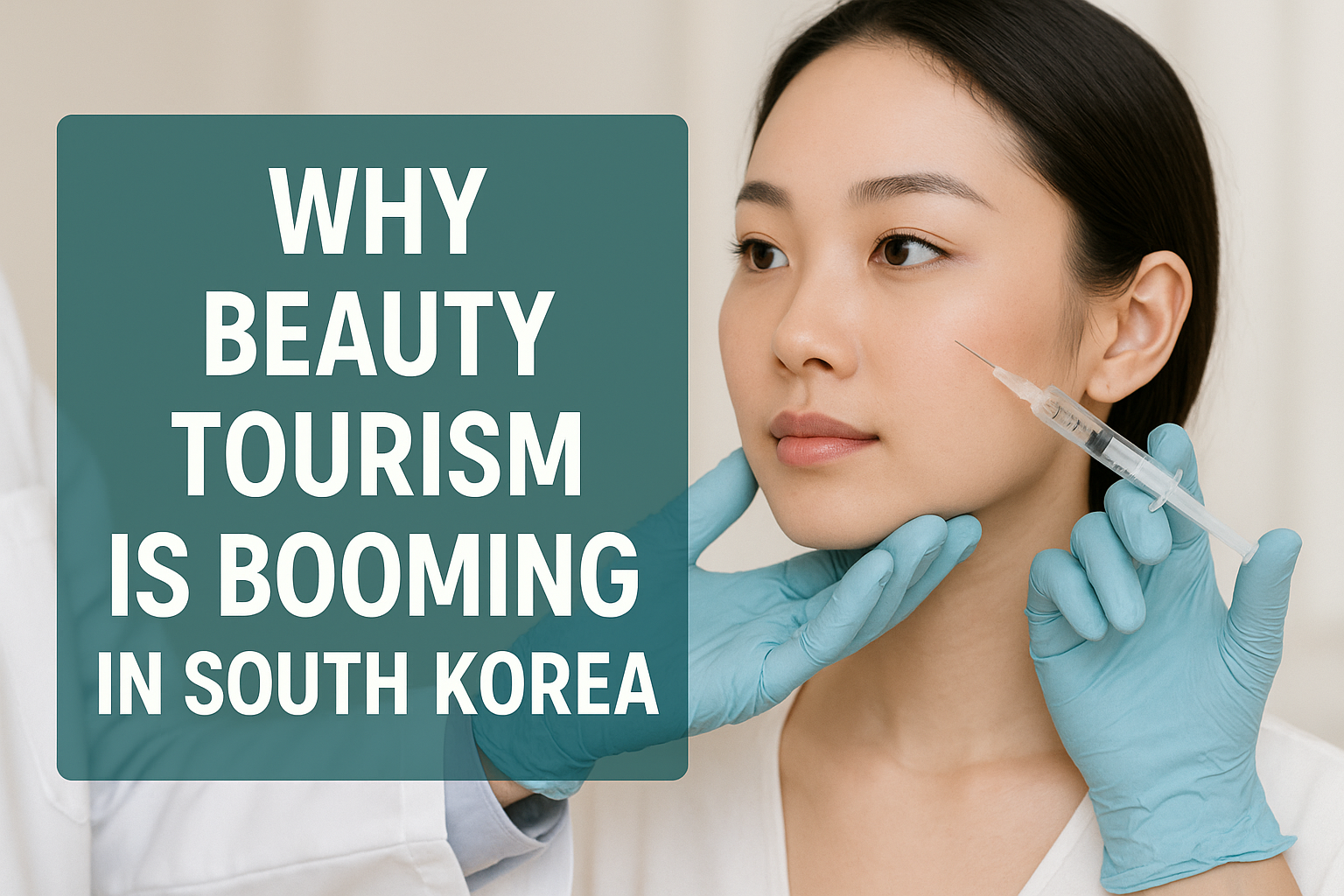
Beauty tourism in South Korea has seen an explosive rise over the past decade. Unlike routine skincare treatments at local clinics, this trend involves traveling across borders for high-quality aesthetic procedures. South Korea stands out as a top destination thanks to its reputation for innovation in skincare and cosmetic treatments.[1South Korea: plastic surgery foreign patients 2023. Statista.]
Globally recognized for advanced procedures like Botox, chemical peels, and world-class plastic surgery, Korea attracts over 100,000 international visitors annually for cosmetic and medical treatments, according to Statista.
What draws visitors in? A winning combination of natural-looking results, competitive pricing, and skilled medical professionals. Korean beauty trends—emphasizing clear, youthful, and healthy skin—further fuel this appeal.
Before booking any procedures, it’s essential to research current trends and techniques. A well-informed decision ensures that the treatment outcomes align with expectations and delivers the optimal glow-up you’re hoping for.
The Rapid Growth of South Korea’s Beauty Tourism Industry
Since the rise of the K-beauty wave in the early 2010s, South Korea has transformed into a global epicenter for cosmetic innovation. The popularity of brands like Dr. Jart+, Glow Recipe, and Peach & Lily introduced international audiences to the Korean standard of flawless, glowing skin—or “glass skin.”
By 2021, South Korea earned the title of “plastic surgery capital of the world” due to its high per capita rate of cosmetic procedures. What sets Korea apart is the precision, natural results, and the blend of advanced technology with aesthetic artistry.[2Plastic surgery per capita by country worldwide 2021. Statista.]
While traditional surgeries like rhinoplasty and eyelid surgery were once dominant, there’s been a shift. Dr. Lui notes that more people now seek non-invasive treatments like lasers, Botox, and fillers—thanks to quicker recovery times and fewer risks. A 2019 study revealed that 77.5% of Korean surgical procedures focus on the face, unlike countries like the U.S. or Brazil, where body procedures are more common.[3Park RH, Myers PL, Langstein HN. Beliefs and trends of aesthetic surgery in South Korean young adults. Archives of Plastic Surgery. 2019;46(6):612.]
This shift highlights a global trend toward subtle, safe, and efficient aesthetic enhancements.
Top Korean Beauty Treatments Trending in 2025
By 2025, non-invasive beauty treatments dominate South Korea’s aesthetic scene. The desire for smoother, radiant, and youthful skin—amplified by the influence of K-pop and K-dramas—continues to drive demand.
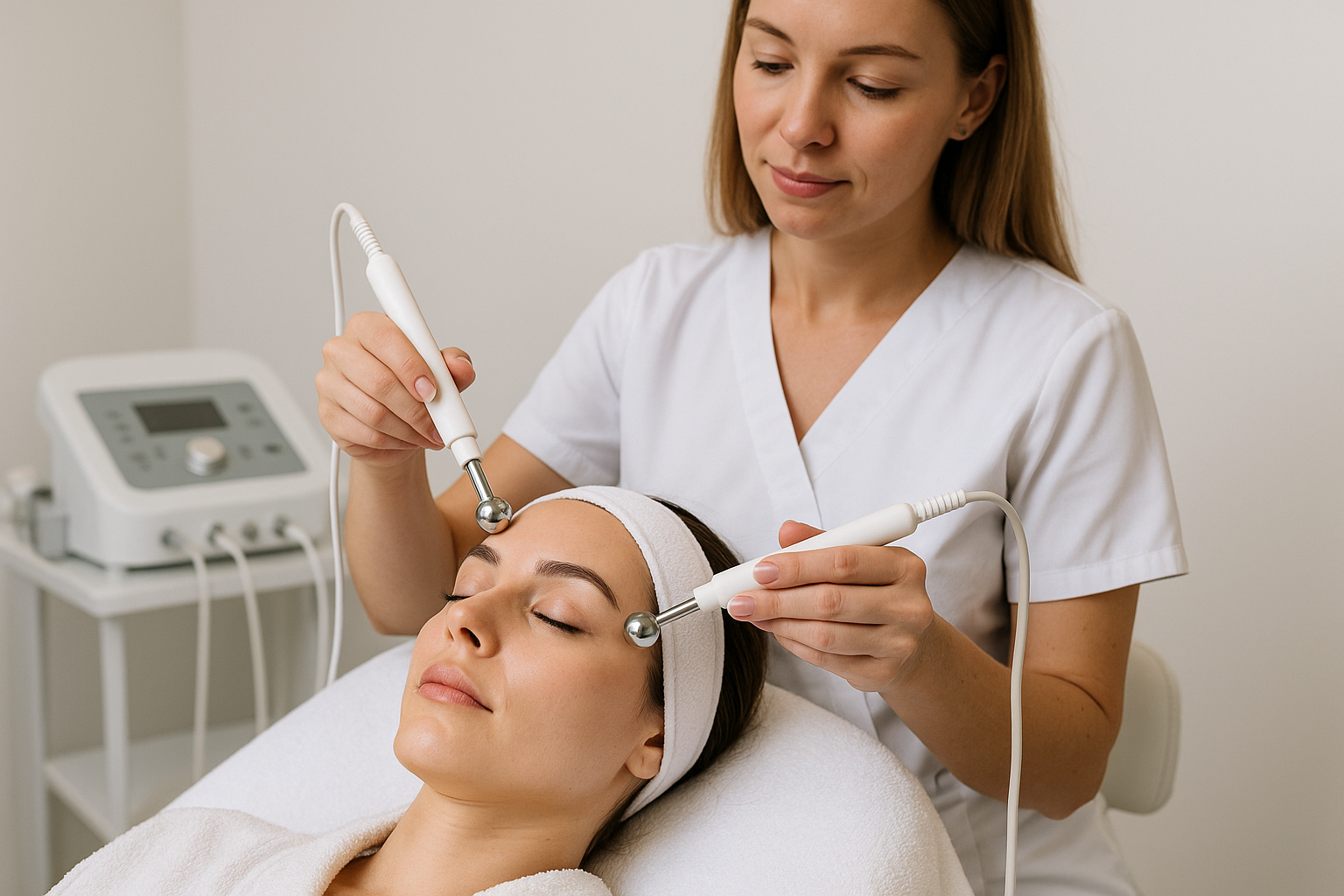
Popular treatments include laser toning, HIFU (high-intensity focused ultrasound), Rejuran Healer, and RF microneedling. These procedures enhance skin texture, reduce fine lines, and help achieve the signature “glass skin” look. Ultherapy and LDM (Local Dynamic Micro-massage) also remain popular for their ability to stimulate collagen and lift the skin without surgery.
Social media platforms like TikTok have boosted visibility for these treatments. Influencers such as Yerim Lee, Jessica Lee, and Sabina frequently share their real-life experiences with Korean procedures like InMode, CO2 laser therapy, fat-dissolving injections, and more.
Backed by advanced technology and trusted professionals, South Korea continues to lead the global beauty tourism trend.
1. Real Beauty Journeys: Jessica’s Treatment Experience in Korea
During her recent visit to Seoul, Jessica underwent several popular treatments including Rejuran Healer injections, Juvelook skin boosters, Onda lifting, and Botox. Her videos provide a transparent view of the full journey—from the procedure itself to post-treatment recovery.
Jessica and fellow influencer Yerim both shared that while treatments like Rejuran deliver impressive results, they can be painful and require a longer downtime than expected. This honesty resonates with viewers who want to understand the real side of aesthetic treatments.
Their content serves as an important reminder: even though Korean treatments are high-quality and effective, they still come with short-term discomforts. Such firsthand accounts help set realistic expectations for those considering beauty tourism in Korea.
2. Sabina’s Korean Skincare Journey: From Skin Scaling to InMode FX
For Romanian content creator Sabina, her trip to Seoul was more than a vacation—it was a chance to try some of Korea’s most cutting-edge skin treatments. She opted for skin-scaling, a gentle exfoliating treatment that brightens and refreshes the complexion.
Sabina also tried InMode FX, a non-surgical solution designed to reduce double chin and tighten the lower face area. Her personalized treatment plan also included advanced laser therapy for hyperpigmentation, targeting sun damage and hormonal discoloration.
Her experience reflects how international travelers are now using trips to South Korea to access high-level skincare procedures. Backed by expert dermatologists and innovative technology, Korea continues to be a global leader in aesthetic care.
Essential Tips Before Starting Your Beauty Journey in South Korea
Planning to undergo beauty treatments in South Korea? Doing thorough research is your most important first step. According to Dr. Liu, you shouldn’t choose a clinic just because it’s popular online—make sure your doctor is certified, experienced, and licensed to perform your chosen procedures.
Sabina, a content creator and beauty tourist, emphasizes selecting clinics that understand your skin type and specialize in the treatments you’re looking for. Real testimonials from friends, beauty communities, or trusted influencers can serve as helpful guidance.
Platforms like Klook and Trazy are also excellent tools for discovering reputable clinics, booking consultations, and managing communication—especially for international clients.
One easily overlooked challenge is the language barrier. If the clinic doesn’t offer services in English, consider finding one that does—unless you speak intermediate Korean or travel with someone who can translate. This ensures nothing gets lost in translation, especially during post-treatment care instructions.
With proper planning and the right resources, your beauty trip to Korea can be both rewarding and safe.
Final Thoughts: Why Korea Remains a Beauty Tourism Powerhouse
South Korea’s beauty tourism industry is more than just a passing trend—it’s a thriving global movement. According to Grand View Research, the cosmetic procedure market in Korea generated over $2.4 million in 2024, with projections reaching $6.3 million by 2030. This sharp growth reflects the world’s increasing fascination with Korea’s beauty innovations.
What sets Korea apart is not just its advanced technology, but also its meticulous and artistic approach to aesthetics. Experts agree that the future of beauty care lies in personalization. Dr. Liu predicts that AI-powered, data-driven treatments will soon dominate, while Dr. Ko believes Korea will stay ahead by continuously evolving and innovating.
In the coming years, we can expect more non-invasive, personalized, and holistic skincare solutions to shape the industry. South Korea is set to remain a leader in global beauty tourism—not just for its cutting-edge treatments, but for its visionary approach to self-care.
About the Author
M. Hariri is a business and beauty content writer with over five years of experience. He focuses on research-based skincare education and frequently collaborates with dermatologists. His work can be found in various national and international beauty publications.

 Acne
Acne Anti-Aging
 Business
 Digital Marketing
 Economics
 Exfoliation
 Hair Removal
 Movies
 Personal Finance
 Websites