Best Cleanser for Blackheads That Really Works (Derms-Approved Guide)
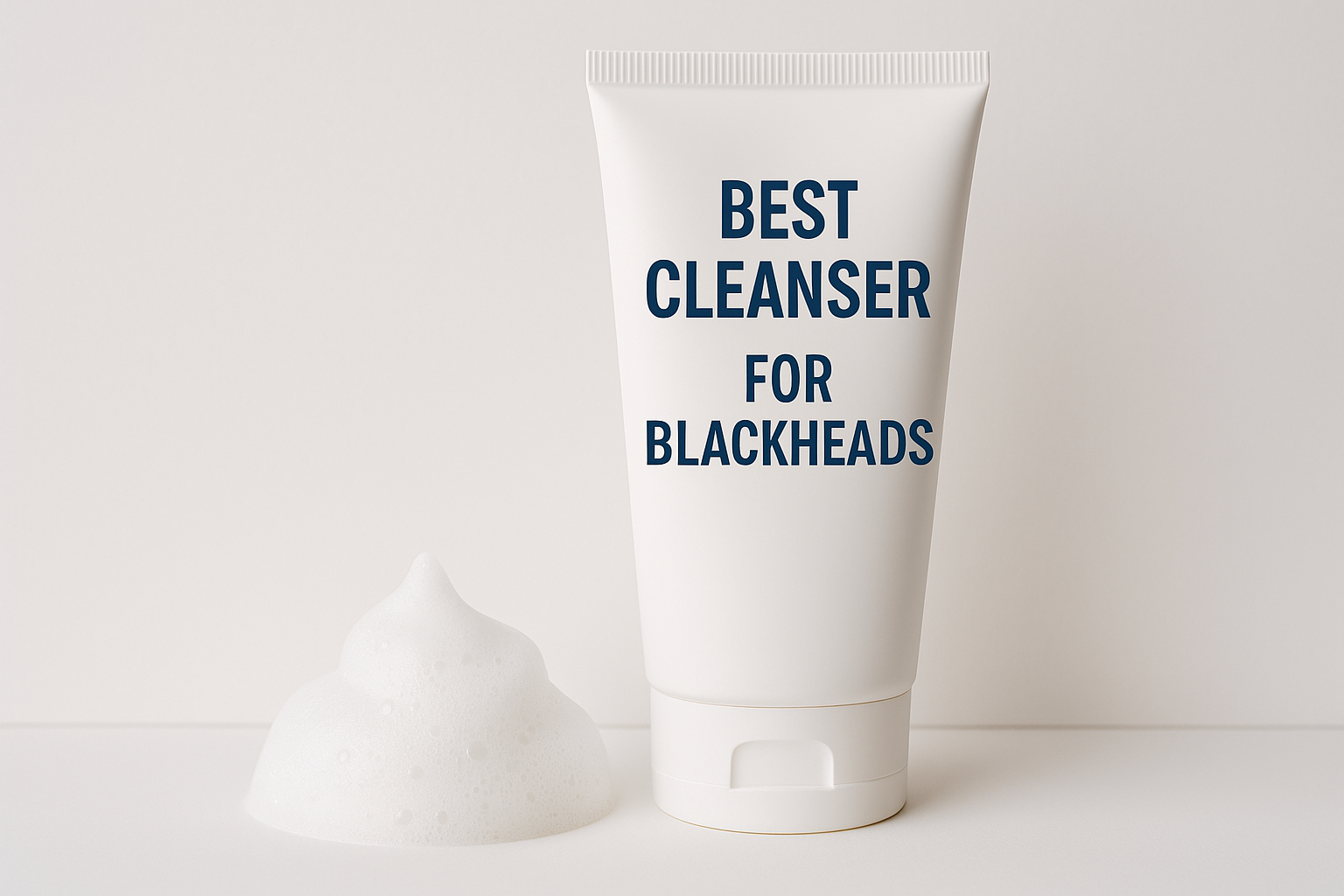
You may have been following a disciplined skincare routine—cleansing your face twice a day, using non-comedogenic products, and never going to bed with makeup. Yet, blackheads still appear—clearly visible in the mirror, especially on your nose and chin. Does this mean your facial cleanser isn’t working? It might be time to consider switching to the Best Cleanser for Blackheads to effectively target and remove stubborn impurities.
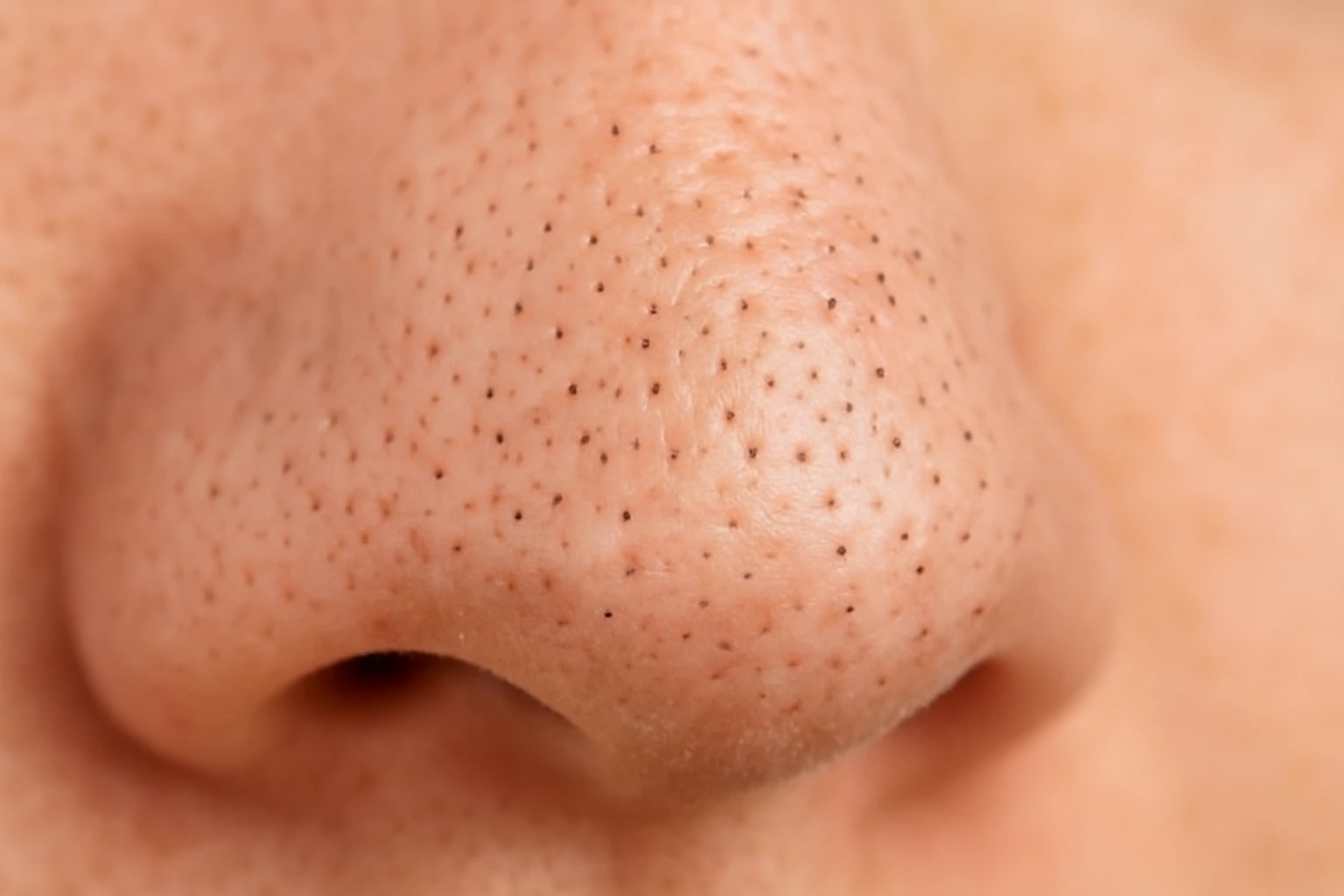
Dermatologically, blackheads are a type of non-inflammatory acne that forms when pores become clogged with sebum, dead skin cells, and dirt. When exposed to air, this buildup oxidizes and turns black.
According to board-certified dermatologists Dr. Kseniya Kobets and Dr. Nazanin Saedi, the presence of blackheads doesn’t necessarily mean your cleanser is ineffective. Many factors play a role, including your skin type, environment, and the balance of your skin’s microbiome. A good cleanser should remove excess oil and dirt without disrupting your skin’s natural protective barrier.
For best results, choose a cleanser with active ingredients like salicylic acid or benzoyl peroxide if you have oily or acne-prone skin. If you have sensitive skin, a gentle gel or cream-based formula might be a better option.
Remember, skincare is a journey. Review your products regularly and consult a dermatologist for the best results.
What Really Causes Blackheads (And Why They Turn Black)
Blackheads are a form of non-inflammatory acne that develop when pores become clogged. From a dermatological perspective, blackheads form when pores are filled with excess oil (sebum), dead skin cells, leftover makeup, or dirt. “Blackheads are made up of a mix of sebum, keratin, and other particles that oxidize when exposed to air, turning dark in color,” explains Dr. Kseniya Kobets.
Dr. Nazanin Saedi adds that excess oil production is one of the main causes of clogged pores. When oil cannot flow out properly, it gets trapped beneath the skin’s surface and leads to the formation of blackheads. It’s important to understand that the black color isn’t caused by dirt, but by oxidation—a chemical reaction between trapped sebum and oxygen in the air.
Blackheads most commonly appear in the T-zone—forehead, nose, and chin—where oil glands are more active. However, they can also form on the chest, back, and even the ears.
Understanding how blackheads form is key to choosing the right skincare products. Ingredients like salicylic acid or topical retinoids can help clear out pores and prevent them from getting clogged again.
Still Struggling with Acne? It Might Be Time to Reevaluate Your Skincare Routine and Ingredients
If blackheads and breakouts keep showing up despite your consistent skincare routine, it could be a sign that the active ingredients in your products aren’t effective enough—or that you’re not using them consistently. But before assuming your cleanser is too mild and reaching for a stronger formula, it’s important to remember: a harsher cleanser isn’t always better.
According to Dr. Kseniya Kobets, the feeling of an ultra-clean face after washing can be satisfying psychologically. However, from a scientific perspective, over-cleansing can damage the skin barrier—the protective layer that retains moisture and defends against irritation. It can also disrupt the skin’s microbiome, the community of good microorganisms that help keep your skin balanced and healthy.
Dr. Nazanin Saedi emphasizes that consistency with acne-fighting ingredients is key. Instead of choosing overly abrasive products, focus on formulas that soothe and support the skin. Dermatologically proven ingredients that promote skin health include glycerin (for hydration), ceramides (to strengthen the skin barrier), niacinamide (to reduce inflammation), hyaluronic acid (to maintain moisture), and peptides (to support skin regeneration).
A balanced, long-term skincare approach will bring better results without compromising your skin’s integrity.
How to Choose the Right Cleanser for Your Skin
According to Dr. Kseniya Kobets, there are three key elements to consider when choosing products to effectively treat blackheads: the formulation, the presence of benzoyl peroxide, and salicylic acid.
First, the formulation of your facial cleanser should match your skin type. For oily skin, foaming cleansers can help remove excess sebum and dirt more effectively. However, overusing them can strip away natural oils, damaging the skin barrier and disrupting the skin’s microbiome. On the other hand, those with dry skin should opt for cleansers with moisturizing ingredients to help maintain hydration and skin balance.
Second, benzoyl peroxide is a recommended active ingredient for reducing oil production, unclogging pores, and removing makeup residue. But because it’s a strong agent, it can cause irritation if overused or used past its expiration date. Use it carefully, and avoid contact with colored fabrics, as it can bleach textiles.
Third, salicylic acid is a key ingredient in fighting blackheads. As a lipophilic beta hydroxy acid (BHA), it can penetrate deep into the pores to dissolve oil and debris. It also has anti-inflammatory properties and helps even out skin tone and reduce hyperpigmentation.
Important: Avoid using benzoyl peroxide and salicylic acid at the same time, and be cautious if you’re also using a topical retinoid to prevent skin irritation.
Extra Tips to Get Rid of Blackheads
To treat acne and blackheads more effectively, Dr. Kseniya Kobets recommends using topical retinoids. Retinoids work by speeding up skin cell turnover and preventing pore blockages. However, she also advises reducing the use of heavy moisturizers, especially those containing dimethicone, as this ingredient is occlusive and can lead to oil buildup and blackheads.
In addition, spot treatments containing ingredients like sulfur, salicylic acid, or benzoyl peroxide can be used to target local breakouts. Make sure to follow the instructions to avoid irritation.
Dr. Nazanin Saedi adds that therapies such as blue and red light masks can also be effective. Blue light helps kill acne-causing bacteria (P. acnes), while red light reduces inflammation and redness. While these treatments can be pricey, they are effective when used consistently and correctly.
For more severe acne cases, consider professional procedures like Hydrafacial, chemical peels, or laser treatments. These procedures not only help reduce excess oil production but also improve overall skin texture and appearance.
A combined and personalized approach, tailored to your skin type and acne condition, will deliver the best and most lasting results.
Conclusion
In the effort to tackle blackheads, many people tend to either overdo their skincare routine or not do enough. According to Dr. Nazanin Saedi, such extreme approaches can disrupt the skin’s natural functions. She emphasizes that the main goal of treating blackheads is to cleanse the skin of excess oil and dirt without damaging the skin barrier, the protective layer that plays a key role in maintaining hydration and protecting against irritation.
An imbalance in your routine—whether from using products that are too harsh or too gentle—can lead to irritation, dryness, or even increased oil production. Therefore, it’s important to choose effective yet gentle products and remain consistent with their use.
If blackheads persist despite your efforts, Dr. Saedi recommends consulting a dermatologist. A dermatologist can help create a personalized treatment plan that addresses your specific skin condition, including the right combination of active ingredients, usage frequency, and potential advanced therapies like retinoids or chemical peels.
Remember, acne and blackheads are common skin conditions and nothing to be ashamed of. The healing process takes time and persistence. With the right approach and proper care, blackheads can be effectively managed and controlled in the long term.
FAQ
What ingredients should I look for in a cleanser to remove blackheads effectively?
Look for cleansers containing salicylic acid, glycolic acid, benzoyl peroxide, or charcoal.
1. Salicylic acid penetrates pores deeply and dissolves the debris that causes blackheads.
2. Glycolic acid helps exfoliate dead skin cells.
3. Charcoal draws out impurities and excess oil.
Choosing a cleanser with these active ingredients increases the chance of visibly reducing blackheads.
How often should I use a cleanser for blackheads?
For best results, use a blackhead-targeting cleanser twice daily — morning and night.
However, if the cleanser contains strong exfoliants (like high percentages of salicylic acid or glycolic acid), start with once daily to avoid skin irritation, then gradually increase as your skin builds tolerance.
Are there any cleansers for blackheads suitable for sensitive skin?
Yes! If you have sensitive skin, choose a gentle cleanser that contains low concentrations of salicylic acid (0.5%-1%) or natural exfoliants like willow bark extract.
Look for products labeled “non-comedogenic,” “fragrance-free,” and “dermatologist-tested” to minimize irritation while still treating blackheads.
Can cleansers alone completely get rid of blackheads?
No, cleansers are very effective at reducing blackheads, but they may not completely eliminate them on their own.
For stubborn blackheads, combine a good cleanser with exfoliation (2–3 times per week), clay masks, and consistent moisturizing to maintain clean pores and prevent blackheads from returning.
What is the best drugstore cleanser for blackheads?
1. CeraVe SA Cleanser (contains salicylic acid and ceramides)
2. Neutrogena Oil-Free Acne Wash (powerful yet gentle)
3. La Roche-Posay Effaclar Medicated Gel Cleanser (targets blackheads and acne)
These are affordable, widely available, and proven to show real results with consistent use.
You might also like

 Acne
Acne Anti-Aging
 Business
 Digital Marketing
 Economics
 Exfoliation
 Hair Removal
 Movies
 Personal Finance
 Websites