7 Best Hair Removal Waxes: Expert Guide by Estheticians
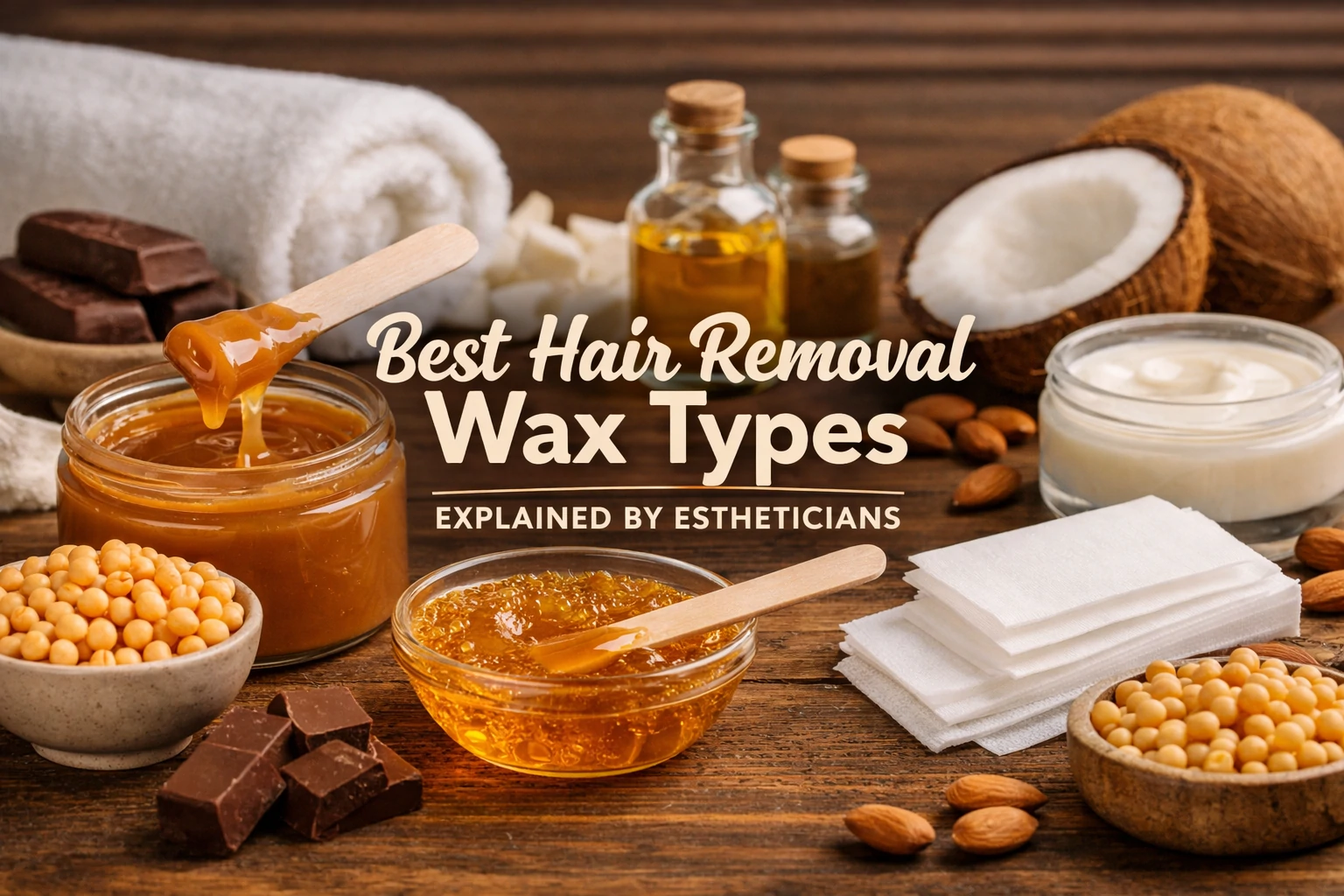
When planning a waxing session, most people focus on smooth results or pain tolerance. What’s often overlooked—but far more critical—is the type of wax itself. There are at least seven hair removal waxes with different chemical structures and application methods, and choosing the wrong one can directly affect skin health.
Selecting the right wax is not just a preference; for many skin types, it’s a necessity. Each formula is designed for specific hair textures, skin sensitivities, and body areas. Using an unsuitable wax may trigger irritation, redness, or ingrown hairs, especially on reactive skin.
Based on insights from professional estheticians, here are key wax types and their strengths:
- Hard Wax: Bonds to hair, not skin, making it ideal for sensitive areas.
- Soft Wax: Highly effective for removing fine hair on larger body areas.
- Fruit Wax: Infused with antioxidants, suitable for allergy-prone or delicate skin.
Understanding these differences helps you achieve cleaner results with less discomfort and lower skin risk—exactly what professional-grade waxing should deliver.
Choosing the Most Effective Wax Type
The most effective waxing method depends on your skin biology and the body area being treated. In professional aesthetics, hair removal waxes are primarily divided into two main categories: hard wax and soft wax.
- Hard Wax solidifies on its own after being applied warm. Its key advantage is selective adhesion—it grips the hair shaft rather than live skin cells. This significantly reduces mechanical trauma, making hard wax the safest option for sensitive areas such as the bikini line, underarms, and face. It also doesn’t require removal strips, which lowers the risk of irritation.[1Shanker, K., Shaik, S., Vijayanandhan, V., Sunilkumar Reddy, T., SMN Mydin, R. B., & Dhanabal, S. P. (2021). Folklore Herbal Plants as a Safe and Natural Hair Depilatories. Journal of Pharmaceutical Research International, 33(49B), 278-289.]
- Soft Wax has a thinner consistency and must be removed with cloth or paper strips. It’s highly effective for lifting fine hair over larger areas like legs or arms. However, because it adheres to the outer skin layer, the chance of redness or sensitivity is slightly higher.
Other options include natural sugar wax and ready-to-use wax strips for at-home convenience. Understanding how each wax interacts with hair and the skin barrier is essential for achieving smooth results without compromising skin health.
1. Warm Soft Wax
Warm soft wax is a cream- or resin-based formula applied with fabric or paper strips. It’s gently heated to a low temperature, allowing the wax to spread thinly and evenly across the skin. Because it covers large areas efficiently, this method is considered the gold standard for hair removal on legs and arms.[2Rana, T. M., & Zohuri, B. (2023). Exploring Modern Techniques for Effective Facial Hair Removal: Laser, Plasma, Electrolysis, and Epilation. Sci Set J of Med Cli Case Stu 2 (4), 01-07.]
Its main advantage is strong lifting power—it can remove even very fine hair in a single pass. However, warm soft wax adheres not only to hair but also to the outer skin layer. For this reason, professionals recommend applying it only once per area to protect the skin barrier and reduce the risk of inflammation or redness.
California-based esthetician Jodi Shays highlights the importance of wax formulation. According to her, cream-based soft waxes are significantly more skin-friendly. In contrast, honey or traditional resin-based waxes tend to overheat and become overly sticky, increasing the risk of irritation. For sensitive skin types, avoiding resin formulas is strongly advised. Ultimately, results still depend on proper technique and the experience of the esthetician handling the treatment.
2. Warm Hard Wax
Warm hard wax is a precise and effective option for removing both coarse and fine hair. Applied warm, it hardens naturally as it cools, forming a flexible layer that can be lifted without strips. This strip-free property allows the wax itself to act as the pulling medium, offering greater control during removal.
The process typically begins with a pre-wax oil to protect the skin. Esthetician Jodi Shays explains that once the wax reaches the correct consistency, it sets into a pliable layer that’s removed by lifting the edge and pulling firmly.
Key points to note:
- Application Technique: Wax must be applied in the direction of hair growth. Gina Petak of European Wax Center warns that pulling incorrectly can cause hair breakage or ingrown hairs.
- How It Works: Hard wax encapsulates the hair shaft without adhering to the skin, making it ideal for sensitive areas such as the face, underarms, and bikini line.
While gentle on sensitive skin, Shays notes that using hard wax on large areas like legs may increase the risk of hair snapping. She also emphasizes quality—low-grade wax can become brittle when cooled, leading to uneven removal and less polished results.
3. Cold Soft Wax
Cold soft wax is a convenient option for those who prioritize ease of use. Available in jars or pre-made strips, it can be applied directly to the skin with a spatula or wooden stick—no heating required.
Its biggest advantage is safety. Since it doesn’t involve heat, there’s no risk of burns, which can occur with improperly handled warm or hard wax. This makes cold soft wax a beginner-friendly choice for at-home hair removal.
That said, there are a few technical considerations to keep in mind:
- Consistency: At room temperature, the wax is thicker and can be harder to spread evenly compared to warm wax.
- Skin Interaction: Cold soft wax adheres strongly to the skin surface, so repeated application on the same area is not recommended, as it may cause irritation or redness.[3Evans, R. L., Bates, S., Marriott, R. E., & Arnold, D. S. (2020). The impact of different hair‐removal behaviours on the biophysical and biochemical characteristics of female axillary skin. International journal of cosmetic science, 42(5), 436-443. Chicago]
When used correctly and sparingly, cold soft wax remains an efficient solution for maintaining smooth skin—especially for quick touch-ups—without the need for heating tools or complex preparation.
4. Pre-Made Wax Strips
Pre-made wax strips are the most hassle-free option for instant hair removal. Each strip comes pre-coated with cold soft wax in a controlled amount, making it especially beginner-friendly and reducing the risk of over-application.
One of their biggest advantages is safety and portability. Since no heating tools are required, the risk of skin burns is completely eliminated. This makes pre-made wax strips highly travel-friendly and ideal for quick touch-ups with minimal preparation.
To achieve better results, follow these simple technical tips:
- Manual Warming: Rub the strip between your palms for a few seconds. Body heat softens the wax, improving its grip on hair.
- Easier Separation: Warming also helps the strips peel apart smoothly without tearing or uneven wax distribution.
Esthetician Jodi Shays notes that pre-made wax strips perform best on smaller body areas. Cold wax lacks the flexibility and spreadability of warm wax, making it less effective for larger zones. When used correctly, however, wax strips offer a fast, clean, and reliable solution for maintaining smooth skin on the go.
5. Fruit Wax
While less mainstream, fruit wax offers a unique dual benefit by combining hair removal with skin-conditioning care. Formulated with natural fruit enzymes such as plum, papaya, and strawberry, this wax gently exfoliates dead skin cells, leaving the skin noticeably smoother and brighter after treatment.
Here’s why fruit wax stands out:
- Nutrient-Rich Formula: Fruit extracts provide natural anti-inflammatory and antioxidant benefits that help calm and protect the skin.
- Hard Wax Mechanism: As a type of hard wax, it sets on its own and grips only the hair, not the skin—no strips required.
- Skin-Safe Performance: The gentle formulation makes it suitable even for highly sensitive skin types.
Fruit wax delivers a more soothing waxing experience with minimal mechanical stress on the skin. That said, from a professional standpoint, a patch test is still strongly recommended. This helps rule out any individual sensitivity to specific fruit enzymes before proceeding with a full treatment.
6. Sugar Wax
Sugar wax, or sugaring, is a traditional hair removal method originating from the Middle East and prized for its natural formulation. According to esthetician Jodi Shays, sugaring differs from conventional wax because it uses a simple blend of sugar, lemon, and water—making it a true depilatory alternative.[4Mezin‐Sarbu, E., & Wohlrab, J. (2023). Epilation and depilation in the genital area–motivation, methods, risks and recommendations from a dermatological point of view. JDDG: Journal der Deutschen Dermatologischen Gesellschaft, 21(5), 455-462.]
Its biggest advantage is skin compatibility. Sugar wax is significantly gentler than most waxes, making it an excellent choice for sensitive or inflammation-prone skin. It works similarly to hard wax by binding to the hair shaft rather than live skin cells, allowing repeated passes on the same area with minimal irritation.
Key points that define its effectiveness include:
- Texture Flexibility: Available as an elastic paste for manual removal or a thinner version used with strips.
- Pore-Friendly Removal: Because sugar wax is water-soluble, residue rinses away easily and won’t clog follicles, helping reduce the risk of ingrown hairs.
Sugar waxing is especially effective for fine to medium hair textures, delivering clean, smooth results while maintaining healthy, unclogged pores.
7. Chocolate Wax
Chocolate wax is often favored by those seeking maximum comfort, as it’s known for delivering one of the lowest pain thresholds among waxing methods. Its appeal goes far beyond the scent. The formula is enriched with skin-conditioning ingredients such as almond oil, glycerin, and vitamin E, which actively hydrate and protect the epidermis during hair removal.
Cocoa acts as a natural antioxidant and skin softener, while almond oil provides anti-inflammatory benefits that help reduce discomfort as hair is removed from the root. This combination makes the experience noticeably gentler, even for sensitive skin.
Key technical characteristics include:
- Application Temperature: Available in both soft and hard wax formats, chocolate wax is always applied warm with a low melting point, minimizing the risk of burns.
- Skin Benefits: With regular use, skin appears brighter, smoother, and more supple due to deep hydration.
Although chocolate wax treatments are typically priced higher, the experience closely resembles a spa-grade service. The result isn’t just hair-free skin, but lasting moisture and comfort rarely matched by other waxing methods.
Aftercare: How to Care for Skin After Waxing
A successful waxing treatment doesn’t end when the hair is removed—it depends heavily on proper aftercare. Post-waxing, hair follicles remain open and the skin becomes more vulnerable to bacteria, friction, and irritation. The first 24–48 hours are critical for protecting the skin barrier and keeping inflammation under control.
Professional estheticians recommend allowing the skin time to recover naturally. Follow these essential steps:
- Avoid Heat Exposure: Skip hot showers, saunas, and direct sun to prevent redness and inflammation.
- Use Lightweight Hydration: Apply water-based moisturizers or pure aloe vera gel to soothe the skin without clogging pores.
- Wear Loose Clothing: Choose breathable cotton fabrics to reduce friction and minimize irritation.
- Delay Exfoliation: Avoid scrubs or active exfoliants for at least two days until sensitivity subsides.
Consistent aftercare helps prevent bumps, infection, and post-wax redness while extending smooth results. These simple yet professional steps are key to maintaining healthy, calm, and visibly radiant skin after waxing.
Tips to Minimize Pain for First-Time Waxing
Feeling nervous about waxing pain is completely normal, especially for beginners. The good news is that proper preparation can significantly improve pain tolerance. It largely comes down to skin hydration and choosing the right timing.
Beauty education experts recommend these practical steps for a more comfortable experience:
- Hydration and Gentle Exfoliation: Drink enough water and do light exfoliation two days before your appointment. This removes dead skin cells so hair releases more easily without pulling the skin.
- Mind Your Hormonal Cycle: For women, avoid waxing right before or during menstruation, when nerve endings are more sensitive due to hormonal shifts.
- Limit Stimulants: Reduce caffeine and alcohol beforehand. Both can increase heart rate and skin sensitivity, making discomfort feel more intense.
- Controlled Breathing: Taking slow, deep breaths during wax removal helps relax muscles and calm the nervous system.
With the right preparation, waxing feels far less intimidating and becomes an efficient, manageable part of a self-care routine—rather than a painful experience to dread.
Waxing vs. Shaving: Why Waxing Delivers Better Results
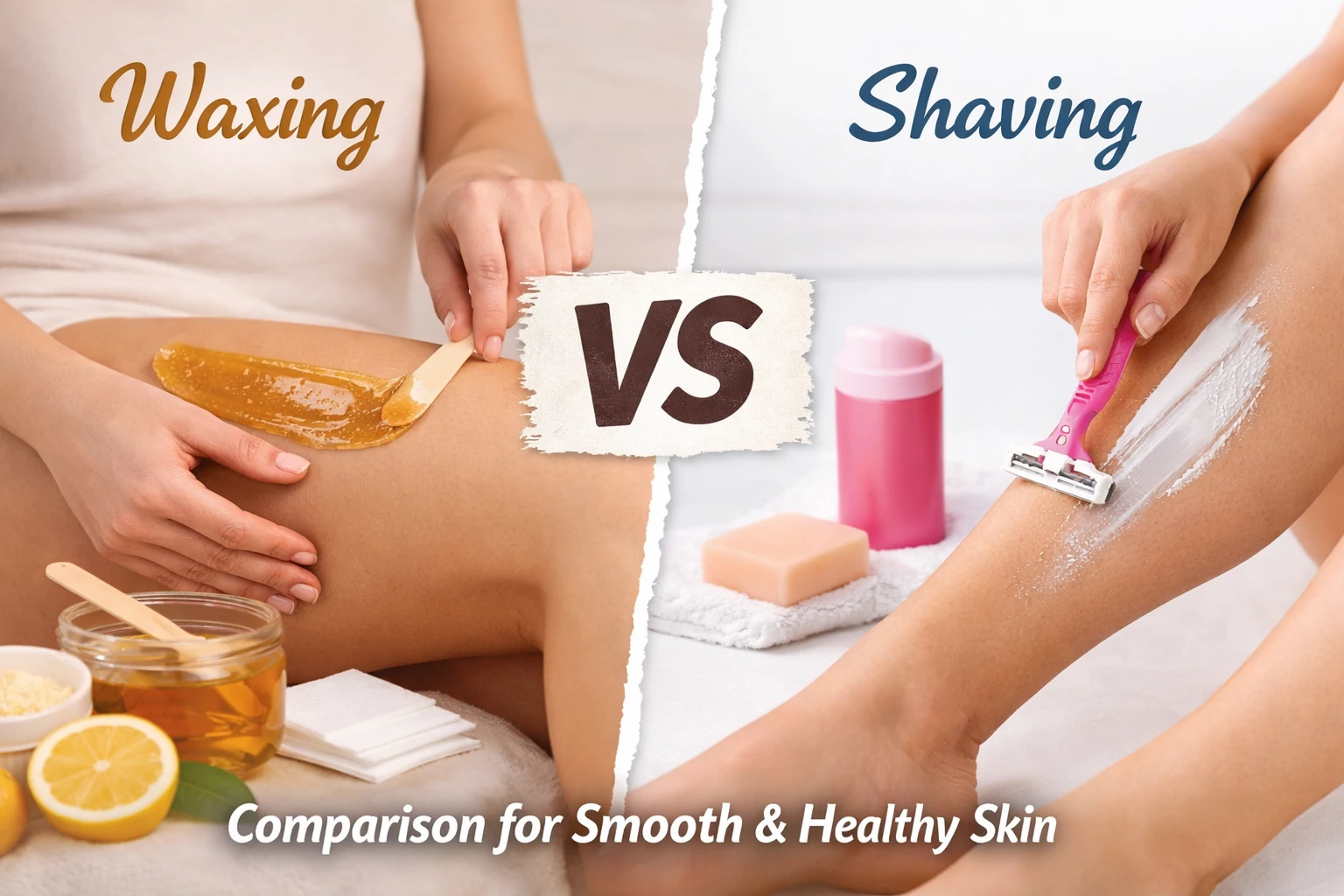
Choosing between waxing and shaving isn’t just about speed—it’s about long-term skin quality. The key difference lies in how hair is removed. Shaving cuts hair at the surface, while waxing pulls it out from the root, directly from the follicle.
From a skin health perspective, waxing offers clear advantages:
- Softer Regrowth: Hair that grows back after waxing has a finer, tapered tip, unlike the blunt, coarse feel caused by shaving.
- Longer-Lasting Smoothness: Waxing results typically last three to six weeks, compared to one or two days with shaving.
- Natural Exfoliation: The waxing process removes dead skin cells along with hair, leaving skin smoother and brighter.
- Lower Cut Risk: Razors can create micro-cuts that increase the risk of irritation and bacterial infection.
By choosing waxing over shaving, you’re also weakening the hair root over time. With consistent treatments, regrowth becomes thinner, slower, and less noticeable—making waxing a smarter long-term investment for smoother, healthier skin.
Contraindications: When You Should Postpone Waxing
Although waxing is a common hair removal treatment, certain medical and skin conditions require you to delay the procedure for safety reasons. Being transparent about your skin history and topical product use is essential to avoid serious complications such as skin lifting or epidermal damage.
Professional estheticians strongly advise caution in the following situations:
- Prescription Acne Medications: If you’re using isotretinoin or high-strength retinoids, the skin becomes thinner and more fragile. Waxing under these conditions can easily tear the epidermis.
- Active Skin Conditions: Avoid waxing over sunburn, rashes, eczema, open wounds, or active infections. Always wait until the skin has fully healed to prevent prolonged inflammation.
- Recent Chemical Treatments: Postpone waxing if you’ve recently undergone chemical peels or laser treatments on the same area.
Understanding these limitations reflects responsible skincare practice. Skin safety should always come before temporary aesthetic results. When in doubt, consult a licensed esthetician or dermatologist to ensure waxing is both safe and effective for your skin condition.
Final Thoughts
Choosing the right type of wax is not just an aesthetic decision—it’s a long-term investment in skin health. From protective hard wax for sensitive areas to gentle, natural sugar wax, each method has specific technical properties that should match your skin’s biological needs. Understanding how each wax works, along with following proper aftercare protocols, is essential for achieving smooth results without irritation.
The best outcomes come from a combination of high-quality products, awareness of medical contraindications, and correct application techniques. When these elements work together, waxing becomes more than hair removal—it supports the skin barrier and minimizes long-term damage.
By selecting the right waxing method for your skin type and condition, you’re not only removing unwanted hair, but also maintaining healthier, calmer, and more resilient skin over time.
ARTICLE SOURCES
You might also like

 Acne
Acne Anti-Aging
 Business
 Digital Marketing
 Economics
 Exfoliation
 Hair Removal
 Movies
 Personal Finance
 Websites