8 Best Numbing Creams for Tattoos & Laser (2026 Reviews)
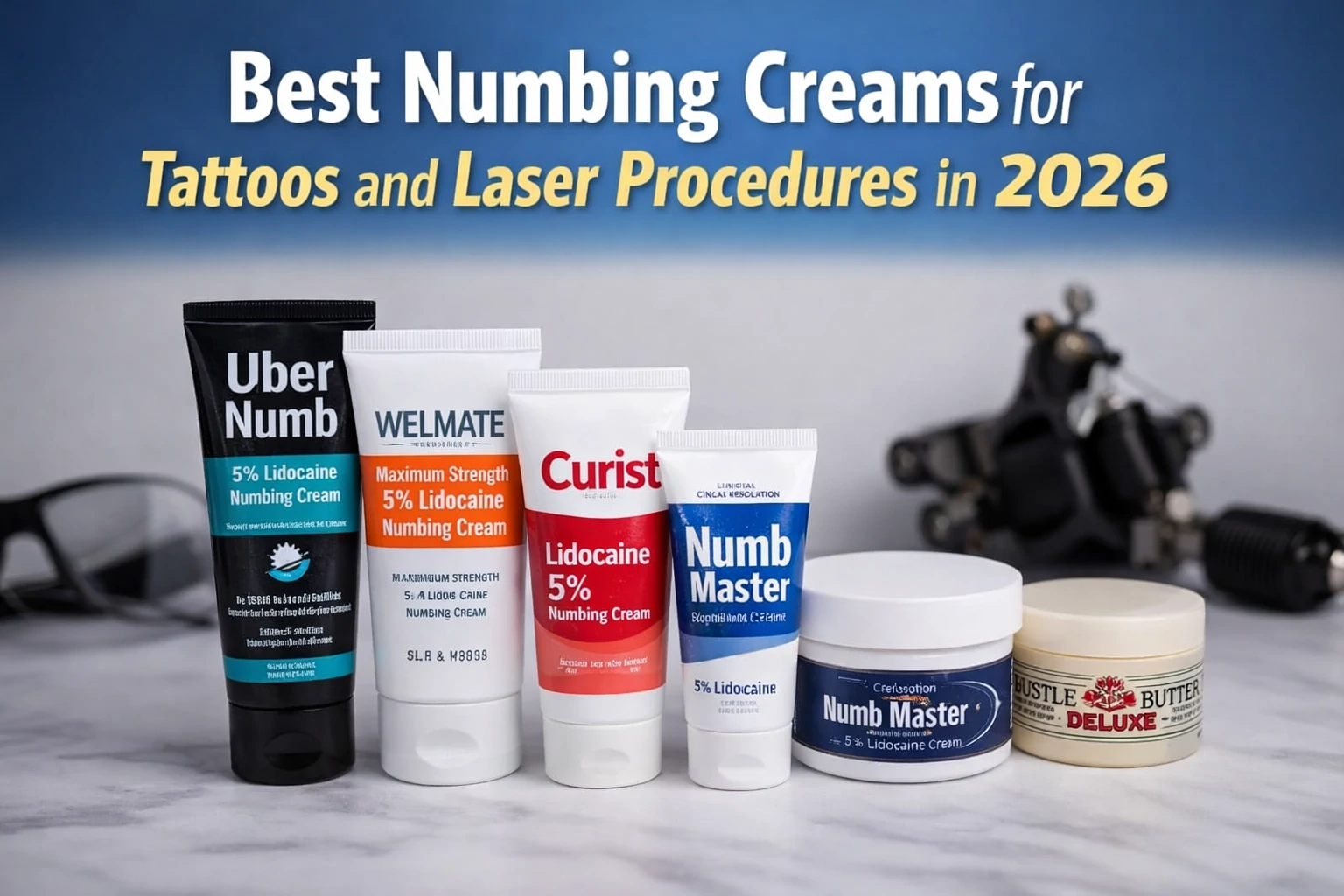
Modern aesthetic treatments offer impressive results, but pain remains a common concern—especially for first-time users. Procedures such as tattoos, laser hair removal, microneedling, and injectable treatments can trigger discomfort, particularly in individuals with low pain tolerance. This is where topical numbing creams play a crucial role.
Medically, numbing creams work by temporarily blocking sensory nerve signals in the upper layers of the skin. As a result, the treated area becomes less sensitive to pain without affecting overall skin function. According to New York–based plastic surgeon Dr. Robert Schwarcz, topical anesthetics help patients tolerate procedures more comfortably while also reducing stress-related skin reactions after treatment.
To curate the best numbing creams for 2026, we evaluated leading products based on active ingredients, onset time, duration of effect, and safety profile. Insights from aesthetic practitioners and medical professionals were also considered to ensure each recommendation is not only effective, but realistic for everyday cosmetic use. This guide is designed to help beginners and experienced users choose smarter—and safer—pain management solutions.
Top 8 Numbing Creams for Pain-Free Cosmetic Procedures
Choosing the right numbing cream can significantly improve your overall treatment experience. An effective topical anesthetic not only reduces pain, but also helps you stay relaxed during procedures that require precision and time, such as tattoo sessions or laser treatments.
In this list, we focus on numbing creams that balance clinical-grade effectiveness, skin safety, and ease of use. Each product is assessed for lidocaine concentration, skin tolerance, and suitability for common cosmetic procedures. Whether you are preparing for your first tattoo or exploring advanced skincare treatments, these options are selected to support comfort without compromising skin health.
1. Zensa Numbing Cream 5% Lidocaine (Best Overall for Versatile Use)

Zensa Numbing Cream with 5% lidocaine is widely regarded as one of the most versatile topical anesthetics for cosmetic procedures, including tattoos, laser hair removal, and professional piercings. Its formula delivers a consistent numbing effect without excessive burning or irritation, making it a frequent recommendation among aesthetic practitioners.
One notable advantage of Zensa is its safety profile on mildly broken skin. This allows controlled reapplication after procedures such as piercings, helping manage post-treatment discomfort without interfering with tissue recovery. The 5% lidocaine provides effective nerve desensitization, while added vitamin E supports skin healing by reducing inflammation and maintaining hydration.
Although the packaging is relatively small and positioned at a premium price point, its reliable performance and broad usability make Zensa a practical choice for users who prioritize comfort, safety, and predictable results during cosmetic treatments.
2. Dr. Numb 5% Lidocaine Topical Anesthetic Cream (Fast-Acting & High-Intensity Pain Relief)

Dr. Numb 5% Lidocaine is a well-known topical anesthetic cream valued for its fast onset and strong numbing effect. The formula combines 5% lidocaine with lecithin and vitamin E, helping soothe the skin while reducing discomfort during cosmetic procedures.
Clinically, this numbing cream works quickly by blocking pain signals at the skin’s surface, making it a popular choice for high-intensity procedures such as piercings, injections, microneedling, and small tattoo work. Many users report a deep numbing sensation, particularly effective against needle-related pain, which makes Dr. Numb practical for short to medium-length treatments.
However, its duration of action is relatively limited. The anesthetic effect typically fades within a few hours, which may be less suitable for large tattoos or lengthy laser sessions that require sustained pain control. Even so, for focused procedures where rapid and reliable numbing is essential, Dr. Numb offers a solid balance of potency, skin comfort, and ease of use.
3. CVS Health Maximum Strength Lidocaine Pain Relief Cream (Best Budget-Friendly Option)

CVS Health Maximum Strength Lidocaine Pain Relief Cream provides a practical pain-relief solution for users seeking effectiveness without a premium price. Formulated with 4% lidocaine HCl, it helps reduce nerve sensitivity on the skin’s surface, easing mild to moderate discomfort during basic cosmetic procedures.
One of its main strengths is user comfort. The cream spreads easily, absorbs quickly, and leaves minimal residue, with little to no strong scent—an important benefit for individuals sensitive to topical products. Its larger tube size also makes it a cost-effective choice for repeated or casual use.
While the numbing effect is not as intense as creams containing higher lidocaine concentrations, it remains sufficient for short procedures. Reapplication may be needed after a few hours to maintain comfort. Overall, this product is well-suited for beginners or anyone looking for a safe, accessible, and budget-conscious numbing cream for light aesthetic treatments.
4. Uber Numb 5% Lidocaine Topical Numbing Cream (Best for Sensitive & Reactive Skin)

Uber Numb 5% Lidocaine Topical Numbing Cream is formulated for users with sensitive or reactive skin who often experience redness or irritation after cosmetic procedures. In addition to 5% lidocaine as the primary anesthetic agent, the formula includes allantoin and vitamin E—ingredients known to help calm the skin and support mild anti-inflammatory responses. This combination allows the numbing effect to feel more comfortable rather than harsh.
In terms of performance, Uber Numb typically begins working within 20 minutes of application. The numbing effect can last for several hours, making it suitable for short to medium-length procedures such as tattoos, laser treatments, or microneedling. The texture may feel slightly tacky at first, but it absorbs within minutes and does not leave a heavy residue.
With a larger tube size compared to many competitors, Uber Numb is a practical choice for frequent users who want effective pain relief while minimizing the risk of post-procedure skin irritation.
5. Hustle Butter Tattoo Aftercare Balm (Best for Post-Procedure Comfort & Healing)

Hustle Butter Tattoo Aftercare Balm is specifically designed for the recovery phase after procedures such as tattoos or piercings, when the skin is prone to soreness, dryness, and irritation. While it is not a numbing cream, it plays an important role in soothing the skin and supporting the natural healing process. Ingredients like shea butter and coconut oil help maintain optimal hydration, while green tea extract and aloe provide cooling and antioxidant benefits.
The balm has a rich texture that requires a bit of effort to apply, but once absorbed, it keeps the skin soft and comfortable for hours. Many users also appreciate its mild mango scent, which is pleasant without being overpowering.
With its generous size and plant-based, skin-friendly ingredients, Hustle Butter is an excellent follow-up treatment for long-term comfort and skin recovery after aesthetic procedures.
6. WELMATE 5% Lidocaine Numbing Cream (Best for Strong & Fast Pain Control)

WELMATE 5% Lidocaine Numbing Cream is designed for situations that require more intensive pain control, particularly high-discomfort cosmetic procedures. With a full 5% lidocaine concentration, it rapidly reduces skin nerve sensitivity and is often regarded by users as comparable to, or even stronger than, some prescription-grade topical anesthetics.
Another key advantage is its vegan-friendly formula enriched with vitamin E and lecithin. These ingredients help minimize redness, swelling, and mild irritation commonly associated with aesthetic treatments. The numbing effect is felt quickly and can be maintained through reapplication several times a day when needed, following proper usage guidelines.
Some users note that the cap design is less convenient, but the larger tube size and consistent performance offset this minor drawback. Overall, WELMATE is a solid choice for those seeking a powerful, fast-acting numbing cream that still supports skin health during demanding procedures.
7. Clinical Resolution Numb Master Anesthetic Cream (Best for Ultra-Fast Onset)

Clinical Resolution Laboratory Numb Master Anesthetic Cream is formulated for users who need rapid numbing with minimal waiting time. Containing 5% lidocaine, it often begins working within five minutes and reaches optimal effectiveness around 20 minutes after application. This fast onset makes it ideal for short, time-sensitive procedures.
The water-based formula feels lightweight, spreads easily, and absorbs quickly without leaving a sticky residue. Skin-supporting ingredients such as aloe, allantoin, and propylene glycol help maintain hydration while calming the skin during treatment, making it comfortable even for sensitive areas.
Because the anesthetic effect does not last as long as some alternatives, this cream is best suited for quick procedures like earlobe piercings or minor cosmetic treatments. For longer sessions, reapplication or a longer-lasting numbing cream may be more appropriate.
8. Curist 5% Lidocaine Numbing Cream (Best for Long-Lasting Relief)

Curist 5% Lidocaine Numbing Cream stands out for its relatively long-lasting anesthetic effect. Formulated with 5% lidocaine, it can maintain numbness for up to four hours, reducing the need for frequent reapplication after a procedure. This makes it especially practical for medium to long-duration treatments.
From a value perspective, its 6 oz tube is larger than most topical numbing creams while remaining reasonably priced. The texture spreads easily, absorbs quickly, and does not leave a sticky residue. Many users also report reduced itching during the recovery phase, a common concern after aesthetic procedures.
Although the child-resistant cap may require a short adjustment period, the squeeze-bottle design helps keep application controlled and hygienic. Overall, Curist is well suited for users who prioritize extended numbing duration, everyday comfort, and long-term cost efficiency.
What to Look for in a Numbing Cream for Piercings: A Practical Guide
Choosing the right numbing cream for piercings requires balancing effectiveness with skin safety. Two key factors play a major role in achieving reliable pain control without unnecessary irritation.
1. Active Ingredients and Concentration
Most over-the-counter numbing creams rely on lidocaine as the primary topical anesthetic. Some formulas may also include benzocaine, prilocaine, or tetracaine—agents clinically known to temporarily reduce superficial nerve sensitivity. According to certified aesthetic expert Shantani Smith-Pannell, these ingredients are among the most commonly used options for managing surface-level pain.
Typical concentrations range from 4% to 5%. As noted by plastic surgeon Dr. Robert Schwarcz, higher strengths are usually prescription-only and should be used under medical supervision. Added calming ingredients such as vitamin E, allantoin, or aloe vera provide extra benefits by reducing redness and irritation. For sensitive skin, fragrance-free formulas are generally the safest choice.
2. Formula Type: Cream vs. Spray
Cream-based numbing products are preferred for piercings because they allow precise, even application on targeted areas. Sprays can be helpful for quick touch-ups or hard-to-reach spots, but they offer less control compared to creams.
How to Use Numbing Cream Safely: Step-by-Step Guide
Using a numbing cream correctly is essential for both effectiveness and skin safety, especially before procedures such as tattoos, laser treatments, or piercings. Below is a medically aligned, practical step-by-step guide.
- Clean the skin thoroughly
Wash the target area with mild soap and warm water, then dry completely. Clean skin allows active ingredients like lidocaine to absorb more effectively. - Apply an even, adequate layer
Spread a generous but controlled layer of numbing cream over the area. Avoid aggressive rubbing, as the goal is to let the anesthetic act on superficial nerve endings. - Cover with plastic wrap (optional)
For enhanced results, cover the area with plastic wrap for 20–40 minutes—unless the product instructions advise otherwise. Occlusion can improve penetration. - Allow proper activation time
Most numbing creams take 15–30 minutes to reach optimal effect. Patience ensures better pain control. - Remove excess before the procedure
Wipe off remaining cream before treatment, unless instructed otherwise by a professional.
Avoid overuse or exceeding recommended frequency. If intense burning, redness, or itching occurs, discontinue use immediately.
How Long Does Numbing Cream Last? What to Expect
Understanding how long a numbing cream lasts helps you plan cosmetic procedures more safely and effectively. In general, topical anesthetics containing lidocaine begin working within 10–30 minutes after application. The numbing effect typically lasts anywhere from 30 minutes to up to 4 hours, depending on the product and usage method.
Several factors influence duration. These include lidocaine concentration, thickness of application, and whether the area is covered to enhance absorption. Skin type and application site also matter—thinner skin tends to respond faster but may lose numbness sooner.
For quick procedures such as small piercings, short-acting numbing creams are usually sufficient. Longer treatments, like tattoos or extended laser sessions, may require longer-lasting formulas or carefully timed reapplication following product guidelines.
Knowing the expected duration helps prevent unnecessary overuse while ensuring adequate pain control throughout the procedure.
Is Numbing Cream Safe for Tattoos, Laser Treatments, and Piercings?
In general, numbing creams are considered safe for procedures such as tattoos, laser treatments, and piercings when used as directed. Most over-the-counter topical anesthetics contain 4–5% lidocaine, a concentration medically formulated to reduce surface-level pain without affecting deeper skin structures.
In both clinical and aesthetic practice, numbing creams help improve patient comfort and allow procedures to be performed with better control. For tattoos and laser treatments, they are typically applied to intact skin before the procedure begins. In piercing settings, some professionals allow careful reapplication after the procedure, depending on skin condition and product guidelines.
Despite their overall safety, certain limitations should be respected. Overuse, application on large skin areas, or frequent reapplication may increase the risk of irritation or adverse skin reactions. Individuals with sensitive skin should also avoid formulas containing harsh additives or artificial fragrances. When in doubt, consulting a medical professional or licensed aesthetic practitioner remains the safest approach.
Side Effects of Numbing Creams: What You Should Know
Although numbing creams are generally well tolerated, they can still cause side effects—especially when not used correctly. Most reactions are mild and temporary, but awareness is important for safe use.
Common side effects include:
- Mild redness or warmth, which is a typical skin response to topical anesthetics
- Itching or slight stinging, more noticeable on sensitive or thin skin
- Dryness or minor irritation, often linked to repeated use or prolonged application
In rare cases, allergic reactions may occur. These can present as significant swelling, severe rash, or an unusual burning sensation. The risk increases when numbing cream is applied excessively, used on very large areas, or applied to inflamed or compromised skin.
To minimize potential side effects, perform a patch test before full application, follow recommended dosing guidelines, and discontinue use if discomfort worsens. Responsible use helps ensure the benefits of numbing creams without compromising skin health.
Final Thoughts
Topical numbing creams can be an effective solution for reducing discomfort during procedures such as tattoos, laser treatments, and piercings—especially for individuals with low pain tolerance. Formulated with active ingredients like lidocaine, these products temporarily reduce skin nerve sensitivity, allowing treatments to feel more controlled and manageable.
However, both effectiveness and safety depend on selecting the right product and using it correctly. Understanding differences in lidocaine concentration, duration of action, formula type, and potential side effects helps users make informed and responsible choices. Matching the numbing cream to the specific procedure and individual skin condition is equally important.
Ultimately, numbing creams are not just about pain reduction, but about improving the overall treatment experience. When used thoughtfully and according to guidelines, they offer meaningful comfort without compromising skin health.
You might also like

 Acne
Acne Anti-Aging
 Business
 Digital Marketing
 Economics
 Exfoliation
 Hair Removal
 Movies
 Personal Finance
 Websites