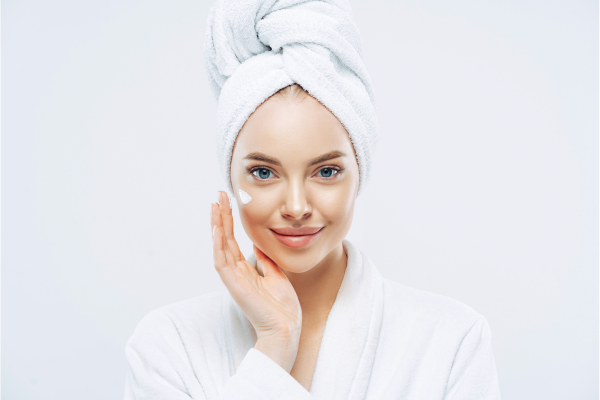
Top Skincare Routine for Your 30s—Dermatologist Tips

Your 20s are often filled with experiences, exploration, and fun—but entering your 30s brings a new set of challenges, especially for your skin. That’s why it’s crucial to start focusing on the best skincare routine for 30s to keep your skin resilient and glowing. In your 30s, your skin starts to undergo more noticeable hormonal changes. According to celebrity esthetician Renée Rouleau, one of the biggest shifts is a slowdown in growth hormones. This slower hormone activity means your skin doesn’t repair itself as easily, which can lead to issues like deeper breakouts (also known as cystic acne) and a reduced ability to regenerate.
In addition, your 30s may bring new concerns such as dark spots, acne scars, and fine lines that weren’t visible before. These early signs of aging can affect how you feel about your appearance and may lower your confidence. This is why having a more thoughtful and consistent skincare routine—ideally the best skincare routine for 30s—becomes essential. Rouleau emphasizes that the days of ignoring skincare are over—it’s time to be more intentional about how we care for our skin.
But don’t worry—every skin issue that appears in your 30s can be managed with the right solutions. With expert tips from Rouleau and two other specialists, you’ll learn about effective products and steps to maintain healthy skin. The best skincare routine for 30s doesn’t just help address current concerns; it also works preventively. Turning 30 doesn’t have to mean your skin will decline. With proper care and attention, you can keep your skin looking healthy, bright, and well-maintained—even as new challenges arise.
Skincare Tips to Follow in Your 30s
Many people in their 30s tend to use the same skincare routine for both morning and night. However, skincare expert Renée Rouleau highlights that our skin has different needs depending on the time of day. During the day, your skin faces many challenges, such as UV exposure and pollution. UV rays, in particular, can damage the skin and speed up aging by breaking down collagen and elastin—two key proteins that keep your skin firm and elastic. Environmental stressors like air pollution and dust can also cause inflammation and skin damage. That’s why your morning skincare routine should focus on protecting your skin.
Using an antioxidant serum in the morning is important because antioxidants help fight free radicals that can harm your skin. Serums with ingredients like vitamin C can brighten the skin and protect it from environmental damage. Sunscreen is also essential to shield your skin from harmful UV rays, which can lead to premature aging, dark spots, and even skin cancer.
On the other hand, nighttime is when your skin goes into repair mode.1Lyons AB, Moy L, Moy R, Tung R. Circadian rhythm and the skin: a review of the literature. J Clin Aesthet Dermatol. 2019;12(9):42-45. While you sleep, your skin works to fix the damage caused during the day. So, your evening skincare routine should focus on rejuvenation. Products like retinol, peptides, and chemical exfoliants (such as AHAs or BHAs) help speed up cell turnover and refresh the skin. After applying these treatments, using a night cream helps lock in moisture and support the skin’s healing process.
By understanding your skin’s different needs during the day and night, you can care for it more effectively and keep it healthy and glowing.
Also Read: How Long Does Retinol Take to Work On Skin?
Best Way to Start Using Anti-Aging Products in Your 30s
In your 30s, it’s important to introduce anti-aging products into your skincare routine, as Dr. Jaliman advises. By starting early, you can prevent more pronounced signs of aging later on and avoid needing more intensive treatments. This approach helps keep your skin healthy and resilient over time.
One ingredient highly recommended by experts like Rouleau is retinol—or, for stronger results, prescription retinoids (such as Retin-A). Retinol is proven to improve skin texture, reduce fine lines and wrinkles, and minimise enlarged pores. Because retinol can increase sun sensitivity, daily sunscreen use is essential.
To begin, try an over-the-counter retinol product, such as RoC Deep Wrinkle Night Cream, once or twice a week. Gradually increase to three or four nights per week. You’ll usually see initial results after about six weeks, but patience is key. After six to nine months of consistent use, you can consider moving up to a prescription-strength retinoid if needed.
Morning Skincare Routine for 30s Skin
During the day, your skin acts as a biological barrier, defending against external stressors like free radicals, pollution, and especially ultraviolet (UV) radiation. UV exposure can cause oxidative stress, DNA damage, and breakdown of collagen and elastin, accelerating both intrinsic and extrinsic ageing. Therefore, your morning routine should focus on protective measures with topical antioxidants and sunscreen.
An antioxidant serum—such as DermaDoctor’s Kakadu C-Serum, which uses Kakadu plum (the world’s richest natural source of vitamin C)—is ideal. Vitamin C neutralises free radicals, brightens by inhibiting tyrosinase (the enzyme responsible for melanin production), and stimulates collagen synthesis. When combined with ferulic acid and vitamin E, it forms a synergistic defence that enhances stability and protection against UV and pollution, all in a lightweight formula that layers under makeup without pilling or irritation.
Sunscreen is your first line of defence against photo-damage. A product like La Roche-Posay Anthelios Melt-In Milk SPF 60 offers broad-spectrum protection against both UVA and UVB rays, blocking about 98% of UVB. Its oil-free, fragrance-free, and water-resistant formula ensures comfort and minimises irritation, making it ideal for daily use—even on sensitive skin.
By consistently combining antioxidants and high-SPF sunscreen each morning, you not only protect your skin but also help it maintain optimal function against environmental challenges.
Evening Skincare Tips for Glowing Skin in Your 30s
As you age, the neck and décolletage require extra care, since the skin there is thinner, more sensitive, and has fewer oil glands than the face—so it shows ageing signs like wrinkles, hyperpigmentation, and loss of elasticity more quickly. Skincare expert Joanna Czech notes that a holistic facial routine extends from the hairline down to the chest, so your regimen shouldn’t stop at the jawline.
At night, your skin shifts into its regenerative phase, with increased cellular activity to repair daytime damage. It’s essential to hydrate and nourish the neck and chest area with active ingredients like peptides, ceramides, and hyaluronic acid to support moisture retention and cellular repair. This ritual helps maintain firmness, texture, and radiance from your face down through your décolletage.
Cleanse the Skin
In your early 20s, simply wiping off makeup with a cleansing wipe before bed might have felt enough—many people even switch to wipes in their late 20s because they’re convenient. But once you hit your 30s, your skin demands deeper, more serious care. According to beauty expert Joanna Czech, wipes often contain alcohol or harsh chemicals that can dry out your skin. Plus, rubbing your face with a wipe can spread dirt and bacteria instead of removing it.
Wipes also struggle to lift all the grime, makeup residue, and oil that clog pores. Experts therefore recommend a gentle, sulfate-free facial cleanser. Sulfates can strip your skin and leave it feeling tight. A product like Renée Rouleau’s Luxe Mint Renewal Cleanser is both mild and effective. After rinsing, use a soft baby washcloth to buff away any remaining impurities—but swap it out each time so it doesn’t become a bacteria hotspot.
Rouleau stresses that proper cleansing is the first step to healthy skin. If your face isn’t truly clean, serums, creams, or moisturizers can’t absorb properly and won’t deliver their full benefits. A thorough cleanse clears the way for everything else in your routine to work its best.
Moisturize
Many people assume it’s fine to smear leftover face moisturizer onto their neck—but according to Rouleau, that doesn’t provide enough hydration or protection. The neck has thinner, more sensitive skin than the face and is often exposed to unshielded sun, so signs of aging like fine lines, wrinkles, and sagging tend to appear there first.
Treat your neck as seriously as your face. After applying your facial moisturizer, dispense a fresh dollop specifically for your neck—both front and sides—and smooth it evenly. In the daytime, follow with a dedicated neck sunscreen to guard against UV damage to collagen and elastin.
A product like Perricone MD Cold Plasma Plus+ Neck & Chest SPF 25 is formulated just for the neck and décolletage. It firms, evens texture, and reduces fine lines. Use it nightly, and if you want daytime protection, layer an additional SPF 30+ sunscreen over it for full sun defense.
Dab on an Eye Cream
The skin around your eyes is the thinnest and most delicate on your face. Rouleau points out that it has almost no oil glands, so it’s prone to dryness, fine lines, and early aging—especially from facial expressions like squinting and smiling. That’s why a dedicated eye cream is crucial, even in your 20s.
But application matters: don’t smear cream too close to the lash line. Instead, gently tap it along your orbital bone—the bony rim just under your eye socket—so body heat and natural skin movement spread the product without it migrating into your eye and causing irritation.
For daily use, try Tatcha Luminous Deep Hydration Firming Eye Serum—just a pea-sized amount every 12 hours. Its ceramic applicator delivers a soothing cool touch and helps reduce puffiness overnight. For a budget-friendly option, Botanics All Bright Refreshing Eye Roll-On uses hibiscus extract to brighten and refresh gently.
Consistent eye care helps prevent early aging, keeps your eyes looking awake, and supports an overall healthy, radiant complexion.
Sleep on a Pillowcase
In your 20s, late nights and busy schedules often trump sleep. But as you age, prioritizing both sleep quality and duration becomes vital—for your body and your skin. Dr. Debra Jaliman recommends getting at least eight hours of sleep nightly, since skin enters its repair phase during rest. Cells work hard to fix damage from sun, pollution, stress, and irritation.
The longer you sleep, the more time your body has to renew skin tissue. Lack of sleep leads to dullness, puffiness, and can accelerate fine lines and wrinkles.
Jaliman also advises switching to a satin or silk pillowcase. Unlike cotton, these smooth fabrics reduce friction against your skin. If you often wake up with “sleep lines” from a harsh pillow surface, over time those lines can become permanent wrinkles.
A popular choice is the Slip Silk Pillowcase—it’s gentle on skin, helps lock in moisture, and also prevents hair breakage and frizz. Quality sleep on the right pillowcase gives you the dual benefit of fresher-looking skin and healthier hair.
Conclusion
Aging is inevitable, but choosing the right products is your way of honoring and caring for the skin that protects you every day. Using age-appropriate formulations—whether it’s a cleanser, anti-aging serum, or high-SPF sunscreen—helps keep skin strong, healthy, and well-nourished. It’s more than just about looks; it’s about maintaining your skin’s health over time.
Thoughtful skincare not only prevents further damage but also shows gratitude to the body that’s supported you through the years. By caring for your skin with purpose, you age gracefully, boost your confidence, and embrace life’s journey with a positive outlook.

 Acne
Acne Anti-Aging
 Business
 Digital Marketing
 Economics
 Exfoliation
 Hair Removal
 Movies
 Personal Finance
 Websites