11 Best Ways to Treat and Prevent Waxing Side Effects Fast
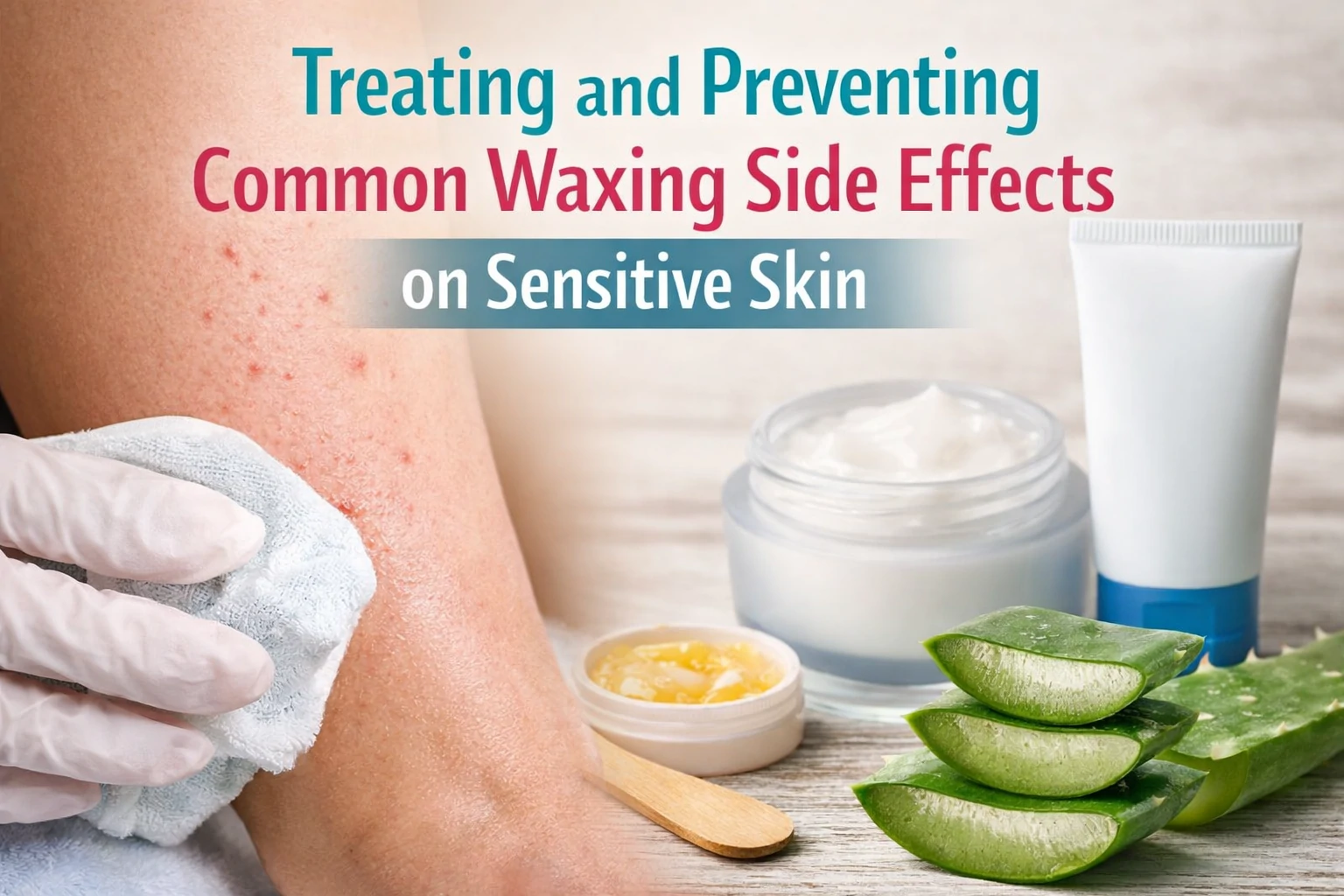
Waxing remains one of the most popular hair removal methods because it keeps skin smooth for up to six weeks. However, despite its long history, waxing can still trigger side effects such as redness, irritation, or mild burns caused by overheated wax.
The good news is that most waxing side effects are preventable with proper preparation and technique. According to experienced estheticians Rachael Gallo and Shay Sadrolashrafi, correct wax application plays a major role in reducing skin trauma. When irritation does occur, fast and appropriate aftercare is essential to prevent prolonged inflammation.
Based on medical insights from board-certified dermatologist Dr. Marie Hayag, MD, several strategic steps can help minimize waxing reactions and support faster skin recovery:
- Skin preparation: Keep skin well-hydrated but free from excess oil before waxing.
- Sensitivity awareness: Avoid waxing while using strong retinoids to reduce the risk of skin lifting or peeling.
- Post-wax care: Apply a cold compress or pure aloe vera gel to calm open hair follicles and soothe the skin.
Understanding how your skin heals after waxing helps you achieve smoother results without compromising epidermal health.
11 Ways to Treat and Avoid Side Effects
1. Redness and Inflammation After Waxing
Post-wax redness is a common and completely normal skin response, especially for sensitive skin types or those with coarse hair follicles. According to esthetician Shay Sadrolashrafi, this reaction is caused by heat exposure from the wax, which triggers vasodilation. As blood vessels widen, blood flow increases near the skin’s surface to respond to the mild trauma created during hair removal.
While post-wax inflammation cannot always be avoided, proper aftercare can significantly speed up skin recovery and reduce discomfort.
Effective ways to calm the skin include:
- Hydration and soothing care: Apply a targeted post-wax serum with aloe vera, such as Wakse’s Cactus H20 Post-Wax Serum. Its cooling properties help calm the epidermis and reduce inflammatory responses.
- Reduce friction: Avoid tight clothing on freshly waxed areas. Loose fabrics allow the skin to breathe and prevent unnecessary friction that can worsen irritation.
These simple but strategic steps help restore the skin barrier faster, keeping post-wax skin calm, comfortable, and healthy.
2. UV Sensitivity After Waxing and Exfoliation
Waxing doesn’t just remove hair—it also lifts dead skin cells from the stratum corneum, acting as an intensive physical exfoliation. As a result, the skin barrier becomes temporarily thinner and more vulnerable. This reduced protection significantly lowers the skin’s tolerance to ultraviolet (UV) exposure, increasing the risk of inflammation, sunburn, and post-inflammatory hyperpigmentation.
Proper sun protection after waxing is essential to support skin recovery and prevent long-term damage.
Recommended protective steps include:
- Use mineral sunscreen first: Opt for mineral-based sunscreens containing zinc oxide or titanium dioxide. These ingredients sit on the skin’s surface and physically reflect UV rays, making them safer for freshly waxed, sensitized skin.
- Avoid chemical UV filters: Chemical sunscreens absorb UV radiation and convert it into heat within the skin. On post-wax skin, this added heat can worsen irritation and prolong inflammation.
By choosing the right sun protection after waxing, you help preserve skin integrity, reduce pigmentation risks, and support healthier skin over time.
3. Post-Wax Breakouts and Small Bumps
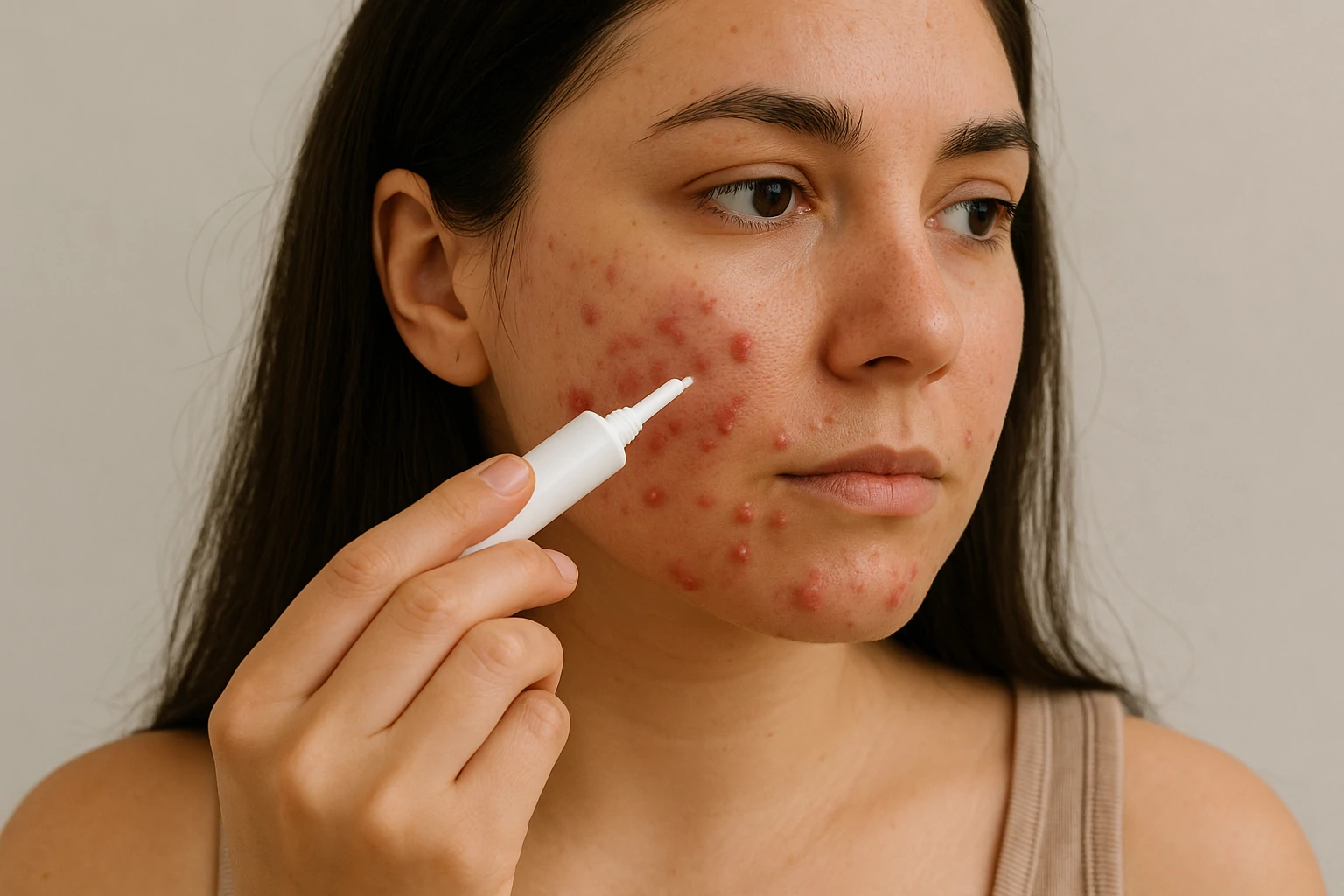
Even after hair is fully removed, small pimples or bumps can appear on freshly waxed skin. According to board-certified dermatologist Dr. Marie Hayag, MD, this happens because waxing also removes the top layer of the epidermis, leaving pores temporarily open and more vulnerable to bacteria. When microbes enter the hair follicles, folliculitis or acne-like lesions can develop—even in people without acne-prone skin.
Preventing and managing post-wax breakouts starts with proper hygiene and gentle care before and after the procedure:
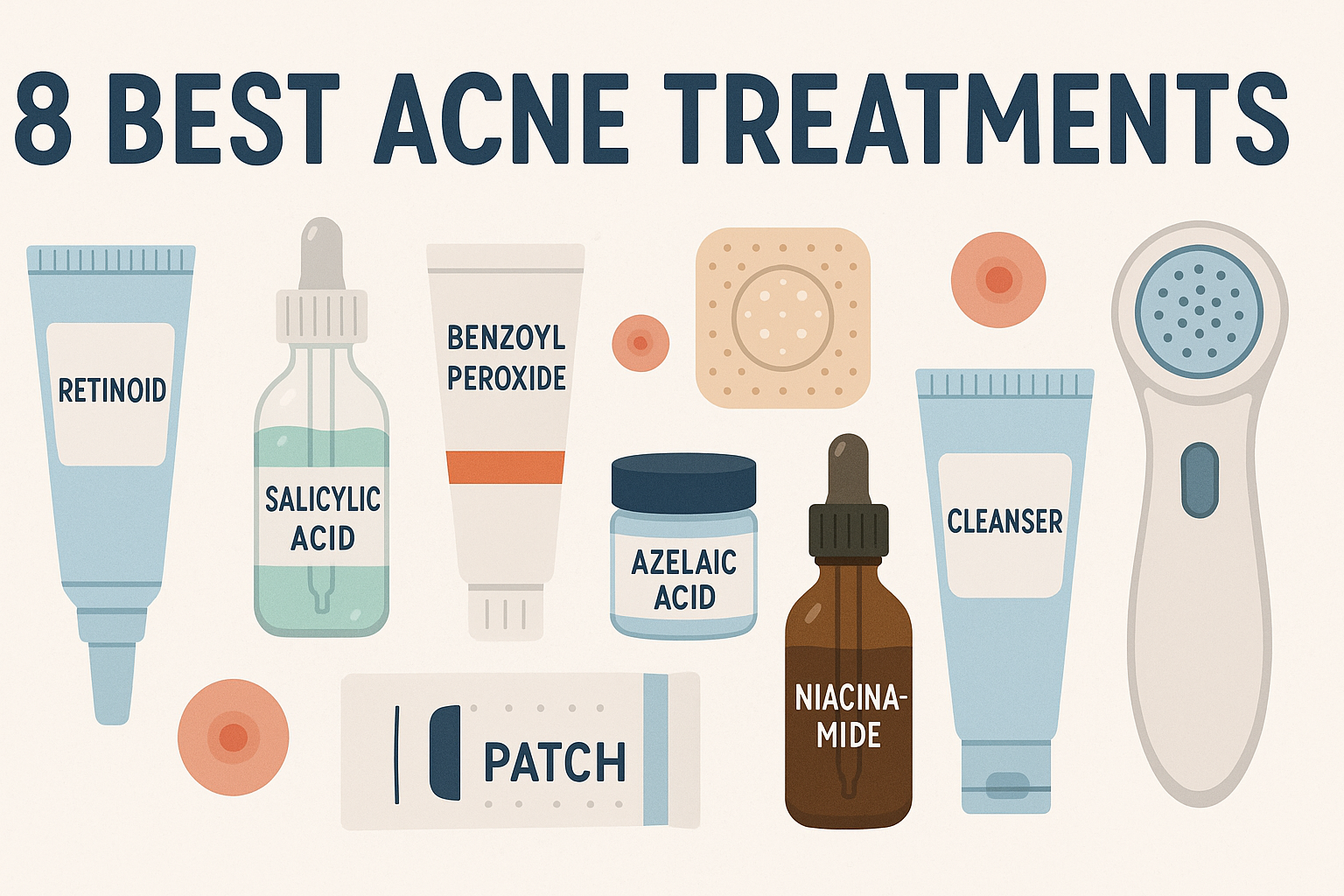
- Pre-wax preparation: Exfoliate one day before waxing to remove dead skin cells. A cleanser containing salicylic acid, such as Neutrogena Body Clear Body Wash, helps keep pores clear and reduces bacterial buildup.
- Post-wax cleansing: Esthetician Rachael Gallo recommends gently washing the area with a mild foaming cleanser to eliminate bacteria that may enter open follicles.
- Avoid mechanical irritation: Never pick or squeeze post-wax bumps. Wear loose clothing to reduce friction and prevent further inflammation.
With the right skin preparation and aftercare, you can keep post-wax skin clear, calm, and healthy.
4. Ingrown Hair After Waxing: Causes and Solutions
Painful bumps caused by ingrown hair are a common side effect of hair removal, including waxing. According to Dr. Marie Hayag, MD, ingrown hair occurs when new hair growth fails to break through the skin’s surface and instead curls back into the dermis. This issue is most common in areas with coarse hair, such as the underarms and bikini line, and is more frequent in people with curly or textured hair.
Preventing ingrown hair after waxing depends on keeping the skin surface smooth and follicles clear. Esthetician Shay Sadrolashrafi recommends a targeted routine to support healthy hair regrowth:
- Consistent exfoliation: Gently exfoliate 24 to 48 hours before and after waxing, then continue up to three times per week. This helps remove dead skin cells that can block hair from growing outward.
- Skin hydration: Apply a calming post-wax serum to reduce inflammation and maintain skin elasticity, allowing new hair to grow in the correct direction.
With regular exfoliation and proper hydration, skin stays smooth and ingrown hair becomes far less likely.
5. Understanding Post-Wax Skin Bumps
Small, fine bumps that appear a few hours after waxing are common and usually harmless. According to esthetician Shay Sadrolashrafi, these bumps are not acne or ingrown hairs, but a neurogenic inflammatory response. They occur when hair follicles are forcibly removed and the skin experiences mechanical stress during waxing. Visually, this reaction closely resembles razor burn.
Treatment depends on severity and individual skin sensitivity. Experts recommend the following approach:
- Self-monitoring: Rachael Gallo explains that if bumps appear without intense redness or pain, the skin often recovers on its own within 48 hours, without active treatment.
- Soothing therapy: If discomfort or swelling develops, Dr. Marie Hayag, MD suggests using a cold compress to reduce heat and calm inflammation.
- Topical support: A low-strength cortisone cream may help control inflammation when needed. Avoid fragranced moisturizers, as fragrance can irritate open follicles and delay healing.
Keeping post-wax skin cool, calm, and free from harsh ingredients is essential for fast, safe recovery.
6. Identifying and Managing Allergic Reactions to Waxing
Wax products vary widely in formulation, from natural ingredients like sugar, fruit enzymes, chocolate, and honey to added essential oils for fragrance. Because of this diversity, tolerating one type of wax does not guarantee your skin will react well to another. Allergic reactions or contact dermatitis can occur when the skin is sensitive to a specific ingredient.
If signs of a mild allergic reaction appear, early care helps reduce discomfort and prevent worsening:
- Immediate relief: Apply a cold compress to the affected area. Anti-itch lotions or over-the-counter hydrocortisone cream can help calm inflammation and reduce histamine response.
- Skin-friendly environment: Wear loose, breathable cotton clothing to minimize heat and sweat buildup, which can aggravate irritated skin.
- Know when to seek help: Severe symptoms such as intense swelling, spreading rash, or difficulty breathing require urgent medical attention.
To reduce risk, always perform a small patch test before a full waxing session.
7. Understanding Bruising After Waxing and How to Treat It
While waxing does involve pulling on the skin, noticeable bruising is not considered normal. According to esthetician Rachael Gallo, bruises form when excessive mechanical trauma causes tiny blood vessels beneath the skin to rupture. This usually happens when the skin isn’t held taut enough during wax removal, allowing deeper tissue to stretch and bleed slightly under the surface.
If bruising occurs during at-home waxing, it’s a clear sign to improve skin tension and technique. When it happens during a professional service, it may indicate poor application and is worth reassessing the provider’s expertise.
Although bruises naturally fade over time, targeted care can ease discomfort and support healing. Esthetician Shay Sadrolashrafi recommends applying a cold compress immediately after waxing to constrict blood vessels and reduce swelling. For soreness, ibuprofen or a topical cream containing high levels of CBD may help relieve tenderness.
If bruising spreads, worsens, or remains painful for several days, consult a medical professional to rule out deeper tissue injury.
8. Reducing the Risk of Burns and Skin Abrasions After Waxing
Skin that becomes intensely red, painful, or starts peeling after waxing is a sign of thermal or mechanical injury. According to Dr. Marie Hayag, MD, this usually happens when wax is applied at an excessively high temperature or when the same area is waxed repeatedly. These issues are far more common with at-home waxing than professional treatments.
External factors also matter. Rachael Gallo notes that using retinol-based skincare or certain medications can thin the epidermis, making skin more fragile and prone to lifting during wax removal. Being transparent with your esthetician about your skincare routine is essential for safe waxing.
If skin damage occurs, barrier repair should be the priority. Shay Sadrolashrafi recommends applying an occlusive ointment like Vaseline or Aquaphor to seal in moisture and protect the compromised skin from bacteria. Avoid heat exposure, including hot showers and direct sun, until the skin has fully healed.
Proper technique, honest consultation, and immediate aftercare are key to preventing waxing burns and abrasions.
9. Understanding and Minimizing Waxing Pain
Sharp pain during waxing is a normal nerve response, as hair is removed directly from the follicle at the root. When performed by a trained professional and with the body relaxed, this discomfort is usually brief. However, Rachael Gallo explains that pain can intensify when muscles tense up. During waxing, the skin is held taut for precision, and surrounding muscles may tighten as well, leading to lingering soreness or mild strain afterward.
To reduce pain and improve comfort during waxing, a few expert-backed strategies can help:
- Pre-treatment support: Taking ibuprofen before your appointment may reduce pain signals and limit early inflammation.
- Lower skin sensitivity: Avoid strong exfoliating acids or active ingredients for several days before waxing, as they can lower the skin’s pain threshold.
- Post-wax comfort: Wear loose, soft clothing immediately after treatment to prevent friction and additional irritation.
Staying well-hydrated and keeping your body relaxed before and after waxing can significantly help your nervous system tolerate the procedure more comfortably.
10. Understanding Micro Bleeding After Waxing
Seeing tiny spots of blood after waxing can be alarming, but dermatologically, this is a common and usually harmless reaction. Micro bleeding occurs when coarse or thick hair is pulled from follicles that have a strong capillary blood supply at the base. Because the injury is highly localized to individual pores, bleeding typically clots and stops quickly without causing wider skin damage.
Proper aftercare helps keep the area clean and supports faster healing:
- Clean the area promptly: Gently wipe away any blood using a clean, sterilized cloth or gauze to reduce the risk of secondary infection.
- Apply cold therapy: A cold compress helps constrict blood vessels, slowing bleeding while also calming inflammation and discomfort.
- Protect the skin barrier: If the area feels tender, apply a protective ointment like Aquaphor. This creates a soothing barrier that locks in moisture and supports skin regeneration.
With calm handling and basic hygiene, post-wax micro bleeding resolves quickly, allowing skin to return to a healthy, balanced state.
11. Post-Inflammatory Hyperpigmentation After Waxing
Sometimes, freshly waxed skin appears darker or develops brownish patches even before hair regrows. According to esthetician Rachael Gallo, this is known as post-inflammatory hyperpigmentation (PIH). It occurs when melanocytes respond to physical stress, such as heat from wax, follicle trauma, or surface irritation that triggers inflammation in the epidermis.
Treating PIH requires patience and a careful approach. Dr. Marie Hayag, MD emphasizes that pigment correction takes time and should not be rushed.
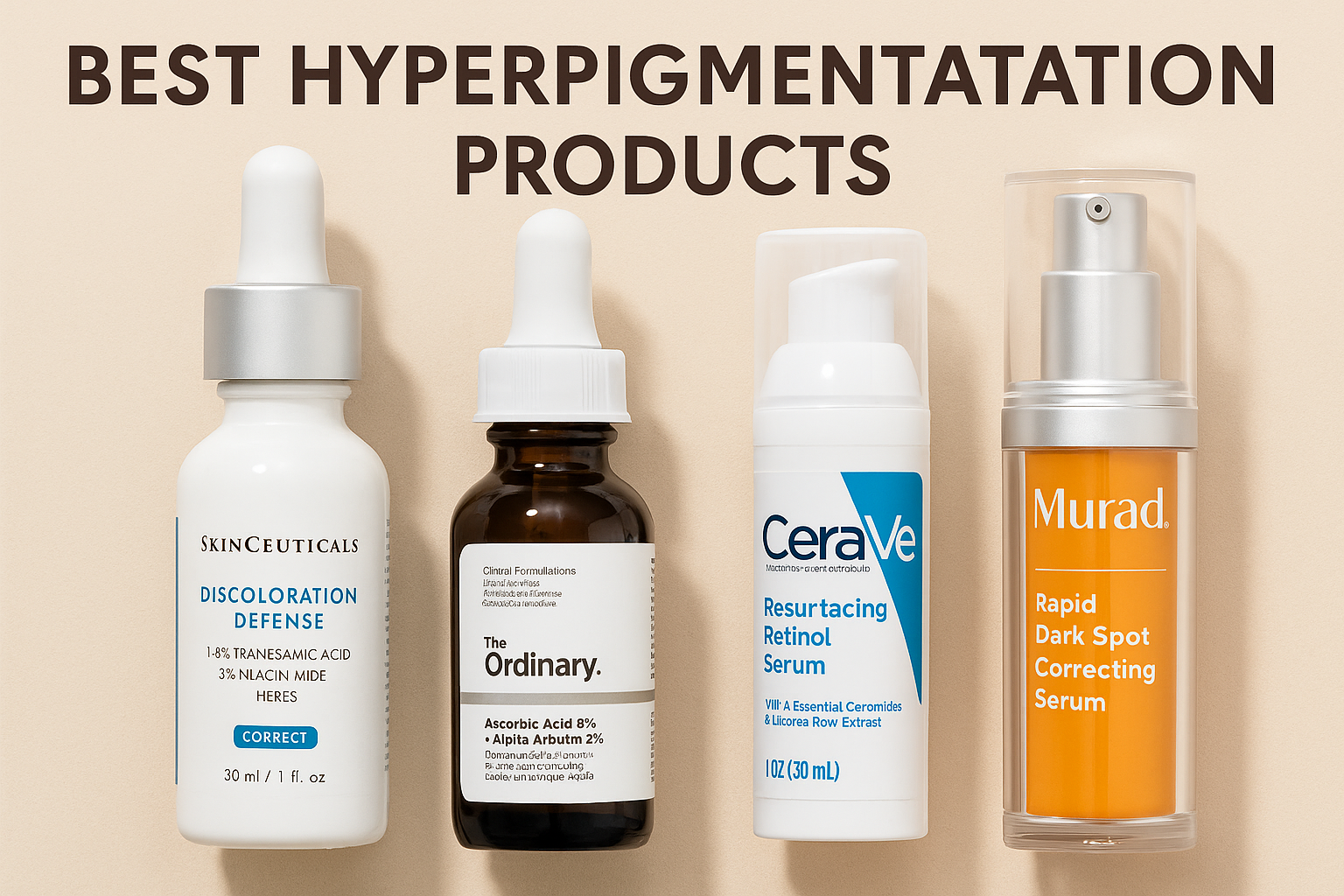
Recommended steps include resting the skin from further waxing and consulting a dermatologist for proper evaluation. Depending on severity, a physician may suggest topical treatments with proven brightening and barrier-supporting ingredients, such as hydroquinone to reduce excess melanin production, niacinamide to strengthen the skin barrier and even tone, or mandelic acid, a gentle exfoliant suitable for sensitive areas.
Strict sun protection is essential during recovery, as UV exposure can deepen pigmentation and slow healing. With consistent care and the right guidance, post-wax discoloration can gradually fade and skin tone can return to a more even, healthy appearance.
First 24 Hours After Waxing: What You Should Avoid
Right after waxing, the skin is at its most vulnerable. Hair follicles remain open, and the natural skin barrier is actively repairing itself. To prevent irritation, breakouts, or bacterial infection, keeping the area clean, cool, and calm is essential. According to Dr. Marie Hayag, MD, limiting heat and excess moisture plays a key role in healthy post-wax recovery.
During the first 24–48 hours after waxing, avoid the following activities:
- Intense workouts: Sweat contains salt and bacteria that can clog open pores, increasing the risk of bumps, folliculitis, or irritation.
- High heat exposure: Skip hot baths, saunas, steam rooms, and sunbathing. Heat boosts blood flow and can worsen redness, swelling, and inflammation.
- Friction and tight clothing: Tight outfits or activities that cause rubbing can disrupt the fragile skin barrier and delay healing.
To soothe the skin, applying a calming repair balm such as La Roche-Posay Cicaplast Baume B5 can support faster regeneration. With proper aftercare, freshly waxed skin stays smooth, healthy, and free from complications.
When to Avoid Waxing: Key Contraindications to Know
Waxing safety depends not only on technique, but also on your current skin condition. According to Dr. Marie Hayag, MD, certain medical and skin-related factors are clear red flags. Ignoring these contraindications can lead to serious complications, including skin lifting, delayed healing, or infection.
You should postpone waxing if any of the following apply:
- Active acne treatments: If you are taking isotretinoin (such as Accutane) or using high-strength retinoids, the skin becomes significantly thinner and fragile. In most cases, a waiting period of at least six months after stopping medication is recommended.
- Recent chemical exfoliation: Waxing should be delayed for at least one week after chemical peels or the use of strong AHA or BHA products, as the skin barrier is still compromised.
- Active skin conditions: Never wax over open wounds, sunburn, or active fungal or viral infections, including herpes.
Being transparent about your skincare routine and medical history is essential. Proper timing helps ensure waxing remains effective, safe, and free from long-term skin damage.
Waxing vs. Sugaring: Which Is Better for Sensitive Skin?
Choosing between waxing and sugaring can be challenging if you have sensitive skin. While both remove hair from the root, their techniques affect the skin very differently. According to esthetician Shay Sadrolashrafi, sugaring is often the gentler option because the sugar paste adheres mainly to hair and dead skin cells, rather than pulling on living skin tissue.
Sugaring offers several skin-friendly advantages over traditional waxing:
- Lower application temperature: Sugar paste is used at room temperature or slightly warm, which significantly reduces the risk of thermal burns common with hot wax.
- Hair removal direction: Sugaring removes hair in the natural direction of growth, helping prevent hair breakage below the surface—a major cause of ingrown hairs.
- Minimal ingredients: Most sugaring formulas contain only sugar, lemon, and water, lowering the risk of allergic reactions compared to synthetic wax blends.
For highly reactive or irritation-prone skin, switching to sugaring can be an effective, honest solution for smooth results without prolonged redness or inflammation.
Final Thoughts
Achieving smooth, healthy skin through waxing is the result of smart preparation and consistent aftercare. Most common side effects—such as redness, ingrown hair, or post-wax sensitivity—are natural skin responses and can be significantly reduced with regular exfoliation and calming products like Wakse’s Cactus H20 Serum. Being honest about your medical history and active skincare use is essential to avoid serious issues like skin lifting or prolonged irritation.
Safety should always come first. If you are using retinoids or undergoing intensive skin treatments, postponing waxing is the responsible choice. For highly reactive skin, switching to sugaring may offer a gentler alternative. By keeping skin clean during the first 24 hours and protecting it from UV exposure, you can enjoy long-lasting smooth results that are both effective and skin-safe.
You might also like

 Acne
Acne Anti-Aging
 Business
 Digital Marketing
 Economics
 Exfoliation
 Hair Removal
 Movies
 Personal Finance
 Websites