Bikini Waxing 101: What to Expect & Pro Tips for Beginners

Your first bikini waxing experience often comes with a mix of curiosity and nervousness. Questions about pain tolerance, how long results last, and proper aftercare are completely normal for beginners.
To provide guidance that’s clinically informed yet easy to understand, this article draws on professional insights from Gina Petak and Deidra Green, specialists at European Wax Center. According to their expertise, proper skin preparation isn’t only about aesthetics—it plays a key role in maintaining a healthy skin barrier and reducing post-wax irritation.
Key points covered include:
- Pre-Wax Education: Essential steps before exfoliation to help pores and hair follicles prepare for effective hair removal.
- Hygiene Protocols: Professional standards that ensure the bikini waxing process remains safe, clean, and irritation-free.
- Post-Wax Care Management: How to calm the skin and soothe follicles to help prevent ingrown hair and sensitivity.
With the right knowledge and expectations, bikini waxing can feel far less intimidating. Proper preparation and aftercare help deliver smoother, longer-lasting results while keeping your skin healthy and comfortable.
What Is a Bikini Wax?
From a clinical and aesthetic perspective, a bikini wax is a hair removal procedure that removes hair from the root using professional-grade wax around the bikini area. For first-timers, understanding the basic types helps reduce discomfort and set realistic expectations:
- Basic Bikini Wax: This option targets hair that grows outside the underwear line. From a physiological standpoint, this area has a lower pain threshold than more sensitive inner zones, making it an ideal starting point for beginners.
- Full Bikini Wax: This method removes more hair than the basic version, resulting in a cleaner look while still allowing you to leave some hair if preferred.
It’s important to note that service names like Brazilian or Hollywood wax can vary between providers. Rather than relying on terminology alone, clear communication with your therapist is far more effective. You’re encouraged to explain or visually indicate exactly which areas you want treated. You can also request targeted hair removal—such as the back or inner crease—without committing to a full Brazilian, ensuring the process stays comfortable and aligned with your personal preferences.
How Do I Prepare for My First Bikini Wax?
Proper skin preparation is essential to minimize stress on the epidermis and achieve a smoother result. According to Gina Petak, waxing effectiveness depends heavily on hair length. Ideally, hair should be about 0.6 cm long—roughly the size of a grain of rice—so the wax can grip the follicle properly. For this reason, avoid shaving for at least 10 days before your appointment.
While trained professionals can handle different hair textures, excessively long hair may increase discomfort during removal. In addition, Deidra Green recommends arriving early to complete any required intake forms. This step is important for:
- Health Screening: Confirming you’re not using medications such as retinoids or blood thinners that may increase skin sensitivity.
- Profile Verification: Ensuring your skin condition aligns with the clinic’s safety protocols.
These preventive steps don’t just improve waxing results—they also help protect your skin barrier, reducing the risk of irritation and supporting healthy skin recovery after the procedure.
What Happens During a Bikini Wax
At the start of your appointment, a licensed therapist will conduct a brief clinical consultation to assess your needs. This includes checking hair length for effective removal and confirming which areas you want treated. Clear communication at this stage helps align expectations and ensures precise results.
It’s common to feel self-conscious, but Deidra Green emphasizes that trained professionals work under strict clinical standards. Their focus isn’t judgment or appearance—it’s skin health. Every step is designed to minimize irritation and protect the skin throughout the process.
Because every body is biologically different, therapists are experienced in working with a wide range of hair textures and densities. Beyond the technical procedure, they also provide post-wax guidance to help prevent inflammation or other concerns.
By placing your care in the hands of qualified professionals, you can stay relaxed during the session. Patient comfort, safety, and skin integrity remain the top priorities in every professional bikini waxing service.
Types of Wax Used
In professional aesthetics, the type of wax used plays a major role in both comfort and final results. According to Gina Petak, there are two main types commonly used in bikini waxing:
- Soft Wax: This wax requires a cloth or paper strip to remove hair. It’s highly effective for larger areas but may leave behind fine hairs and causes deeper surface exfoliation. Soft wax is typically better suited for those with finer hair textures.
- Hard Wax: Unlike soft wax, hard wax hardens on its own and is removed without strips. It works by gripping the hair shaft rather than pulling on the skin, making it more targeted for sensitive areas.
Many professionals agree that hard wax offers a more comfortable experience, as it minimizes skin tugging. While pain tolerance varies from person to person, hard wax is often preferred for bikini waxing because it helps reduce post-wax irritation and supports better skin recovery, especially in delicate areas.
Systematic Steps in a Bikini Waxing Procedure
While each studio may follow its own protocol, professional bikini waxing generally adheres to clinical standards to ensure hygiene, safety, and comfort:
- Skin Sanitization: The session begins by cleansing the skin to remove lotion residue, excess oil, and surface bacteria. This step helps prevent infection and allows the wax to adhere properly.
- Protective Skin Barrier: A lightweight protective oil is applied to create a buffer, ensuring the wax grips only the hair shaft without stressing the epidermis.
- Interactive Consultation: As the wax is prepared, you’re given time to discuss preferences, pain tolerance, or ask technical questions about the procedure.
- Hair Removal Process: Wax is applied and removed using a swift, controlled technique to extract hair from the root. The process typically takes around 15 minutes, and open communication is encouraged if you need a short break.
- Post-Wax Restoration: The session ends with calming products, such as cooling or soothing gels, to hydrate the skin and reduce mild inflammation.
These steps help maintain skin integrity while minimizing post-wax irritation.
Is It Painful to Get a Bikini Wax?
From a medical standpoint, removing hair from the follicle can cause temporary discomfort—especially in areas with a high concentration of nerve endings. Interestingly, many first-timers find the psychological aspect, such as feeling exposed, more intense than the physical sensation itself.
Gina Petak explains that while the first session may feel sharper, waxing from the root gradually weakens the hair follicle. As a result, regrowth tends to be finer and softer, making future bikini wax sessions noticeably more comfortable.
To help minimize skin stress, two key factors matter most:
- Wax Quality: Premium-grade wax reduces unnecessary skin pulling and improves comfort.
- Therapist Expertise: Licensed professionals use precise, efficient techniques that shorten discomfort time.
For your first bikini wax, choosing a reputable studio with strong reviews—and requesting a senior therapist—is highly recommended. With proper technique and professional care, the process remains safe, controlled, and manageable for sensitive skin.
Post-Bikini Waxing Care Protocol
After a bikini wax, the skin becomes more sensitive, so gentle care is essential for proper recovery. One of the most important steps is allowing airflow to the area. Cotton underwear is strongly recommended over synthetic fabrics or textured materials like lace, as friction can trigger mechanical irritation.
Beyond hydration, light exfoliation plays a key role in preventing common post-wax concerns, including:
- Ingrown Hair (Pseudofolliculitis Barbae): Hair growing back into the skin
- Acne-like Bumps: Small breakouts caused by clogged pores or bacteria
- Mild Inflammation: Temporary redness or bumps as a natural skin response
To reduce these risks, consistent pre- and post-wax care matters. Gentle exfoliation before your appointment helps clear dead skin, while using a mild, non-stripping cleanser afterward supports skin balance and hygiene.
When these steps are followed consistently, the skin barrier stays healthier, irritation is minimized, and smooth results last longer—making each bikini waxing session more comfortable over time.
Brazilian vs. Bikini Wax
Understanding the difference in treatment area is essential to achieve results that match your expectations. A bikini wax is designed to remove hair that’s visible when wearing swimwear. It typically focuses on the outer bikini line, the upper inner thigh folds, and lightly tidies the lower abdomen toward the center of the pubic area.
A Brazilian wax, on the other hand, offers more complete hair removal. This procedure removes hair from the entire genital area, including the bikini line and the back (between the buttocks). Despite its full coverage, Brazilian waxing remains customizable based on personal preference:
- Styling Options: You may request to leave a specific shape, such as a triangle or landing strip, at the front.
- Personal Touch: Some clients opt for custom designs that reflect their individual style.
The key difference lies in how much hair is removed from sensitive areas. Choosing between a bikini wax and a Brazilian wax ultimately depends on your comfort level and long-term aesthetic goals.
Are There Any Risks with Bikini Waxing?
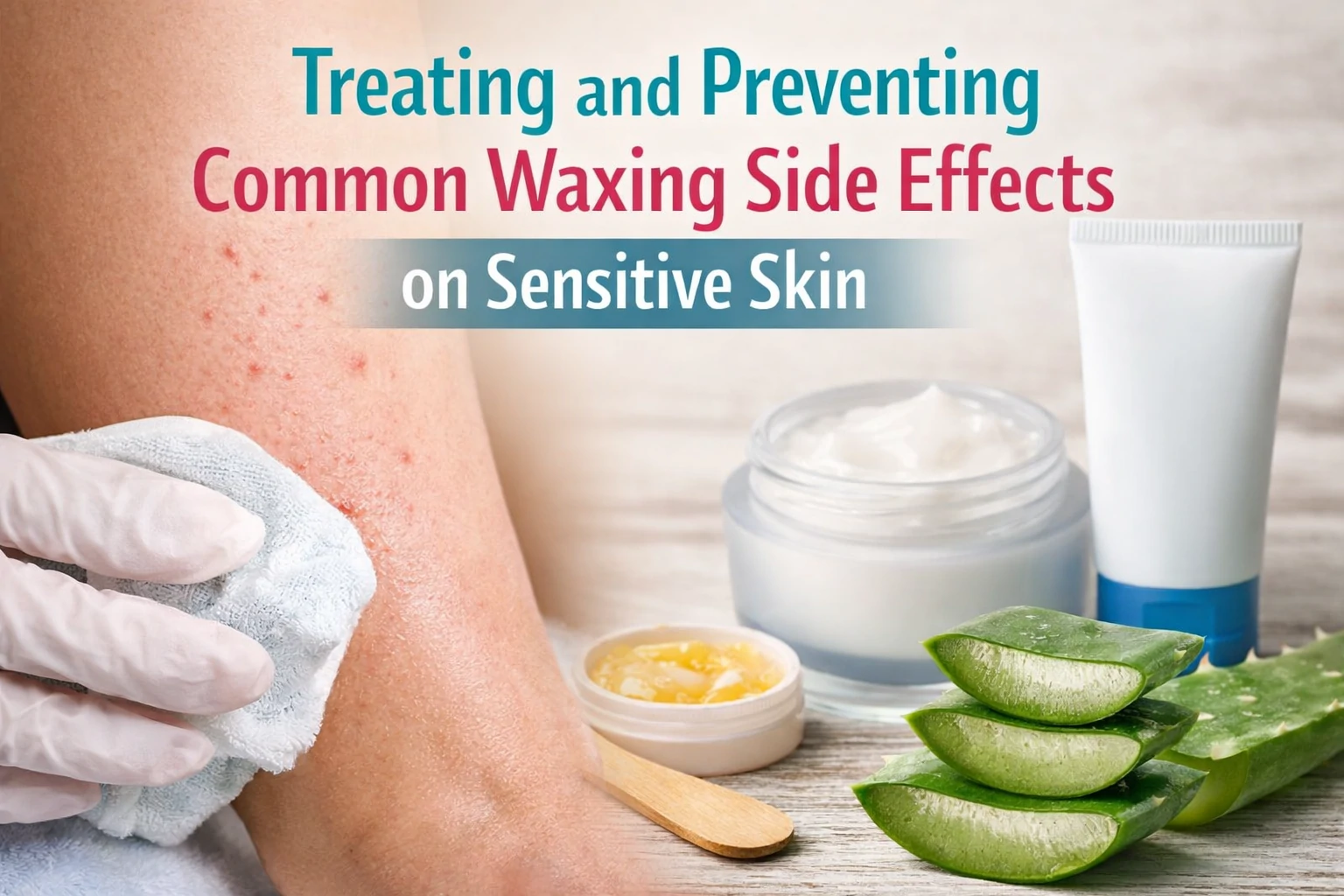
Clinically, bikini waxing is considered a low-risk procedure, though mild skin reactions can occur—especially for first-timers. Temporary redness and light irritation are common responses, as the skin reacts to mechanical stress when hair is removed from the follicle.
While these effects may feel uncomfortable, they’re usually short-lived and can be managed with simple restorative care:
- Soothing Agents: Products containing pure aloe vera help hydrate, cool, and calm the skin thanks to their natural anti-inflammatory properties.
- Cold Therapy: Applying a cold compress can constrict blood vessels, reducing swelling and easing irritation during the recovery phase.
Understanding that these reactions are part of the skin’s normal adjustment process can offer reassurance. However, if irritation persists beyond 48 hours, it’s best to consult a professional to rule out allergic reactions or secondary infection.
Can You Get a Bikini Wax While on Your Period?
Waxing during your menstrual cycle is medically safe, as long as proper hygiene standards are maintained. However, there are a few physiological factors worth considering to keep the experience comfortable.
Hormonal fluctuations during menstruation can heighten pain sensitivity, meaning your tolerance for waxing discomfort may be lower than usual. If you choose to keep your appointment, experts recommend the following:
- Hygiene Management: Use a tampon or menstrual cup to maintain cleanliness and comfort during the session.
- Clear Communication: Let your therapist know you’re on your period so they can adjust their technique and work more gently.
- Extra Relaxation: Staying well-hydrated and avoiding caffeine beforehand may help reduce nerve sensitivity.
For maximum comfort, many specialists suggest scheduling your bikini wax a few days after your period ends. At this time, skin sensitivity is typically more stable, making the procedure easier and less uncomfortable.
How Long Does Hair Grow Back? (The Growth Cycle)
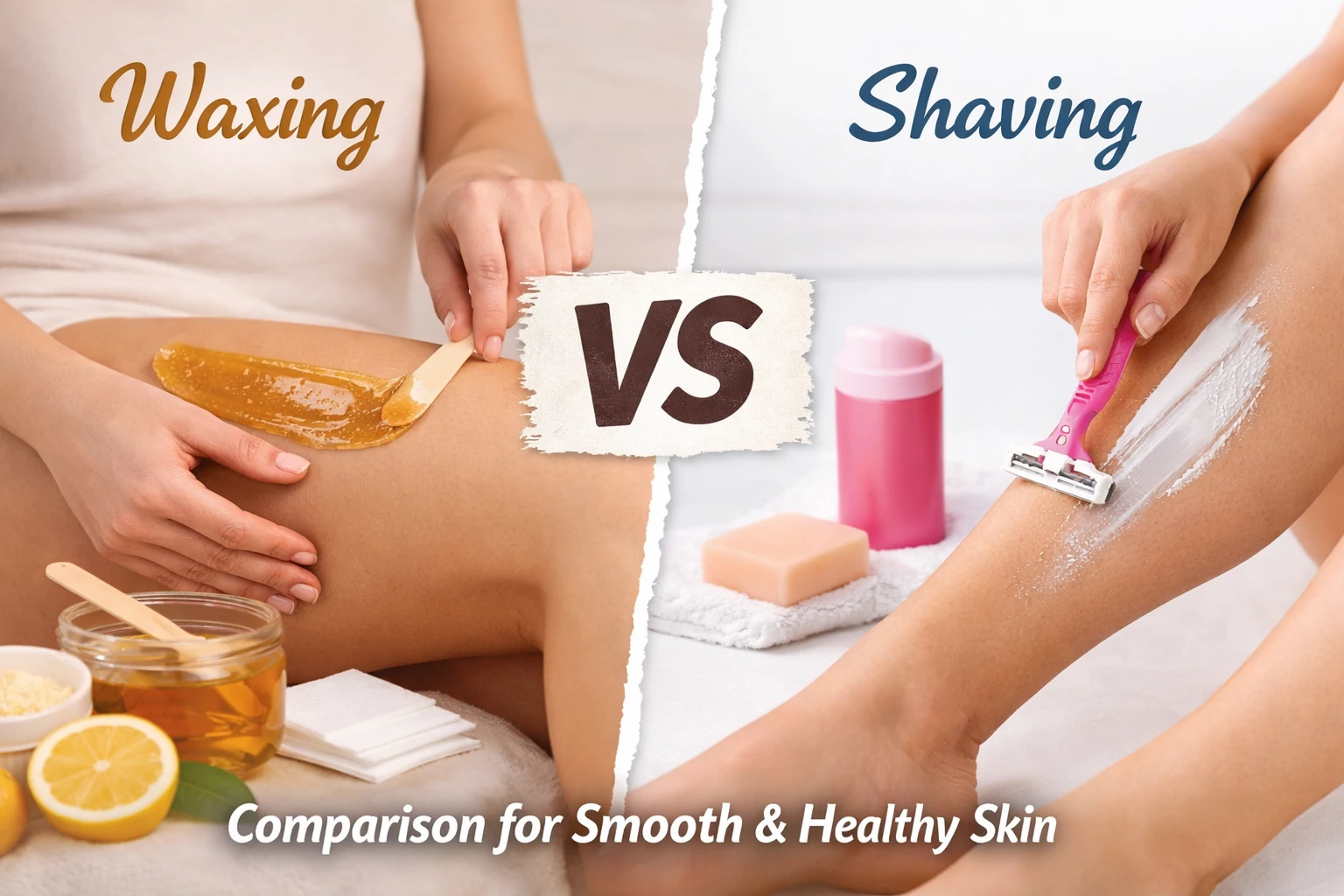
One of the main advantages of waxing is longer-lasting smoothness compared to shaving. However, results vary depending on each person’s natural hair growth cycle. On average, bikini waxing results last between three to six weeks before regrowth becomes visible.
Understanding the hair growth cycle helps set realistic expectations:
- Anagen Phase (Growth): Hair removed during this active growth phase takes the longest to grow back.
- Catagen & Telogen Phases (Transition/Resting): Hair that appears about a week after waxing isn’t new growth—it was already beneath the skin at the time of treatment.
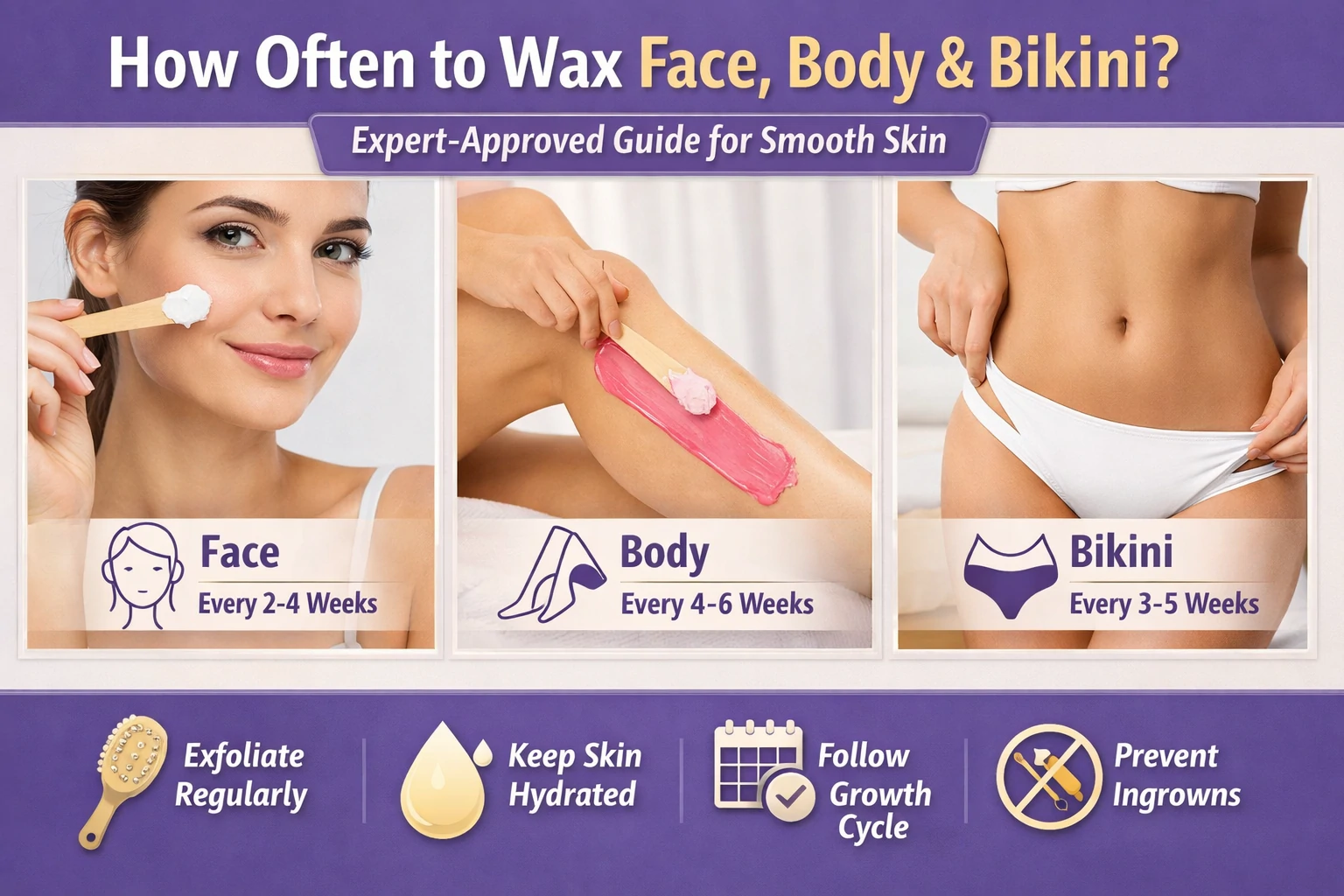
Consistency plays a key role in long-term results. Experts recommend waxing every four weeks to gradually weaken the hair follicle. Over time, regrowth becomes finer, thinner, and less dense.
By maintaining a regular waxing schedule, you’ll enjoy smoother skin for longer periods—and each session tends to feel more comfortable as hair growth becomes easier to manage.
Contraindications: Who Should Avoid Bikini Waxing?
Although bikini waxing is a common aesthetic procedure, certain health conditions can significantly affect skin safety. In some cases, waxing should be postponed or avoided to prevent serious skin injury.
One of the most critical factors is medication use. If you’re taking oral acne treatments such as isotretinoin (commonly known as Roaccutane) or using high-strength topical retinoids, waxing is strongly discouraged. These medications dramatically increase skin sensitivity and can cause skin lifting when wax is removed.
Additional conditions that require medical consultation before waxing include:
- Impaired Circulation: Individuals with diabetes may experience delayed wound healing and a higher risk of infection.
- Active Skin Conditions: Avoid waxing if eczema, psoriasis, or open wounds are present in the treatment area.
- Weakened Immune System: This can raise the risk of post-wax folliculitis or infection.
Being transparent about your medical history with a licensed therapist is essential. Honest disclosure is the best preventive step to protect skin integrity and support long-term skin health.
Final Thoughts
Understanding the full scope of bikini waxing is a smart step toward maintaining healthy skin. From knowing the right service type and proper preparation to recognizing medical considerations, the foundation lies in education and open communication with a licensed professional. Bikini waxing isn’t purely about aesthetics—it’s about protecting the skin barrier and minimizing the risk of irritation or infection.
While the first session may feel uncomfortable, consistency delivers long-term benefits. Over time, hair grows back finer, and the process becomes noticeably easier. By following proper post-wax care—such as keeping the area clean, hydrated, and gently exfoliated—you can maintain smooth results safely and effectively.
Choosing an experienced, certified therapist ensures the procedure is performed with clinical standards and care. With the right approach, bikini waxing can be a comfortable, professional, and skin-conscious part of your personal grooming routine.
You might also like

 Acne
Acne Anti-Aging
 Business
 Digital Marketing
 Economics
 Exfoliation
 Hair Removal
 Movies
 Personal Finance
 Websites