Bio-Oil: The Secret to Radiant, Glowing Skin

Bio-Oil is a peach-toned skincare oil trusted for years to help fade stretch marks, scars, and deeply moisturize dry skin. Thanks to its vitamin-rich formula and botanical oils, it’s become a staple in pharmacies and homes alike. But recently, skincare lovers are starting to explore its potential for facial care too.
Unlike body skin, facial skin is more sensitive and prone to breakouts or irritation. That’s why using a body-focused product like Bio-Oil on the face requires careful consideration. Dermatologists suggest that, when applied correctly and in moderation, Bio-Oil can improve hydration and skin texture—especially for dry or flaky skin types.
Still, it’s crucial to patch-test first, especially if you have sensitive or acne-prone skin. Dr. Nadine Hope, a board-certified dermatologist, advises applying a small amount on the jawline for a few days before full use.
Curious whether Bio-Oil belongs in your skincare lineup? Keep reading to discover how it works—and whether it’s a glow-up or a no-go for your face.
Also Read: How to De-Bloat a Puffy Face: Ultimate Guide
What Exactly Is Bio-Oil and What’s Inside It?
Bio-Oil is a specialist skincare oil made with a blend of plant-based oils and skin-loving vitamins. Key ingredients include sunflower oil, rosemary, and lavender—natural emollients that support skin repair and barrier protection. Sunflower oil, in particular, helps soften dry areas and soothe minor inflammation.[1Lin T-K, Zhong L, Santiago JL. Anti-inflammatory and skin barrier repair effects of topical application of some plant oils. Int J Mol Sci. 2017;19(1):70.]
What makes Bio-Oil stand out is PurCellin Oil™, a lightweight formulation that absorbs faster and feels less greasy than traditional oils. This innovation allows Bio-Oil to deliver deep nourishment without clogging pores or leaving a sticky finish.
Another highlight is the presence of soybean oil and tocopheryl acetate (vitamin E), both of which help calm the skin and fight off environmental stressors.[2Mohammad Abid Keen, Iffat Hassan. Vitamin E in dermatology. National Institutes of Health (NIH). 2016 Jul-Aug;7(4):311–315. doi: 10.4103/2229-5178.185494.] Vitamin A in the form of retinyl palmitate also helps boost skin renewal, making the oil ideal for fading uneven tone and smoothing rough texture.
With this unique formulation, Bio-Oil offers more than just moisture—it supports a healthier-looking complexion from head to toe.
Is Bio-Oil Safe to Use on Your Face?
Bio-Oil is widely praised for fading scars and stretch marks—but can it be safely used on your face? For many, the answer is yes—especially for those with dry or flaky skin. Rich in vitamin A and E, Bio-Oil helps improve skin regeneration, making it useful for reducing acne scars and uneven texture.
However, it’s not ideal for everyone. The product is comedogenic, meaning it may clog pores, particularly for oily or acne-prone skin types. Dermatologists caution against daily use if your skin is sensitive or reactive.
Dr. Marissa King, a skincare specialist, recommends applying Bio-Oil only a few times per week on the driest areas of the face, and always performing a patch test first. “Not all skin types respond the same way,” she explains. “Start small and see how your skin reacts.”
Used mindfully, Bio-Oil can be a helpful addition to your skincare routine—just be sure it fits your skin’s unique needs.
Real Benefits of Bio-Oil for Your Face
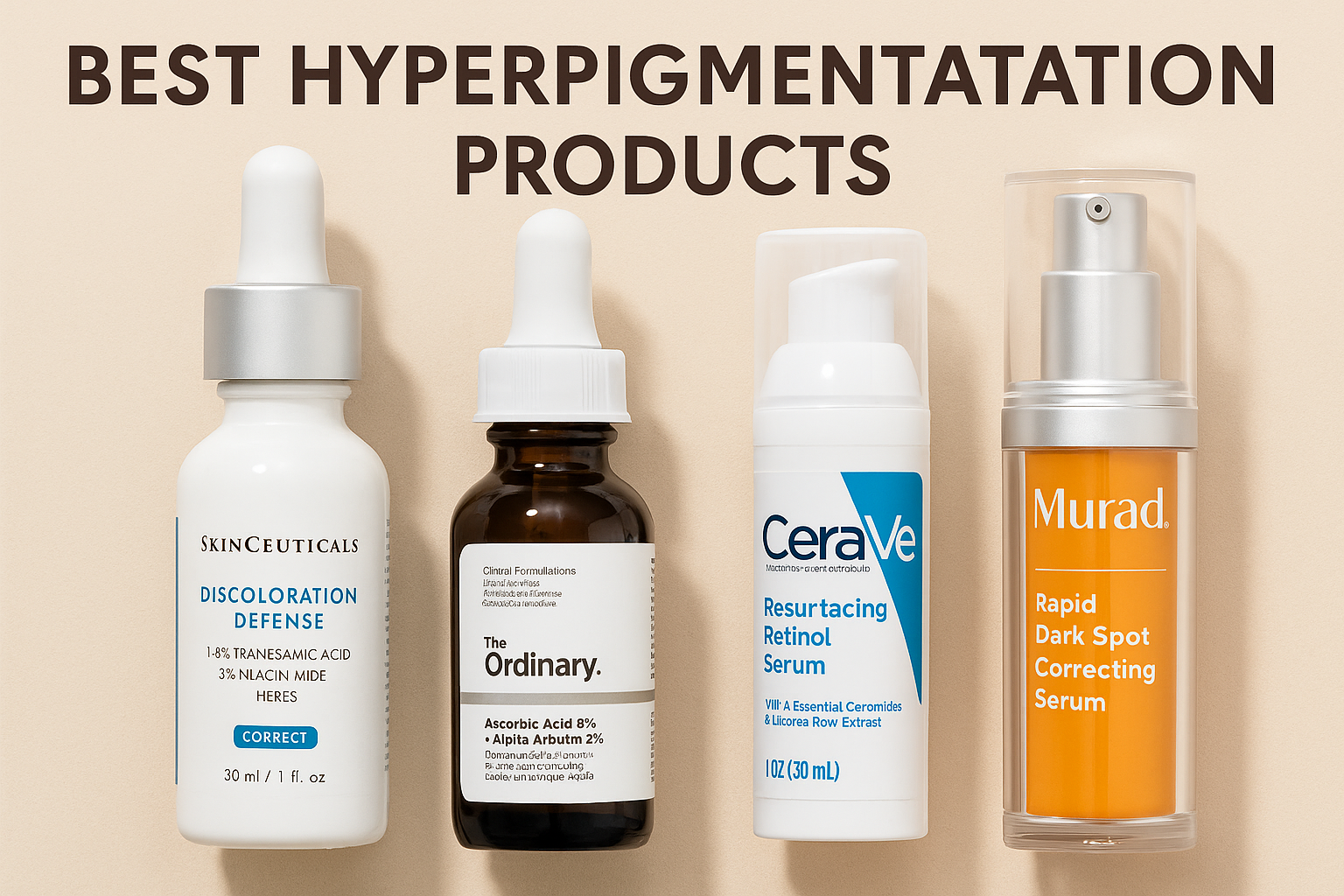
Bio-Oil’s ingredient lineup—chamomile, calendula, rosemary, and vitamins—works together to nourish, calm, and improve the skin’s overall tone. A standout benefit is its ability to reduce hyperpigmentation and fade dark spots from sun damage or hormonal changes.
Clinical studies show impressive results: after 12 weeks of consistent use, 86% of users reported more even skin tone.[3Bio-Oil Professional. Bio-oil clinical research.] In another survey, 90% said their post-acne redness had visibly improved after 10 weeks.
Besides brightening, Bio-Oil is a powerful moisturizer. Its occlusive properties help lock in hydration, acting like a barrier to keep moisture in. According to Dr. Elaine Cruz, “Using Bio-Oil after serum can seal in active ingredients and prevent trans-epidermal water loss.”
Still, caution is key—especially for acne-prone skin. Patch testing is non-negotiable, and Bio-Oil should be used as a spot treatment rather than a full-face product for some.
Potential Side Effects You Should Know
Though Bio-Oil is packed with hydrating and antioxidant-rich ingredients, it’s not completely risk-free—especially for sensitive or acne-prone skin. The inclusion of essential oils, such as lavender and rosemary, can be soothing for some but irritating for others.
Fragrance is another red flag. While it gives Bio-Oil its signature scent, it may trigger flare-ups in users with fragrance sensitivities or rosacea. Dermatologists often advise those with reactive skin to steer clear or use it only on the body.
Some users also report clogged pores or breakouts, likely due to the product’s occlusive nature. If you’re prone to acne or using actives like retinoids, Bio-Oil may not pair well without causing congestion.
Bottom line? Know your skin. If you’re unsure how your face will react, test it first and consider talking to a dermatologist—especially if you’ve had irritation from oils or fragrance in the past.
How to Apply Bio-Oil on Your Face the Right Way
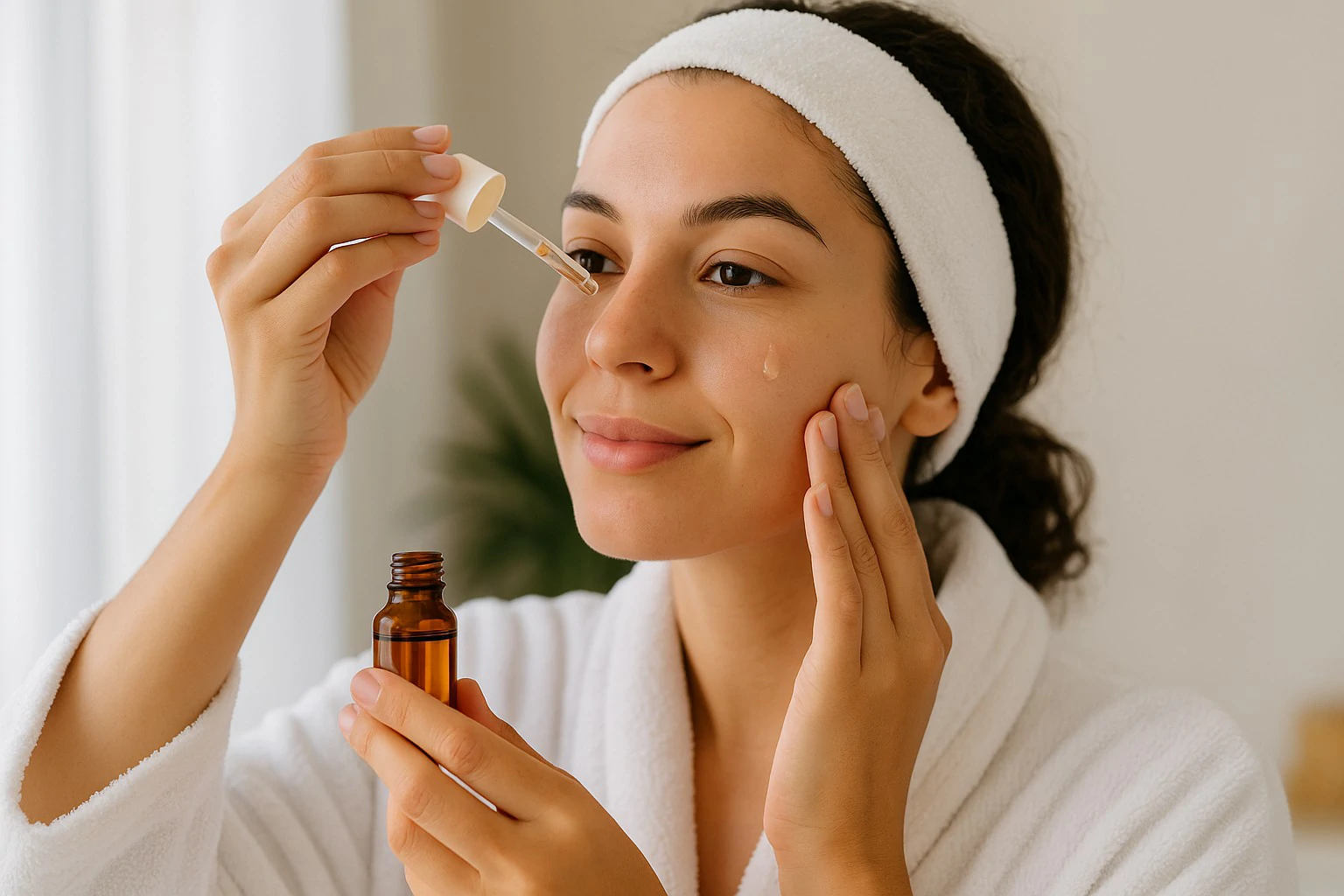
If you’re new to using Bio-Oil for facial care, technique matters. Start by applying it to clean, dry skin—preferably after washing your face with a gentle cleanser. Use just 2–3 drops, then pat the oil lightly into your skin using your fingertips. Avoid rubbing aggressively, as pressing gently helps absorption without causing irritation.
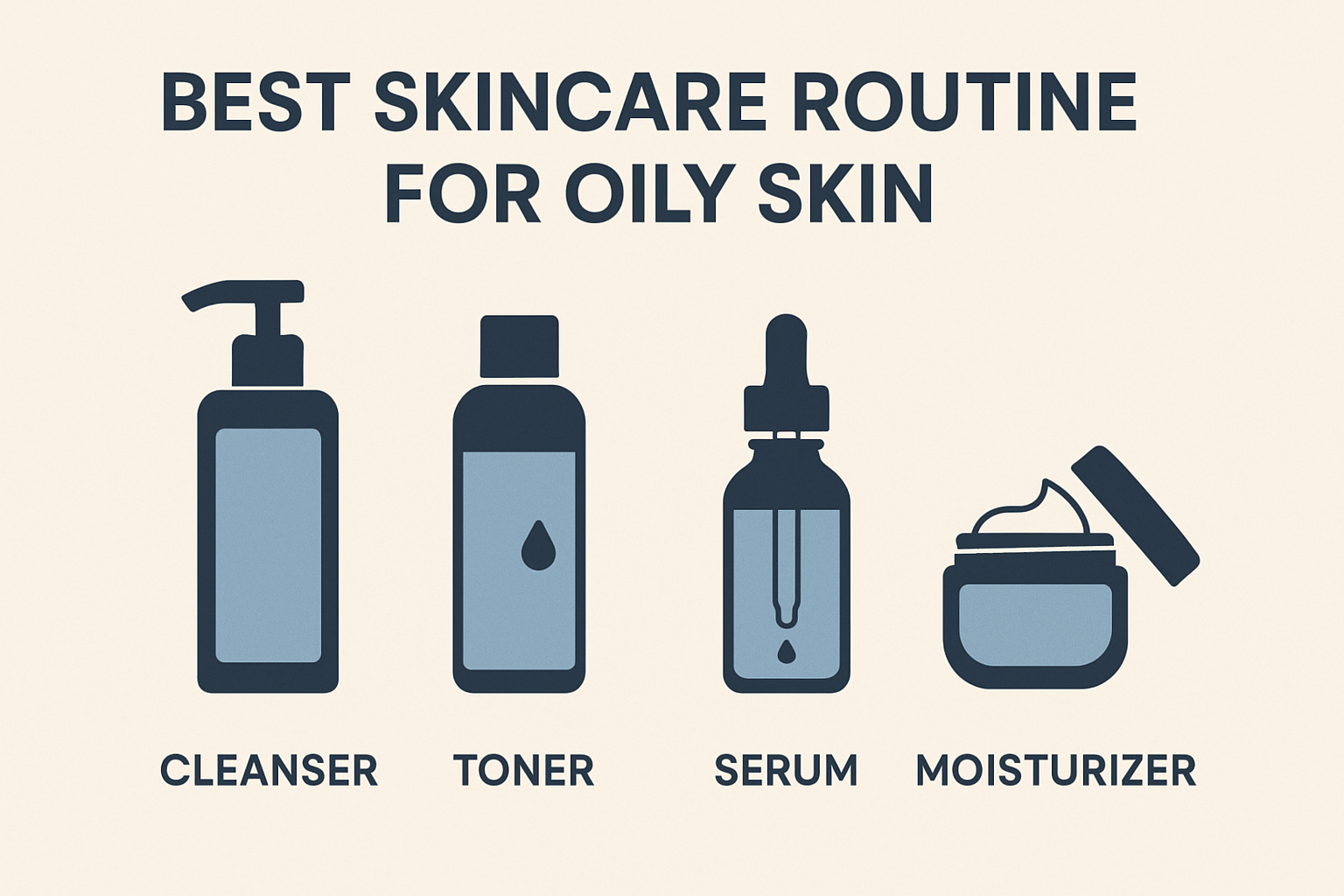
For best results, use Bio-Oil twice daily: once in the morning and again at night. You can layer it as the final step of your skincare routine, after applying water-based serums and moisturizer. This helps lock in moisture and gives the skin a dewy, glowing finish.
Many users prefer applying Bio-Oil only at night to avoid excess shine during the day. Let it absorb overnight without rinsing for a lasting hydration boost.
Always adjust the usage based on your skin type. If you have sensitive or acne-prone skin, start with a patch test on your jawline before making it a regular step in your routine. Listening to your skin is key
Safer Alternatives to Bio-Oil for Facial Skincare
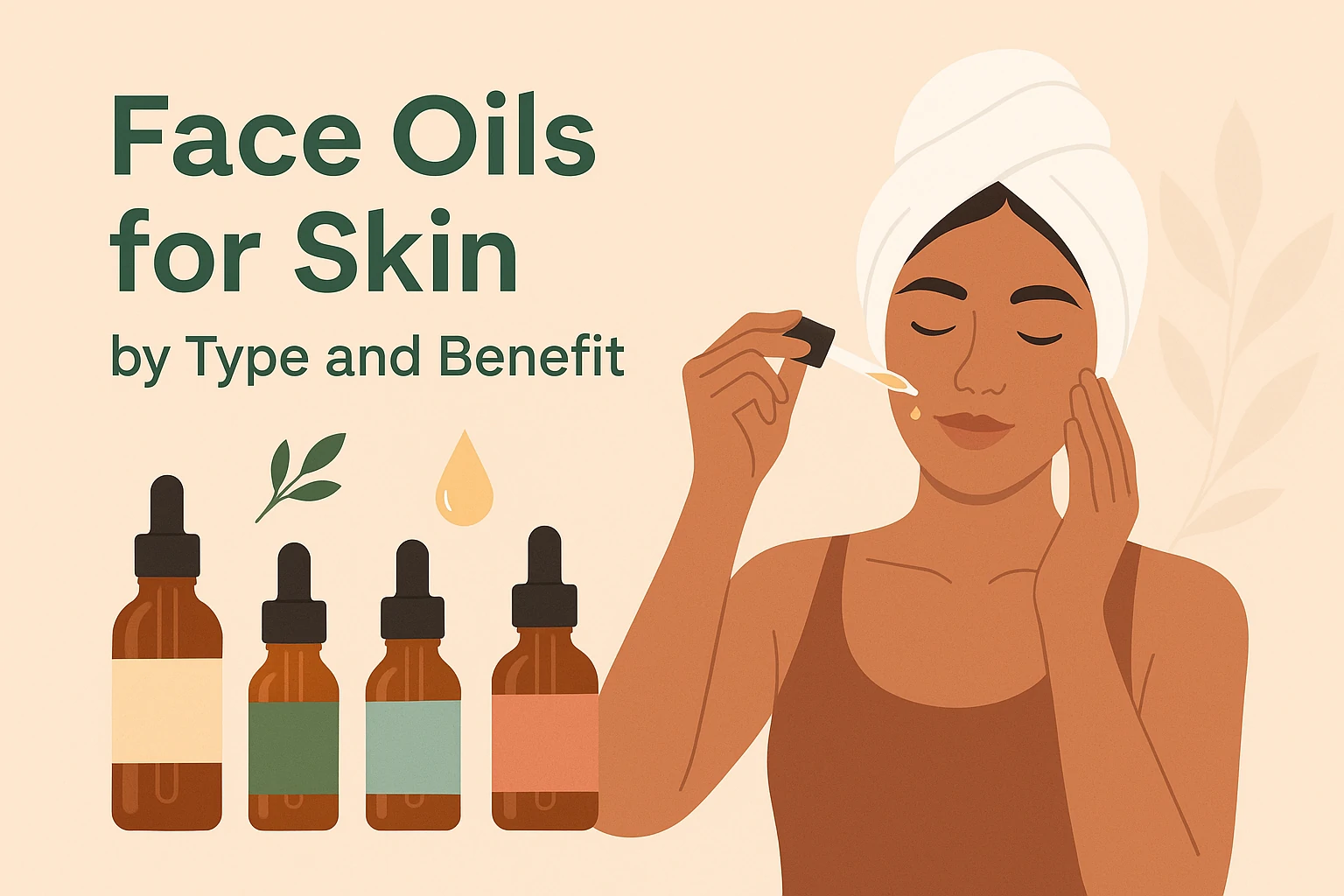
Not all skin types tolerate Bio-Oil equally. The essential oils and added fragrance can be too strong for sensitive or acne-prone skin. Luckily, several gentle alternatives offer similar benefits—hydration, skin repair, and barrier support—without the risk of irritation.
One top pick is pure safflower oil, a base ingredient in Bio-Oil. It’s non-comedogenic and rich in linoleic acid, making it a safer option for blemish-prone skin.
Other dermatologist-approved options include:
- Rosehip Oil: Packed with vitamins A and C, it helps fade acne scars and promotes natural cell turnover.
- Squalane: Lightweight and fast-absorbing, it hydrates without clogging pores—perfect for all skin types.
- Castor Oil: Thick and deeply moisturizing, this oil has natural antibacterial properties but should be used sparingly due to its density.
Choosing the right facial oil depends on your skin’s unique needs. When in doubt, start with a small patch test and consult a skincare expert.
Best Products to Pair with Bio-Oil for Radiant Skin
Bio-Oil alone can improve skin texture and radiance, but pairing it with the right products can take your glow to the next level. Supporting products can help exfoliate, hydrate, and boost absorption—giving you faster, visible results.
Here are some top recommendations:
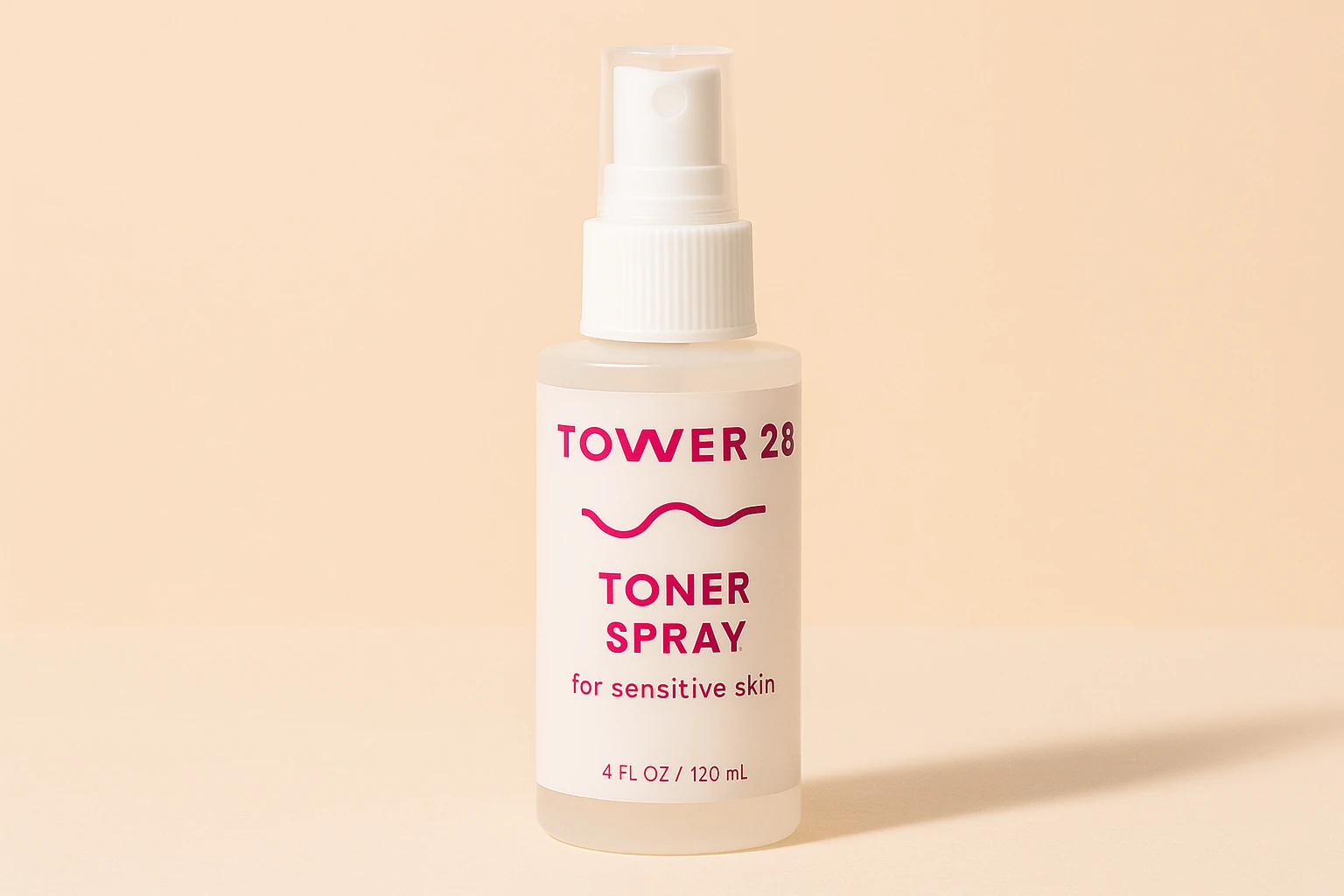
- Gentle Exfoliating Toner (AHA or PHA): Use 2–3 times a week to slough off dead skin cells. This preps your skin to absorb Bio-Oil better and enhances brightness.
- Hyaluronic Acid Serum: Apply before Bio-Oil to deeply hydrate the skin. Bio-Oil acts as a sealant, locking in moisture for longer-lasting plumpness.
- Water-Based Moisturizer: Use a lightweight, non-greasy moisturizer before Bio-Oil in the morning to maintain hydration without feeling heavy.
This combo approach boosts Bio-Oil’s effectiveness, helping your skin look healthier, more even-toned, and naturally glowing. For optimal results, stay consistent and adjust based on your skin’s feedback.
Final Thoughts
Bio-Oil may not be a one-size-fits-all solution, but it certainly holds value—especially for those struggling with dry skin, uneven tone, or post-acne marks. With its blend of vitamins, plant oils, and unique lightweight texture, Bio-Oil offers both hydration and visible skin improvement when used correctly.
That said, it’s important to understand your skin type and introduce the product gradually. For dry to normal skin, it can be a game changer. But if you have oily or sensitive skin, consider patch-testing first—or opt for gentler alternatives like rosehip or squalane oil.
Pairing Bio-Oil with hydrating serums and light exfoliants can amplify its glow-boosting effect without overwhelming your skin. And as always, consistency is key to seeing real results.
In the end, Bio-Oil can be a great addition to your routine—just be mindful, listen to your skin, and don’t skip the basics. Healthy, glowing skin is a journey, and Bio-Oil might just be a helpful step along the way.


 Acne
Acne Anti-Aging
 Business
 Digital Marketing
 Economics
 Exfoliation
 Hair Removal
 Movies
 Personal Finance
 Websites