Botox or Fillers? Derms Reveal the Key Difference
The popularity of beauty injections has been steadily increasing over the past decade, alongside a shift in public perception of non-surgical aesthetic procedures. Once considered taboo, treatments like Botox or dermal fillers are now common topics in daily conversations, ranging from celebrity discussions to casual chats among friends. This transformation is driven by advancements in aesthetic medical technology, higher safety standards, and more natural-looking results.
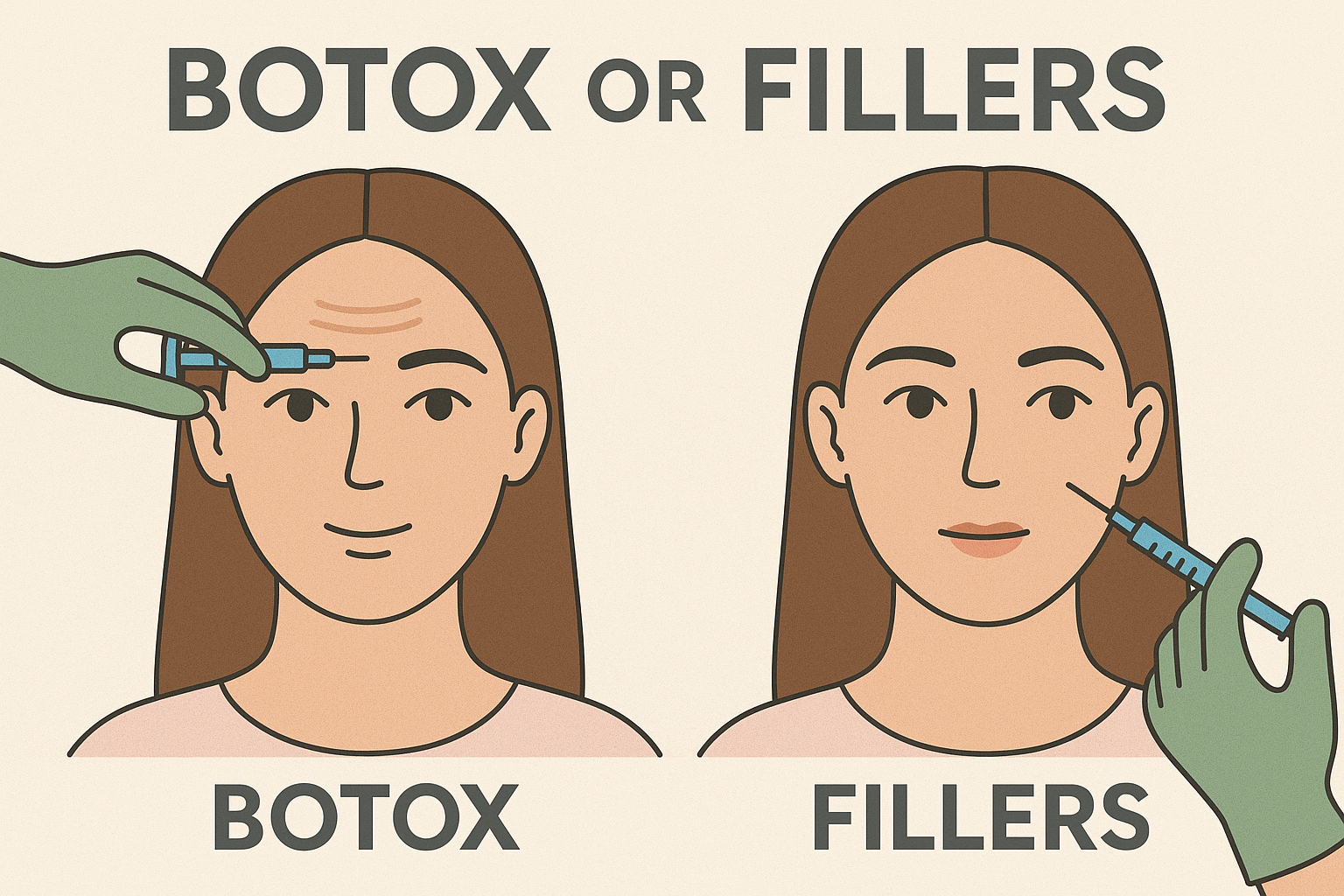
Botox, or botulinum toxin, works by blocking nerve signals to muscles, preventing contractions that cause dynamic wrinkles, such as forehead lines and crow’s feet. Meanwhile, dermal fillers contain ingredients like hyaluronic acid to restore volume lost due to aging and smooth out static wrinkles, such as nasolabial folds, while also enhancing contours in areas like the cheeks and lips.1American Society for Aesthetic Plastic Surgery. Cosmetic (Aesthetic) Surgery National Data Bank Statistics 2018.
While both treatments are popular, the choice between Botox or fillers depends on individual skin needs. Therefore, consulting with a dermatologist or plastic surgeon is highly recommended to analyze skin condition and determine the most effective and safe procedure. Each treatment has a different mechanism of action, duration of effect, and application areas, so understanding the differences is a crucial first step before undergoing the procedure.
What Is Botox?
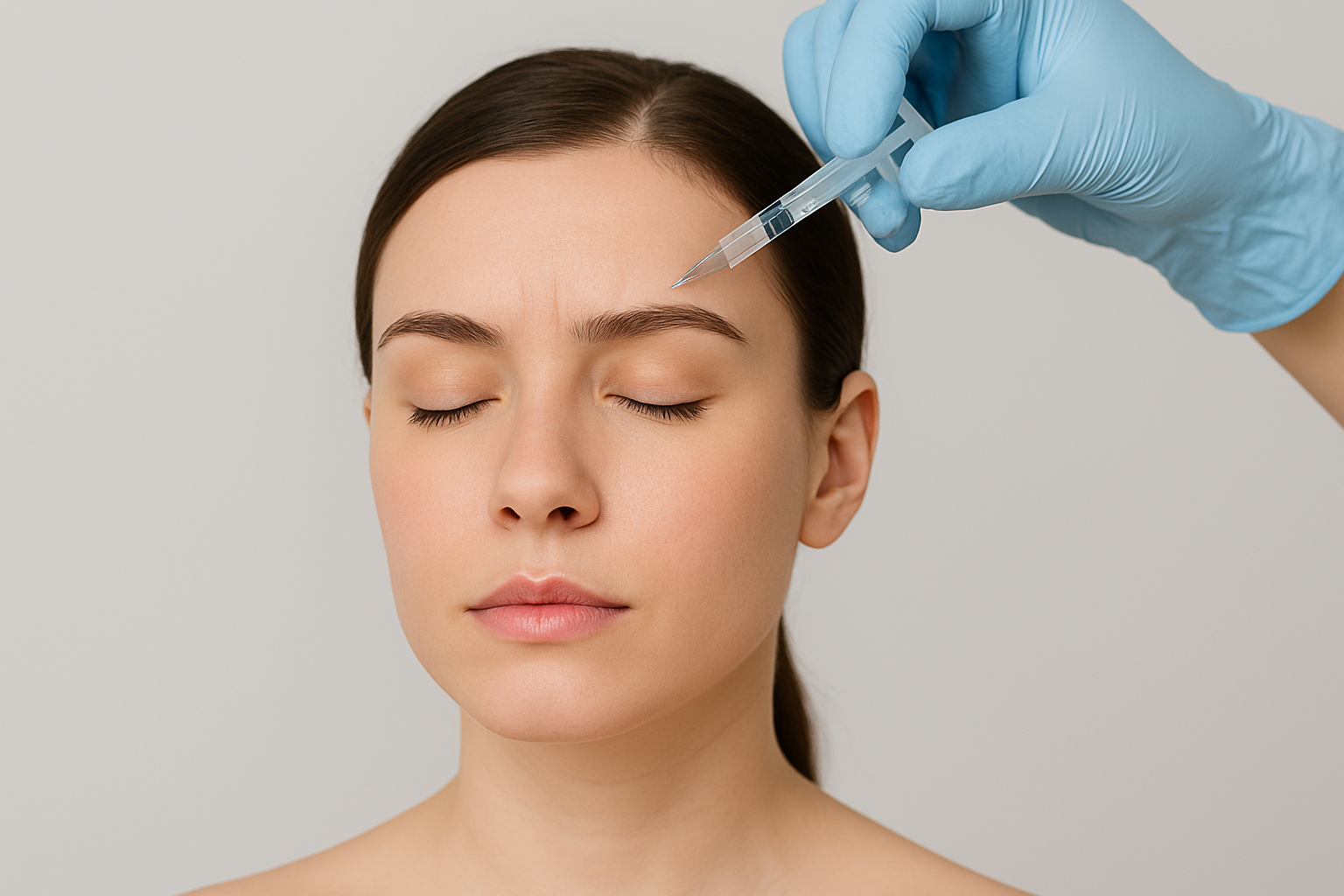
Botox is a type of botulinum neurotoxin, a biological compound that works by blocking nerve signals to muscles, causing temporary weakness or paralysis. In aesthetic medicine, this effect is used to reduce the appearance of wrinkles caused by repetitive facial muscle movements, such as smiling or frowning. Although the term “Botox” is widely used, there are actually four types of botulinum neurotoxin approved by the FDA in the United States: Botox, Dysport, Xeomin, and Jeauveau.
Botulinum toxin is particularly effective for treating dynamic wrinkles, which are fine lines caused by repeated facial expressions. The most common areas treated with Botox injections include the forehead (frown lines), fine lines at the outer corners of the eyes (crow’s feet), and vertical lines between the eyebrows, often referred to as “11 lines.” By reducing muscle contractions in these areas, the skin appears smoother while maintaining a natural facial expression.
In addition to cosmetic uses, Botox also has medical benefits. It can help reduce excessive sweating (hyperhidrosis) when injected into the underarms. Botox is also used in the jaw muscles to assist patients with temporomandibular joint (TMJ) disorders, which often cause teeth grinding or facial pain.
Botox effects typically begin to show within 2 to 10 days after the injection, depending on the type of neurotoxin used and the individual’s response to the active ingredient.
Also Read: How Long Does Retinol Take to Work On Skin?
What Are Fillers?
Facial fillers are gel-like substances injected beneath the skin’s surface to fill in wrinkles, folds, and restore volume lost due to aging. One of the most common types of fillers is hyaluronic acid-based filler, a natural compound found in the human body that helps maintain skin hydration and elasticity. Well-known products in this category include Juvedérm, Restylane, and Belotero.
Fillers work differently from botulinum toxin (like Botox). While Botox blocks muscle movement to prevent dynamic wrinkles, fillers add volume to static wrinkles caused by gravity, collagen loss, and tissue volume reduction. As a result, fillers are often used to enhance facial contours, such as the cheeks, chin, and jawline, and add volume to areas like the lips and under-eye region.
Hyaluronic acid fillers come in various viscosities (thickness), allowing doctors to choose the most appropriate formulation based on the facial area and level of correction needed. Typically, the effects of hyaluronic acid fillers last between 5 to 24 months, depending on the product and individual metabolism.
In addition to hyaluronic acid, there are also calcium hydroxyapatite-based fillers like Radiesse, which are used for deeper volume restoration. This type provides a strong structural effect and usually lasts around 12 to 14 months.
Benefits
The benefits of Botox and facial fillers extend beyond just improving appearance; they also include functional and psychological aspects. Botox, as a neurotoxin, works by blocking nerve signals to muscles, reducing muscle contractions that cause dynamic wrinkles. However, its therapeutic effects go far beyond aesthetics. According to Dr. Maia, Botox is also used to treat hyperhidrosis (excessive sweating), bruxism (teeth grinding), and even chronic migraines—thanks to its ability to relax certain muscles and block pain-causing nerve transmission.
Additionally, recent studies show that Botox may have a positive effect on depression symptoms, likely through a psychoneurological mechanism involving changes in facial expressions and its influence on the central nervous system. This suggests that the treatment may also contribute to emotional well-being.
On the other hand, facial fillers provide benefits in restoring lost facial volume, improving contours, and reducing the appearance of tiredness or aging. These visual effects can indirectly boost self-confidence and a positive self-image, both of which are important aspects of mental health.
Botox or Fillers: Which One Works Better for You?
The effectiveness of Botox and fillers depends largely on the type of wrinkles and the individual’s aesthetic needs. Botox, which works by blocking nerve signals to muscles, is most effective for dynamic wrinkles—fine lines caused by facial expressions like smiling, frowning, or raising eyebrows. Due to its muscle-relaxing properties, Botox is often used as a preventive measure. Many patients in their mid-20s begin using Botox to prevent the formation of permanent wrinkles, aiming to keep their skin smooth for longer.
Meanwhile, facial fillers are used to restore volume lost due to aging or to reshape facial features. Fillers are highly effective for treating static wrinkles—lines or indentations that remain visible even when the face is at rest. The most common areas targeted by fillers include the under-eye region, cheeks, and jawline, as these areas often experience volume loss with age.
In general, the choice between Botox and fillers can be simplified: Botox for expressive lines caused by muscle movement, and fillers for lines or indentations that remain even when the face is still. As a result, many doctors recommend combining both treatments for optimal and comprehensive facial rejuvenation.
Possible Side Effects
The side effects of Botox and filler injections are generally mild and temporary, especially when performed by qualified medical professionals. The most common effects include light bruising, swelling, and discomfort at the injection site, which usually resolve within a few days. According to Dr. Dara Liotta, FDA-approved filler products have undergone rigorous clinical trials and are considered safe, though there are still risks if procedures are not performed correctly.
One specific complication with hyaluronic acid fillers is the Tyndall effect, which causes a bluish hue on the skin’s surface. This occurs when the filler is injected too superficially, particularly with thicker formulations. This issue can be resolved with hyaluronidase, an enzyme that safely dissolves the filler.
Additionally, small bumps resembling acne may appear beneath the skin, though this is rare. This complication typically arises from improper injection techniques or filler material accumulation2.American Society for Dermatologic Surgery. Dermal fillers.
With Botox, serious complications like drooping eyelids (ptosis), uneven smiles, or vision and breathing issues are not normal side effects and require immediate medical attention. These symptoms could indicate that the toxin has spread to unwanted muscle areas, signaling a mistake in dosage or injection technique.
The Costs
The cost of Botox and filler injections varies greatly depending on several factors, including the type of product, the clinic’s location, the severity of the skin concerns, and the experience and credentials of the doctor performing the procedure. According to the American Society of Plastic Surgeons, the average cost of Botox injections is around $466, or approximately Rp7 million per session.3Botulinum toxin cost. American Society of Plastic Surgeons. plasticsurgery.org This price typically includes a number of Botox units tailored to the patient’s needs, particularly based on the depth and extent of the wrinkles being treated.
Facial fillers tend to be more expensive due to the product variations in composition and longevity. For example, calcium hydroxyapatite-based fillers like Radiesse typically cost $717 per injection, while hyaluronic acid-based fillers such as Juvedérm and Restylane range from $684 per session4.Dermal fillers cost. American Society of Plastic Surgeons. Fillers. Fillers are generally used in larger volumes than Botox, depending on the area of the face being filled or corrected.
Geographical factors also significantly affect pricing. In large cities with high living costs, procedure fees are typically higher compared to clinics in suburban or small-town areas. Additionally, clinics with certified and highly experienced specialists often charge premium rates, reflecting the guaranteed safety and quality of results.
How to Choose
Choosing between Botox and fillers should not be done casually, as they have different mechanisms of action, indications, and clinical effects. Botox works by blocking nerve signals to specific muscles, reducing contractions that cause dynamic wrinkles, such as lines on the forehead or around the eyes. In contrast, facial fillers are used to restore lost volume due to aging and to improve facial contours in areas like the cheeks, under-eyes, and jawline. Fillers are ideal for static wrinkles or indentations that remain visible when the face is at rest.
Given these functional differences, it is essential to consult with a certified and experienced doctor in aesthetic medicine. A professional will conduct a thorough evaluation of your skin condition, facial structure, and desired aesthetic goals. This enables them to provide personalized recommendations, such as choosing between Botox, hyaluronic acid fillers, or a combination of both, depending on the specific clinical case.
Patients are also encouraged to come to consultations with clear expectations, such as wanting to appear fresher, more symmetrical, or more youthful. However, openness to medical advice is essential, as only a professional can objectively assess which product is safest and most effective for achieving optimal results.
Conclusion
In conclusion, Botox and fillers are two aesthetic procedures that have different mechanisms, purposes, and costs. Botox works by paralyzing muscles to treat dynamic wrinkles caused by facial muscle movement, such as forehead lines or crow’s feet. In contrast, fillers are used to restore lost volume in areas of the face that have become hollow or sagging, like the cheeks and jawline. These functional differences make the choice between Botox and fillers highly dependent on individual skin needs and treatment goals.
Additionally, the price of these procedures varies greatly depending on the amount of product used, the qualifications of the doctor, and the geographic location of the procedure. In places with a high cost of living, the price of these treatments can be much higher compared to other regions. In addition to Botox, other FDA-approved neurotoxins like Dysport and Xeomin may be better suited for some people based on their skin characteristics or aesthetic needs.
It is crucial to conduct thorough research and understand the potential side effects, though most can be managed. Before deciding to undergo treatment, it is advisable to consult with a certified dermatologist or plastic surgeon who can evaluate your skin condition and provide recommendations based on your aesthetic goals and budget.



 Acne
Acne Anti-Aging
 Business
 Digital Marketing
 Economics
 Exfoliation
 Hair Removal
 Movies
 Personal Finance
 Websites