Can You Get Botox While Pregnant? Think Again
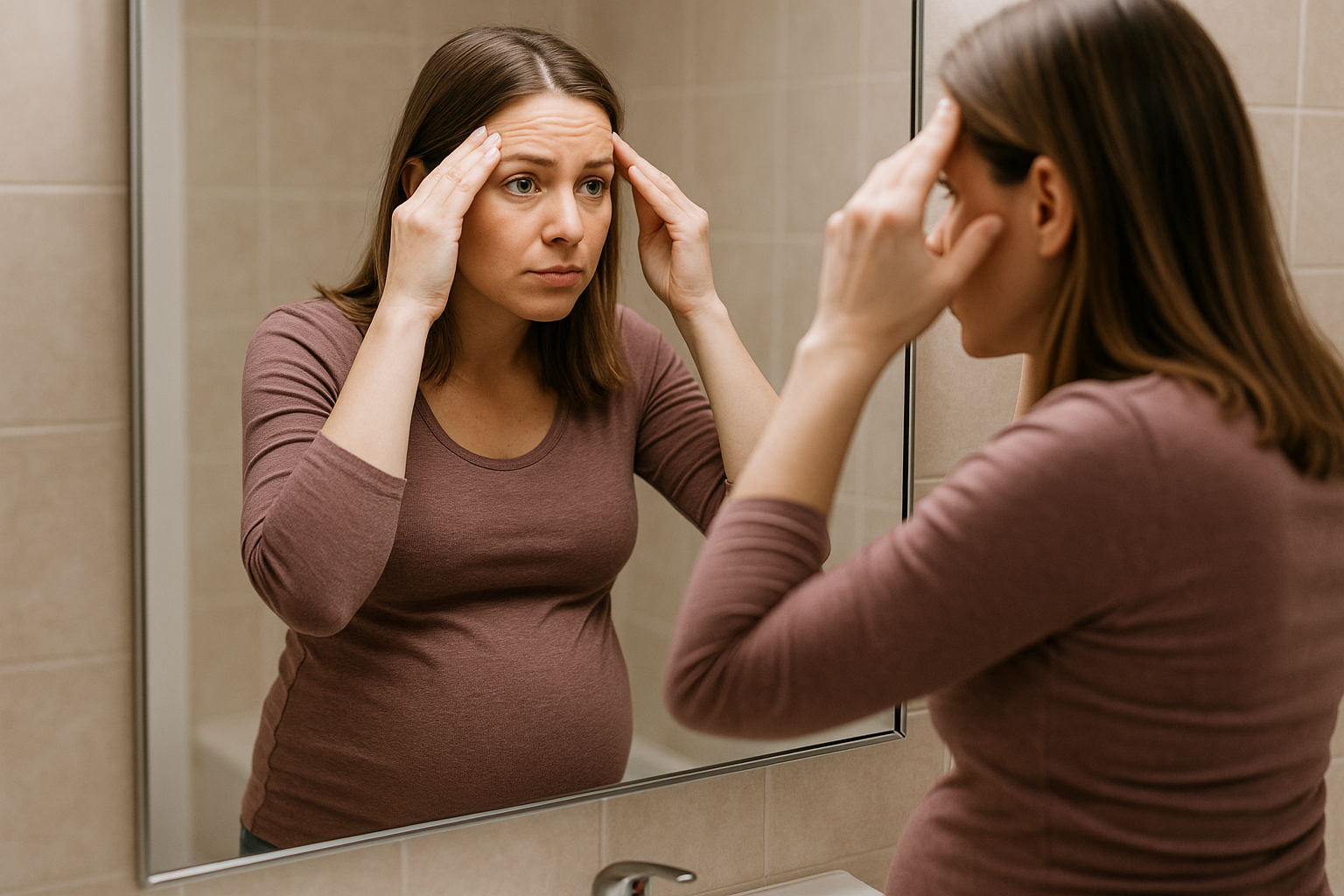
Pregnancy brings a whirlwind of changes—both physical and emotional—including concerns about continuing certain beauty treatments. A common question many women ask is: Is it safe to get Botox while pregnant?
While Botox is widely known for its ability to smooth out fine lines and rejuvenate the skin, health experts strongly advise caution during pregnancy.
Botox works by blocking nerve signals to specific muscles, which helps reduce the appearance of wrinkles. However, even though the treatment is localized, there’s a lack of long-term clinical data confirming its safety for pregnant individuals and their unborn babies.
Medical professionals generally agree that when it comes to pregnancy, the best approach is to prioritize safety. In this article, we’ll break down why Botox should likely be avoided during this period—and what safer alternatives or timing might look like.
What Exactly Is Botox and Why Is It So Popular?
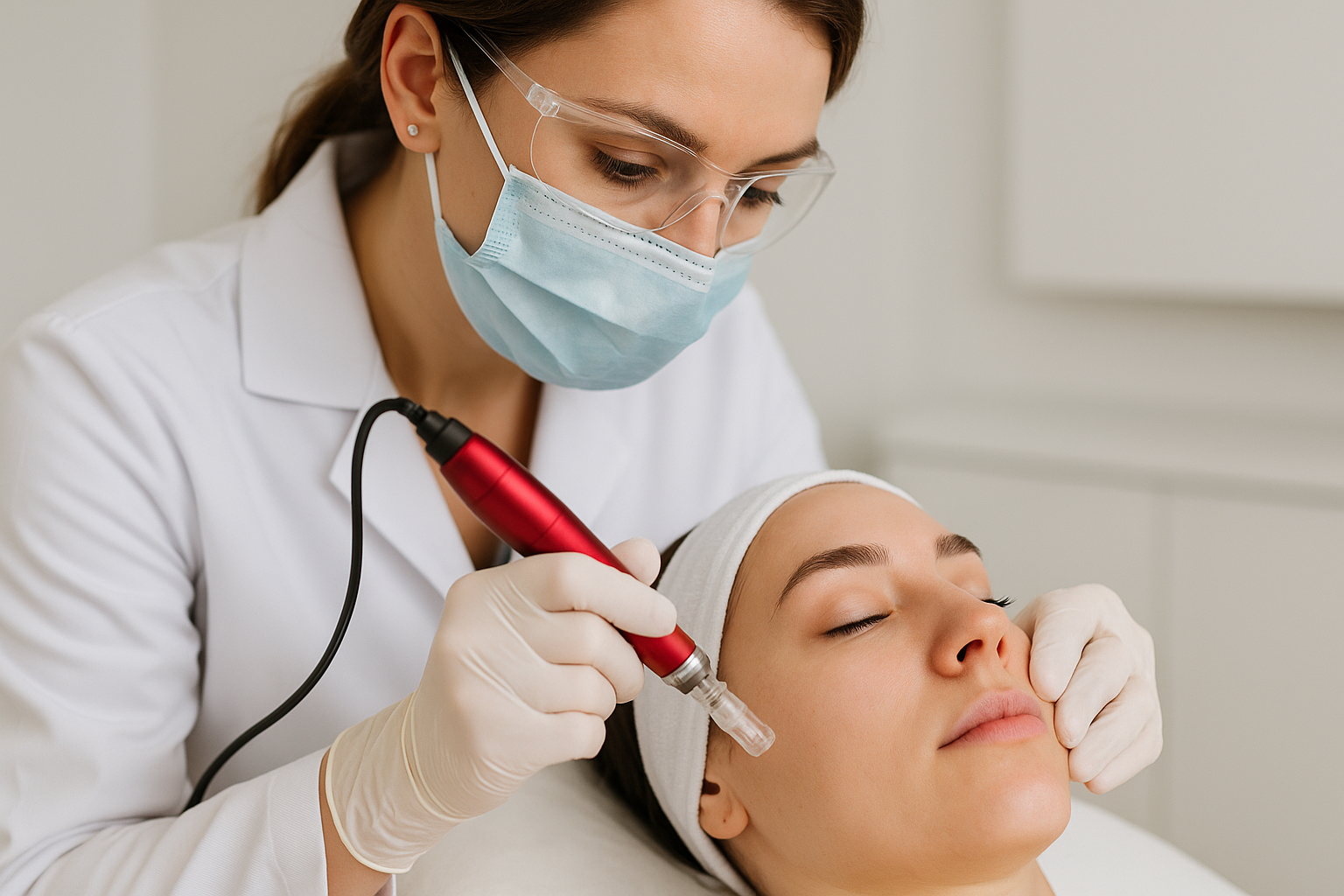
Botox is a non-surgical cosmetic procedure involving injections of botulinum toxin into facial muscles beneath the skin.[1Cleveland Clinic: Botox Injections: Treatment, Recovery & Side Effects.] Its primary function is to temporarily relax these muscles, helping reduce dynamic wrinkles like crow’s feet, frown lines, and forehead lines.
But Botox isn’t just for aesthetics. Many dermatologists and cosmetic doctors also use it for medical purposes such as:
- Managing chronic migraines
- Treating jaw tension from masseter hypertrophy
- Reducing excessive underarm sweating (hyperhidrosis)
Thanks to its quick results and minimal downtime, Botox has become increasingly popular among both men and women across various age groups.
However, not every moment is the right time for Botox—especially during special conditions like pregnancy. Understanding when it’s safe to use is just as important as understanding what it does.
Is Botox Safe During Pregnancy? Here’s the Medical Insight
During pregnancy, every health-related decision matters—including cosmetic procedures like Botox injections. According to both dermatologists and obstetricians, Botox is not recommended for those who are pregnant or breastfeeding.[2Cleveland Clinic: Botox and Pregnancy: Is It Safe?]
In fact, the U.S. FDA classifies Botox as a Category C drug, which means there’s insufficient evidence to confirm whether it is safe—or potentially harmful—for a developing fetus. While Botox might be used in rare cases for medical conditions like debilitating migraines, its use for cosmetic purposes should be postponed.
Interestingly, due to hormonal shifts and water retention during pregnancy, many women naturally experience a fuller, more radiant face—which can mimic the aesthetic effects of Botox.
Given the lack of large-scale, long-term research on Botox use during pregnancy, most experts agree that the safest choice is to wait until after childbirth and breastfeeding before resuming treatments.
What Are the Risks of Getting Botox While Pregnant?
Though there isn’t enough clinical data specifically about Botox use in pregnant women (due to ethical concerns), doctors still emphasize caution due to potential—but largely theoretical—risks.
One of the main medical concerns is the possibility, however rare, that botulinum toxin could spread beyond the injection site and impact fetal development. This includes a minimal but serious risk of birth defects or neuromuscular complications.
In rare scenarios, unwanted spread of the toxin may lead to botulism, a serious condition that affects the nervous system and can be life-threatening if not treated immediately.
While actual reports of such complications are extremely rare, the absence of guaranteed safety leads most OB-GYNs and dermatologists to advise against Botox during pregnancy—especially for non-medical, cosmetic reasons.
When Is It Safe to Resume Botox After Pregnancy?
It’s completely natural for new moms to want to refresh their appearance after pregnancy—but timing is everything. The postpartum period, especially if you’re breastfeeding, still calls for careful consideration.
The medical community remains divided on whether Botox is safe during lactation. Some dermatologists say it may be acceptable if precautions are taken—like expressing and discarding breast milk for 24 hours after treatment. However, this can be challenging for moms who are nursing directly and frequently.
OB-GYNs often advise delaying Botox unless it’s being used to treat a medical condition. Since there’s still no definitive research confirming that Botox does not pass into breast milk, it’s better to err on the side of caution.
If Botox is being considered for a medical necessity (like chronic migraines or muscle disorders), make sure to consult your healthcare provider. Weighing the risks and benefits should always be a shared decision between you and your doctor.
Safe and Effective Botox Alternatives During Pregnancy
Pregnancy doesn’t mean you have to completely put your skincare routine on hold. While Botox is off the table for now, there are several pregnancy-safe skincare options that can help maintain your skin’s elasticity and minimize fine lines—without putting you or your baby at risk.
Experts in medical aesthetics highlight that some active ingredients and non-invasive treatments are considered safe when used correctly and under professional supervision. However, it’s important to remember that not all anti-aging products are pregnancy-friendly. Hormonal changes can make the skin more sensitive than usual, so it’s essential to choose treatments carefully.
Wondering which skincare alternatives are both effective and safe for pregnancy? Let’s explore dermatologist-approved options—plus what ingredients you should absolutely avoid.
1. HydraFacial: A Gentle, Pregnancy-Friendly Facial Treatment
Pregnancy can bring a range of skin concerns—breakouts, dullness, uneven texture[3Australian Skin Face Body: Skin Changes During Pregnancy.]—but many common treatments are off-limits. One popular and safe option for expectant mothers is the HydraFacial.
This non-invasive facial treatment combines three essential steps: gentle exfoliation, deep cleansing, and intensive hydration. It works to unclog pores and nourish the skin—without using harsh chemicals or causing irritation.
Dermatologists often recommend HydraFacial for managing mild acne or hormonal dullness during pregnancy. Bonus: it delivers a fresh, glowing complexion with zero downtime, making it a great option for busy moms-to-be.
2. Is Chemical Peeling Safe During Pregnancy?
Chemical peels are known for their ability to improve skin tone and texture through controlled exfoliation.[4Cleveland Clinic: Chemical Peels: Types of Peels, Conditions Treated.] While the term may sound harsh, certain types of light peels can still be considered during pregnancy—with extra care.
According to some dermatologists, superficial peels that use gentler ingredients like lactic acid or glycolic acid in low concentrations may be safe when administered by professionals. However, due to the unpredictability of hormonal skin reactions, every case should be approached individually.
Also Read: What Is a TCA Peel? Benefits, Uses & Safety
Always consult a board-certified dermatologist before undergoing any peel. A personalized skin assessment will help determine if your skin is currently too sensitive—or if the treatment can be safely done.
3. Vitamin C: A Pregnancy-Safe Antioxidant for Radiant Skin
Among the few active ingredients deemed safe for pregnancy, vitamin C stands out for its protective and brightening properties. It helps defend the skin against free radicals, evens out skin tone, and fades early signs of aging.
Many dermatologists recommend vitamin C as a daily antioxidant booster, especially when paired with sunscreen. This combo enhances protection against UV damage and reduces the risk of pregnancy-induced hyperpigmentation, such as melasma.
That said, not all vitamin C serums are created equal. Opt for a stable formula with the right concentration (typically around 10–15%) to ensure it’s effective yet gentle enough for sensitive pregnancy skin.
4. Bakuchiol: A Natural, Retinol-Free Anti-Aging Option for Pregnancy
Retinol is a gold-standard ingredient in anti-aging skincare—but it’s strictly off-limits during pregnancy due to its potential risks to fetal development. Fortunately, there’s a plant-based alternative that’s gaining traction: bakuchiol.
Bakuchiol has been clinically shown to offer benefits similar to retinol—like boosting collagen production, improving skin texture, and reducing fine lines—without the irritation or sensitivity commonly associated with retinoids.
Many pregnancy-safe serums combine bakuchiol with antioxidants like vitamin C or melatonin to enhance results. This gentle yet effective blend supports calm, healthy, and glowing skin throughout pregnancy—naturally and safely.
5. Glycolic Acid: Gentle Exfoliation for Brighter Skin During Pregnancy
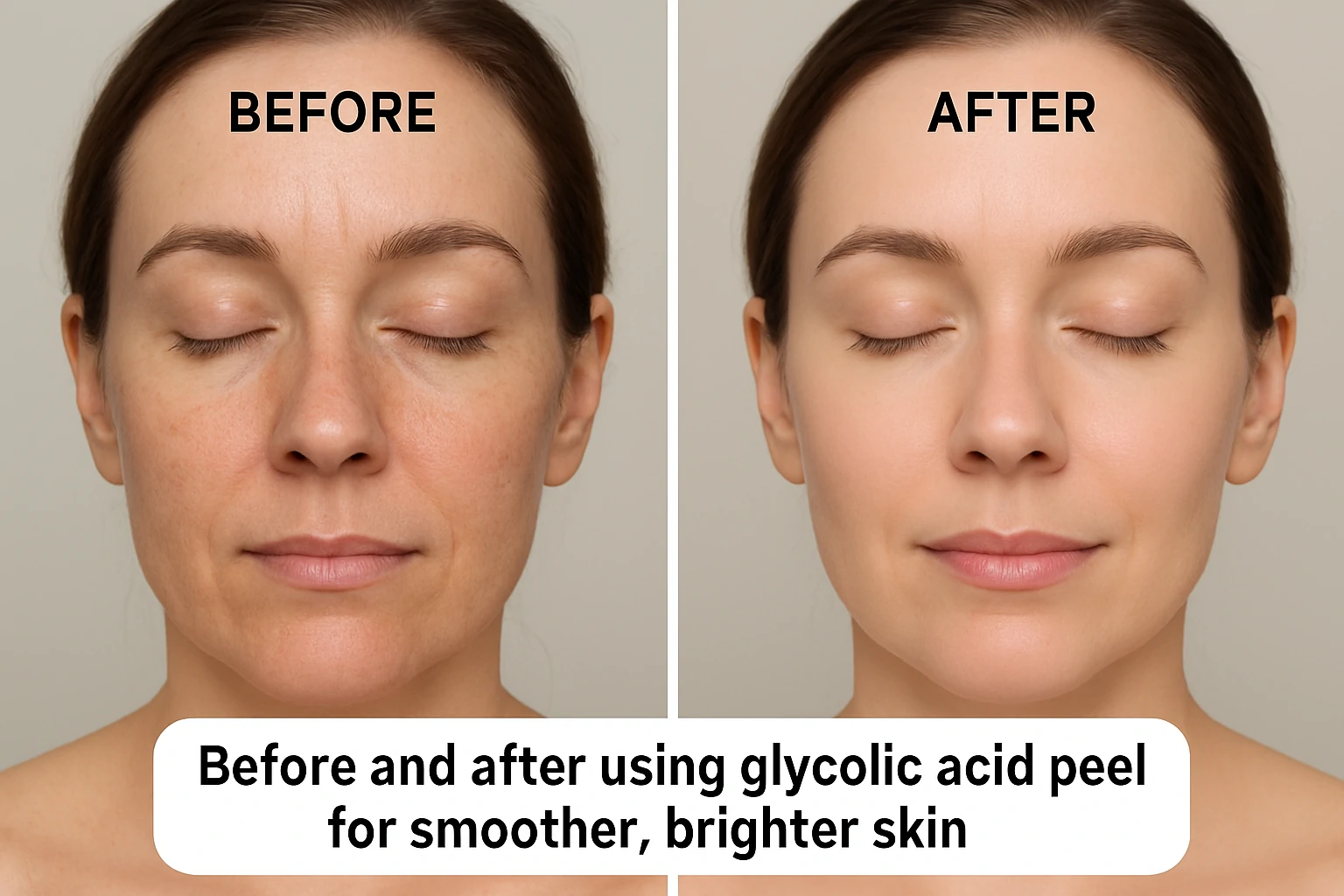
If you’re expecting and looking for a safe way to maintain smooth, glowing skin without clinical treatments, glycolic acid might be a great option to explore. This ingredient is part of the AHA (alpha hydroxy acid) family and works by gently sloughing off dead skin cells from the skin’s surface.
In dermatology, glycolic acid is praised for its ability to deliver visible results through mild exfoliation, improving skin texture and tone over time—without the harsh effects of stronger peels, especially when used in the right concentration.
Experts typically recommend that pregnant women stick to products containing less than 10% glycolic acid to avoid irritation. Even though it’s generally considered safe in low doses, it’s still best to consult a dermatologist before introducing any acid-based product into your pregnancy skincare routine.
6. Humidifier
Healthy skin isn’t just about what you put on your face—it’s also about your environment. For pregnant women, hormonal changes can often lead to dry, itchy, or flaky skin. One easy and effective way to maintain skin hydration is by using a humidifier.
This device helps balance moisture levels in the air, especially in air-conditioned or dry indoor spaces that tend to dehydrate your skin. When used regularly, particularly at night, a humidifier can support your skin’s natural moisture barrier—helping it stay soft, supple, and more comfortable.
Some models even double as aromatherapy diffusers, adding a relaxing atmosphere to your bedroom—perfect for improving sleep quality for both mom and baby.
Adding a humidifier to your routine is a small change that can make a big difference in how your skin looks and feels during pregnancy.
Conclusion
While Botox is a trusted go-to for many seeking smoother, younger-looking skin, pregnancy is not the time to take risks with treatments that haven’t been fully studied for maternal and fetal safety. Experts agree: Botox should be avoided during pregnancy and, ideally, during breastfeeding as well—especially when done purely for cosmetic purposes.
But that doesn’t mean your skincare routine has to stop. From HydraFacials and vitamin C serums to bakuchiol and glycolic acid, there are several pregnancy-safe alternatives that can keep your skin glowing and healthy without compromising your peace of mind. And let’s not forget simple environmental tweaks like adding a humidifier, which can support hydration in the most effortless way.
The key is to consult with a dermatologist, choose gentle, proven ingredients, and focus on nurturing—not perfecting—your skin during this special phase. After all, pregnancy already brings a natural radiance of its own. With the right approach, you can feel confident, cared for, and beautifully glowing—no Botox required.
 Acne
Acne Anti-Aging
 Business
 Digital Marketing
 Economics
 Exfoliation
 Hair Removal
 Movies
 Personal Finance
 Websites