What Are Bunny Lines? Experts Share the Best Treatments
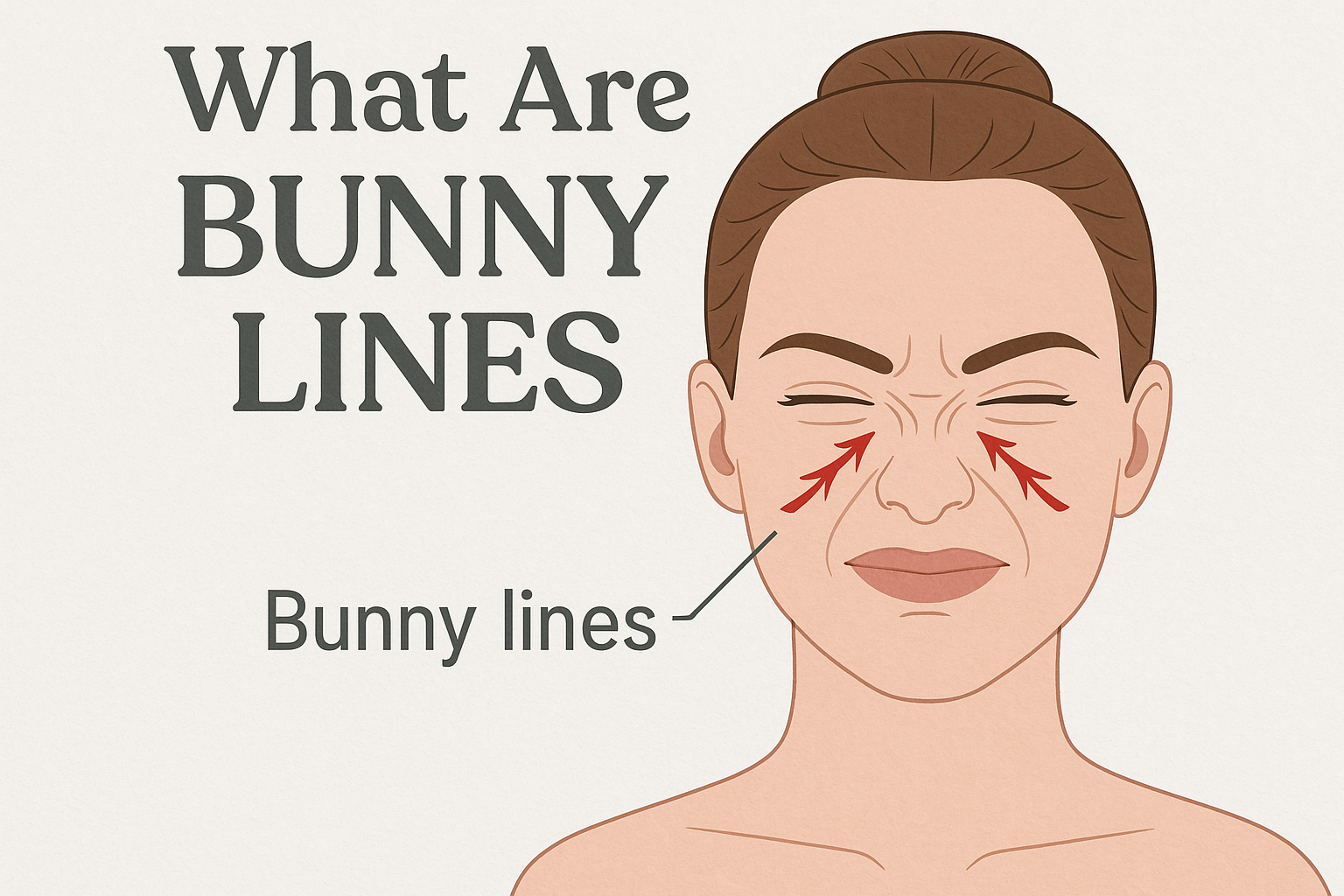
Bunny lines, despite their playful name, are wrinkles that appear on the sides of the nose due to repeated facial movements, like squinting or scrunching the nose. These are a type of dynamic wrinkle, meaning they form as a result of frequent muscle activity. Over time, repeated movements can deepen these lines, making them more noticeable—similar to crow’s feet around the eyes or the “11” lines between the eyebrows. The more often the facial muscles contract, the deeper these wrinkles become.
Although bunny lines are less well-known than other facial wrinkles, they can still affect a person’s appearance. Aging also plays a role. As we get older, our skin produces less collagen and elastin—two proteins that help keep skin firm and elastic—causing wrinkles to become more prominent.
There are several treatments available to reduce the appearance of bunny lines. One common option is Botox or filler injections. These help relax the muscles around the nose, softening the lines caused by muscle contractions. Skincare products containing active ingredients like retinol and hyaluronic acid can also help by speeding up skin renewal and improving hydration, making the lines less visible.
What Are Bunny Lines?
Bunny lines are diagonal or horizontal wrinkles that appear on the sides of the nose when you scrunch or wrinkle your nose, as explained by Dr. Carol Eisenstat, MD. They are dynamic wrinkles formed by repeated facial muscle movements. In younger people, these lines only appear during certain expressions, but over time they can become deeper and more visible.
As the skin naturally ages, the production of collagen and elastin decreases. These two components are essential for strong, flexible skin. When collagen breaks down, the skin loses its ability to repair itself and maintain elasticity, making wrinkles like bunny lines more noticeable. External factors such as sun exposure, pollution, and oxidative stress can also worsen wrinkles and speed up aging.
To reduce bunny lines, treatments like Botox can help relax the facial muscles and prevent the lines from deepening. Skincare products with retinol or hyaluronic acid can boost collagen production, hydrate the skin, and gradually reduce the visibility of wrinkles.
Causes of Bunny Lines
Bunny lines form as a result of repeated movements of the nasalis muscle, which runs along the sides of the nose. This happens when we wrinkle our nose—such as when frowning. According to Dr. Carol Eisenstat, repeated muscle activity triggers dynamic wrinkles, which deepen over time. However, not everyone frequently uses facial expressions that wrinkle the nose. Dr. Usha Rajagopal, a board-certified plastic surgeon, notes that bunny lines are less common than other dynamic wrinkles like frown lines.
Also Read: How Long Does Retinol Take to Work On Skin?
Genetics also play a role. Some people may be more likely to develop bunny lines due to their skin structure or facial muscle strength. Lifestyle habits significantly affect skin quality as well. Dr. Eisenstat explains that factors like sun exposure, smoking, and poor skincare routines can worsen bunny lines. For example, UV rays damage collagen and elastin, making the skin more prone to wrinkles and aging.
In some people, bunny lines become more noticeable after they’ve treated other facial wrinkles. When those other lines are smoothed out, bunny lines that were once subtle can start to stand out more.
How to Treat It
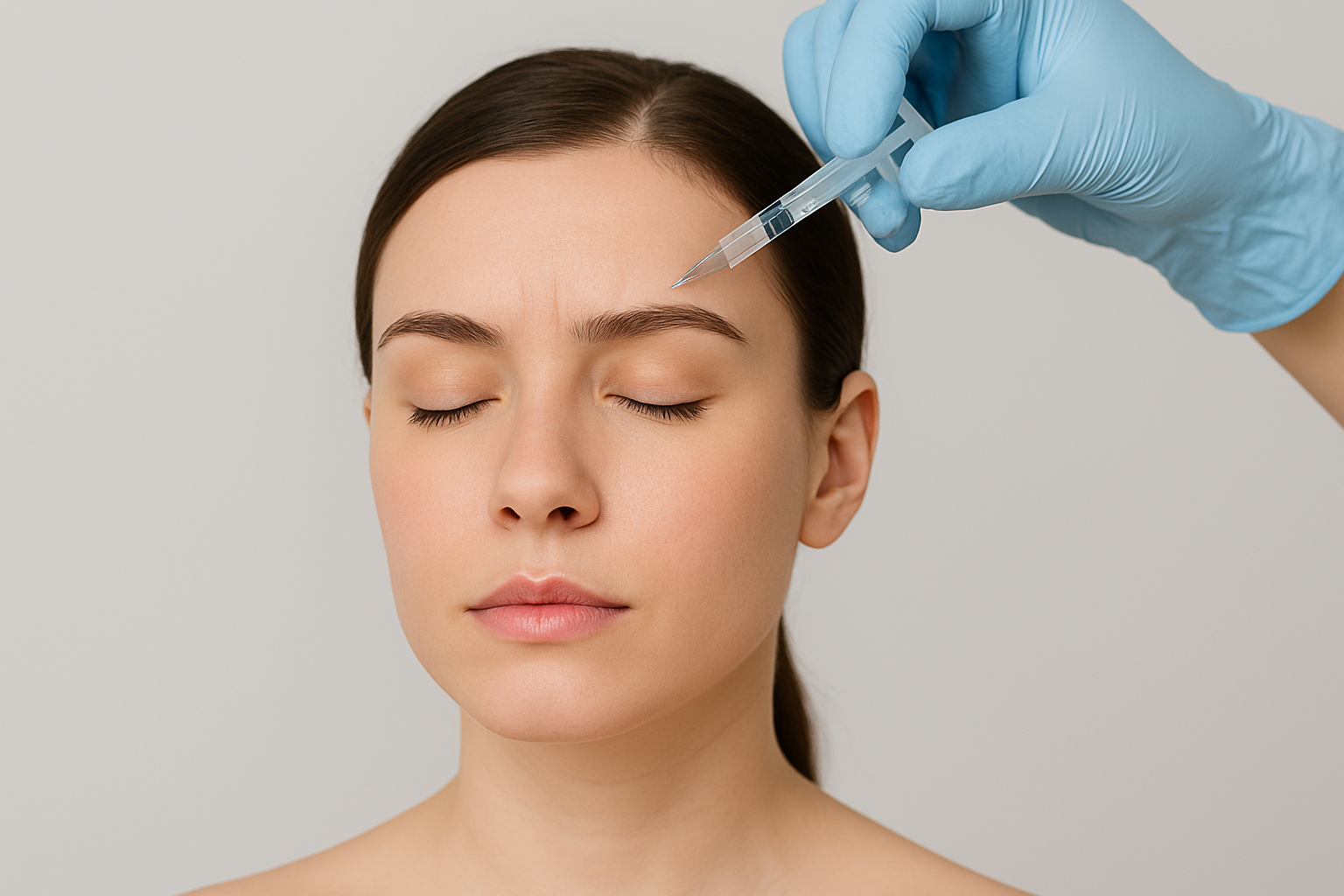
According to Dr. Carol Eisenstat and Dr. Usha Rajagopal, neuromodulator injections such as Botox and Dysport are the most effective treatments for bunny lines. These injections work by relaxing the nasalis muscle, which is responsible for creating the lines. Once the muscle is relaxed, it can no longer contract in the same way, reducing or even eliminating the appearance of the lines. The dosage used is usually very small—around two to four units—depending on the individual. For comparison, treating frown lines between the eyebrows typically requires around 22 to 24 units.
In some cases, small amounts of dermal filler may also be used to reduce the appearance of bunny lines. Fillers help to plump deeper lines, making them less visible. Lightweight fillers like Restylane Refyne or Juvederm Volbella are especially effective and require only a minimal dose. Fillers are often added when patients have already received treatment in other areas of the face, and leftover filler can be used for the nose area.
These treatments can smooth the skin and reduce the visibility of bunny lines, particularly in people with deeper lines that remain visible even when the face is at rest.
How to Prevent It
While bunny lines can be influenced by genetics or natural facial expressions, there are several steps you can take to help prevent them or minimize their appearance. Here are some expert-recommended tips:
- Be Aware of Your Facial Movements:
As Dr. Eisenstat explains, being conscious of repeated facial movements—like scrunching your nose—can help prevent these lines from forming or deepening. While this can be difficult, greater awareness of facial expressions can go a long way in reducing wrinkles. - Watch Your Expressions After Botox:
Dr. Rajagopal emphasizes the importance of monitoring facial movements after receiving Botox in the “11 lines” area between the eyebrows. If you continue to frown or move muscles around the nose, it can lead to bunny lines. Avoiding overuse of these muscles post-treatment can help prevent new lines from appearing. - Establish a Good Skincare Routine:
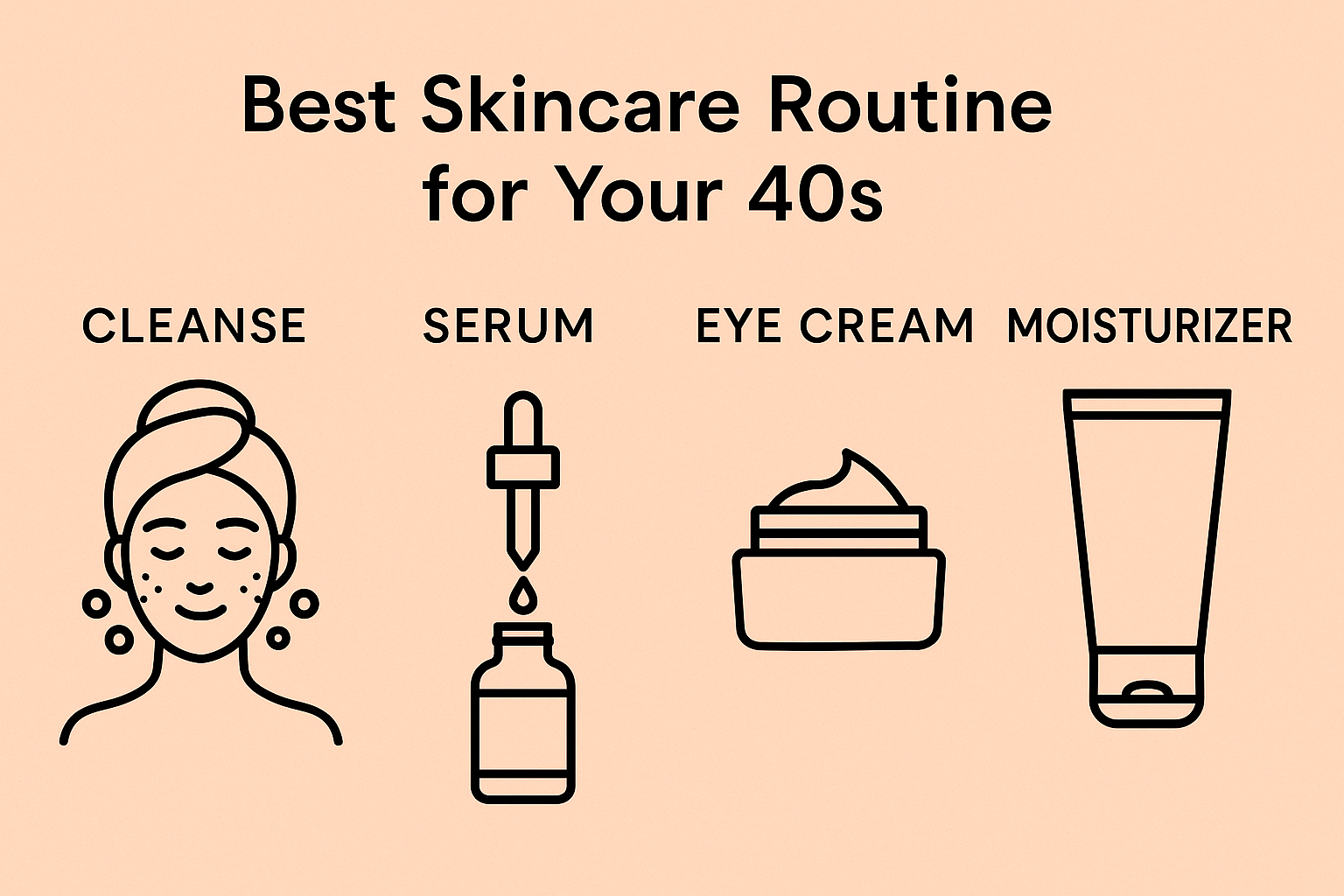
One of the best ways to protect your skin and help prevent bunny lines is by following a consistent skincare routine. Dr. Eisenstat recommends using retinoids to boost collagen production and applying sunscreen daily to guard against UV damage. While these steps may not completely prevent bunny lines, they can improve overall skin health and reduce wrinkles over time.
Conclusion
Bunny lines are wrinkles that appear on the sides of the nose due to repeated facial expressions, such as squinting or wrinkling the nose. While they’re a normal part of aging and don’t always need to be treated, many people choose to reduce their appearance. If bunny lines bother you, Botox or dermal fillers can be effective in relaxing the nasalis muscle and smoothing the area.
Alongside medical treatments, maintaining good skincare is essential. Using retinoids to promote collagen production and applying sunscreen daily helps improve skin texture and reduce signs of aging.
Being more mindful of your facial expressions—especially avoiding repeated nose movements—can also help prevent bunny lines from forming or worsening. This awareness not only benefits the appearance of your skin but also supports long-term anti-aging efforts.

 Acne
Acne Anti-Aging
 Business
 Digital Marketing
 Economics
 Exfoliation
 Hair Removal
 Movies
 Personal Finance
 Websites