Calamine Lotion for Acne: Does It Really Work?
When breakouts appear, many people search for quick fixes—from trendy skincare to expensive treatments. But sometimes, the answer lies in an old-school remedy that’s been overlooked: calamine lotion.
This pink-toned lotion, long known for soothing insect bites and rashes, is now gaining attention for its anti-inflammatory properties—especially for treating mild to moderate acne.[1Searle T, Ali FR, Al-Niaimi F. Zinc in dermatology. J Dermatolog Treat. 2022;33(5):2455-2458.]
According to dermatologists, calamine contains zinc oxide and ferric oxide. These ingredients help calm inflammation and absorb excess oil, offering gentle relief without overly drying the skin. Dr. Joshua Zeichner, a board-certified dermatologist, notes that calamine can reduce redness and irritation when used topically.
While it shouldn’t replace primary acne treatments, calamine can be a safe and affordable add-on—especially for those with sensitive skin. It’s not a miracle cure, but in the right context, it can support your acne-fighting routine. If you’re just starting your skincare journey, it’s worth understanding how classic solutions like calamine fit into modern routines.
What Is Calamine Lotion?
Calamine lotion is a classic skincare remedy made from a blend of zinc oxide and iron oxide, giving it its signature pink color. Often used to relieve itching, rashes, or minor skin irritation, its cooling effect when applied makes it a go-to for quick skin relief.[2C.S. Mott Children’s Hospital. Calamine (topical). Updated July 9, 2014.]
In the past, calamine was a popular household staple used for various skin issues due to limited skincare options. It offered a simple, practical solution for everything from bug bites to irritated skin.
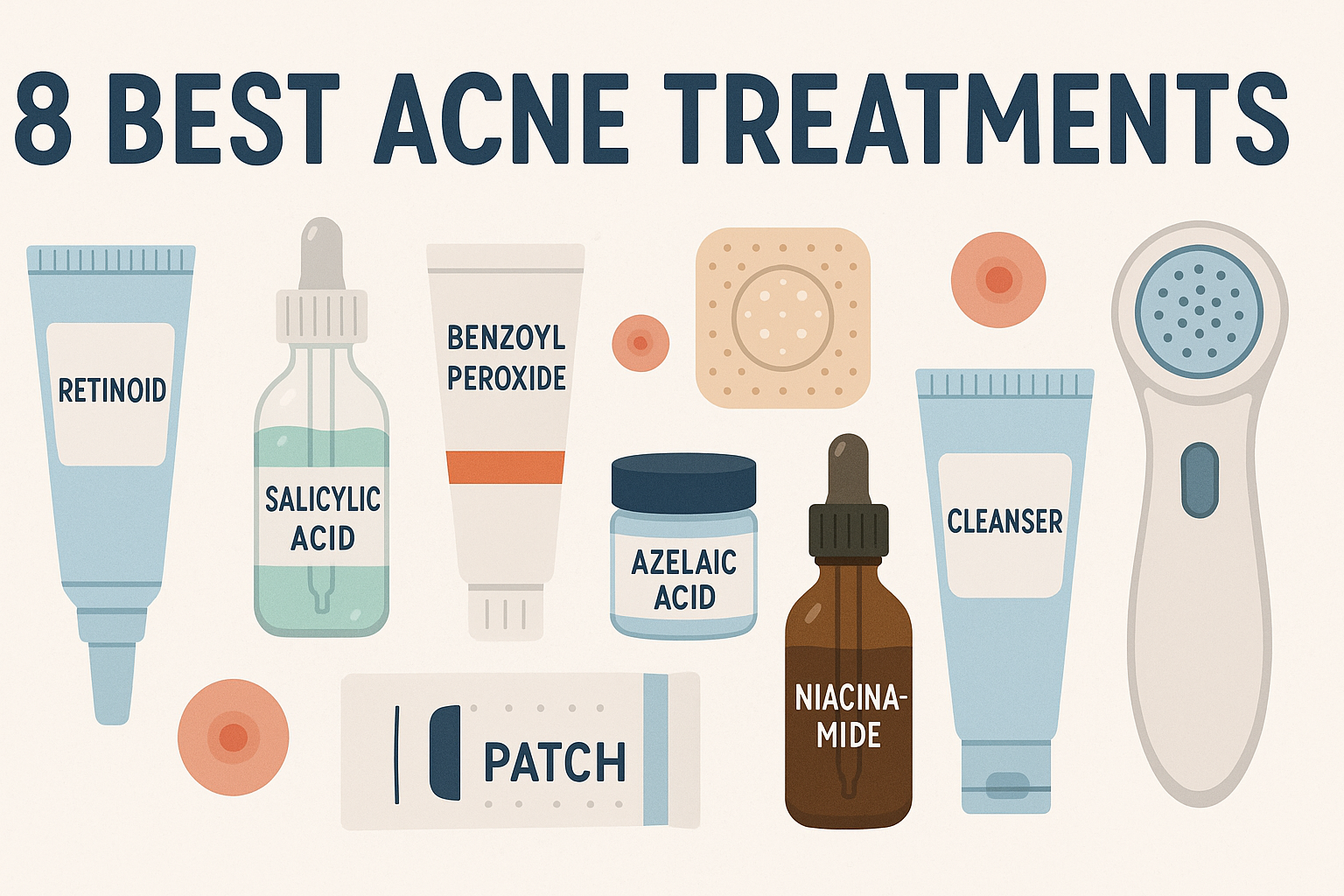
Today, the skincare world has evolved. Ingredients like salicylic acid, benzoyl peroxide, and retinol are widely used and clinically proven to target acne more effectively by clearing pores and reducing inflammation.
That said, calamine still has its place. While it’s no longer a frontline treatment, its calming properties can be helpful—especially if your skin reacts poorly to stronger actives. Understanding what calamine does (and doesn’t) do can help you use it wisely in your routine.
Benefits of Calamine Lotion for Acne
While calamine lotion doesn’t directly target clogged pores or excess sebum—the root causes of acne—it can still offer surface-level benefits. Its gentle formula helps reduce redness, swelling, and mild irritation on inflamed skin.
Thanks to its astringent properties, calamine may help dry out small pimples or active breakouts without being overly harsh. The zinc oxide also offers mild anti-inflammatory and antibacterial effects, which can support healing for certain types of acne.
Some dermatologists suggest using calamine as a temporary solution—especially when your skin is sensitive or you’re waiting to restock your go-to acne treatments. While it won’t replace actives like salicylic acid or benzoyl peroxide, it can work as a calming backup during flare-ups.
In short, calamine isn’t a cure, but it can play a supporting role in a broader acne management plan—especially if you need something gentle.
Potential Side Effects
Calamine lotion is generally well-tolerated, but it’s not without risks. For people with sensitive skin, it may trigger mild irritation such as redness, itching, or a slight burning sensation. These reactions are uncommon but worth watching for—especially if you’re trying it for the first time.
In rare cases, an allergic reaction could occur. Symptoms like swelling, rash, or severe itching mean you should stop using the product immediately and consult a dermatologist.
To stay safe, always do a patch test before applying calamine to your face. And remember: just because it’s an old, trusted product doesn’t mean it’s perfect for everyone.
How to Use Calamine Lotion for Acne
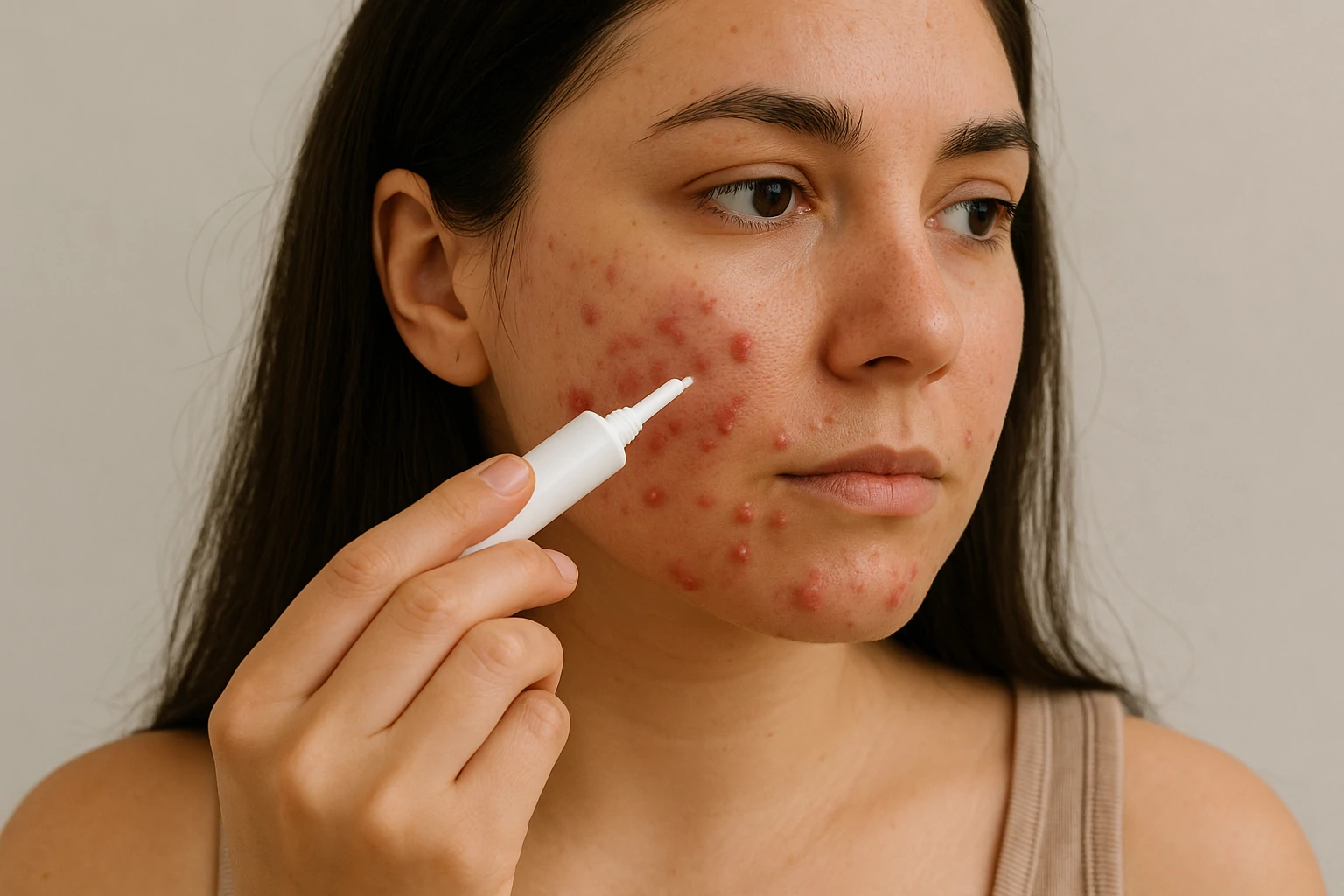
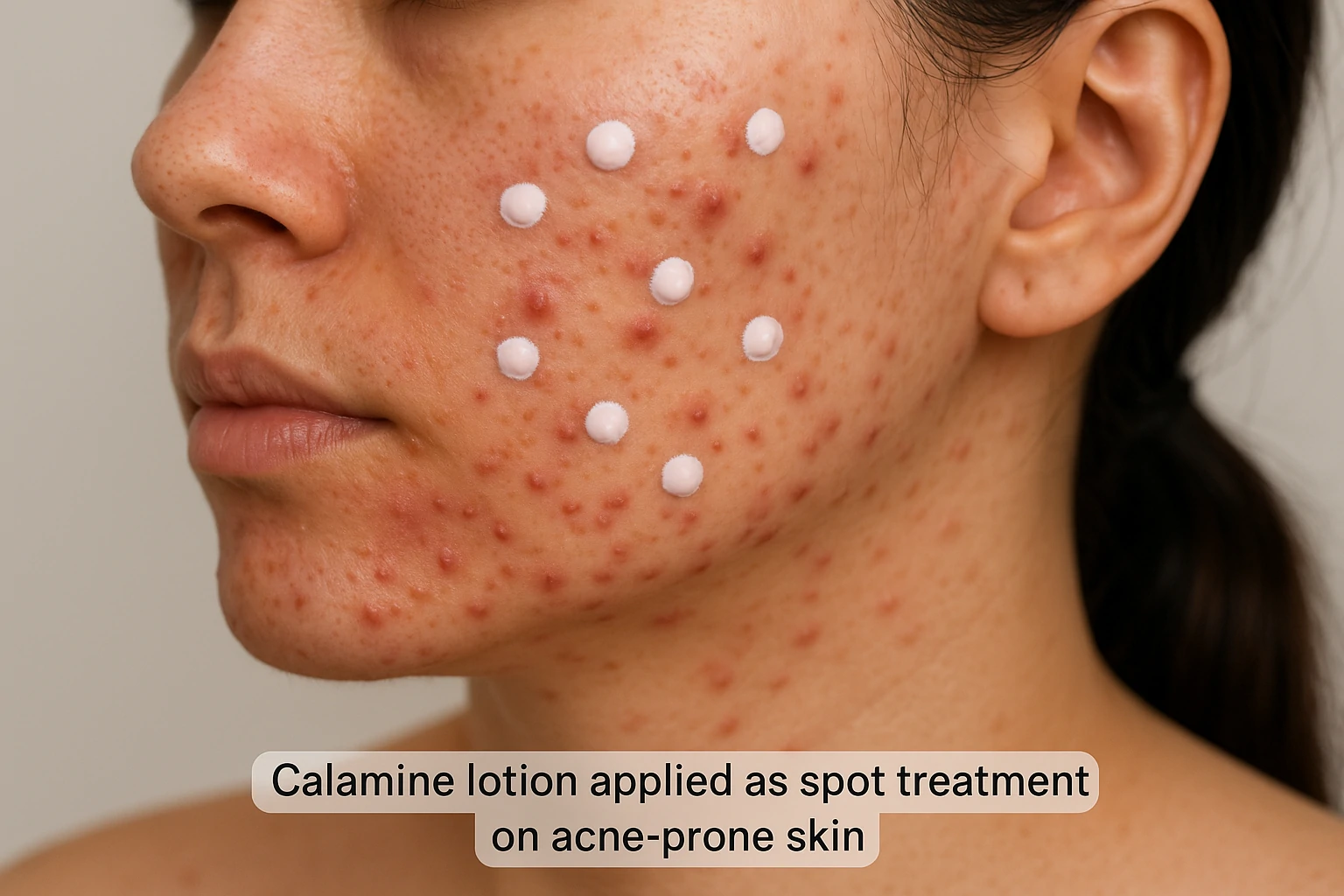
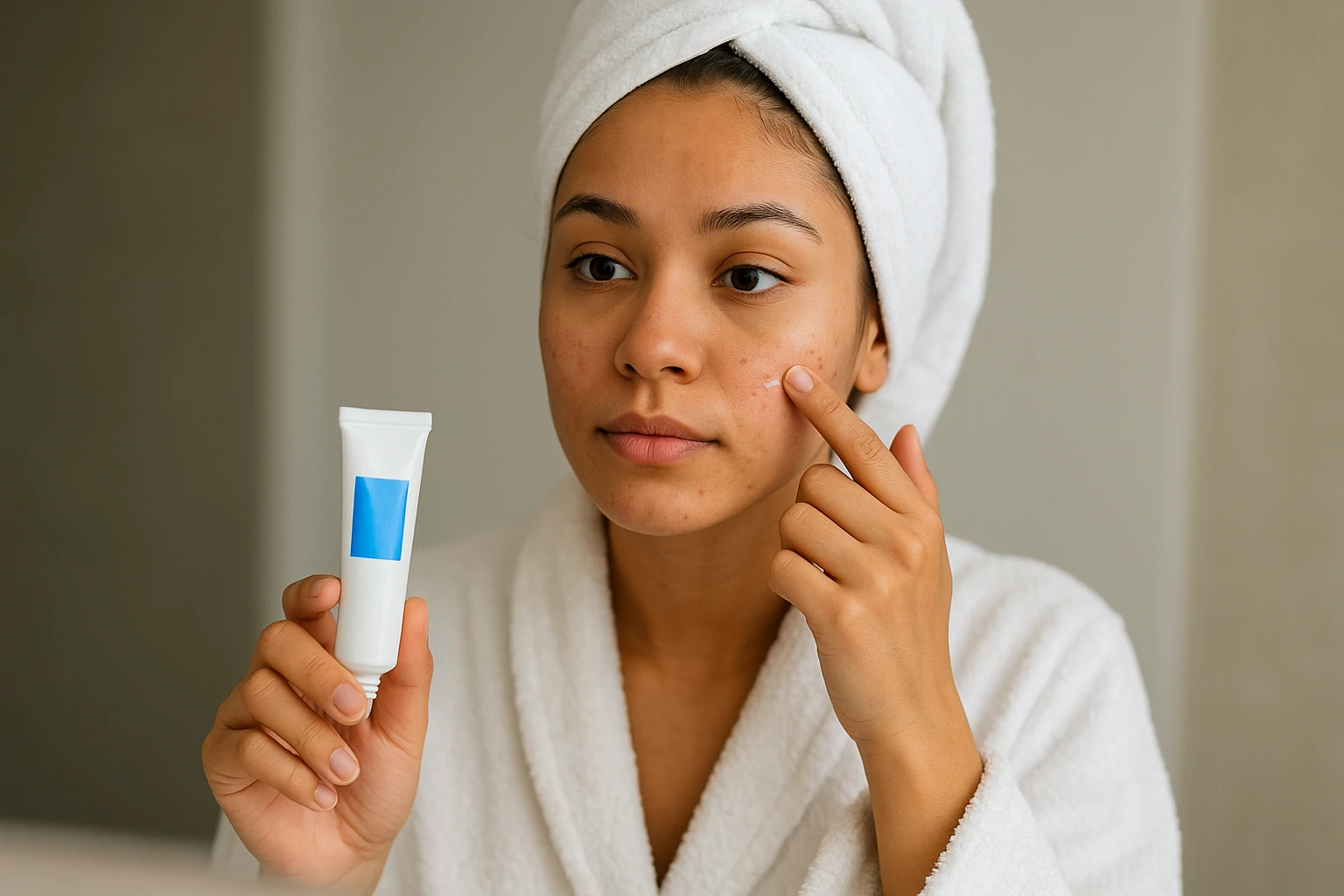
To get the most out of calamine lotion, use it as a spot treatment—apply directly to active pimples rather than the whole face. Its pink tint makes it more suitable for nighttime use or days when you’re staying in.
Avoid using calamine as a base for makeup. According to skincare experts, its texture doesn’t blend well with foundation or concealer, unlike modern spot treatments designed for daytime wear.
If it reminds you of Mario Badescu’s Drying Lotion, that’s no coincidence. Many popular acne solutions combine calamine with ingredients like sulfur, niacinamide, or vitamin E for enhanced results.
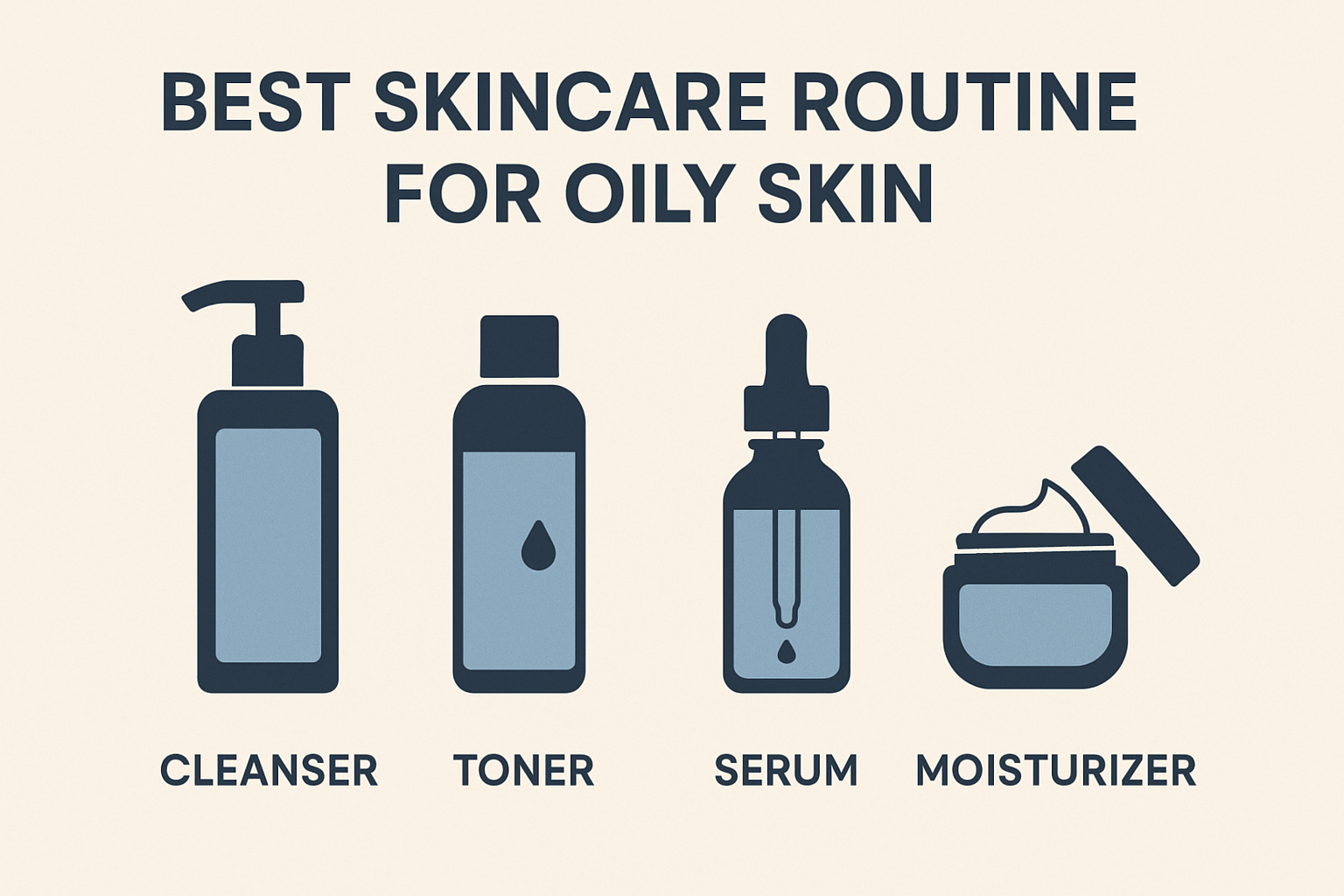
Calamine alone can provide some benefits, but its real power often comes when paired with complementary ingredients. For lasting results, consider a full skincare routine tailored to your skin type—not just a single product.
How Calamine Lotion Works on Acne
Calamine lotion helps calm inflamed skin and reduce the visible signs of acne—especially redness and irritation. Its main ingredient, zinc oxide, has anti-inflammatory and oil-absorbing properties. This helps dry out active pimples and prevents them from getting worse. Meanwhile, iron oxide gives a cooling effect that soothes itchiness or discomfort.
In medical terms, calamine works more as a supportive treatment than a cure. It doesn’t fight acne-causing bacteria (like C. acnes) or unclog pores—the two main acne triggers. Instead, it eases surface inflammation, making breakouts feel and look less severe.
Some dermatologists note that calamine can help dry out inflammatory pimples faster when used correctly and consistently. But remember, it works best as a backup—not a primary solution.
If you’re starting your skincare journey, calamine can be a gentle option to calm flare-ups, but it should be part of a broader acne-care routine.
Pros and Cons of Using Calamine for Acne
Like many skincare products, calamine lotion has its pros and cons—especially when used for acne. On the plus side, it’s gentle, non-comedogenic, and ideal for sensitive skin. Zinc oxide helps reduce inflammation and absorbs excess oil, which can speed up the healing of mild, pus-filled breakouts.
However, it’s important to understand its limits. Calamine doesn’t treat the root causes of acne—like bacteria, dead skin buildup, or clogged pores. Compared to clinical ingredients such as salicylic acid or benzoyl peroxide, its effect is milder and more temporary.
Another downside: it may cause irritation or allergic reactions in some users, especially if applied too often or on delicate areas.
In short, calamine is helpful as a mild, short-term fix—but not strong enough to treat chronic or severe acne on its own. Think of it as a support player, not the star of your skincare routine.
Calamine Lotion vs. Modern Acne Treatments
Calamine lotion offers gentle relief for irritated skin, but when it comes to treating acne at its source, modern treatments are far more effective.
Calamine mainly soothes inflammation and absorbs oil—beneficial for calming pimples, but it doesn’t go deeper. It doesn’t unclog pores or kill acne-causing bacteria.
By contrast, salicylic acid exfoliates dead skin and clears blocked pores. Benzoyl peroxide targets bacteria directly, while retinoids help regulate oil production and speed up skin renewal.
Dermatologists often recommend calamine as a mild add-on, not a core treatment. It works on the surface, while modern actives treat acne below the skin.
If you have very sensitive skin, calamine can be a gentle alternative. But for long-term or severe breakouts, proven active ingredients are still the go-to choice for clearer skin.
Final Thoughts
Calamine lotion can be a gentle, supportive option for managing mild acne symptoms—especially for those with sensitive skin or just starting out with skincare. Its key ingredients, like zinc oxide, help reduce redness and absorb oil, offering short-term relief without harsh side effects.
However, it’s important to understand calamine’s limits. While it can calm irritated skin, it doesn’t treat the root causes of acne, such as clogged pores or acne-causing bacteria. That’s why dermatologists don’t recommend using it as a stand-alone treatment—especially for moderate to severe breakouts.
For long-term results, calamine is best used as a complement to clinically proven acne treatments like salicylic acid, benzoyl peroxide, or retinoids. Think of it as a temporary fix or soothing backup—not your main defense against acne.
If you’re looking for a low-risk, budget-friendly way to ease inflammation, calamine lotion may be worth trying. Just remember: clearer skin often requires consistency, the right combination of products, and a bit of patience.
ARTICLE SOURCES
You might also like
 Acne
Acne Anti-Aging
 Business
 Digital Marketing
 Economics
 Exfoliation
 Hair Removal
 Movies
 Personal Finance
 Websites