Can Coconut Oil Help Sunburn? Dermatologists Reveal Truth
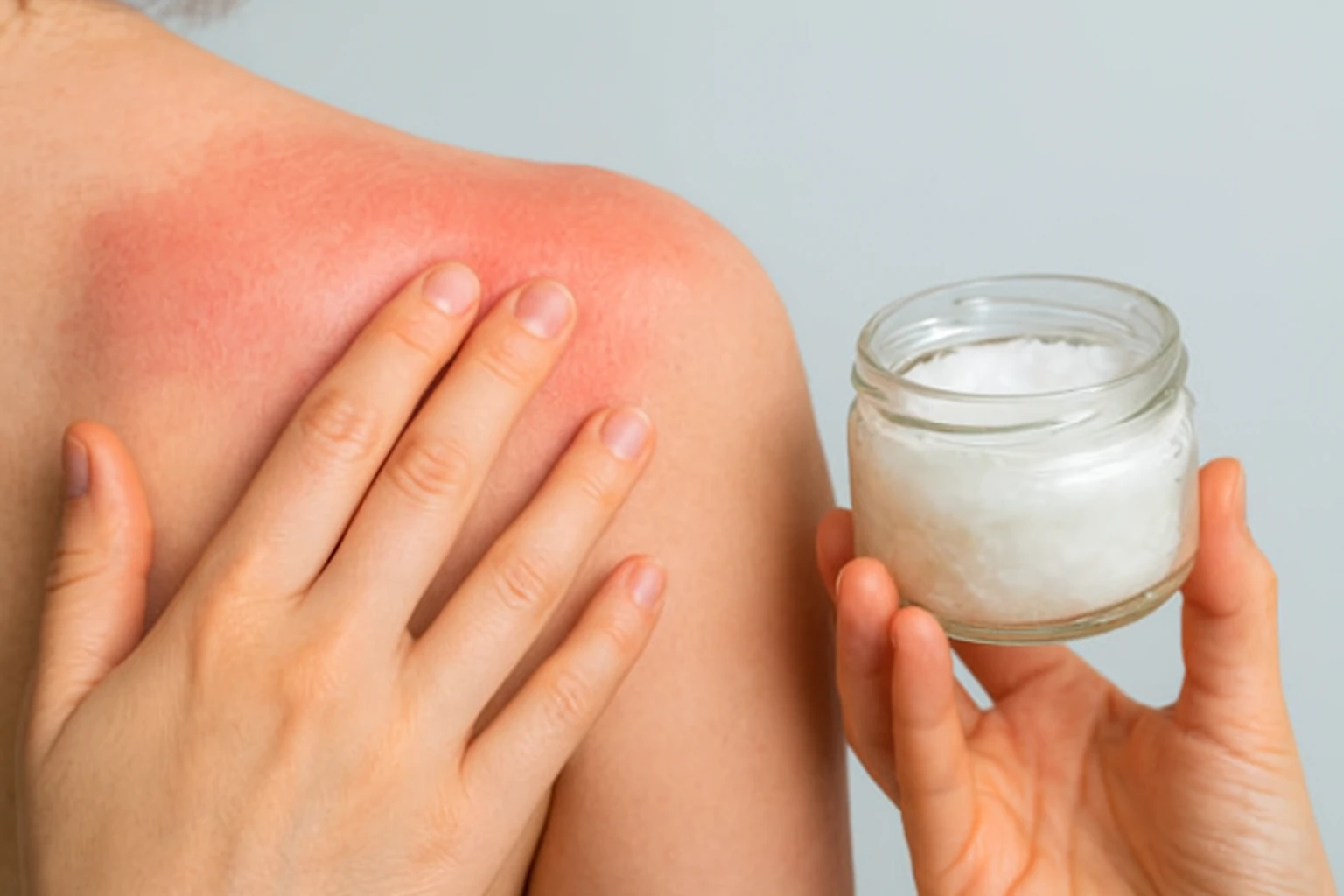
Aloe vera is often the go-to solution for soothing sunburned skin, but some people turn to coconut oil as a natural alternative. Coconut oil is celebrated for its moisturizing properties and rich fatty acids that support skin hydration. Yet, when it comes to sunburn relief, its effectiveness remains debated among dermatologists.
Experts like Dr. Blair Murphy-Rose and Dr. Michele Green advise caution. While coconut oil can help maintain skin moisture, it does not have clinically proven anti-inflammatory or healing properties to repair UV-induced damage. Applying it too early may even trap heat in the skin, potentially worsening discomfort.
Effective sunburn care focuses on cooling the skin, staying well-hydrated, and using soothing creams formulated for inflammation. By understanding coconut oil’s role realistically, you can keep your skin moisturized without relying on unverified remedies. This approach ensures comfort and supports healthy recovery after sun exposure.
Understanding Sunburn: Causes and Risk Factors
Before exploring remedies, it’s essential to understand sunburn. A certified dermatologist from New York explains, “The most common type is superficial sunburn, marked by redness, inflammation, and discomfort. Deeper UV damage can lead to blisters or more serious skin injury.”
The good news: most sunburns can be managed at home. However, professional care is necessary if:
- Large areas of skin are affected
- Multiple blisters appear
- Pain isn’t relieved by over-the-counter NSAIDs
- Systemic symptoms occur, like fever, headache, nausea, confusion, or fainting
These signs often indicate second- or third-degree sunburn.
With growing interest in natural remedies, dermatologists evaluate options like coconut oil versus aloe vera for post-sun exposure care. Understanding sunburn causes helps you choose safer and more effective ways to hydrate, soothe, and protect your skin after too much sun.
Can You Safely Use Coconut Oil on Sunburned Skin?
Coconut oil is celebrated as a natural moisturizer, but applying it to fresh sunburn is not recommended. Dermatologist Dr. Blair Murphy-Rose explains that occlusive products—including coconut oil and similar ointments—can worsen skin condition during the first few days after sunburn.
The main reason? Coconut oil traps heat on the skin’s surface. Dr. Michele Green notes, “Applying oil to burned skin holds in heat, intensifies inflammation, and prolongs redness, slowing the healing process.”
Instead, aloe vera is preferred for its soothing and hydrating effects without trapping heat. Safe sunburn care also includes:
- Aloe vera gel or mild hydrocortisone cream
- Cool compresses to reduce inflammation
- Over-the-counter NSAIDs like ibuprofen if needed
Coconut oil can be introduced later, once the skin starts healing, but early treatment should focus on methods with proven effectiveness. This approach ensures faster recovery and reduces discomfort.
When Is it Safe to Use Coconut Oil on a Burn?
1. You Can Use Coconut Oil Once Your Sunburned Skin Has Cooled
Once sunburned skin feels cool to the touch, it’s safe to start using coconut oil. Dermatologist Dr. Michele Green notes, “This is the perfect moment to harness the benefits of organic coconut oil. It nourishes and revitalizes skin cells during recovery.”
Rich in fatty acids and antioxidants, coconut oil supports natural skin regeneration. It helps shed excess dead cells that often make skin feel rough, uneven, dull, or flaky. With proper application, coconut oil moisturizes while promoting the skin’s natural healing process after sun exposure.
Timing is crucial: only apply coconut oil once the skin is no longer hot or painful. This approach reduces the risk of irritation and inflammation while maximizing hydration and recovery, leaving your skin smoother, softer, and healthier.
2. Avoid Coconut Oil on New, Blistered, or Severe Burns
Coconut oil should not be applied to fresh sunburns, blisters, or severe burns. Dermatologists Dr. Blair Murphy-Rose and Dr. Michele Green warn that even if the skin feels cool, the oil’s occlusive nature can trap heat and moisture, increasing inflammation and slowing healing.
For serious sunburn or blistering, safer, proven treatments should be prioritized:
- Aloe vera gel to soothe and hydrate the skin
- Mild hydrocortisone cream to reduce inflammation
- Cool compresses to lower skin temperature
- NSAIDs like ibuprofen if needed for pain
Following these guidelines minimizes the risk of complications and supports optimal skin recovery without additional irritation. Prioritizing safe, effective care ensures the healing process stays on track and your skin stays healthy.
Coconut Oil vs. Aloe Vera: Which Is Better for Sunburn?
While coconut oil offers hydration benefits, dermatologists recommend aloe vera as the first choice during the early stages of sunburn. Dr. Blair Murphy-Rose explains, “Aloe vera is safe for fresh burns because it doesn’t trap heat. It immediately soothes and cools irritated skin.”
Aloe vera is rich in antioxidants and antibacterial compounds, supporting healing and preventing infection. Dr. Michele Green adds, “Research shows aloe vera is effective for first- and second-degree burns. Its enzymes, vitamins A and E, and anti-inflammatory properties help relieve mild inflammation, dry skin, and even light acne.”
Coconut oil remains beneficial as a natural moisturizer once the skin begins to recover, helping maintain hydration and gently supporting regeneration. The best strategy: start with aloe vera in the first days, then transition to coconut oil to enhance natural skin repair.
Prevention Tips: How to Effectively Prevent Sunburn
Prevention is the most effective way to protect your skin from UV damage. Dr. Blair Murphy-Rose emphasizes that consistent, simple steps can significantly lower your sunburn risk.
Key strategies include:
- Use broad-spectrum sunscreen SPF 30+: Reapply every 2 hours or after swimming and sweating.
- Avoid peak sun hours (10 AM – 4 PM): UV rays are strongest and most harmful.
- Wear protective clothing: Wide-brim hats, UV-blocking sunglasses, and loose garments covering the skin.
- Seek shade: Especially at beaches, pools, or open areas exposed to direct sunlight.
Monitoring your skin type and sensitivity is crucial. Following these guidelines reduces the risk of sunburn, premature aging, and skin cancer while keeping your skin healthy and radiant.
Natural Remedies Beyond Coconut Oil
Beyond coconut oil, several natural remedies can soothe sunburned skin. Dermatologists note that these alternatives help hydrate, reduce inflammation, and speed recovery.
Popular options include:
- Aloe vera: Antioxidant-rich, anti-inflammatory, cools redness, supports healing of mild burns.
- Cucumber: High water and mineral content, relieves heat and stinging; use as slices or gel.
- Oatmeal: Colloidal oatmeal soothes itching and dry skin, reduces mild inflammation.
- Green tea: Polyphenols provide antioxidant and anti-inflammatory effects for irritated skin.
Choose remedies based on skin sensitivity, as some may cause mild allergic reactions. For optimal results, apply natural treatments after the initial sunburn phase and combine with hydration and basic care like cool compresses or aloe vera gel.
When to Seek Medical Help for Sunburn
Most sunburns can be treated at home, but some require immediate medical attention. Recognizing warning signs prevents further complications.
Seek professional care if you notice:
- Large burns or multiple blisters: Often second-degree or more severe sunburn.
- Uncontrolled pain: Not relieved by over-the-counter NSAIDs like ibuprofen.
- Systemic symptoms: Fever, nausea, dizziness, severe headache, confusion, or fainting.
- Skin infection: Pus, spreading redness, or unusual odor from burned areas.
Prompt medical attention can prevent secondary infections, dehydration, and severe tissue damage. Consult a doctor especially for children, elderly, or those with medical conditions. Understanding when to seek help ensures safe healing and minimizes long-term risks such as scarring, pigmentation changes, or premature aging.
You might also like
 Acne
Acne Anti-Aging
 Business
 Digital Marketing
 Economics
 Exfoliation
 Hair Removal
 Movies
 Personal Finance
 Websites