Can SPF Moisturizer Truly Replace Sunscreen? Experts Weigh In

More people today understand the importance of sun protection, yet daily sunscreen use remains inconsistent—especially among beginners in skincare. This raises a common question: Can an SPF moisturizer fully replace sunscreen? From a scientific standpoint, the answer is more complex than it seems.
Sunscreen is formulated to stay on top of the skin and act as an external shield that absorbs or reflects UV rays before they cause deeper damage. Because of this role, sunscreen is intentionally designed not to sink in too quickly.
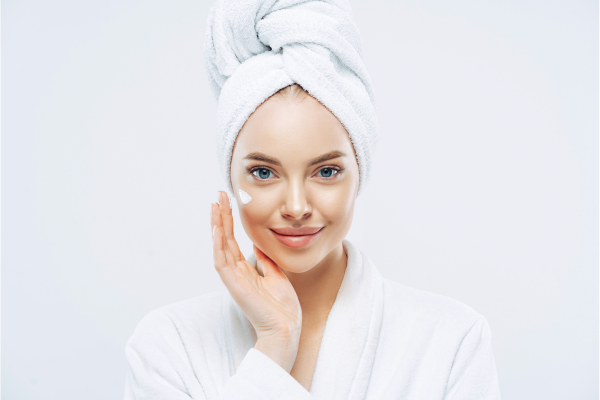
A moisturizer works differently. Its purpose is to absorb into the skin, boost hydration, and strengthen the barrier. These opposing mechanisms create a challenge: can one product truly hydrate and offer the same level of UV protection as a dedicated sunscreen?
Dermatologists say this confusion is widespread—many users don’t realize how SPF in moisturizers performs or why it may not deliver full protection. Expert insights help clarify the gap between SPF moisturizers and traditional sunscreens, and what that means for your everyday routine.
Is It Safe to Combine SPF and Moisturizer?
Many people wonder whether combining hydration and sun protection in one product is both safe and effective. According to Ulli Haslacher, founder of Pour Moi, sunscreen is engineered to be the final layer of skincare—its main job is to form a stable UV-protective barrier on top of the skin, not to moisturize deeply.
She also notes that sunscreen is classified as an over-the-counter “drug” by the FDA, meaning SPF concentration must remain precise and stable. When mixed with too many skincare actives, its UV protection can weaken, especially once exposed to light and air. Even in ideal conditions, the protection typically lasts around 90 minutes—hence the need for reapplication.
Dermatologist Dr. Nava Greenfield adds that people often apply too little SPF moisturizer to achieve the protection stated on the label. Once mixed into a moisturizing base, the real-world protection may drop to the equivalent of SPF 10–12.
Cosmetic chemist Ginger King warns that combining both functions in one formula can cut SPF strength by half. The best approach remains: apply moisturizer first, then follow with a broad-spectrum sunscreen SPF 30 or higher.
Are SPF Moisturizers as Effective as Sunscreen?
Most skincare experts agree that SPF moisturizers and sunscreens are best used as two separate steps. The main concern isn’t just absorption—it’s SPF reliability. When UV filters are blended with hydrating agents and other actives, their protective power can become diluted, making them less consistent than standalone sunscreen.
Another practical issue is reapplication. Sunscreen is meant to be reapplied throughout the day, but moisturizers aren’t designed for frequent layering. Their textures may feel too heavy, too costly to reapply often, or simply uncomfortable for midday touch-ups.
Even so, cosmetic chemist Ginger King emphasizes that wearing SPF moisturizer is still better than skipping sun protection entirely. She also warns against DIY mixing—combining sunscreen with your moisturizer manually can disrupt SPF stability.
King notes that certain ingredients commonly found in moisturizers, such as retinol, AHA, benzoyl peroxide, and salicylic acid, may reduce sunscreen effectiveness. On the other hand, applying vitamin C before sunscreen can be beneficial by boosting antioxidant defense.
SPF Moisturizer vs. Tinted Sunscreen
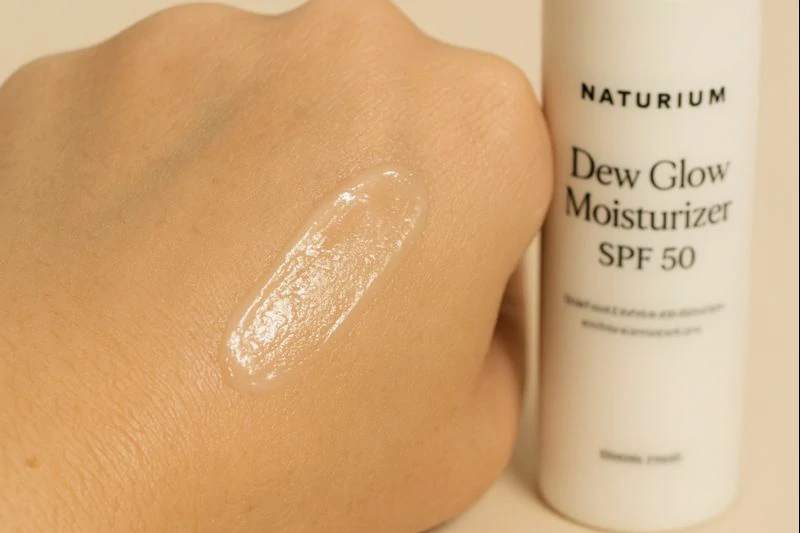
An SPF moisturizer is essentially a hydrating product infused with UV filters. While convenient, its sun protection often falls short because moisturizing ingredients can dilute the SPF concentration. Since users typically apply moisturizers in thin layers, the final UV coverage rarely matches the number printed on the label. As a result, SPF moisturizers offer lighter, more inconsistent protection compared to dedicated sunscreens.
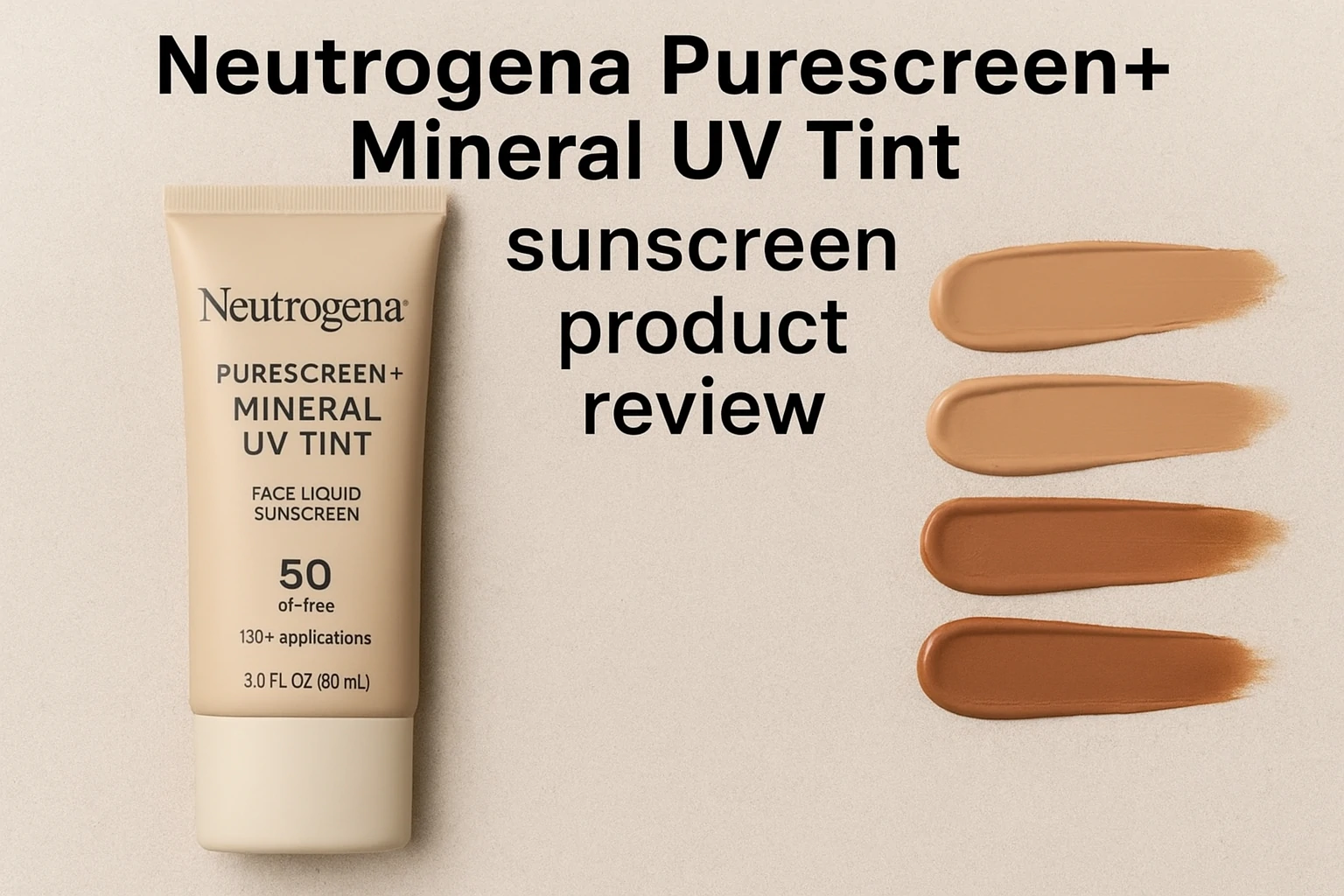
Meanwhile, a tinted sunscreen is a full sunscreen formula enhanced with pigment for light coverage. The tint helps reduce white cast, evens out the complexion, and improves wearability—all without compromising UV protection. Because the base remains a true sunscreen, it maintains reliable UVA and UVB defense.
For many users, tinted sunscreen provides the ideal balance: high protection, natural coverage, and fewer makeup steps. This makes it a strong everyday option for anyone seeking both cosmetic benefits and dependable sun defense.
Derm-Approved Moisturizers
- Skinceuticals Triple Lipid Restore 2:4:2
This dermatologist-approved moisturizer blends essential lipids, vitamin E, and nourishing oils to improve uneven texture and soften fine lines. Its antioxidant support helps defend the skin from environmental stressors, leaving the complexion smoother, bouncier, and naturally radiant. - Dr. Barbara Sturm Face Cream Rich
Formulated with purslane to calm redness and skullcap extract to support natural collagen production, this rich cream restores hydration while reviving fatigued or less elastic skin. It provides a comforting, replenishing finish ideal for dry or stressed complexions. - Neutrogena Hydro Boost Gel-Cream
Frequently recommended by dermatologists, this lightweight gel-cream delivers intense hydration without heaviness. Its hyaluronic acid content helps lock in moisture for long-lasting suppleness, making it a budget-friendly essential for beginners and daily users. - Sunday Riley C.E.O. C + E Antioxidant Protect + Repair Moisturizer
Powered by THD ascorbate—a stable, oil-soluble vitamin C—this formula targets early signs of aging, smooths texture, and boosts visible firmness. The combination of vitamins C and E provides strong antioxidant protection while keeping the skin deeply hydrated and luminous.
Derm-Approved Sunscreens
- CLE Cosmetics CCC+ Cream
This multitasking cream blends BB/CC benefits with SPF 50 protection, offering light hydration, coverage, and sun defense in one step. When layered over moisturizer, it creates a fresh, dewy finish—perfect for quick everyday routines. - Solara Suncare Time Traveler Ageless Daily Face Sunscreen
A mineral SPF 30 with water resistance and a radiant, non-greasy finish, this sunscreen spreads easily and provides reliable UVA/UVB protection. Its fully recyclable packaging also appeals to eco-conscious users, adding environmental value to daily sun care. - Algenist Sublime Defense UV Defense Fluid SPF 50
Designed for those who dislike the feel of traditional sunscreen, this ultra-light fluid sits comfortably under makeup and offers high SPF 50 protection. Shake the bottle before use for the best texture. It’s non-comedogenic, gentle, and ideal for sensitive or acne-prone skin—making consistent sunscreen use far easier for beginners.
Chemical vs. Mineral Sunscreen: Which One Should You Choose?
Choosing between chemical and mineral sunscreen often confuses beginners, even though both protect against UVA and UVB radiation.
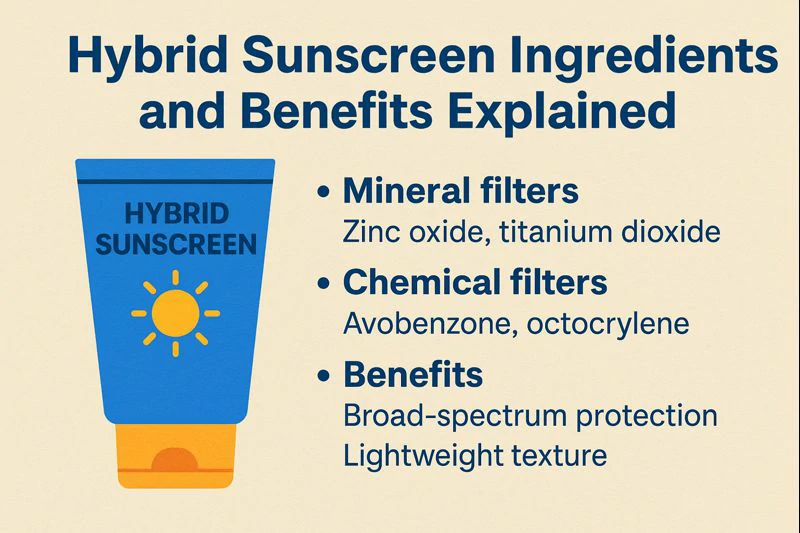
Chemical sunscreens absorb UV rays and convert them into heat. Dermatologists note they glide smoothly, leave no white cast, and work well under makeup. Popular options like Supergoop! Unseen Sunscreen are favored for their lightweight, barely-there feel.
Mineral sunscreens, on the other hand, use zinc oxide or titanium dioxide to reflect UV rays on the skin’s surface. Experts recommend them for sensitive, reactive, or rosacea-prone skin. Formulas such as La Roche-Posay Anthelios Mineral are known for stability and gentleness.
Ultimately, the right choice depends on your needs:
- Choose chemical sunscreen if you want a weightless texture with no tint or residue.
- Choose mineral sunscreen if your skin irritates easily or requires a gentler formula.
As dermatologist Dr. Marisa Garshick often emphasizes, the best sunscreen is the one you enjoy wearing daily—consistency is what truly protects your skin.
How to Apply Sunscreen Correctly (and How Much You Actually Need)
How you apply sunscreen greatly affects the protection you receive. Dermatologists report that most people use far less than needed, making the labeled SPF ineffective. For the face and neck, the ideal amount is roughly two finger lengths or about a quarter teaspoon to ensure even, protective coverage.
Apply sunscreen as the final step in your skincare routine, after moisturizer. Putting sunscreen underneath moisturizer can disrupt the UV-protective layer, reducing its performance. Allow about one minute for it to set before adding makeup.
For beginners, the “dot method” works well: apply small dots on the forehead, cheeks, nose, and chin, then blend thoroughly. Don’t forget often-missed areas like the ears, jawline, and around the eyes.
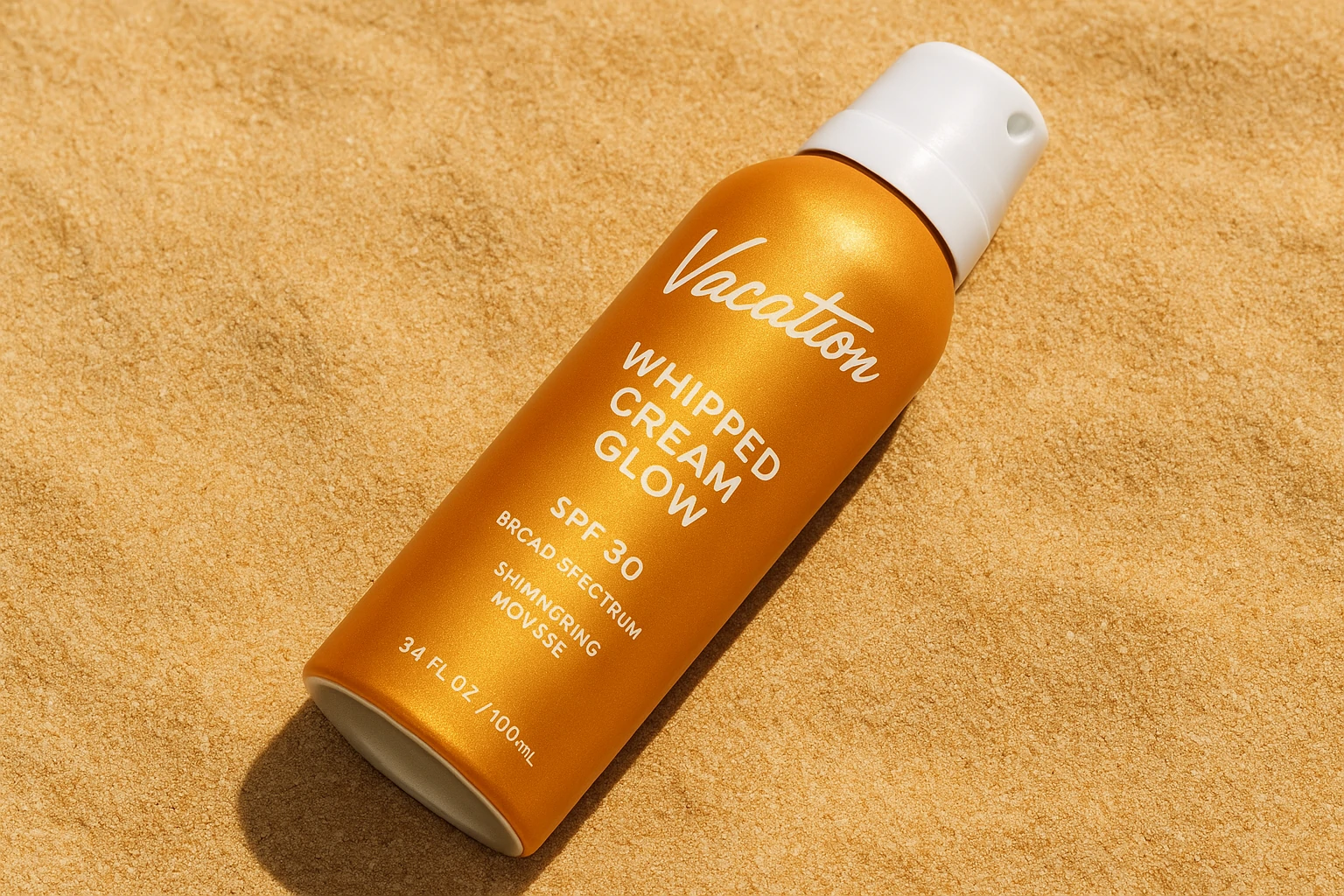
For outdoor activities, dermatologists advise reapplying every two hours—or more frequently when sweating or swimming. Sunscreen sprays or sticks make reapplication easier on top of makeup, helping you stay protected without disturbing your look.
You might also like
 Acne
Acne Anti-Aging
 Business
 Digital Marketing
 Economics
 Exfoliation
 Hair Removal
 Movies
 Personal Finance
 Websites