Can Stress Really Cause Wrinkles? Here’s What Doctors Say
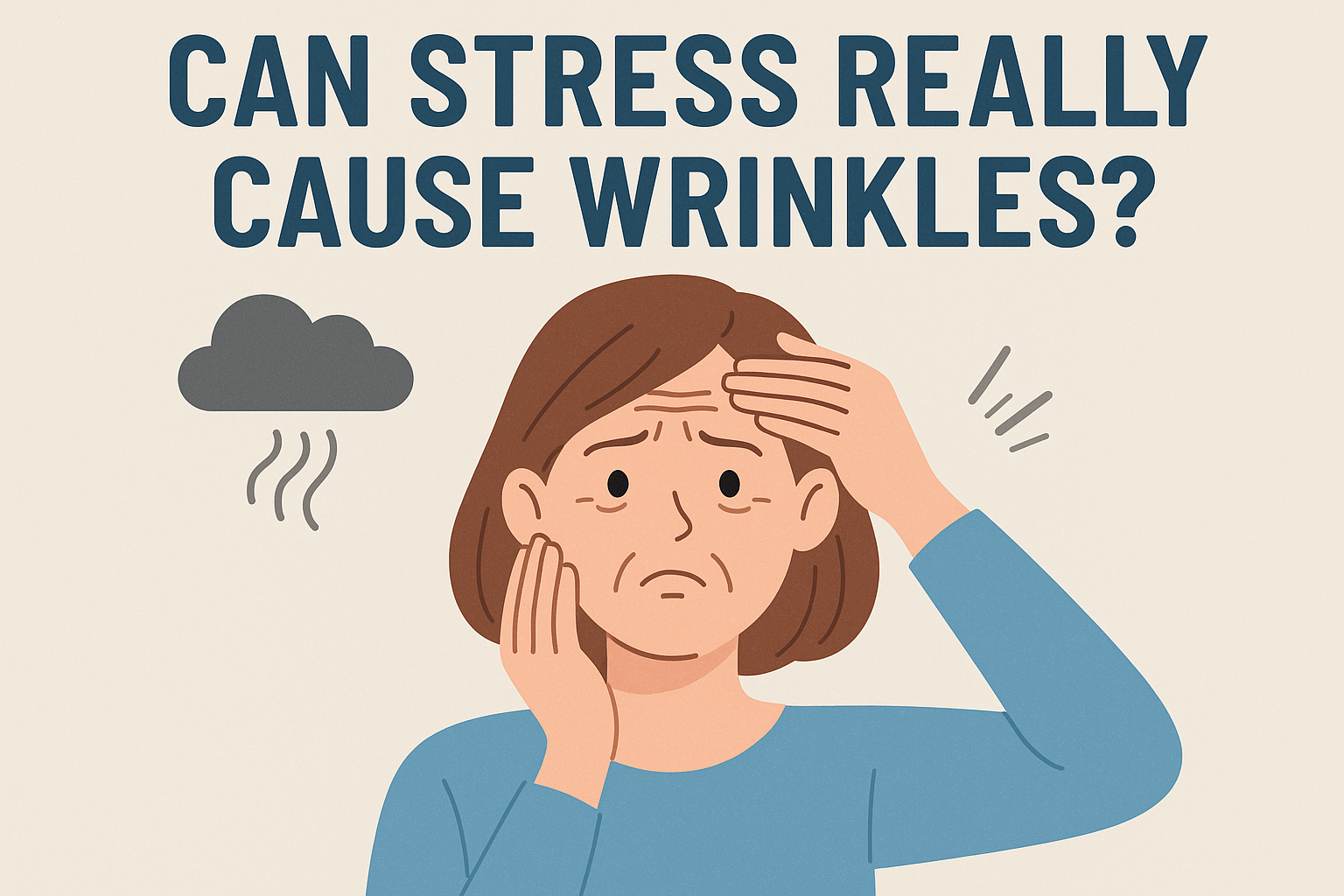
Can stress cause Wrinkles? Stress can affect our physical appearance through various complex biological mechanisms. Chronic stress has been shown to accelerate the aging process in the skin and hair. One effect is the faster appearance of gray hair, as stress can disrupt melanin production, the pigment responsible for hair color. Additionally, stress can trigger inflammation in the body, which increases the risk of acne and skin damage, including hair loss.
Directly, stress impacts hormone balance in the body, such as an increase in cortisol levels. Excessive cortisol can damage collagen and elastin, two vital components that maintain skin firmness and elasticity. This damage contributes to the formation of fine lines and wrinkles, often associated with early signs of aging.
According to Dr. Annie Chiu, a certified dermatologist, stress not only impacts skin health in the short term but can also affect the skin’s regeneration process that should occur during sleep. Dr. Jason B. Diamond, a plastic surgeon, adds that stress can impair the body’s ability to repair skin damage, worsening the signs of aging. Managing stress well is an important step in maintaining healthy, youthful skin.
Can Stress Cause Wrinkles? Experts Weigh In
Stress can affect the skin’s appearance by increasing wrinkle formation through several biological mechanisms. Dr. Chiu explains that stress raises cortisol levels in the body, a hormone that can damage collagen and elastin, two essential elements for maintaining skin firmness and elasticity. Damage to collagen makes the skin thinner, which ultimately triggers the formation of wrinkles. Additionally, frequent facial expressions during stress, such as furrowing the brow or squinting, also play a role in deepening fine lines in those areas, commonly known as “worry lines.”
Dr. Diamond adds that the decline of collagen and elastin over time worsens the skin’s condition, making wrinkles more noticeable. This process is triggered by prolonged stress, which causes damage that cannot be quickly repaired.
In addition to its direct effects, stress also contributes to bad habits that can worsen skin conditions. Dr. Diamond explains that stress often leads people to consume alcohol, smoke, or eat unhealthy foods, all of which negatively affect skin health and accelerate aging. Therefore, managing stress is crucial for maintaining healthy skin and preventing deeper wrinkles.
The Impact of Stress on Skin Conditions You Should Know
Stress not only contributes to wrinkle formation but can also worsen existing skin issues. According to Dr. Chiu, increased cortisol levels from stress can exacerbate inflammatory skin conditions such as eczema, psoriasis, and acne. Excess cortisol also increases water loss from the skin, causing it to become drier and more prone to damage.
Also Read: How Long Does Retinol Take to Work On Skin?
Dr. Diamond explains that stress causes an “inflammatory response in the body,” known as “cortisol bloat,” which results in fat buildup in the abdominal area due to stress. A similar phenomenon occurs in the skin, where inflammation increases oxidative stress, a condition that impairs the skin’s natural ability to repair itself. Oxidative stress, caused by an imbalance between free radicals and antioxidants in the body, can worsen skin damage and accelerate aging.
Moreover, prolonged stress can disrupt the skin’s natural regeneration process, preventing effective self-repair and worsening the overall skin condition, speeding up the appearance of aging signs.
Preventing Stress Wrinkles
Preventing skin damage caused by stress can be achieved through healthy lifestyle changes. Dr. Diamond emphasizes that managing stress is vital for skin health, beauty, and overall well-being. He recommends a holistic approach that includes managing stress, maintaining a healthy diet, exercising regularly, and limiting alcohol and smoking intake. It’s also important to avoid excessive sun exposure, get enough sleep (8 to 10 hours per night), and ensure proper hydration.
Dr. Chiu adds that holistic routines, such as meditation, can help reduce stress and improve skin conditions. Meditation calms the mind, which in turn reduces the negative effects of stress on the skin.
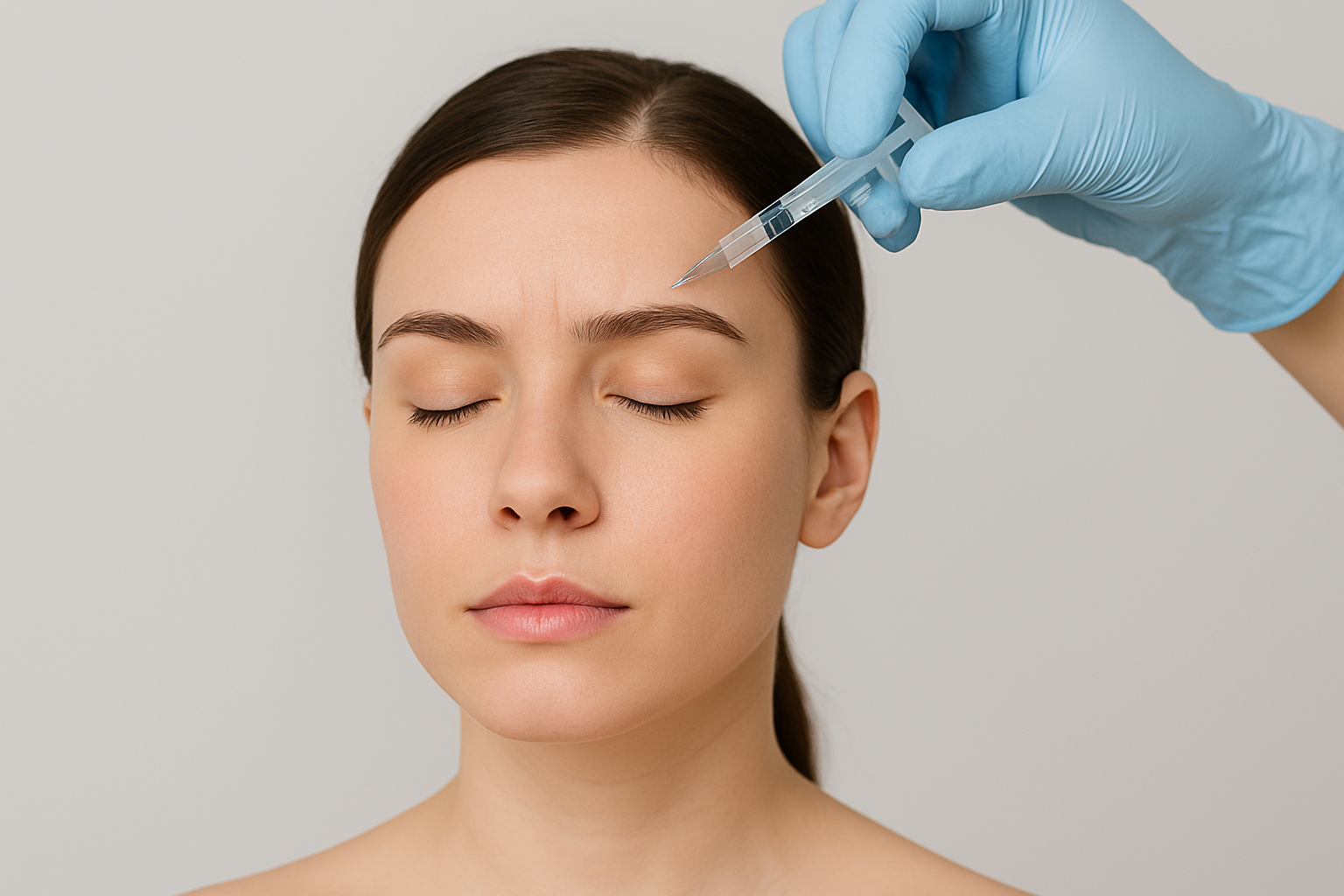
In addition to lifestyle changes, there are also preventive medical treatments. Dr. Chiu recommends using neuromodulators like Daxxify to reduce repetitive facial movements that can lead to wrinkle lines. Dr. Diamond also suggests using preventive skincare products early to maintain skin health and prevent deeper wrinkles.
Treating Stress Wrinkles
If wrinkles have already appeared, there are various treatments that can help improve the skin’s appearance. Dr. Chiu explains that anti-aging skincare ingredients such as retinoids, sunscreen, and vitamin C are effective in preserving collagen and skin elasticity. Retinoids stimulate collagen production, while vitamin C helps fight free radical damage and improve skin texture. Sunscreen is essential for protecting the skin from UV exposure, which can worsen wrinkles and premature aging.
Besides using skincare products, medical treatments can also help reduce the appearance of wrinkles, such as neuromodulators to minimize repetitive facial movements, and procedures like microneedling, laser resurfacing, and chemical peels. These treatments can rejuvenate the skin and reduce fine lines and wrinkles caused by stress or other aging factors.
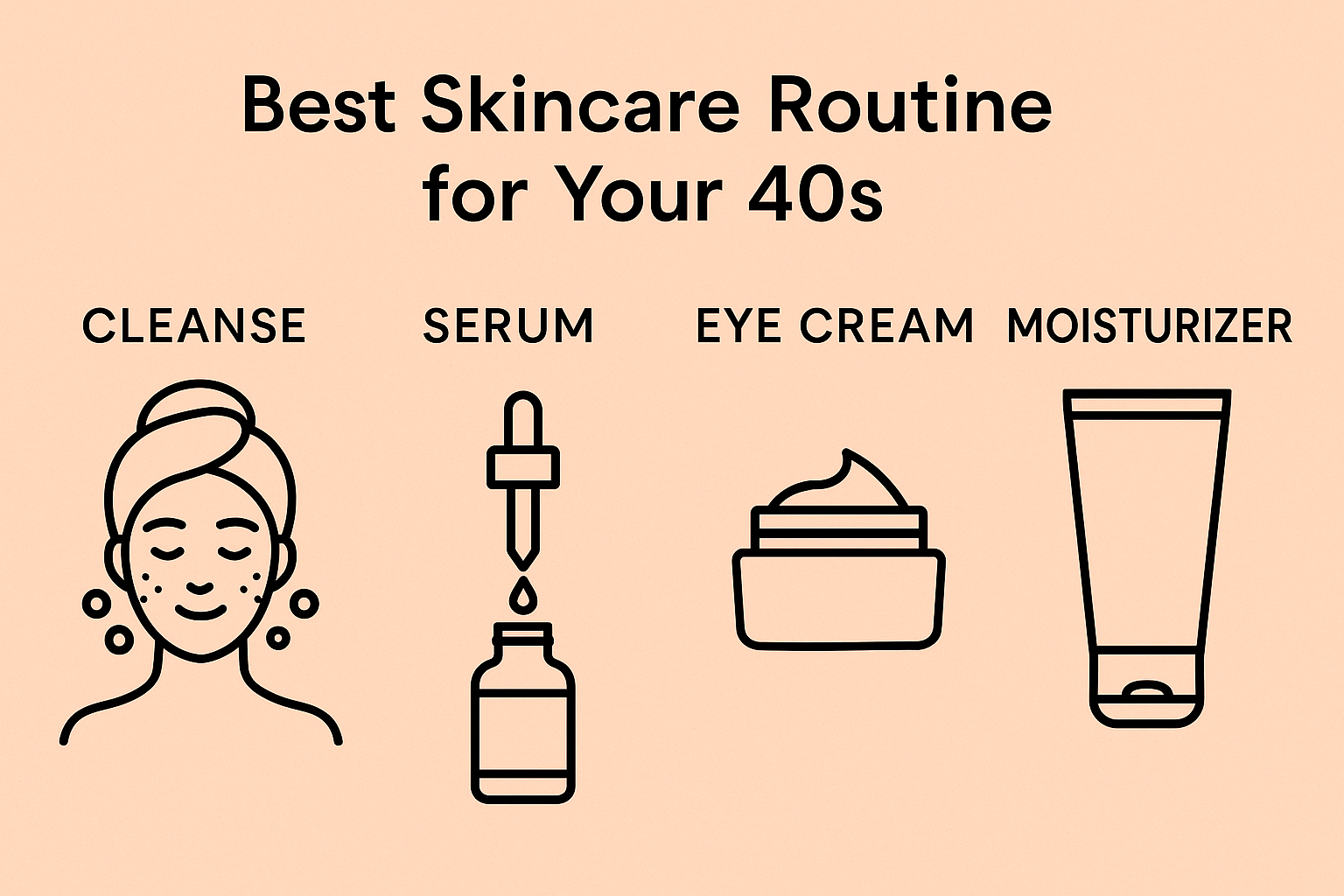
However, Dr. Diamond stresses that effective skincare should begin with a consistent daily routine. Using clinically-tested skincare products, along with daily sunscreen, is key to achieving the best results from clinical treatments.
Taking a Holistic Approach
While various skincare treatments can help reduce wrinkles and other skin issues, Dr. Chiu and Dr. Diamond emphasize that a healthy lifestyle remains the most important factor in maintaining skin health. Dr. Chiu explains that a healthy lifestyle, such as eating nutritious foods, not smoking, managing stress, and getting enough sleep, can reduce collagen damage caused by stress and inflammation in the body. By maintaining overall balance, the skin will remain healthy and youthful-looking.
Dr. Diamond shares his personal routine for managing stress and supporting his health: “I meditate every day. It helps regulate my emotions, which in turn controls stress-related hormones.” Meditation increases emotional resilience, allowing someone to better handle stress and reduce its impact on skin appearance. Additionally, Diamond pays attention to his diet by using a healthy meal catering service tailored to his protein needs based on his age, weight, and body type. He believes that proper nutrition has a significant impact on skin health and beauty.
Conclusion
Experts agree that stress can lead to wrinkles, both directly and indirectly. Stress increases cortisol levels in the body, which damages collagen and elastin, accelerating skin aging. Moreover, stress can affect bad habits, such as poor diet and lack of sleep, which worsen skin conditions.
While there are various treatments for treating and preventing wrinkles, Dr. Chiu and Dr. Diamond emphasize that the most important thing is to address the root cause—stress itself. Effectively managing stress is not only crucial for skin health but also for overall body health. By reducing stress, we can protect the skin from further damage and maintain a youthful appearance.
FAQ
Can stress really lead to wrinkles on your face?
Yes, chronic stress can contribute to wrinkles. When you’re stressed, your body releases cortisol, a hormone that breaks down collagen and elastin—two essential proteins that keep your skin firm and smooth. Over time, this can accelerate the appearance of fine lines, especially on your forehead and around your eyes. Managing stress is not just good for your mental health, but also essential for maintaining youthful skin.
How does stress affect your skin’s aging process?
Stress speeds up skin aging by increasing inflammation, weakening your skin barrier, and reducing natural moisture levels. This makes your skin more vulnerable to damage and less able to repair itself, which can result in premature aging signs such as wrinkles, dullness, and sagging. Adopting stress-reducing practices like meditation, regular sleep, and skincare routines can help slow this process.
What are the best ways to prevent stress-induced wrinkles?
To prevent stress-induced wrinkles, focus on a combination of stress management and skincare. Practice mindfulness, exercise regularly, and get enough sleep to regulate cortisol levels. At the same time, use antioxidant-rich skincare products and sunscreen daily to protect and repair your skin. Consistency is key to maintaining healthy, wrinkle-free skin.

 Acne
Acne Anti-Aging
 Business
 Digital Marketing
 Economics
 Exfoliation
 Hair Removal
 Movies
 Personal Finance
 Websites