Depilatory Creams: A Complete Guide to Safe & Effective Use

Removing body hair is no longer just about aesthetics—it’s about choosing a method that fits your skin, budget, and comfort level. Many people avoid laser treatments due to high costs or skip waxing because of the pain. This is where depilatory creams stand out as a practical, affordable, and pain-free alternative for hair removal.
From a dermatological perspective, depilatory creams work by breaking down keratin, the protein structure of hair, allowing it to be wiped away easily. While effective, honesty matters in skincare: these chemical formulas can cause irritation, burns, or allergic reactions if used incorrectly or on sensitive skin.[1Chang AC, Watson KM, Aston TL, Wagstaff MJ, Greenwood JE. Depilatory wax burns: experience and investigation. Eplasty. 2011;11:e25.] So, are depilatory creams truly safe for your routine?
To ensure accuracy and balance, this guide reflects insights from board-certified dermatologists and professional estheticians, including Dr. Ava Shamban, Dr. Marisa Garshick, Rhea Souhleris Grous, and Jodi Shays.
With proper education and precise application techniques, depilatory creams can deliver smooth, healthy-looking skin while minimizing the risk of chemical sensitivity. Understanding how and when to use them is key to achieving safe, effective results without compromising your skin barrier.
What Is a Depilatory Cream?
A depilatory cream is a topical hair-removal product, usually in lotion or gel form, designed to remove unwanted hair temporarily. According to professional esthetician Jodi Shays, these creams offer a convenient way to eliminate hair on both the face and body. Unlike shaving, which cuts hair at the surface, Dr. Ava Shamban explains that depilatory formulas work slightly below the skin’s surface by dissolving the hair shaft—without permanently affecting the root.
Chemically, depilatory creams are highly effective, making them popular for areas like the legs, arms, and even the bikini line. However, honesty is essential in skincare: their protein-breaking action can be harsh if misused.
To protect skin health, avoid applying depilatory creams on extremely sensitive or mucosal areas, including:
- The genital region
- The eye area
- Inside the nostrils
Incorrect use in these zones may cause serious chemical burns.[2U.S. Food and Drug Administration. Removing hair safely. Updated June 30, 2010.] Safe, informed application is key to smooth skin without compromising skin integrity.
How Do Depilatory Creams Work?
Understanding how depilatory creams work is surprisingly fascinating from a scientific standpoint. According to board-certified dermatologist Dr. Marisa Garshick, the process focuses on breaking the structural bonds within the hair shaft, allowing hair to detach easily from the skin’s surface.
This biochemical process occurs in several key stages:
- High Alkaline Reaction
Depilatory creams use a strong alkaline formula that softens the normally tough hair fibers upon contact. - Protein Breakdown
Active ingredients such as sodium thioglycolate, calcium thioglycolate, or strontium sulfide specifically target and break disulfide bonds in keratin—the main protein that gives hair its strength. - Texture Transformation
Once these bonds are destroyed, the hair weakens and changes into a soft, jelly-like consistency.
At this stage, hair can be wiped or rinsed away effortlessly, without pulling or pain. However, this effectiveness comes with responsibility. Chemicals strong enough to break hair proteins can also affect skin proteins, which is why precise timing and strict adherence to instructions are essential for safe use.
Benefits of Depilatory Creams
Choosing the right hair-removal method is an investment in long-term comfort. According to Dr. Ava Shamban and professional esthetician Rhea Souhleris Grous, depilatory creams offer several clear advantages when used correctly:
- Time-Efficient & Accessible
Most depilatory creams work in under 15 minutes. They’re affordable, widely available at drugstores, and require no special skills or equipment. - Smoother Skin Texture
Unlike shaving, which leaves blunt hair ends, depilatory creams dissolve the hair shaft. When hair grows back, it feels finer and softer to the touch. - Longer-Lasting Results
Because the formula works slightly below the skin’s surface, regrowth typically takes longer compared to traditional shaving. - Low Risk of Physical Injury
As emphasized by Jodi Shays, depilatories eliminate the risk of razor cuts. When directions are followed, there’s no downtime—areas like the legs or bikini line are smooth and ready immediately.
For individuals with low pain tolerance, depilatory creams provide a non-invasive, effective solution—even for hard-to-reach areas—without sacrificing comfort or convenience.
Potential Side Effects of Depilatory Creams
Understanding the risks behind depilatory creams is just as important as knowing their benefits. While convenient, these products require careful use. According to Jodi Shays, most adverse reactions occur when users ignore timing instructions or use poorly formulated products.
Board-certified dermatologist Dr. Marisa Garshick notes that irritation and sensitivity are real concerns, which is why a patch test 24–48 hours before full application is strongly recommended. Potential side effects to be aware of include:
- Chemical Burns
Leaving the cream on too long or applying it to thin skin areas—such as the face or underarms—can damage the epidermal barrier. - Mucosal Area Sensitivity
Rhea Souhleris Grous advises avoiding eyebrows, the nose, and ears to prevent serious soft-tissue injury. - Strong Odor & Respiratory Reactions
Some formulas release sharp fumes, which may trigger discomfort in individuals with asthma or respiratory sensitivity. - Increased Sun Sensitivity
Post-treatment skin is more vulnerable to UV exposure, making sunscreen a non-negotiable step.
Results are also temporary and may leave a faint shadow on thicker hair types, unlike waxing.
Safe & Precise Application of Depilatory Creams
Choosing the right product is the first step toward smooth, healthy-looking skin. Professional esthetician Jodi Shays recommends selecting reputable brands with clear instructions, such as Nair. Equally important is proper skin prep. Rhea Souhleris Grous advises stopping active ingredients like retinol or chemical exfoliants at least three days before and after use to reduce the risk of irritation.
Follow these expert-backed steps for safe application:
- Patch Test First
Apply a small amount to a discreet area, such as the neck. Dr. Ava Shamban recommends waiting 24 hours to check for allergic reactions. - Monitor Skin Sensation
Mild tingling is normal, but rinse immediately if you feel intense burning. - Apply with Precision
Wear gloves and spread the cream in the direction of hair growth. When treating the bikini area, remain still to prevent contact with sensitive mucosal tissue. - Thorough Rinsing
Remove the cream using a microfiber cloth and running water within the instructed 5–10 minutes. Rinse repeatedly to ensure no chemical residue remains.
If results are uneven, wait several days before reapplying to protect your skin barrier.
Depilatory Aftercare for Healthy, Calm Skin
Post-treatment care plays a critical role in maintaining long-term skin health. Dr. Ava Shamban emphasizes calming the skin immediately after hair removal to help restore its natural pH balance. If an alkaline lotion isn’t available, a non-comedogenic moisturizer is essential to hydrate the skin without clogging pores or triggering inflammation.
Dermatology-backed aftercare recommendations include:
- Soothing Skin Agents
Products like Aquaphor, petroleum jelly, or a low-strength hydrocortisone cream can effectively reduce redness, stinging, and post-chemical sensitivity. - Skin Barrier Protection
According to Dr. Marisa Garshick, occlusive products such as Vaseline Healing Jelly Ointment help lock in moisture and reinforce the skin barrier after chemical exposure. - Daily Sun Protection
Depilated skin is more photosensitive. Applying a broad-spectrum sunscreen is essential if you plan outdoor activities.
Honest skin monitoring is key. If irritation persists or signs of chemical burns appear, consult a board-certified dermatologist promptly. In some cases, prescription topical steroids may be required to support proper skin recovery.
Are Depilatory Creams Safe for Sensitive Skin?
Every skin type has a different tolerance level. From a medical standpoint, Dr. Ava Shamban explains that while depilatory creams are generally safe, active ingredients such as calcium hydroxide and potassium hydroxide can still cause chemical burns—even on normal skin—if sensitivity is underestimated.
Dermatology experts advise avoiding depilatory creams if you have any of the following conditions:
- Active Inflammation
Eczema, psoriasis, rosacea, severe acne, or sunburned skin. - Open or Compromised Skin
Cuts, abrasions, or ongoing irritation on the treatment area. - Medical Interactions
Current use of antibiotics or strong acne medications such as isotretinoin (Accutane).
If you have sensitive skin but still want to try depilatories, choose formulas enriched with calming, anti-inflammatory ingredients like aloe vera, chamomile, or vitamin E. Products such as Veet Legs & Body 3-in-1 Gel Cream or Nads Sensitive Hair Removal Cream are often better tolerated due to soothing extracts like melon and avocado oil.
Honest self-assessment before application is the most professional way to prevent unnecessary skin trauma.
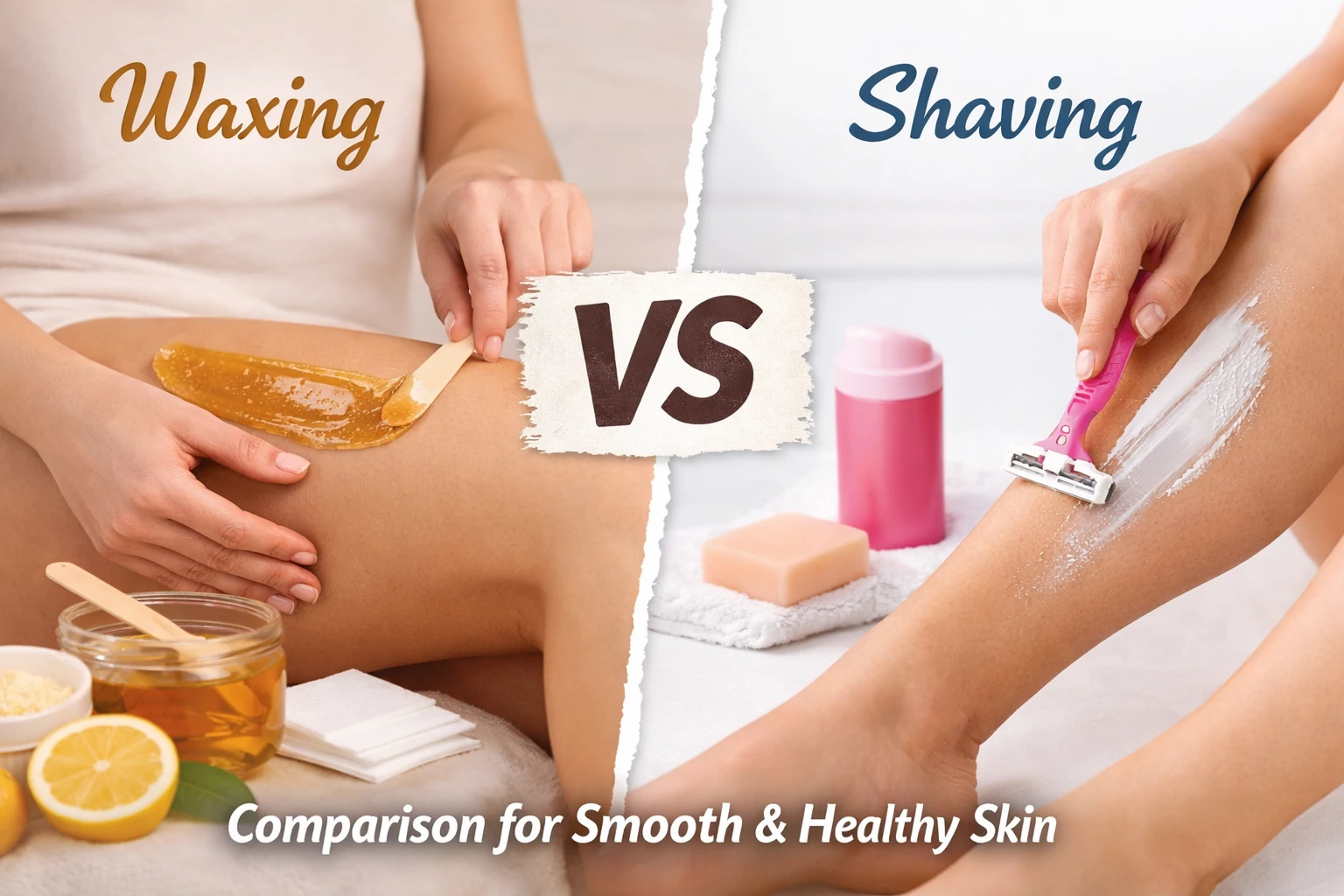
Depilatory Creams vs. Shaving & Waxing: Which Is Better?
Choosing the best hair-removal method depends on your skin health, pain tolerance, and daily routine. From a dermatological perspective, each technique interacts differently with hair keratin and follicles:
- Depilatory Creams
These use chemical agents to dissolve the hair shaft slightly below the skin’s surface. Regrowth feels smoother than shaving because hair ends are softer and tapered, not blunt. - Shaving
The fastest option, but it only cuts hair at the surface. This can increase the risk of strawberry legs, razor bumps, and ingrown hairs due to repeated mechanical friction on the epidermis. - Waxing
Removes hair from the root, delivering the longest-lasting results—up to four weeks. However, it comes with significant pain and a higher risk of follicular irritation or post-inflammatory reactions.
According to Dr. Marisa Garshick, depilatory creams like Nair or Veet offer a balanced middle ground. They provide smoother results than shaving without the intense discomfort of waxing. Ultimately, the best choice is the method that causes the least disruption to your individual skin barrier while fitting your lifestyle needs.
Best Practices for Facial Hair Removal with Depilatory Creams
Facial skin is significantly thinner and more reactive than body skin, which is why depilatory use on the face requires extra precision. Improper application can easily trigger irritation or chemical contact dermatitis.
According to professional esthetician Jodi Shays, success starts with choosing a formula specifically designed for facial hair removal. Products like Olay Smooth Finish Facial Hair Removal Duo are often recommended because they include a protective balm that helps support the skin barrier before chemical exposure.
Dermatologist-approved best practices include:
- Use Face-Specific Formulas Only
Never apply body depilatory creams to the face, as their active ingredients are too strong for delicate facial skin. - Follow Exact Timing Instructions
Facial skin reacts quickly. Exceeding the recommended processing time significantly increases irritation risk. - Avoid Mucosal Areas
Keep the product away from lips, nostrils, and the eye area to prevent serious chemical burns. - Calm the Skin Immediately After
Apply a soothing moisturizer such as pure aloe vera to reduce heat and redness.
Dr. Ava Shamban emphasizes that honest self-assessment of facial skin sensitivity is essential to prevent long-term barrier damage and unwanted reactions.
Sustainable & Clean Beauty Depilatory Options
As environmental awareness grows, global beauty trends are shifting toward sustainability—and depilatory products are no exception. From a dermatological standpoint, clean beauty isn’t just about avoiding harsh synthetics, but about maintaining product performance without compromising skin health or the environment.
Many international consumers are now moving away from strong conventional chemicals toward more eco-conscious alternatives. Key features in this category include:
- Plant-Based Formulations
Modern brands are replacing synthetic fragrances with natural essential oils and incorporating soothing ingredients like calendula or shea butter. - Eco-Friendly Packaging
Recycled plastics and compostable packaging are becoming meaningful indicators of responsible production. - Ingredient Transparency
Products such as Nads Natural Hair Removal Gel stand out for rinse-off formulas that avoid leaving microplastic residue in waterways.
Dr. Marisa Garshick notes that choosing cruelty-free, paraben-free depilatories is more than a trend—it’s a professional approach to long-term skin and environmental health.
How to Manage and Prevent Strawberry Legs
Strawberry legs—small dark dots visible on the legs—are usually caused by clogged hair follicles from excess oil, dead skin cells, or irritation after shaving. From a dermatological perspective, depilatory creams offer a strategic advantage because they dissolve hair without the physical friction of razors, which often trigger pore inflammation.
According to Dr. Marisa Garshick, prevention starts with consistent skin-texture management. Dermatologist-approved best practices include:
- Regular Chemical Exfoliation
Use products containing salicylic acid or lactic acid about two days before hair removal to clear clogged pores and reduce buildup. - Intensive Hydration
Well-moisturized skin helps prevent hardened keratin from trapping oil inside follicles. - Switching Hair-Removal Methods
Replacing shaving with depilatory creams—such as Neomen Hair Removal Cream—can lower the risk of sebum oxidation within pores.
Professional esthetician Rhea Souhleris Grous emphasizes that protecting the skin barrier matters more than hair removal alone. When gentle depilation is paired with proper exfoliation and hydration, the appearance of strawberry legs can be significantly reduced for smoother, healthier-looking skin.
Final Thoughts
Depilatory creams offer an effective, fast, and budget-friendly solution for achieving smooth skin without pain. By breaking down hair proteins below the skin’s surface, this method delivers softer, longer-lasting results compared to traditional shaving. That said, safety should always come first.
Insights from experts like Dr. Ava Shamban and Dr. Marisa Garshick highlight three essentials for successful use:
- Strict adherence to proper steps
Always perform a patch test and follow the recommended application time. - Choosing the right formula
Match the product to the treatment area and your skin’s sensitivity level. - Post-depilation care
Prioritize hydration and daily sun protection to support skin barrier recovery.
When used honestly and professionally, depilatory creams such as Nair or Veet can be a safe, reliable part of a smart skincare routine—delivering smooth results without compromising skin health.
ARTICLE SOURCES
You might also like


 Acne
Acne Anti-Aging
 Business
 Digital Marketing
 Economics
 Exfoliation
 Hair Removal
 Movies
 Personal Finance
 Websites