DIY Facial Extractions: When and How to Do It Safely

Many people struggle to resist popping pimples, even knowing the risks. When skincare products or acne treatments don’t work instantly, the temptation to handle pimples at home is strong. Not everyone can visit a dermatologist or clinic immediately, so DIY facial extractions seem convenient.
In professional settings, extraction tools are used to safely remove blackheads or whiteheads without damaging surrounding skin. Dermatologists emphasize that the main goal is reducing inflammation while avoiding wounds, bleeding, or permanent scars.
However, doing it at home without proper knowledge carries risks. Incorrect technique can worsen skin issues—causing irritation, infection, and stubborn scars. Understanding when and how to safely extract acne is essential before attempting any DIY procedure. Learning proper hygiene and gentle methods can prevent skin damage while maintaining a healthy complexion.
What Are Acne Extraction Tools?
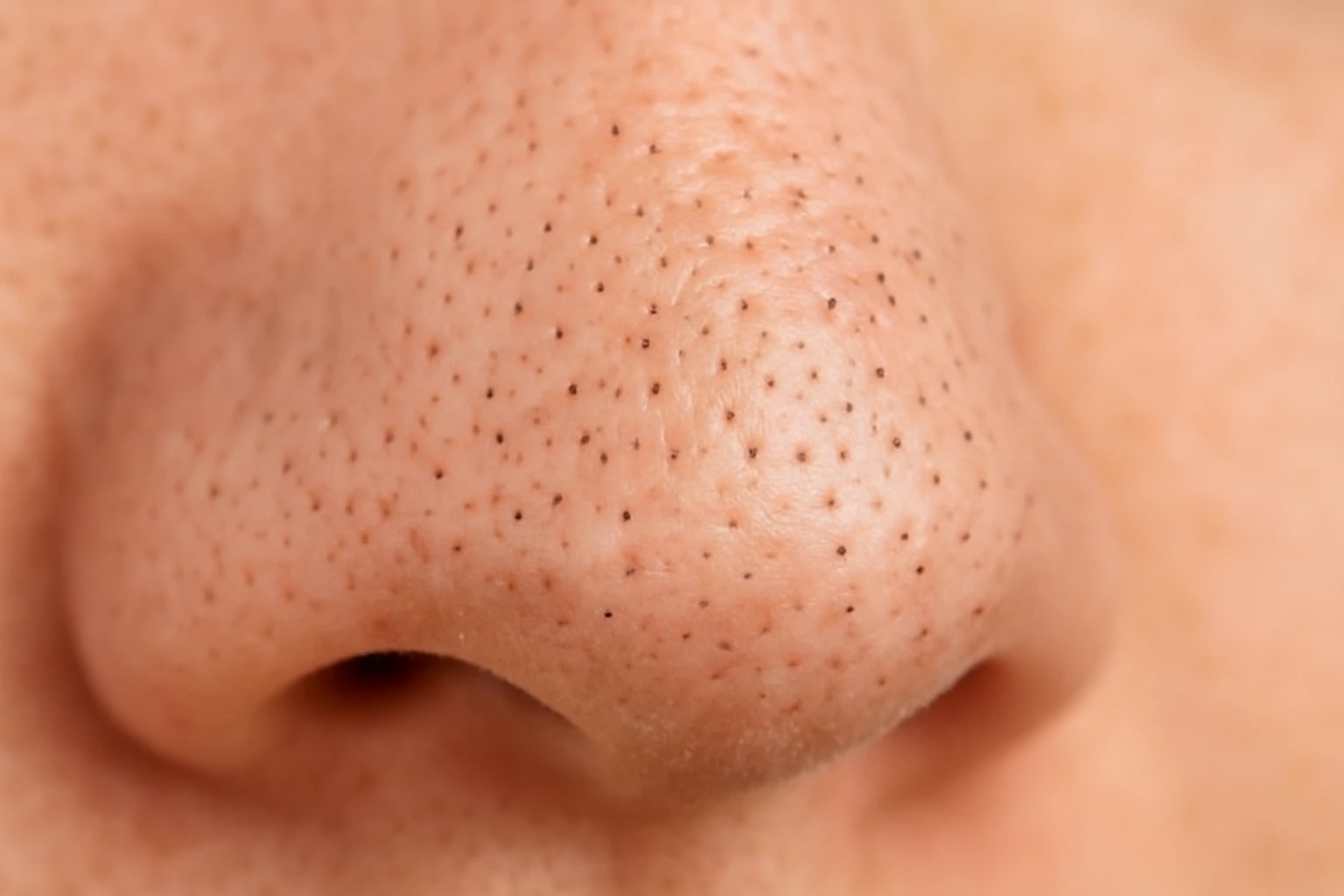
Acne extraction tools, often called comedone extractors, are small instruments designed to remove blackheads and whiteheads safely. These are non-inflammatory acne types, meaning they don’t show redness or swelling but can affect skin texture and appearance.[1Fox L, Csongradi C, Aucamp M, du Plessis J, Gerber M. Treatment Modalities for Acne. Molecules. 2016 Aug 13;21(8):1063. doi: 10.3390/molecules21081063.]
Typically made of stainless steel, extractors have looped or pointed tips to gently apply pressure around clogged pores, removing excess oil, dirt, and dead skin. Some models include a sharp tip to carefully open the skin surface before extraction.
Professionals—dermatologists or trained aestheticians—use these tools to minimize irritation and infection. At home, proper technique and sterilization are critical. Without careful handling, these tools can cause skin damage, breakouts, or infections. Understanding the tool’s function and maintaining cleanliness are key to safe acne care.
Risks and Challenges
DIY acne extraction may seem easy, but it comes with real risks. Experts warn it can cause pain, redness, infections, hyperpigmentation, or permanent scars. Even though extractors are widely available, safe use requires training.
Professional procedures use precise techniques and pressure to avoid tissue damage. At home, mistakes—like excessive pressure or unsterilized tools—can lead to open wounds, bruising, and broken capillaries. Bacteria from the skin or dirty tools can worsen inflammation.
Common causes of DIY damage include:
- Using the wrong tool
- Poorly designed extractors
- Attempting deep acne removal
Because facial contours are hard to reach alone, dermatologists recommend seeing a certified professional for safe and effective results.
What to Do Instead
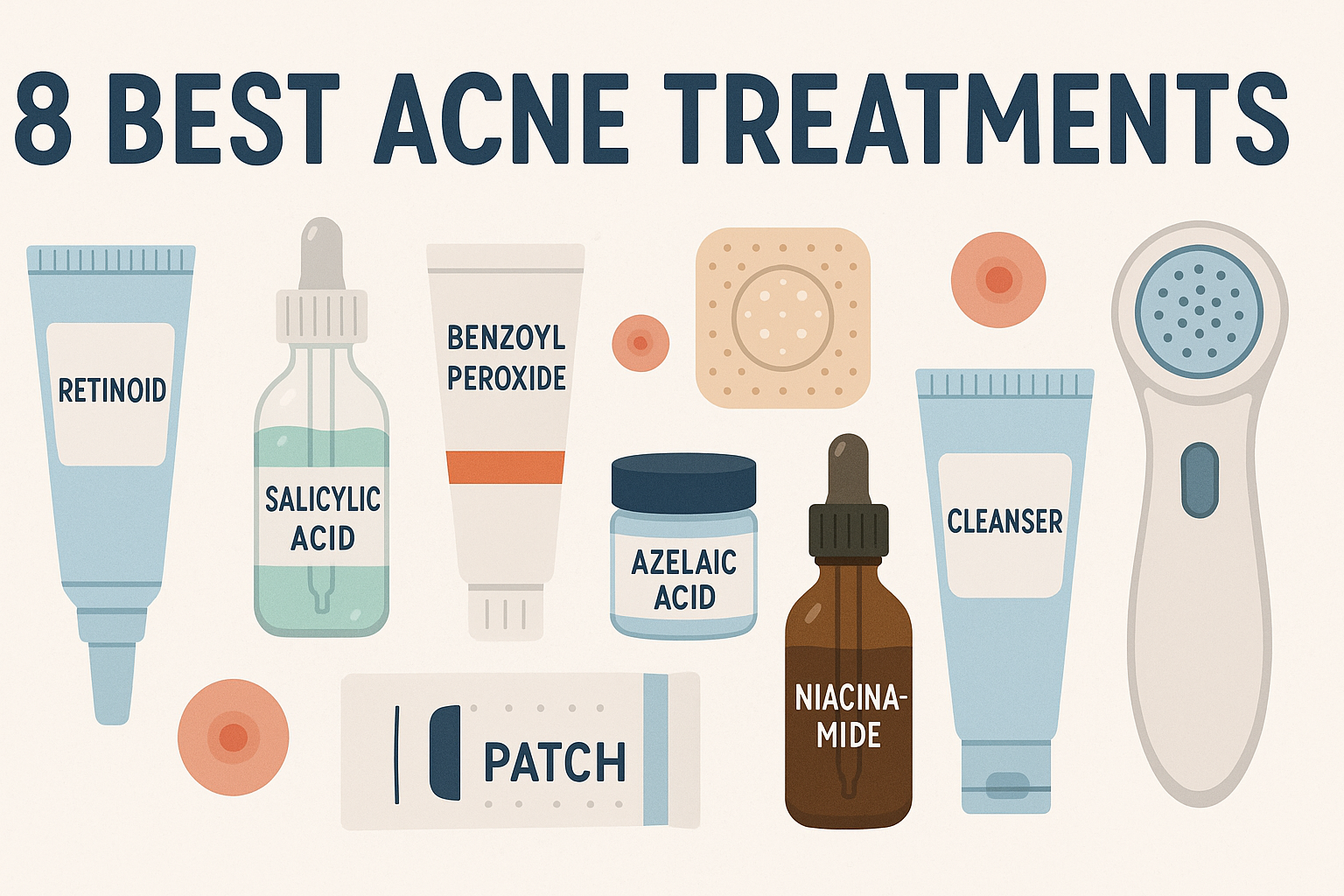
Instead of risking DIY extractions, dermatologists suggest medically proven acne treatments. Ingredients like salicylic acid, benzoyl peroxide, and adapalene help unclog pores and speed up healing without causing wounds. These are widely available in cleansers, spot treatments, and creams.
Salicylic acid dissolves dead skin and clears pores, benzoyl peroxide kills acne-causing bacteria, and adapalene (a retinoid) speeds up skin regeneration to prevent new blackheads.
If you can’t see a dermatologist immediately, avoid home extractions. Focus on gentle daily skincare, including cleansing, moisturizing with non-comedogenic products, and using acne treatments consistently to maintain healthy, balanced skin without irritation.
Exfoliate Regularly
Exfoliation is a key step to maintain clean, healthy skin. It removes dead skin cells that clog pores, preventing new blackheads and improving skin texture. Regular exfoliation also promotes cell regeneration, leaving skin smoother and brighter.
Chemical exfoliants like AHA (glycolic acid, lactic acid) effectively loosen dead skin without harsh scrubbing. Natural enzymatic options, such as papaya or rice enzymes, are gentle and safe for most skin types.
Unlike abrasive scrubs, chemical and enzymatic exfoliants reduce irritation while providing even results. With consistent use, pores appear smaller, skin feels softer, and other skincare products absorb more effectively.
Apply a Warm Compress
Using a warm compress is a simple yet effective way to support acne healing. Dermatologists explain that warm temperatures help soften clogged pores and boost blood circulation in inflamed areas. This encourages pimples to “mature” naturally and heal without the need for squeezing or extraction.
To apply, soak a clean cloth in warm water, wring out excess, and place it on affected areas for a few minutes. Repeat as needed.
It’s crucial that the water isn’t too hot. Excessive heat can damage the skin’s protective barrier, cause irritation, and dry out the skin. A comfortably warm temperature is ideal. By incorporating warm compresses into your routine, you can help reduce acne inflammation safely, soothe the skin, and promote natural healing without extra risk.
Skip the Scrubs
Physical scrubs may seem helpful, but for acne-prone skin, chemical exfoliants are gentler and more effective. Scrubs with coarse particles only remove surface dead skin and can irritate inflamed areas, spreading bacteria and worsening breakouts.
Gentle alternatives include soft exfoliating cloths or facial brushes. Products like Tatcha Kinu Pure Silk Polishing Face Cloth lift impurities and dead skin without damaging the skin barrier.
Experts recommend using enzymatic or chemical exfoliants that dissolve dead cells without harsh friction. This approach keeps skin clean, smooth, and healthy while minimizing irritation and avoiding additional acne inflammation.
Don’t Pick
Resisting the urge to pick pimples is essential for healthy skin. Dermatologists warn that squeezing can push bacteria and pus deeper into the skin, causing new inflammation, infections, or dark scars.
Instead, use topical treatments with salicylic acid or charcoal. Salicylic acid unclogs pores and speeds healing, while charcoal absorbs excess oil and impurities.
Products like Bolden Overnight Spot Treatment, containing sulfur, reduce inflammation effectively without direct contact. By avoiding picking, you protect your skin and support faster, scar-free recovery.
Use a Spot Treatment
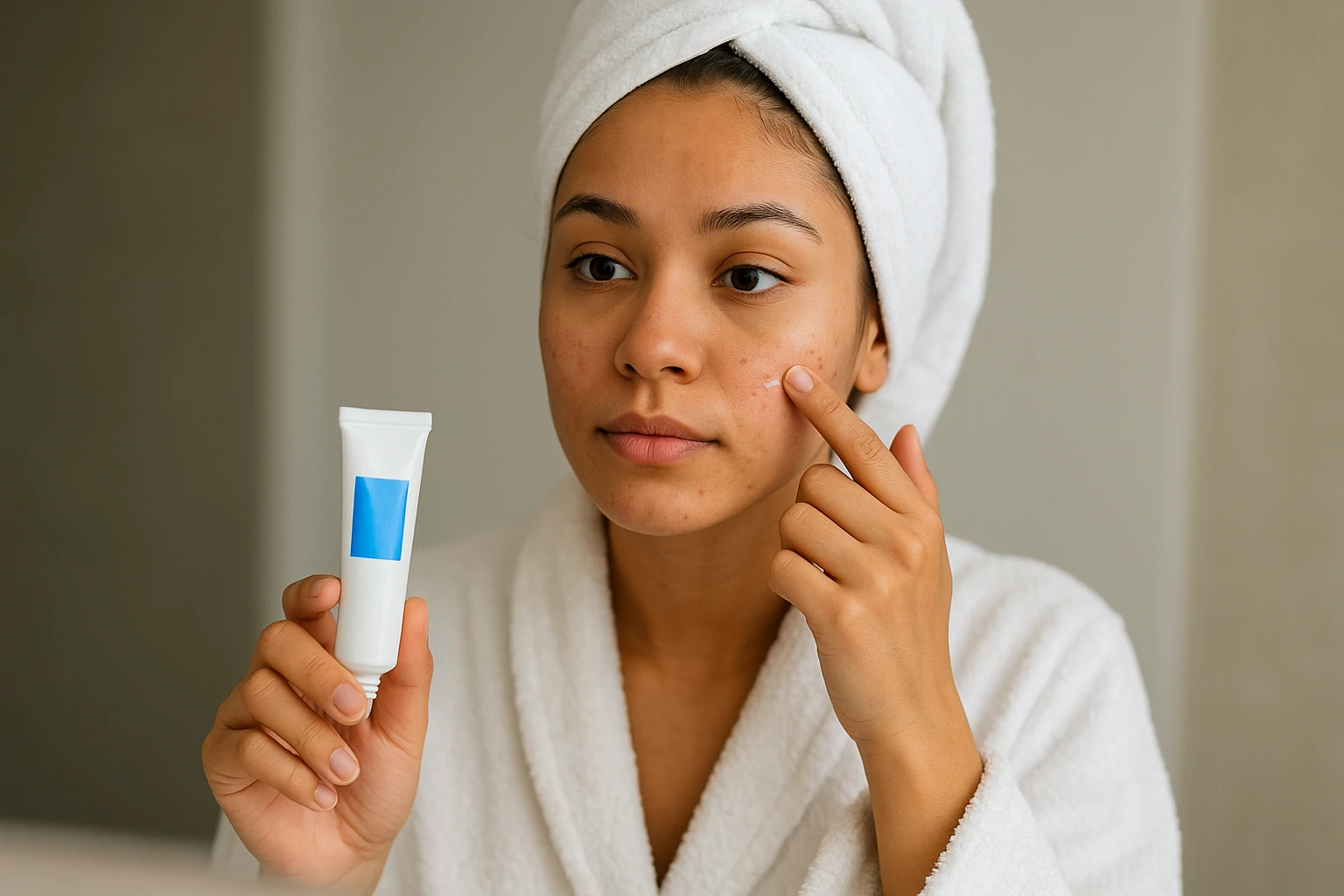
Spot treatments provide a targeted, non-invasive way to address pimples. Dermatologists recommend active ingredients like benzoyl peroxide, salicylic acid, or sulfur to dry out acne, kill bacteria, and accelerate healing.
Acne patches with hydrocolloid absorb excess fluid and protect the pimple from touching or picking. Popular products include Mario Badescu Drying Lotion for overnight results or Peace Out Salicylic Acid Acne Healing Dots for convenient on-the-go care.
With consistent use, spot treatments reduce inflammation safely and prevent additional skin irritation, offering a reliable alternative to DIY extraction.
Use a Steamer
The best time to tackle blackheads is after a warm shower, when pores are open and skin is softer. Facial steamers provide similar effects at home.
Steam hydrates the skin and loosens surface debris, making clogged pores easier to clear. After steaming, you can gently press around visible blackheads with a clean tissue, reducing the risk of damage.
Avoid prolonged or overly hot steam, which can dry and irritate the skin. Using a facial steamer correctly allows for safe, effective pore cleansing at home while maintaining skin health and minimizing the need for harsh extraction techniques.
Is It Safe to Use Acne Extraction Tools at Home?
The urge to remove blackheads or pimples at home is common when skincare results feel slow. With extraction tools widely available, many are tempted to try them. However, dermatologists warn that DIY extractions are not completely safe. Unsterilized metal tools or excessive pressure can cause wounds, infections, and even permanent scars.
In professional settings, extractions are performed with precise techniques and strict hygiene. Trained dermatologists or aestheticians know how to apply pressure without damaging surrounding tissue. At home, careless use can push bacteria deeper, worsening acne.
If attempting at home, ensure tools are fully sterilized, skin is clean, and pressure is very gentle. Still, if unsure, the safest approach is to leave extractions to certified professionals, ensuring effective results without side effects.
When to Try at Home and When to See a Doctor
Not all pimples require a clinic visit, but not all are safe for DIY extraction. Dermatologists advise that small, non-inflamed blackheads can be carefully removed at home using clean tools. Ideally, do this after a warm shower or facial steaming to open pores and soften skin.
Stop immediately if a pimple is painful, filled with pus, or bleeds after pressure. These are signs of inflammation that should not be touched. Excessive pressure can worsen infection and leave scars.
In such cases, consult a dermatologist. Professionals perform extractions safely with sterile tools and low-risk procedures. They can also recommend additional treatments, such as topical medications, mild chemical peels, or laser therapy, to speed healing and prevent future breakouts.
The Final Takeaway
DIY acne extraction may seem tempting, but it carries significant risks like irritation, infection, and permanent scars. Dermatologists emphasize that professional techniques, sterile tools, and proper hygiene are key to safe results.
For those starting skincare, safer alternatives include spot treatments, chemical or enzymatic exfoliants, warm compresses, and gentle steaming. These methods help unclog pores, reduce inflammation, and accelerate healing without damaging the skin.
Understanding when to try gentle at-home care and when to see a dermatologist is essential. Small, non-inflamed blackheads can be carefully managed at home, but painful or pus-filled acne should always be treated by a professional.
By combining consistent skincare habits with medical guidance when needed, you can maintain healthy, balanced skin while avoiding the risks of DIY extractions. Safe, informed care ensures clearer, smoother, and healthier skin over time.
ARTICLE SOURCES
You might also like
 Acne
Acne Anti-Aging
 Business
 Digital Marketing
 Economics
 Exfoliation
 Hair Removal
 Movies
 Personal Finance
 Websites