DIY Sunscreen: Does It Really Work? Dermatologists Reveal

DIY beauty trends have gone viral online, offering creative ways to try skincare at home. Among them, homemade sunscreens—made from natural oils, butters, or zinc oxide powders—have gained attention. Influencers like Nara Smith popularized these mixes in 2024, promoting “natural” alternatives to commercial sunscreens.
However, dermatologists caution against DIY sunscreen. Formulating an effective sunscreen isn’t as simple as blending ingredients. Proper UV protection requires precise particle distribution, chemical stability, and rigorous testing to ensure consistent coverage and safety. Without these scientific steps, homemade formulas may leave skin vulnerable to harmful UV damage.
Certified dermatologists emphasize that commercial sunscreens undergo strict lab testing to verify their effectiveness. “Sunscreen isn’t just about slathering oils on your skin; it’s a carefully formulated product designed to protect against UV-induced damage,” says Dr. Ellen Marmur, founder of MMSkincare. Understanding this helps new skincare users prioritize safety while exploring natural beauty trends.
What Makes an Effective Sunscreen?
An effective sunscreen must consistently shield skin from UVA and UVB rays while supporting the skin barrier. According to Dr. Ellen Marmur, founder of MMSkincare, high-quality sunscreens undergo standardized laboratory testing to verify UV protection, prevent sunburn, and reduce long-term cellular damage.
Key aspects include:
- Active ingredient stability: Ensures protection doesn’t degrade under heat or sunlight.
- Uniform particle distribution: Especially important for mineral sunscreens, ensuring even coverage.
- Safety profile: Minimizes risks of irritation or allergic reactions.
Without these evaluations, homemade sunscreen cannot guarantee effective sun protection. For beginners aged 20–40, this highlights the importance of using tested products instead of DIY mixtures. Properly formulated sunscreen not only prevents skin damage but also supports daily skincare routines safely and reliably.
1. FDA Standards for Sunscreen
The FDA classifies sunscreens as over-the-counter drugs, requiring rigorous testing before products hit the market. Broad-spectrum testing ensures protection against both UVA, which accelerates aging, and UVB, the main cause of sunburn. Without this verification, claims of “full-spectrum” protection are not valid.
Dr. Asmi Berry from Glendale, California, notes that FDA-approved sunscreens also undergo shelf-stability testing and evaluation of UV filters’ safety. This ensures formulas remain effective over time and safe for different skin types.
Homemade sunscreens lack such validation, making them unreliable for consistent UV defense. Using FDA-compliant products guarantees not only sunburn protection but also scientifically proven quality, a crucial factor for those just starting skincare.
2. Understanding Sun Protection Factor (SPF)
Sun Protection Factor (SPF) measures how well a sunscreen shields skin from UVB rays, which cause sunburn. Dr. Asmi Berry recommends SPF 30 or higher for daily use, even outside summer. Regular application is key, as UV exposure occurs year-round.
Dr. Hadley King, a New York dermatologist, explains: “If unprotected skin burns in 1 minute, SPF 30 extends protection roughly 30 times longer.” For instance, skin that burns in 2 minutes without sunscreen can last about 60 minutes with SPF 30.
SPF is not just a number—it helps users gauge real protection. Choosing reliable, high-quality sunscreen and applying it properly is essential for effective sun defense, especially for newcomers to skincare.
3. Chemical vs. Mineral Sunscreen: Which One Suits You?
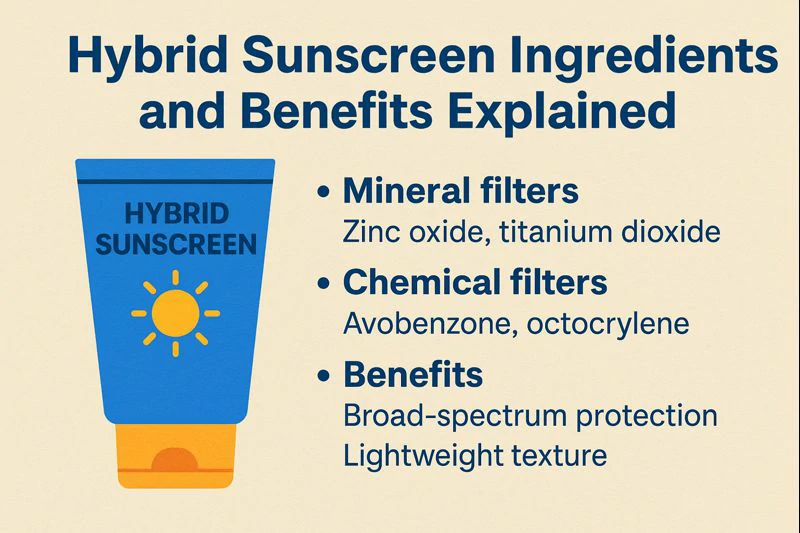
Sunscreens are mainly categorized into mineral and chemical types, each offering UV protection differently. Mineral sunscreens contain active ingredients like zinc oxide and titanium dioxide, which sit on the skin’s surface to reflect and scatter UV rays, reducing skin damage, explains Dr. Ellen Marmur, a dermatologist in New York.
Chemical sunscreens absorb UV radiation using filters such as oxybenzone, octinoxate, avobenzone, octisalate, octocrylene, and homosalate. These filters prevent UV from penetrating deeper layers of the skin, effectively protecting DNA and slowing early aging, says Dr. Hadley King.
Choosing between mineral and chemical often depends on personal preference and skin type. “Some prefer mineral to avoid chemical ingredients, but the most important factor is comfort and daily use,” notes Dr. Asmi Berry.
Ultimately, both types are effective when applied consistently. The real key to sun protection is regular use, rather than the specific category of sunscreen.
Can You Make an Effective Sunscreen at Home?
Making sunscreen at home is strongly discouraged. Dr. Ellen Marmur, a board-certified dermatologist, warns, “DIY sunscreen is risky. Homemade products don’t go through lab testing or quality control, so there’s no guarantee of UV protection.”
Natural ingredients often used in DIY recipes, such as plant oils or extracts, may even increase sun sensitivity. Risks include:
- Skin irritation, including contact dermatitis
- Sunburn, rashes, and hyperpigmentation
- Scars and premature aging
Uneven protection, creating a false sense of safety and higher risk of skin cancer or sun damage
Safe alternatives include wearing UV-protective sunglasses, wide-brimmed hats, and clothing with UPF (Ultraviolet Protection Factor). Dr. Asmi Berry notes, “Brands like Solibari and Wallaroo offer high-quality UPF accessories. Combining these with sunscreen maximizes skin protection.”
For beginners, relying on tested sunscreens plus protective clothing and accessories is the safest strategy, reducing the risk of sun-induced skin damage significantly.
Safe Ingredients and Latest UV Filters
Beyond choosing between mineral and chemical sunscreens, understanding the safety and effectiveness of active ingredients is essential. Modern dermatology has developed advanced UV filters that provide strong protection while minimizing irritation or skin damage.
One example is ecamsule (Mexoryl SX), a stable UVA filter that resists breakdown under sunlight. “Mexoryl SX protects longer and reduces the need for frequent reapplication,” explains Dr. Hadley King.
Many newer sunscreens also use lighter chemical combinations, such as avobenzone stabilized with octocrylene, making them suitable for sensitive skin and reducing allergy risks. Some formulas include antioxidants like vitamin E or green tea extract to combat UV-induced free radicals.
Experts emphasize that even the safest ingredients require correct daily use, proper application amounts, and SPF selection tailored to your needs. Understanding these advanced filters helps consumers choose the most effective sunscreen for long-term skin health and reliable sun protection.
Sunscreen and Environmental Impact: Reef-Safe Options
Sun exposure affects not only skin health but also the environment, especially marine ecosystems. Certain chemical UV filters, like oxybenzone and octinoxate, can damage coral reefs by disrupting coral growth and reproduction. This has driven the global popularity of reef-safe sunscreens.
“Reef-safe sunscreens use mineral filters such as zinc oxide and titanium dioxide, which do not dissolve in water and are safer for marine life,” explains Dr. Asmi Berry, a dermatologist from California. These products are typically free of chemical ingredients that can bioaccumulate in aquatic organisms.
Environmental awareness has also pushed brands to create biodegradable formulas that break down naturally, reducing water pollution. Companies like Thinksport and Blue Lizard offer sunscreens that provide effective UV protection while being eco-conscious.
By choosing reef-safe sunscreen, users protect their skin and contribute to ocean conservation and the sustainability of global ecosystems. Incorporating such products into daily routines ensures both personal sun safety and environmental responsibility.
Final Thoughts
Choosing the right sunscreen is essential for both skin health and environmental protection. DIY sunscreens may seem appealing but lack scientific testing, posing risks like sunburn, irritation, and uneven UV protection. Certified sunscreens, whether mineral or chemical, offer proven defense when used consistently, with SPF 30 or higher recommended for daily protection.
Modern formulas feature advanced UV filters like Mexoryl SX and stabilized avobenzone, often enhanced with antioxidants to reduce free radical damage. Reef-safe and biodegradable options protect marine ecosystems, making it possible to safeguard your skin while caring for the planet.
Ultimately, effective sun protection combines scientifically tested sunscreen, proper application, and supportive measures like UPF clothing and wide-brimmed hats. Understanding ingredients, SPF, and environmental impact empowers users to make informed, safe, and responsible choices for long-term skin and ecological health.
You might also like
 Acne
Acne Anti-Aging
 Business
 Digital Marketing
 Economics
 Exfoliation
 Hair Removal
 Movies
 Personal Finance
 Websites