Eyebrow Pimples: How to Treat and Prevent Them Safely
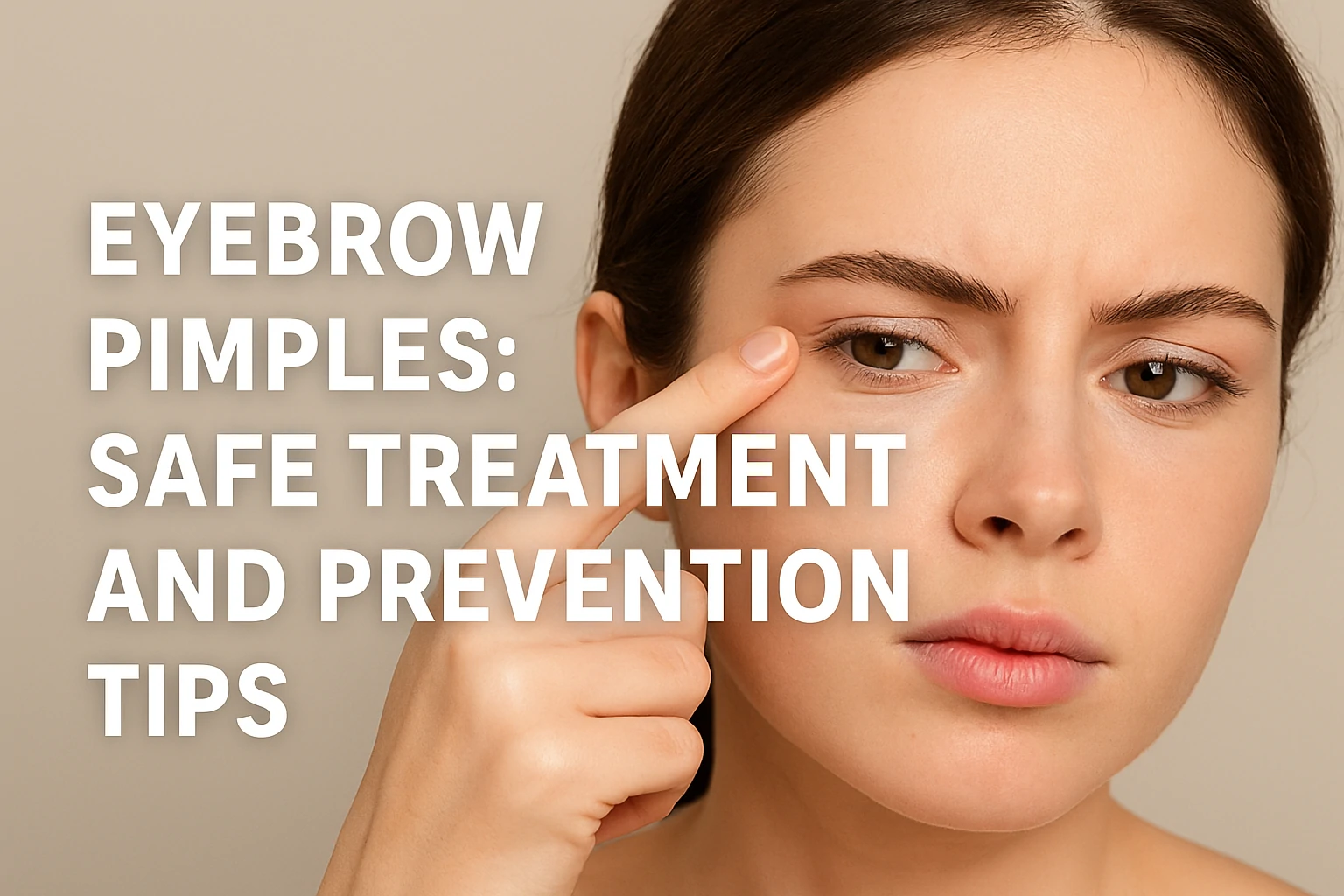
Eyebrows shape your face and highlight your expressions, making them a key focus in daily grooming. However, common practices like plucking, threading, or waxing can irritate the skin and trigger eyebrow pimples. Even simple actions, such as touching your face, rubbing the area with tools, or leaving makeup residue, may clog pores and cause small, inflamed bumps.
Dermatologists note that anyone can develop pimples around the eyebrows, regardless of skin type. Factors like ingrown hairs or improper post-care hygiene often worsen the problem. The good news? These bumps can be treated safely with simple, careful steps. Understanding the root cause is essential. By addressing irritation and bacteria buildup without harming the delicate skin, you can keep your brows clear and healthy while minimizing future breakouts.
What Causes Eyebrow Pimples?
Eyebrow pimples, like facial acne, happen when hair follicles or pores are clogged with excess oil, dirt, makeup, or bacteria. Medically, this is called folliculitis—an inflammation that creates small, acne-like bumps.
Daily habits are often triggers. Using unclean tools or heavy cosmetic products can worsen the condition. Common causes include:
- Hair removal irritation: Plucking, waxing, or threading can inflame follicles and invite bacterial growth. Ingrown hairs are a frequent issue. Ensure all tools are clean and sanitized.
- Occlusive brow products: Brow gels or oil-based creams can block pores. Ingredients like petroleum, dimethicone, and VA/VP copolymers may contribute to breakouts.[1Sutaria AH, Masood S, Saleh HM, Schlessinger J. Acne vulgaris. In: StatPearls. StatPearls Publishing; 2024.]
To prevent eyebrow pimples, choose non-comedogenic products and maintain strict tool hygiene.
How to Prevent Eyebrow Pimples
Preventing eyebrow pimples relies on clean skin and careful product use:
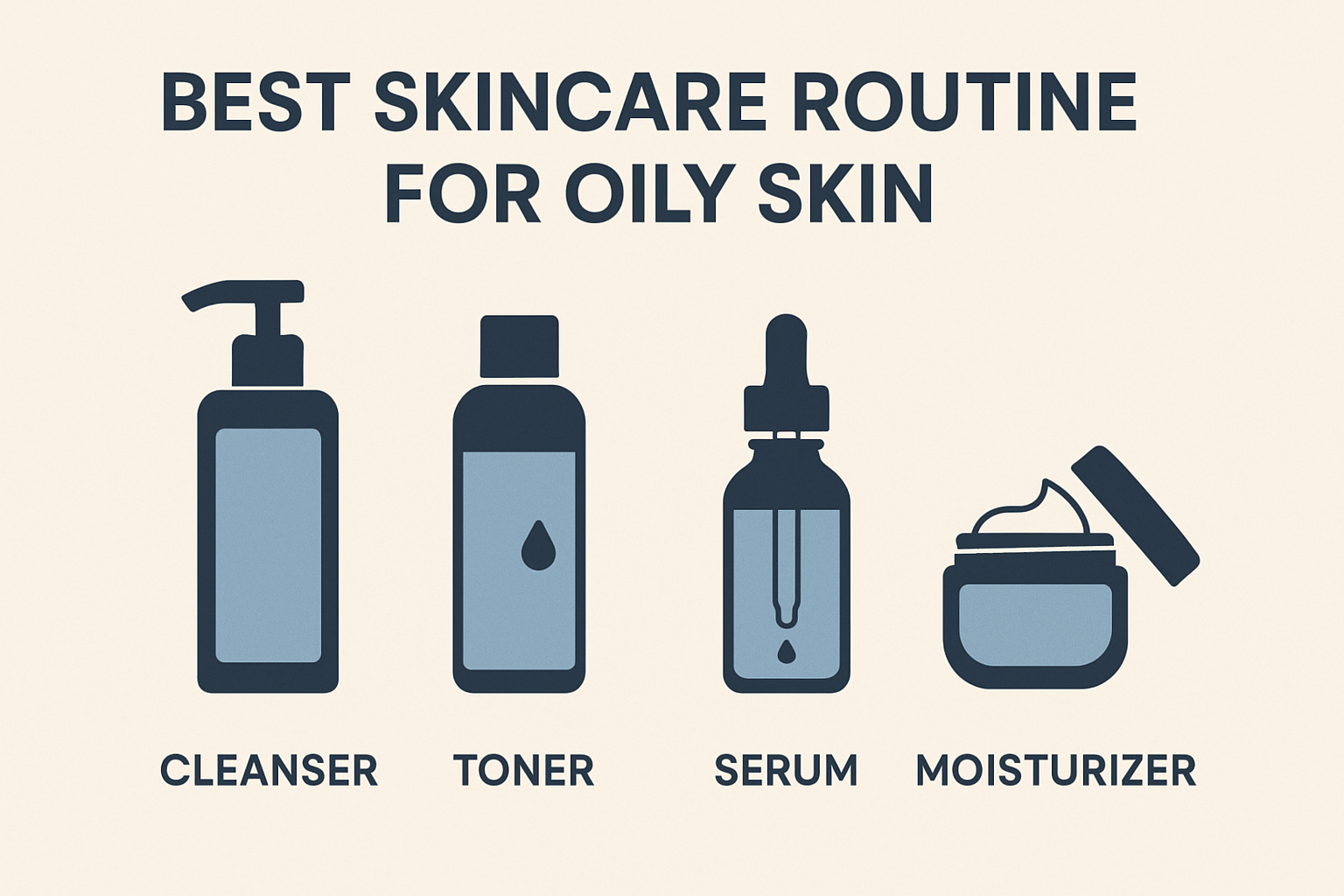
- Cleanse regularly: Wash your face nightly and avoid heavy, pore-clogging makeup or skincare.
- Apply products carefully: Keep makeup or skincare away from the eyebrow line. Use a clean spoolie or micellar water to remove residual product.
- Prep before grooming: Clean the area with warm water and gently exfoliate to remove dead skin. Skip exfoliation before waxing to avoid irritation.
- Maintain tool hygiene: Brushes and grooming tools should be cleaned every few weeks to prevent bacteria buildup.
By combining clean habits, proper products, and sanitized tools, you significantly reduce the chance of eyebrow pimples while keeping brows healthy.
How to Treat Eyebrow Pimples
Treating eyebrow pimples is simple and effective with gentle care:
- Cleanse and tone: Wash the area with a mild cleanser, then apply a soothing toner, like witch hazel. This balances skin and prepares it for further treatment.
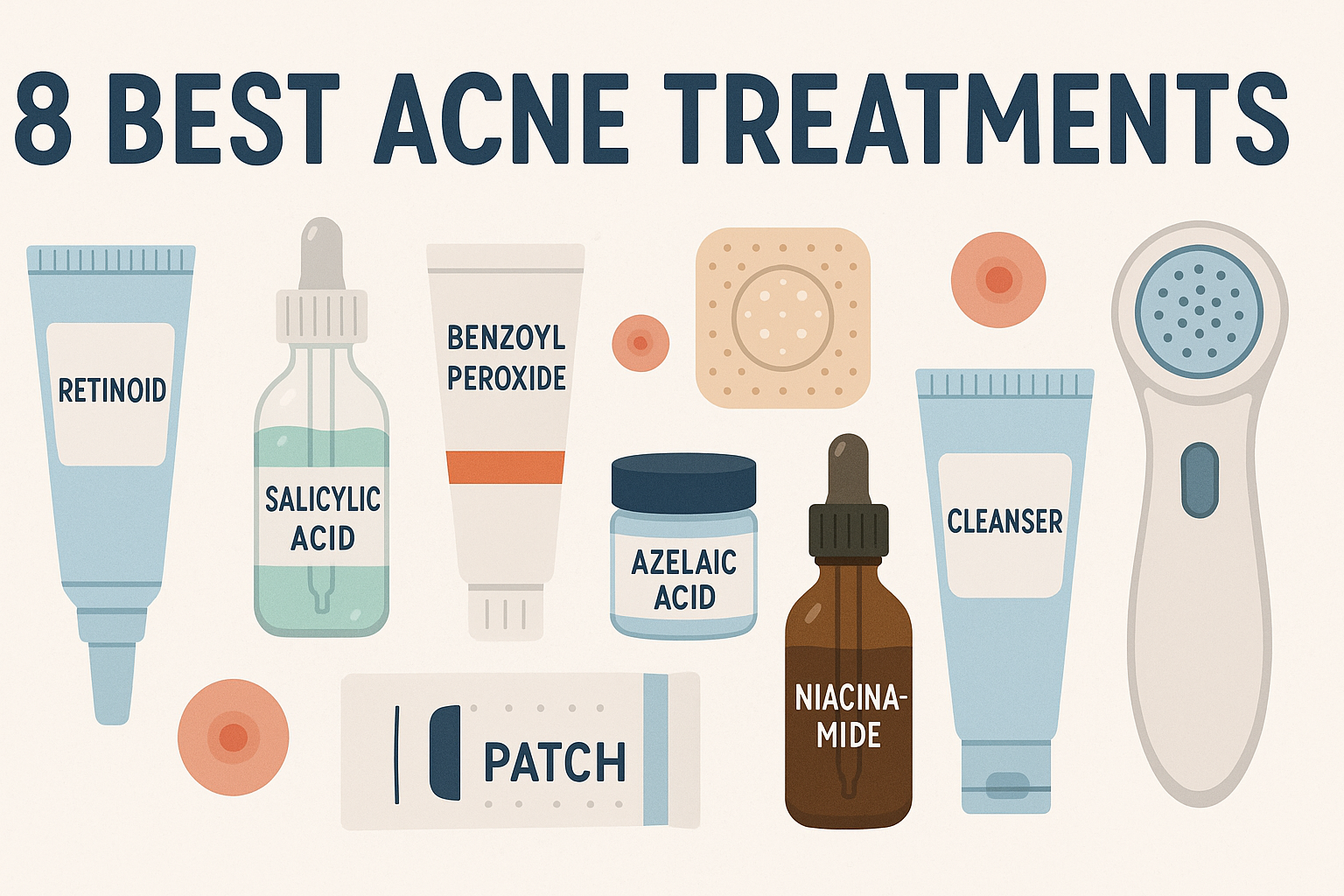
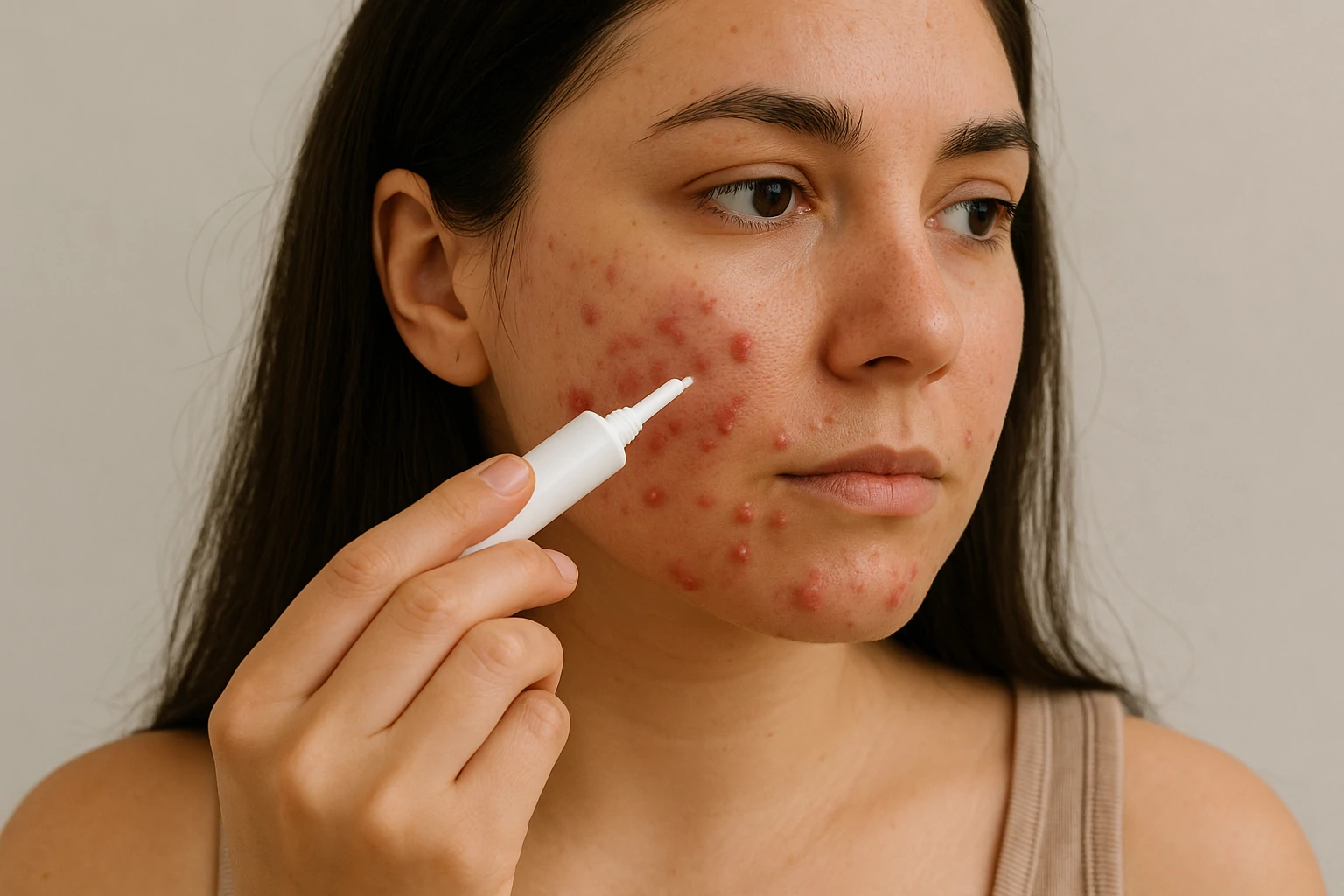
- Spot treatment: Use acne-fighting ingredients like benzoyl peroxide or protective acne patches to reduce inflammation and prevent picking.
- Gentle chemical exfoliation: Light exfoliants such as azelaic acid or salicylic acid help unclog pores, reduce breakouts, and prevent new ones.
Following this routine—cleansing, targeted treatment, and gentle exfoliation—can clear eyebrow pimples without over-irritating the skin, leaving your brows smooth, healthy, and well-groomed.
Which Brow Products Are Safe to Use?
Choosing the right brow products is essential to prevent eyebrow pimples. Even skin-friendly brow gels can clog pores if overused. Experts recommend pencils or powders, which shape and define brows without heavy occlusive ingredients often found in gels.
For those with acne-resistant skin, brow gels are generally safe, but patch testing is advised. Testing on a small area helps ensure the product won’t irritate or trigger breakouts before full application.
Pay attention to ingredients: petroleum, heavy silicones, or VA/VP copolymers can block pores and increase acne risk. Opt for lightweight, non-comedogenic formulas, and apply only as needed.
Balancing aesthetics and skin health is key. With careful product selection, you can maintain well-defined, neat brows while keeping the skin around them clear and healthy.
When to See a Doctor
Eyebrow pimples often improve within two weeks with proper home care, including gentle cleansing, spot treatments, and avoiding pore-clogging products.
However, if pimples persist or frequently recur, consulting a dermatologist is recommended. Persistent breakouts may indicate underlying factors such as hormonal changes, diet, stress, or internal health issues affecting the skin.
A dermatologist can provide a thorough assessment and tailored treatment, including topical medications, gentle therapies, or lifestyle guidance. Ignoring stubborn eyebrow pimples can lead to chronic inflammation, irritation, or permanent scarring.
Knowing when to seek professional help ensures your eyebrows stay clear, healthy, and free from persistent irritation.
How Helmets, Face Masks, and Glasses Affect Eyebrow Acne
Mechanical factors like friction or pressure from helmets, face masks, and glasses can cause eyebrow pimples. Medically, this is called acne mechanica—breakouts triggered by friction, heat, and trapped moisture.
- Helmets: Straps or padding press on eyebrows, trapping sweat and promoting bacterial growth.
- Face masks: Tight masks hold oil and sweat, increasing breakouts along the brow line or forehead. Synthetic fabrics may irritate more than cotton.
- Glasses: Frame pressure above the brows creates repetitive friction, inflaming hair follicles.
Prevention includes using properly fitting helmets and masks, cleaning tools regularly, and maintaining skin hygiene before and after use. Lightweight, non-comedogenic products also help keep the brow area clear and healthy.
The Link Between Diet, Hormones & Eyebrow Acne
Eyebrow pimples aren’t always caused by external factors like makeup or grooming tools. Hormonal changes and diet often play a key role in acne formation, including on the brow area.
- Hormones: Stress, menstruation, or puberty can increase sebum production, clogging pores around the eyebrows and triggering pimples.
- Diet: High-sugar or processed foods may promote inflammation and skin sensitivity to acne-causing bacteria. Foods rich in antioxidants, vitamins A & C, and omega-3 help maintain healthy skin and reduce breakouts.
- Lifestyle: Adequate sleep, proper hydration, and stress management support hormonal balance and skin health.
Understanding how hormones and diet influence eyebrow acne makes treatments more effective. Combining topical care with a balanced diet and healthy lifestyle provides a preventative strategy, helping your brows stay clear and the skin around them healthy.
Quick Makeup Tips to Cover Eyebrow Pimples Without Causing Breakouts
Covering eyebrow pimples with makeup is possible if you choose the right products and techniques. Dermatologists emphasize non-comedogenic formulas and gentle application to prevent irritation and new breakouts.
- Lightweight concealer: Use a thin layer of concealer that matches your skin tone. Apply with a clean brush to avoid pressing too hard.
- Powder or pencil brows: Opt for powders or pencils over occlusive gels. They shape brows safely without clogging pores.
- Avoid heavy layers: Too much product can block pores. Apply sparingly, blend gently, and ensure skin is clean before makeup.
- Thorough removal: Always remove makeup before bed to keep follicles clear and allow skin to breathe.
This approach keeps eyebrows looking neat while protecting acne-prone skin from worsening.
The Final Takeaway
Eyebrow pimples are a common concern but can be managed effectively with the right combination of care, hygiene, and lifestyle habits. Understanding the causes—from clogged pores, heavy brow products, and mechanical friction to hormonal changes and diet—helps you prevent and treat breakouts safely.
Preventive steps like gentle cleansing, using non-comedogenic makeup and brow products, maintaining tool hygiene, and managing stress or diet can significantly reduce the risk of eyebrow acne. For existing pimples, targeted treatments such as spot care, light chemical exfoliation, and careful makeup application allow you to keep your brows clear without irritating the skin.
When home care isn’t enough or breakouts persist, consulting a dermatologist ensures proper treatment and prevents long-term scarring. By combining consistent skincare, smart product choices, and healthy habits, you can maintain well-defined, clean, and healthy eyebrows while minimizing future acne.
ARTICLE SOURCES
You might also like


 Acne
Acne Anti-Aging
 Business
 Digital Marketing
 Economics
 Exfoliation
 Hair Removal
 Movies
 Personal Finance
 Websites