Face Laser Hair Removal: 11 Vital Tips for Safe, Smooth Results

Facial hair removal is no longer limited to temporary methods like waxing or threading. For those seeking longer-lasting results with minimal upkeep, laser hair removal has become a clinically proven solution trusted worldwide.
That said, safety must always come first. Facial skin is delicate and highly reactive, which makes proper technique and expertise non-negotiable. Incorrect laser settings or unqualified handling can increase the risk of thermal side effects such as post-inflammatory hyperpigmentation or scarring.
The good news? When performed correctly, face laser hair removal is both safe and effective. Based on insights from board-certified dermatology experts, here are the most important factors to understand before starting treatment.
- Choosing the Right Laser Technology: Laser selection should always match your Fitzpatrick skin type. This ensures optimal energy absorption by the hair follicle while protecting surrounding skin.
- Practitioner Credentials Matter: Only licensed, experienced professionals should perform facial laser treatments to minimize complications and ensure precise energy control.
- Proper Pre-Treatment Preparation: Simple medical-grade preparation steps help improve laser accuracy and enhance treatment outcomes by targeting hair follicles more effectively.
Understanding these essentials helps you achieve smoother, clearer skin with confidence and long-term safety.
1. Make Sure Laser Hair Removal Is Right for You
Before committing to face laser hair removal, a thorough medical consultation is essential. While the procedure is widely used, its safety and effectiveness depend on individual factors such as skin condition, hormonal balance, and recent sun exposure.
Dermatologist Dr. Azadeh Shirazi stresses the importance of full medical transparency. Active skin issues like eczema, inflamed acne, or recently tanned skin can significantly increase the risk of thermal injury. Certain treatments, including systemic gold therapy, and the presence of tattoos in the treatment area also require extra caution due to potential pigment changes.
Technology selection plays a key role as well. According to Dr. Shari Sperling of Sperling Dermatology:
- Darker Skin Tones: Require specific wavelengths, such as Nd:YAG lasers, to protect melanocytes and reduce pigmentation risks.
- Hair Color Matters: Laser hair removal targets melanin, making blonde, white, or gray hair less responsive to treatment.
Understanding these medical limitations helps ensure safe, effective results without compromising skin health.
2. Avoid the Sun Before Laser Hair Removal
Sun exposure directly affects how laser energy interacts with skin melanin. While you don’t need to completely avoid sunlight, treating skin that is sunburned or heavily pigmented significantly increases the risk of unwanted side effects during laser hair removal.
Procedure safety relies on stable melanocyte activity. According to Karavolas, laser treatments can still be performed on tanned skin—as long as the tan developed at least two weeks prior. This waiting period allows inflammation to fully subside, ensuring laser energy targets the hair follicle rather than the skin’s surface.
Key Sun-Safety Guidelines
- Pigment Stability: Wait a minimum of 14 days after sun exposure to reduce thermal sensitivity.
- Adaptive Laser Technology: Modern laser systems can safely treat varying skin tones when used correctly.
- Healthy Skin Barrier: Avoid treatment if redness, peeling, or irritation from sun exposure is still present.
These preventive steps help protect your skin, reduce complication risks, and support smoother, more predictable results.
3. Avoid Self-Tanner Before Laser Hair Removal
If you regularly use self-tanner or spray tan products, it’s important to pause their use before laser hair removal. While these products create an instant bronzed look, chemical residues left on the skin can interfere with laser accuracy and safety.
Laser hair removal works by detecting contrast between hair melanin and natural skin pigment. According to Karavolas, laser energy is naturally drawn to pigment. When artificial tanning agents remain on the skin, the laser may mistakenly target those pigments instead of the hair follicle. This can increase the risk of unwanted thermal reactions, including uneven pigmentation or temporary discoloration.
Why Skipping Self-Tanner Matters
- Remove All Residue: Skin should be completely free of artificial tanning products before treatment.
- Clear Pigment Detection: Clean skin allows the laser to precisely target hair follicles without pigment interference.
- Protect Skin Integrity: Avoiding self-tanner reduces the risk of irritation, burns, or pigment disruption caused by misdirected laser energy.
Preparing your skin properly helps ensure safer treatment and more consistent, natural-looking results.
4. You Can Treat the Entire Face with Laser Hair Removal
Technically, laser hair removal can be performed on nearly all areas of the face where hair grows. However, treatment success depends heavily on hair structure—specifically the difference between coarse terminal hair and fine facial hair, often called peach fuzz (vellus hair).
Vellus hair contains less melanin, making it harder for laser energy to detect and absorb compared to darker, thicker hair. Clinically, lasers perform best when there is strong pigment contrast. That said, recent advancements in laser technology now allow certain devices to treat lighter, finer hair more effectively than before.
What to Consider for Full-Face Treatment
- Hair Type Assessment: A consultation helps determine whether your facial hair is vellus or terminal, setting realistic expectations.
- Technology Compatibility: Choose a clinic equipped with laser wavelengths designed to detect low-pigment hair.
- Customized Settings: Different facial zones may require tailored energy levels for both safety and optimal results.
With the right technology and expert guidance, full-face laser treatment can be both safe and effective.
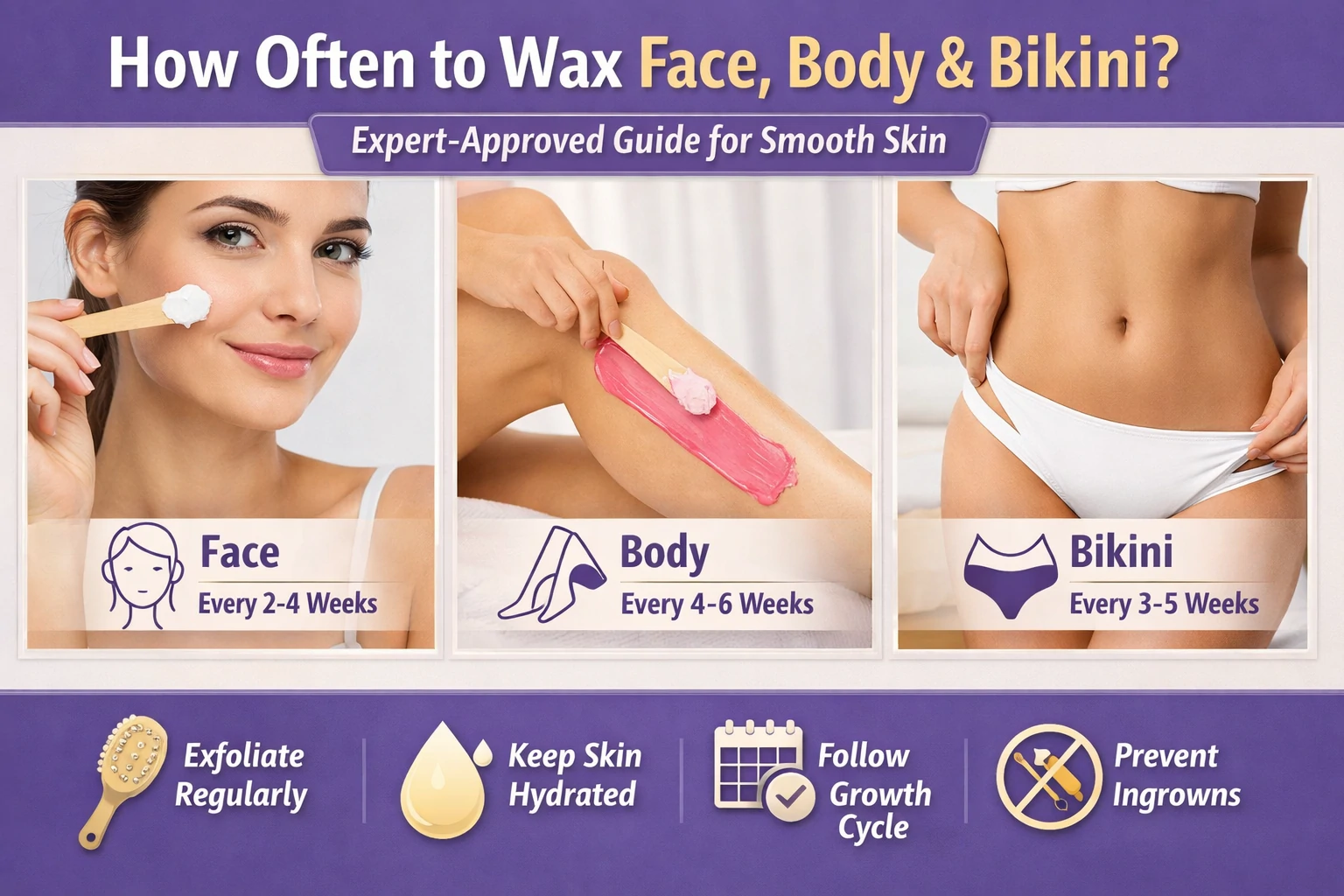
5. Why Shaving Before Laser Hair Removal Is Essential
Shaving your face before laser hair removal may seem counterintuitive, but it’s a critical medical protocol. Hair left above the skin can absorb laser energy too early, increasing the risk of surface burns and unnecessary irritation.
Dr. Azadeh Shirazi recommends shaving the treatment area about 24 hours before your session. This timing ensures the skin is clean while keeping the hair follicle intact beneath the surface. Equally important, patients should avoid hair-removal methods that pull hair from the root—such as waxing, threading, or tweezing—for at least six weeks prior to treatment.
The Clinical Reason Behind Shaving
- Targeting the Follicle: Laser hair removal works by directing energy into the hair root. Without a follicle, the laser has nothing to disable.
- Protecting the Skin: Shaving removes surface hair so laser energy bypasses the epidermis safely.
- Maximizing Results: Intact follicles allow each laser pulse to effectively disrupt future hair growth.
Following this step precisely improves safety, comfort, and long-term treatment success.
6. Expect Some Mild Pain and Discomfort
Being honest, laser hair removal does involve some physical sensation. While the word “laser” can sound intimidating, most patients find the discomfort far more manageable than expected.
Dr. Azadeh Shirazi explains that the feeling is commonly described as a quick pinch or light snap against the skin. Sensation levels vary depending on the facial area and hair density. Coarse, dark, and thick hair tends to absorb more laser energy, which can create a stronger sensation. Many patients compare it to the snap of a thin rubber band.
How Discomfort Is Managed
- Topical Numbing Creams: Applied before treatment to reduce surface sensitivity.
- Built-In Cooling Systems: Cold air or cooled laser tips help neutralize heat during each pulse.
- Adjustable Energy Settings: Skilled practitioners can modify laser intensity to balance comfort and effectiveness.
With modern technology and expert care, discomfort is brief, controlled, and well within a tolerable range for most people.
7. The Pain Lessens With Each Laser Hair Removal Session
One reassuring aspect of laser hair removal is that discomfort typically decreases as treatments progress. Psychologically, patients feel more relaxed once they know what to expect, which naturally improves pain tolerance over time.
Clinically, reduced sensation is closely linked to fewer active hair follicles being treated. Several factors explain this change:
- Fewer Active Follicles: With each session, hair regrowth becomes finer and less dense. Less melanin means lower laser energy absorption, resulting in milder sensations.
- Skin Adaptation: The skin gradually adjusts to controlled thermal stimulation, making treatments feel easier over time.
- Optimized Energy Use: Although practitioners may increase laser intensity to reach deeper follicles, overall discomfort often feels lighter due to reduced hair density.
Understanding this progression helps set realistic expectations and keeps patients confident throughout their treatment plan. With consistency and proper technique, each session becomes more comfortable while moving you closer to smooth, long-term results.
8. Why Consistent Laser Hair Removal Sessions Matter
Seeing early hair reduction can feel encouraging, but it’s important to be honest—two or three sessions are not enough to stop hair growth completely. Consistency and strict adherence to your treatment schedule are essential for long-term, reliable results.
Scientifically, laser hair removal targets follicles in the active growth phase. Since not all facial hair grows at the same time, multiple sessions are required to treat each follicle effectively. Dr. Azadeh Shirazi explains that lasers achieve permanent hair reduction by gradually damaging follicles. While results can last for years, occasional maintenance sessions may still be needed.
Medical Reasons to Stay on Schedule
- Hair Growth Cycles: Lasers are only effective during the anagen phase. Missing sessions means missing the optimal treatment window.
- Gradual Follicle Destruction: Each session permanently disables a portion of follicles; consistency allows this effect to accumulate.
- Dormant Follicles: The body has dormant follicles that can reactivate over time, making continued treatments important for lasting smoothness.
Staying committed ensures safer, smoother, and more predictable outcomes.
9. You Might Experience Temporary Breakouts
If you have oily or acne-prone skin, it’s important to know that laser hair removal can occasionally trigger mild breakouts shortly after treatment. According to Karavolas, the heat generated by laser energy may temporarily stimulate sebaceous glands in the treated area. The good news? This reaction is usually short-lived, and skin texture often improves as treatments continue.
Dr. Azadeh Shirazi shares practical medical guidance to help minimize post-treatment breakouts:
How to Reduce Breakout Risk
- Pre-Treatment Skin Prep: Use gentle chemical exfoliants up to two weeks before your session to support cell turnover and keep pores clear.
- Post-Treatment Care: Over-the-counter hydrocortisone cream can help calm inflammation, redness, and irritation.
- Long-Term Skin Balance: As hair follicles become less dense, the skin’s microbiome tends to stabilize, which may actually support better acne control over time.
These temporary flare-ups are usually part of the adjustment phase. With proper skincare and professional guidance, laser hair removal can contribute to smoother skin and healthier long-term results.
10. Avoid Active Skincare Ingredients During Treatment
To protect your skin barrier, it’s important to reassess your skincare routine while undergoing facial laser hair removal. Facial skin typically requires more frequent sessions than other body areas, leaving less recovery time between treatments.
For safety, dermatology professionals recommend temporarily avoiding high-strength active ingredients. Physical scrubs, retinoids (vitamin A), and strong exfoliating acids can make skin more sensitive. When combined with laser heat, these ingredients may increase the risk of irritation, inflammation, or delayed healing.
Skincare Guidelines During Laser Treatments
- Pause Active Ingredients: Stop using retinoids and strong acids for several days before and after each laser session.
- Avoid Overlapping Procedures: Delay other in-clinic treatments, such as chemical peels or Hydrafacial sessions, to prevent excess skin stress.
- Prioritize Hydration: Focus on soothing, barrier-supporting moisturizers to aid natural skin recovery.
A simplified, gentle skincare routine helps your skin tolerate laser treatments better and supports smoother, healthier results throughout the entire process.
11. Consistent Sunscreen Use Is Non-Negotiable
Sunscreen is a core part of any skincare routine, but it becomes especially critical during laser hair removal. Medically speaking, laser treatments make the skin more photosensitive, lowering its tolerance to UV exposure. Without proper protection, the risk of irritation, post-inflammatory hyperpigmentation, and even burns increases significantly.
Dr. Azadeh Shirazi strongly recommends using a broad-spectrum sunscreen with at least SPF 30 throughout the entire treatment cycle. This isn’t just a beauty habit—it’s a medical safeguard that allows the skin to heal properly while maintaining treatment results.
Essential Sun Protection Rules
- Daily Application: Apply sunscreen every morning and reapply regularly, especially if you’re outdoors.
- Gentle Formulas: Choose sunscreens designed for sensitive skin to avoid reactions on laser-treated areas.
- Preventing Pigmentation Issues: Strict UV protection helps prevent dark spots that could interfere with future laser sessions.
Consistent sunscreen use protects your skin barrier, preserves even tone, and supports safer, more effective laser hair removal outcomes.
Cost vs. Value: Is Laser Hair Removal Worth the Investment?
At first glance, laser hair removal can feel like a significant upfront expense. However, when viewed through a long-term cost perspective, it’s often far more economical than traditional hair removal methods. The cumulative cost of razors, depilatory creams, and routine waxing sessions over the years frequently exceeds the price of a professional laser treatment package.
Dr. Azadeh Shirazi explains that the true value goes beyond money alone. Laser hair removal saves time, reduces daily maintenance, and improves overall skin quality by permanently disabling hair follicles. This also lowers the risk of chronic irritation, razor bumps, and cuts associated with shaving.
Long-Term Benefits to Consider
- Cost Efficiency: Eliminates recurring monthly spending on temporary hair removal solutions.
- Improved Skin Texture: Helps prevent ingrown hairs and uneven skin caused by repeated shaving or waxing.
- Time Freedom: Significantly reduces daily or weekly grooming routines.
When evaluated honestly, laser hair removal is not just a cosmetic expense—it’s a strategic investment in skin health, convenience, and long-term value.
Hormonal Factors: Why PCOS Matters in Laser Hair Removal
Hormones play a major role in laser hair removal outcomes—especially for individuals with Polycystic Ovary Syndrome (PCOS). Medically, PCOS is linked to elevated androgen levels, which can trigger excessive facial hair growth (hirsutism). Despite this, laser hair removal remains a highly recommended option for managing unwanted hair in a controlled, clinical way.
Dr. Shari Sperling explains that while laser technology is effective at reducing active hair follicles, patients with hormonal imbalances often need a more customized approach. Honest expectations are essential. Laser treatment can significantly slow growth and reduce density, but it usually requires more sessions compared to patients without hormonal factors.
What PCOS Patients Should Know
- Realistic Expectations: The goal is long-term hair reduction and slower regrowth, not instant permanence.
- Medical Synergy: Combining laser treatments with hormonal management under a physician’s care often delivers better results.
- Ongoing Maintenance: Touch-up sessions may be needed more frequently due to hormonal fluctuations.
Understanding the hormonal influence allows for a smarter, more personalized treatment plan—and better long-term satisfaction.
Home Devices vs. Professional Laser: Understanding the Safety Gap
At-home IPL (Intense Pulsed Light) devices have gained popularity thanks to convenience and lower upfront costs. However, from a clinical standpoint, there is a clear gap in both safety and effectiveness when compared to professional laser hair removal.
Dr. Shari Sperling explains that home devices use significantly lower energy levels to reduce user risk. While this makes them safer for unsupervised use, it also means results are often less noticeable and far from permanent. On delicate facial skin, improper use can still lead to burns or post-inflammatory hyperpigmentation.
Professional laser treatments, on the other hand, are medically calibrated based on your Fitzpatrick skin type and hair characteristics, ensuring precision and control throughout the session.
Key Differences That Matter
- Technology Precision: Clinical lasers use a single, targeted wavelength, while home devices emit broad-spectrum light with less accuracy.
- Customized Settings: Licensed practitioners adjust energy levels in real time based on skin response.
- Advanced Safety Systems: Medical-grade cooling systems help protect surrounding tissue from thermal damage.
When facial safety and long-term results matter, professional laser treatment remains the gold standard.
Post-Treatment Aftercare: The First 48 Hours Matter Most
The first 48 hours after laser hair removal are the most critical for facial skin recovery. During this time, your skin is temporarily more sensitive due to thermal energy delivered to the hair follicles. How you care for your skin in this window directly affects comfort, healing speed, and final results.
Dr. Azadeh Shirazi emphasizes temperature control as a top priority. Excess heat or friction can prolong redness and increase the risk of folliculitis or irritation. Following aftercare instructions honestly and consistently helps the skin recover smoothly.
Essential Aftercare Guidelines
- Avoid Heat Exposure: Skip saunas, hot showers, and intense workouts that cause heavy sweating.
- Keep Skincare Minimal: Use a gentle cleanser only and avoid heavy makeup or pore-clogging products.
- Soothe with Cool Compresses: If skin feels warm or sensitive, apply a clean, cold compress to calm inflammation.
These simple but disciplined steps support natural skin regeneration and help prevent unnecessary post-treatment complications.
Final Thoughts
Facial laser hair removal is a safe and effective aesthetic investment when guided by proper medical principles. Success depends not only on advanced laser technology, but also on honest medical disclosure, consistent session scheduling, and disciplined post-treatment care.
Every individual has unique skin types and hormonal influences, and acknowledging these factors is key to achieving optimal results. With expert guidance from board-certified dermatologists like Dr. Azadeh Shirazi and Dr. Shari Sperling, risks such as irritation or pigmentation issues can be minimized, while long-term outcomes remain more cost-effective than traditional hair removal methods.
Sun protection and avoiding harsh active ingredients are essential to preserving skin integrity throughout the treatment process. With patience, consistency, and professional care, smooth, hair-free, and healthy facial skin is an achievable and sustainable result.
You might also like


 Acne
Acne Anti-Aging
 Business
 Digital Marketing
 Economics
 Exfoliation
 Hair Removal
 Movies
 Personal Finance
 Websites