10 DIY Face Mask Recipes to Balance Oily Skin, Easy and Effective!
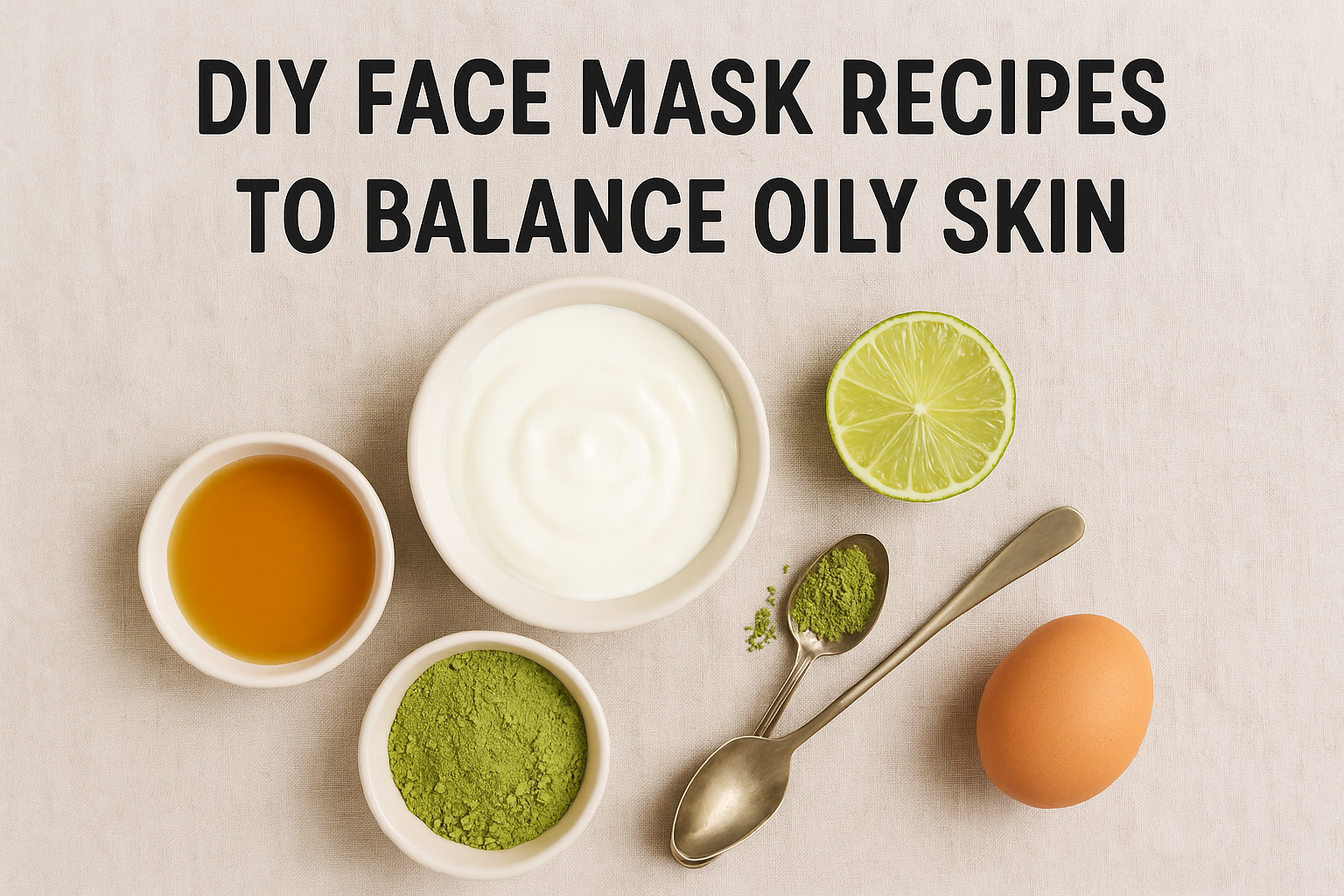
If you have oily skin, don’t worry — you’re not alone. Many people face the same issue, where their skin starts to look shiny just a few hours after completing their morning skincare routine. This happens because of excess sebum production — the natural oil produced by the sebaceous glands beneath the skin’s surface. While sebum plays an important role in protecting and moisturizing the skin, too much of it can clog pores and trigger breakouts. If you’re looking for a natural solution, there are plenty of face mask recipes that can help control excess oil and care for oily skin effectively.
The good news is, this method is simple and budget-friendly. One of the easiest ways to balance your skin is by using natural face masks that you can make at home. These masks not only help absorb excess oil but also nourish your skin, cleanse your pores, and leave your face feeling fresh and healthy.
So, let’s explore 10 easy DIY face mask recipes, specially designed for oily skin. They’re practical, safe, and most of the ingredients are easy to find right in your kitchen!
The Best DIY Face Mask Ingredients for Oily Skin
According to experts, the production of natural oils — or sebum — actually plays an important role in maintaining healthy skin. As Gallo explains, sebum helps protect and moisturise the skin while forming a protective barrier that strengthens the skin’s natural defences against environmental exposure, pollution, and bacteria. So, even though it can sometimes feel bothersome, sebum is an essential part of your skin’s natural process for staying healthy.
When caring for oily skin, one helpful step is using homemade (DIY) face masks. The key, however, is choosing the right ingredients — ones that can help control excess oil without stripping the skin of its natural moisture. Oily skin care isn’t about removing all the oil, but about balancing sebum production so your skin stays healthy, hydrated, and less prone to irritation.
Some of the most recommended natural ingredients include aloe vera and cucumber, both known for their soothing and hydrating properties. Honey is also an excellent choice, as it’s moisturising, antibacterial, and helps prevent breakouts. Lemon can be another useful addition, as its vitamin C content helps brighten the skin and tighten pores.
By combining these ingredients properly and adjusting them to suit your skin’s needs, DIY face masks can offer a simple yet effective way to care for oily skin — as long as you use them regularly and apply them gently.
How to Make an Aloe Vera Face Mask for Oily Skin
Why is this mask so effective? Because these ingredients are known as skin saviours, thanks to their antimicrobial properties that help fight acne-causing bacteria. Aloe vera gel also helps regulate oil production on the skin. When combined with cucumber — which is rich in vitamins A and E — your skin will feel calmer, fresher, and well-hydrated.
The lactic acid in plain yoghurt acts as a natural exfoliator, helping to remove dead skin cells and clear clogged pores. Meanwhile, honey works as both a moisturiser and an antibacterial agent, leaving your skin clean without drying it out.
Ingredients:
- 1 aloe vera leaf or store-bought aloe vera gel
- A few slices of cucumber
- 1 tablespoon honey
- 1 tablespoon plain yoghurt
How to Make:
- Scoop out the gel from the aloe vera leaf, or use ready-to-use aloe vera gel.
- Blend the aloe vera gel and cucumber slices until smooth.
- Add honey and yoghurt, and mix well.
- Apply the mask to clean skin and leave it on for about 15 minutes.
- Rinse thoroughly with warm water and pat your face dry with a soft towel.
Usage Tip: Use this mask 2–3 times a week for the best results. If your skin is extremely oily, you can try a simpler version: just mix honey and aloe vera, apply it for 15 minutes, then rinse off.
Cucumber & Egg White Mask: A Natural Solution for Oily Skin
Cucumber is well-known as a natural, soothing ingredient that provides an instant cooling effect. Its high water content helps hydrate the skin, while its astringent properties can tighten pores and reduce excess oil.
Egg white plays an important role in firming the skin, making it feel smoother and more elastic thanks to its vitamin A content, which supports skin rejuvenation.
Lemon juice, rich in citric acid, acts as a natural toner that balances the skin’s pH, removes excess oil, and helps brighten the complexion. Combined with fresh mint leaves, this mask delivers a calming, spa-like sensation that leaves your skin feeling refreshed.
Ingredients:
- ½ cucumber
- 1 egg white
- 1 teaspoon lemon juice
- 1 teaspoon fresh mint leaves, finely chopped
How to Make:
- Wash the cucumber thoroughly, then blend it together with the egg white, lemon juice, and chopped mint until smooth.
- Apply the mask to a clean face, avoiding the eye area.
- Leave it on for 20 minutes while you relax.
- Rinse with warm water, then follow with cold water to help refresh and tighten the pores.
Usage Tip: Use this mask once a week. If your skin responds well, you can use it up to three times a week. For an extra refreshing effect, chill the mask in the fridge before applying. Your skin will feel tighter, fresher, and shine-free!
Apple & Honey Mask: A Natural Secret for Oil-Free Skin
Apples are rich in Alpha Hydroxy Acids (AHAs), including glycolic acid, which help remove dead skin cells and unclog pores — two major causes of dull and oily skin. These natural AHAs support skin cell regeneration, leaving your face looking brighter and smoother.
Honey, on the other hand, is a well-known natural ingredient with antibacterial and moisturizing properties. It helps balance the skin’s moisture while fighting acne-causing bacteria, so your skin stays hydrated and oil-free.
Ingredients:
- ½ medium apple (seeds removed)
- 1 tablespoon raw honey (preferably organic)
How to Make:
- Blend or grate the apple until it forms a smooth pulp.
- Add one tablespoon of honey and mix well.
- Apply the mask to a clean face, avoiding the eye area.
- Leave it on until it dries completely, about 10–15 minutes.
- Rinse with warm water and gently pat your face dry.
Usage Tip: Start by using this mask once a week. If your skin responds well, you can increase it to 2–3 times per week. For a refreshing variation, try replacing the honey with plain Greek yoghurt and a splash of lemon juice for a brighter, more revitalized complexion.
Oatmeal & Honey Mask: A Gentle Solution for Oily and Acne-Prone Skin
According to Dr. Troy Pittman, oatmeal is a powerful natural ingredient with multiple benefits. It helps absorb excess oil that can clog pores — a major cause of acne. Oatmeal also has anti-inflammatory and antioxidant properties that soothe irritated skin while gently removing dead skin cells.
In this blend, honey acts as a natural antibacterial and moisturiser, helping clear acne-causing bacteria without drying or tightening the skin.
Ingredients:
- ½ to 1 cup oatmeal
- Warm water (as needed)
- 1 tablespoon honey
How to Make:
- Mix the oatmeal with warm water until it forms a soft, paste-like texture.
- Add one tablespoon of honey and stir until well combined.
- Apply the mask to a clean face and gently massage in circular motions for about 3 minutes.
- Rinse thoroughly with warm water and pat your face dry with a soft towel.
Usage Tip: Use this mask every other day when breakouts appear or when your skin feels extra oily. Once your skin improves, you can reduce the frequency as needed. The result? Smoother, fresher, shine-free skin — with no irritation!
Honey Mask: A Simple Yet Effective Treatment for Oily Skin
Honey is known as a gentle natural ingredient suitable for all skin types — especially oily and acne-prone skin. According to Dr. Troy Pittman, honey naturally moisturises the skin without leaving it sticky or greasy.
It also has antibacterial and antiseptic properties that help cleanse pores of acne-causing bacteria. Plus, its antioxidant content protects the skin from damage caused by free radicals while nourishing it for a healthier, brighter look.
Interestingly, honey also helps balance the skin’s pH level, which can reduce oil production without causing dryness.
Ingredients:
- Pure honey (preferably organic)
How to Use:
- Cleanse your face and make sure it’s dry.
- Apply a thin layer of honey evenly over your face, avoiding the eye and lip areas.
- Leave the mask on for 10–15 minutes.
- Rinse off with warm water and gently pat your skin dry with a clean towel.
Usage Tip: Since honey is very gentle, this mask is safe to use daily — morning or night. You can make it part of your daily skincare routine or use it as needed when your skin feels oily or irritated.
Baking Soda Mask: A Simple Way to Control Oil and Clean Pores
According to clinical aesthetician Kimberly Gallo, baking soda has anti-inflammatory and antibacterial properties that can help calm oily skin and prevent breakouts. It also works as a gentle natural exfoliator, helping to remove dead skin cells that clog pores, absorb excess oil, and lift dirt from the skin’s surface.
While effective, baking soda should be used carefully to avoid irritation or over-drying the skin.
Ingredients:
- 1 tablespoon baking soda
- 2–3 tablespoons water
How to Make:
- Mix baking soda and water to form a smooth paste. Adjust the consistency so it’s easy to apply — not too runny or too thick.
- Apply a thin layer to clean skin, avoiding the eyes and lips.
- Leave it on for just a few minutes (start with 2–3 minutes if it’s your first time).
- Rinse with warm water and gently pat your face dry with a soft towel.
Usage Tip: Because baking soda can dry out the skin, use this mask no more than 3 times a week, with a rest day in between applications.
If your skin feels tight or dry afterward, follow up with a lightweight moisturiser. On non-mask days, let your skin rest and recover for the best results.
Coffee & Honey Scrub: Natural Exfoliation for Oily, Brighter Skin
According to Kimberly Gallo, honey has long been praised for its ability to moisturise the skin, cleanse pores, and provide antibacterial benefits — all especially helpful for oily and acne-prone skin.
Meanwhile, coffee grounds act as a gentle physical exfoliator. Their fine texture helps slough off dead skin cells, boost blood circulation at the skin’s surface, and leave your face looking fresh and glowing. Combined, coffee and honey cleanse and nourish the skin without leaving it dry or tight.
Ingredients:
- 1 tablespoon coffee grounds (used coffee is fine)
- 1 tablespoon raw honey
How to Make:
- Mix the coffee grounds and honey in a bowl until well blended.
- Apply the scrub to a clean face, avoiding the eye area.
- Gently massage in circular motions for 2–3 minutes to exfoliate.
- Let the scrub sit on the skin for a few minutes, then rinse thoroughly with warm water.
Usage Tip: This scrub is gentle enough for daily use, especially if your skin is oily or exposed to pollution often. However, always pay attention to how your skin reacts, and follow with a light moisturiser to keep your skin balanced.
Lemon Mask: A Natural Solution for Oily, Brighter Skin
Lemon juice contains natural citric acid, which acts as an astringent — helping to tighten pores and reduce excess oil production on the face.
In addition, lemon has antimicrobial properties that help fight acne-causing bacteria, making the skin look clearer and more refined. Its high vitamin C content also helps brighten skin tone and fade acne scars.
However, because lemon is quite acidic, it should be used carefully to avoid irritation or dryness.
Ingredients:
- 1 teaspoon fresh lemon juice
- ½ teaspoon distilled water
How to Make:
- Mix the fresh lemon juice and distilled water in a small bowl.
- Dip a cotton pad into the mixture and gently apply it to a clean face, avoiding the eye area and any open wounds.
- Let it sit for 10–15 minutes.
- Rinse off with warm water, then pat your face dry with a clean towel.
Usage Tip: Lemon juice can dry out the skin if used too often. Apply this mask just 1–2 times a week, especially when your skin feels oily or breakouts appear. Always follow up with a light moisturiser, and wear sunscreen during the day, as lemon can increase sun sensitivity.
Banana & Honey Mask: Hydrate Oily Skin Without the Greasy Feel
According to Kimberly Gallo, honey is a natural humectant, meaning it draws and retains moisture on the skin without leaving it oily. It also has antibacterial properties, helping keep the skin clean and free from acne-causing bacteria.
Ripe bananas are rich in vitamins and minerals like vitamin C, vitamin B6, and potassium. These nutrients help nourish the skin, soothe irritation, and maintain elasticity, keeping your skin soft, healthy, and supple. Together, banana and honey make a gentle, skin-friendly mask that’s especially good for oily and even sensitive skin types.
Ingredients:
- 1 ripe banana
- 2 teaspoons raw honey
How to Make:
- Mash the banana in a small bowl until smooth.
- Add the honey and mix well to form a soft paste.
- Apply the mask evenly to a clean face, avoiding the eye area.
- Leave it on for 10–15 minutes to let the nutrients absorb.
- Rinse off with warm water and gently pat your face dry with a clean towel.
Usage Tip: Use this mask 2–3 times a week to help keep your skin balanced and hydrated. You can alternate it with exfoliating masks to prevent buildup of dead skin cells while maintaining moisture.
Aloe Vera, Honey & Lemon Mask: A Balancing Trio for Oily Skin
Aloe vera and honey make a powerful combo for caring for oily skin. Both ingredients have antimicrobial properties that help prevent breakouts while soothing irritated or inflamed skin. They also help maintain natural moisture without leaving a greasy or sticky feel.
Meanwhile, fresh lemon juice works as a natural astringent. Its citric acid helps tighten pores, reduce excess oil, and brighten the skin. Because lemon can be quite strong, blending it with aloe vera and honey helps balance its effects, keeping your skin comfortable and calm.
Ingredients:
- 2 tablespoons raw honey
- 1 tablespoon aloe vera gel (from a fresh leaf or pure packaged gel)
- 1 teaspoon fresh lemon juice
How to Make:
- Mix all the ingredients in a small bowl until well combined.
- Apply the mask to clean skin, avoiding the eye area.
- Leave it on for 10–15 minutes to let your skin absorb the benefits.
- Rinse off with warm water and gently pat your face dry with a clean towel.
Usage Tip: This mask is gentle enough for daily use—especially if your skin is oily but sensitive to harsh products. If you notice irritation or a stinging sensation, stop using the mask and consult a dermatologist. For severe or persistent acne, professional treatment is recommended.
You might also like
 Acne
Acne Anti-Aging
 Business
 Digital Marketing
 Economics
 Exfoliation
 Hair Removal
 Movies
 Personal Finance
 Websites