Face Oils Guide: Benefits, Types & How to Apply
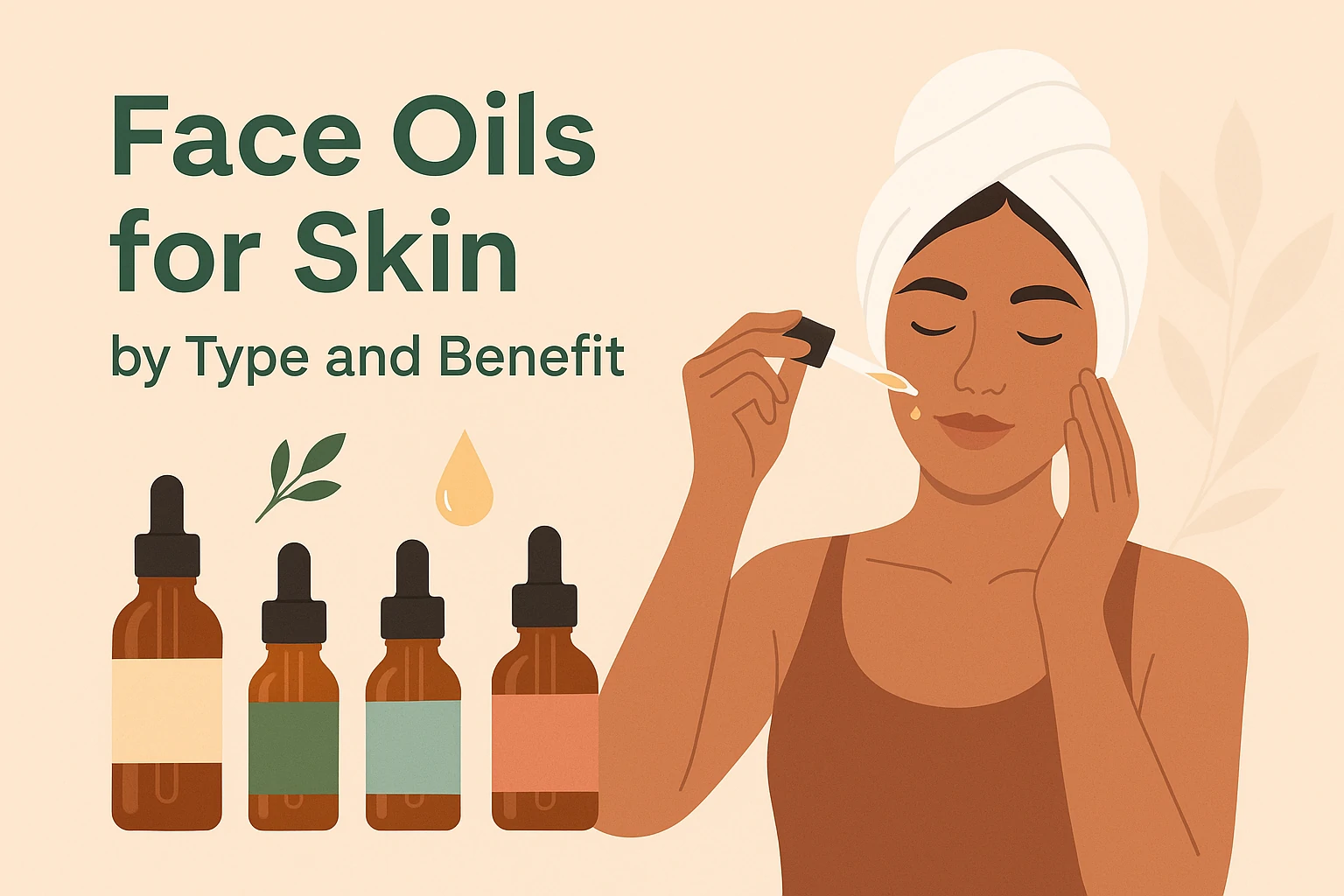
Face oils have become a rising star in skincare thanks to their ability to lock in moisture, repair the skin barrier, and deliver a natural glow. But not all face oils work for every skin type. Choosing the right oil for your skin is key to gaining its full benefits—without causing irritation or breakouts.
For those with oily, sensitive, or acne-prone skin, using oils might seem risky. However, skincare experts emphasize that face oils can be beneficial when chosen and applied correctly. According to dermatologists, oils can enhance a routine by sealing in hydration and delivering nutrients.
Here are key tips for smart use:
- Choose oils based on your skin type (dry, oily, combo, or sensitive)
- Avoid comedogenic (pore-clogging) ingredients
- Use as a final step or before moisturizer—depending on the formula
When used wisely, face oils are a simple, powerful way to support overall skin health and radiance.
Also Read: How to De-Bloat a Puffy Face: Ultimate Guide
What Are Face Oils and How Do They Work?
Face oils are skincare products designed to nourish, protect, and seal moisture in the skin. These oils can be plant-based, synthetic, or a mix of both—each offering different benefits depending on their formulation.
There are three main types:
- Single Oils: Pure oils like argan, tea tree, or coconut oil. Often used for specific needs like calming inflammation or providing antioxidants.
- Oil Blends: A mix of several oils tailored for hydration, skin barrier support, and antioxidant protection.
- Active Oil Serums: Oils enhanced with skincare actives such as retinol, salicylic acid, or vitamin C—ideal for targeted concerns like acne, dullness, or signs of aging.
Choosing the right type matters. Dermatologists advise matching oil types with your skin needs to avoid clogged pores or irritation.
Face Oil Benefits for Every Skin Type
Face oils offer a wide range of benefits depending on their ingredients. Most have emollient and occlusive properties—meaning they moisturize and seal in hydration. This helps strengthen the skin barrier and leaves your skin feeling soft, supple, and dewy.
Many plant-based oils are rich in antioxidants and have natural anti-inflammatory and antibacterial properties. These can calm redness, support healing, and even reduce breakouts—if the oil is non-comedogenic.
Experts highlight that the right oil isn’t just for dry skin. With proper selection, oils can benefit oily, sensitive, or combination skin as well—especially when layered correctly and chosen for their lightweight, skin-compatible properties.
Also Read: Bio-Oil: The Secret to Radiant, Glowing Skin
1. Jojoba Oil
Jojoba oil is one of the most dermatologist-recommended oils—and for good reason. Despite being called an “oil,” it’s actually a wax ester with a chemical structure nearly identical to human sebum. This makes it highly compatible with the skin and easy to absorb.[1Heba A Gad, Autumn Roberts, Samirah H Hamzi, Haidy A Gad, Ilham Touiss, Ahmed E Altyar, Osama A Kensara, Mohamed L Ashour. Jojoba Oil: An Updated Comprehensive Review on Chemistry, Pharmaceutical Uses, and Toxicity. National Institutes of Health (NIH). 2021 May 24;13(11):1711. doi: 10.3390/polym13111711.]
Thanks to its non-comedogenic and anti-inflammatory properties, jojoba is safe for acne-prone and sensitive skin. It helps soothe conditions like mild eczema and reduces irritation without clogging pores.
Dermatologists also note that jojoba oil balances natural oil production, making it suitable for dry, oily, and combination skin types. Lightweight and calming, it’s an ideal choice for beginners seeking a versatile and gentle face oil.
3. Marula Oil
Marula oil is a deeply nourishing option, especially for dry or dehydrated skin. Rich in essential fatty acids like oleic and linoleic acid, it helps lock in moisture and restore a plump, soft complexion.
It’s also loaded with vitamin E, a powerful antioxidant that protects against environmental stress and soothes redness or irritation. These qualities make marula oil a go-to for calming sensitive skin and reinforcing the skin barrier.
Thanks to its silky, fast-absorbing texture, marula oil is easy to wear day or night. It provides deep hydration without leaving a greasy finish—making it a luxurious yet practical addition to any skincare routine.
4. Argan Oil
Argan oil is a widely loved face oil known for its rich content of vitamin E and powerful antioxidants like polyphenols. These nutrients help protect the skin from oxidative stress, improve elasticity, and fade dark spots over time.[2Villareal MO, Kume S, Bourhim T, et al. Activation of mitf by argan oil leads to the inhibition of the tyrosinase and dopachrome tautomerase expressions in b16 murine melanoma cells. Evid Based Complement Alternat Med. 2013;2013:340107.]
In skincare, argan oil is often recommended for early signs of aging thanks to its ability to boost cell regeneration. It’s lightweight and non-comedogenic, which means it won’t clog pores—making it suitable even for acne-prone skin.
Dermatologists also praise argan oil for its anti-inflammatory properties, which help calm sensitive or irritated skin. Its versatility allows it to be used as a daily moisturizer or paired with anti-aging treatments.
Whether your skin is dry, oily, or combination, argan oil can be a gentle yet effective addition to your routine—especially if you’re looking for natural glow and hydration with anti-aging benefits.
5. Rosehip Oil
Rosehip oil is often hailed as one of the best natural oils for anti-aging. It contains pro-vitamin A (a natural retinoid) that helps reduce fine lines, smooth skin texture, and fade hyperpigmentation without the harshness of synthetic retinol.
Rich in linoleic acid, rosehip oil also supports the skin’s lipid barrier and promotes overall skin repair. Its lightweight, non-comedogenic formula absorbs easily without clogging pores.
Dermatologists appreciate its ability to lighten acne scars, even out skin tone, and support nighttime skin renewal. For sensitive skin or those just starting with anti-aging products, rosehip oil offers gentle rejuvenation with minimal risk of irritation.
Apply it at night as part of your evening routine to wake up with smoother, more radiant skin.
Who Should and Should Not Use Face Oils?
Face oils can benefit nearly every skin type—as long as you choose the right formula. According to dermatologists, the key lies in understanding the oil’s texture, composition, and potential to irritate or clog pores.
If you have oily or acne-prone skin, go for lightweight, non-comedogenic oils like jojoba or rosehip. These help balance sebum production without worsening breakouts.
For sensitive skin, always perform a patch test before full use. Avoid oils with strong fragrances or essential oils like citrus or lavender in high concentrations, which may trigger irritation.
Pregnant individuals should be extra cautious. Certain essential oils like rosemary or basil may not be safe during pregnancy. Always consult a dermatologist or healthcare provider before adding new products to your skincare routine.
Choosing wisely ensures you get the benefits without the drawbacks.
How to Add Face Oils to Your Skincare Routine
Face oils are great for sealing in moisture—but they’re not humectants, meaning they don’t attract water. That’s why experts recommend applying them after using a hydrating serum like hyaluronic acid or glycerin for maximum hydration.
In the morning, apply face oil before sunscreen. At night, it can be your final step—or layered before moisturizer if your skin is extra dry.
If you have acne-prone skin, oils like tea tree or black cumin seed—especially when combined with salicylic acid—may help reduce inflammation and unclog pores.
Jojoba oil suits oily skin thanks to its sebum-like structure and fast absorption. Look for formulas that blend it with nourishing oils like marula, argan, or macadamia, and bonus antioxidants like coenzyme Q10.
Avoid coconut oil if your skin is breakout-prone, but for deep hydration, oils like safflower, argan, and jojoba are solid choices.
Types of Face Oils by Skin Type: Find Your Match
Not all face oils suit every skin type. Choosing the right oil can enhance your routine—while the wrong one may cause breakouts or irritation. Dermatologists recommend matching oil types to your skin’s unique needs, especially when dealing with dryness, oiliness, or sensitivity.
Face oils typically contain essential fatty acids, antioxidants, and other actives that support the skin barrier. But effectiveness depends on proper selection. Understanding which oils are best for your skin type ensures you get the glow without the risk.
1. For Dry Skin
Dry skin lacks natural oil and often feels tight, flaky, or dull. For this, emollient-rich oils are key. Dermatologists recommend deeply nourishing options packed with fatty acids to replenish and soften.
Top choices:
- Argan oil: Rich in vitamin E, boosts elasticity and restores barrier function.
- Avocado oil: Loaded with oleic acid and deeply moisturizing.
- Marula oil: Fast-absorbing and non-greasy, ideal for daily hydration.
Apply your chosen oil after serum or moisturizer to help “seal in” hydration. With regular use, these oils improve texture, reduce flakiness, and leave your skin supple and radiant.
2. For Oily or Acne-Prone Skin
It might sound surprising, but certain face oils can reduce excess oil and breakouts. When you strip the skin too much, it often overproduces sebum. Lightweight, non-comedogenic oils can restore balance without clogging pores.
Best options:
- Jojoba oil: Mimics skin’s natural sebum and regulates oil production.
- Tea tree oil: Has antimicrobial properties to calm active breakouts.
- Rosehip oil: High in linoleic acid and vitamin A for gentle regeneration.
Stick to fast-absorbing, low-residue formulas. Avoid heavy oils like coconut, which may worsen acne in some skin types. Start slowly and monitor how your skin responds.
3. For Sensitive Skin
Sensitive skin requires extra care. Choose oils with calming, anti-inflammatory properties and skip anything with added fragrance or essential oils in high concentrations.
Recommended oils:
- Calendula oil: Calms redness and supports skin recovery.
- Chamomile oil: Known for its anti-inflammatory effects and gentle touch.
- Oat oil: Rich in beta-glucan, strengthens the barrier and soothes irritation.
Always patch test first. Use just 2–3 drops on clean, damp skin, and observe for 24 hours. These oils are gentle enough for daily use and help reduce reactivity over time.
4. For Combination Skin
Combination skin needs balance—hydrating dry areas while avoiding excess oil in the T-zone. Dermatologists suggest using lightweight oils that adapt to multiple skin conditions.
Great choices:
- Grapeseed oil: Controls excess shine and offers antioxidant protection.
- Squalane: Non-greasy and suitable for all zones of the face.
- Rosehip oil: Brightens and smooths without heaviness.
Use oils at night or after moisturizer for best results. Apply a thin, even layer and avoid overuse in oily areas. These oils help even out your skin’s texture while supporting hydration.
Common Face Oil Myths—Debunked
Face oils often spark confusion and myths that prevent people from trying them. But many of these beliefs are outdated or just plain wrong.
- Myth 1: Face oils cause breakouts
Not all oils are pore-clogging. Oils like jojoba and rosehip are non-comedogenic and can actually reduce acne when used correctly. - Myth 2: Oils are only for dry skin
False. Lightweight oils like grapeseed or squalane work great on oily and combo skin without making it greasy. - Myth 3: Oils replace moisturizers
They don’t. Oils seal in hydration but lack humectants like hyaluronic acid. Use them after moisturizer, not instead of it. - Myth 4: More is better
Wrong. Just 2–3 drops is enough for the whole face. Too much can lead to buildup, irritation, or greasy texture.
Understanding the truth helps you use face oils confidently—and get all their skin-loving benefits.
How to Choose the Right Face Oil for Your Skin
Choosing the right face oil is essential to get all the benefits—without triggering breakouts or irritation. Dermatologists recommend tailoring your oil to your skin type, current concerns, and the formula’s ingredients.
Here’s a simple guide to help you choose wisely:
- Know your skin type
Dry skin needs richer oils like argan or marula, which restore moisture. Oily or acne-prone skin does better with lightweight, non-comedogenic options like jojoba or squalane. - Check the ingredient list
Look for oils rich in essential fatty acids and antioxidants. Avoid synthetic fragrances or potential irritants—especially if you have sensitive skin. - Pay attention to texture
Lighter oils are ideal for daytime or combo skin. Thicker oils like avocado are better suited for night use or severely dry skin, offering intense nourishment. - Always patch test
Try the product on a small area first to ensure it doesn’t cause a reaction before applying it to your entire face.
With a thoughtful approach, face oil can become a powerful and personalized step in your daily skincare routine.
Final Thought
Face oils offer more than just glow—they support hydration, strengthen the skin barrier, and deliver targeted benefits when matched correctly to your skin type. Whether you have dry, oily, sensitive, or combination skin, there’s a face oil that can complement your routine naturally and effectively.
The key is understanding your skin’s needs and choosing high-quality, non-comedogenic oils with beneficial ingredients like antioxidants and essential fatty acids. Used wisely—just a few drops, layered properly, and with consistent care—face oils can elevate your skincare game without causing irritation or heaviness.
Far from being a one-size-fits-all product, face oil is a customizable step that can bring balance, softness, and resilience to your skin. With the right approach, it might just be the secret weapon your routine has been missing.



 Acne
Acne Anti-Aging
 Business
 Digital Marketing
 Economics
 Exfoliation
 Hair Removal
 Movies
 Personal Finance
 Websites