Top Facial Massage for a Sculpted, Toned Look—Backed by Experts
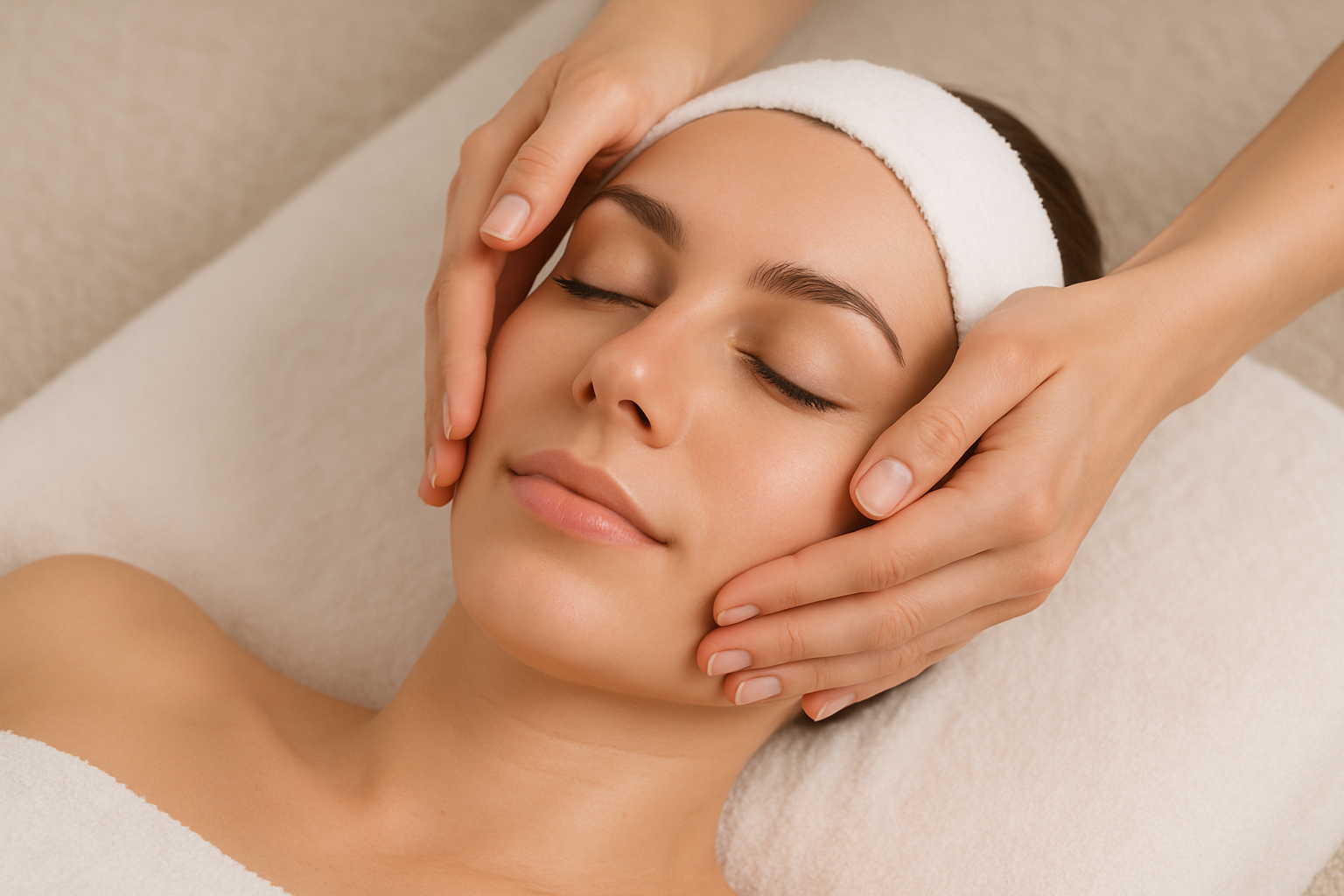
Facial muscle training is a scientifically backed method that is gaining increasing attention in the skincare world. Just like other muscles in the body, facial muscles need stimulation to stay strong, flexible, and functional. Facial Massage—such as FaceGym techniques, gua sha, and facial massage—have been shown to boost microcirculation beneath the skin’s surface. This improved blood flow supports faster cell regeneration and better delivery of oxygen and nutrients, leading to enhanced skin elasticity and a natural, healthy glow.
Facial massages also help relieve tension and stress that often build up around the jaw, forehead, and eyes. The mechanical stimulation from massage encourages collagen production—a key protein that keeps skin firm and supple. With consistent practice, facial contours may become more defined, fine lines may appear reduced, and lymphatic function can be improved to support detoxification.
Whether done at home or by a professional, facial exercises can be tailored to suit individual skin needs. This approach provides long-term benefits—not only cosmetic—but also for overall skin health.
What Is a Facial Massage?
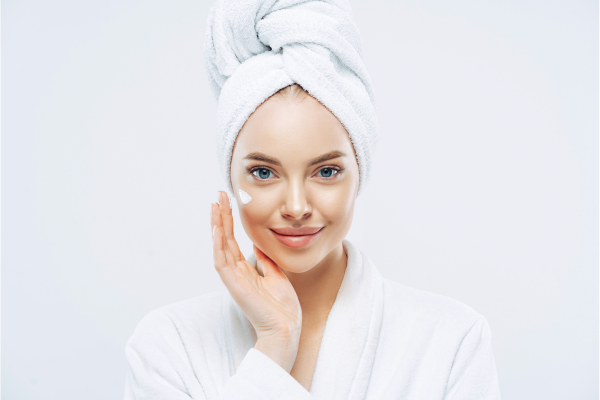
A facial massage is a therapeutic technique that involves gently manipulating the muscles and tissues of the face, either with hands or tools like gua sha or rollers. According to board-certified dermatologist Dr Marisa Garshick, facial massage helps stimulate blood circulation, which is crucial for delivering oxygen and nutrients to skin cells. It is often done alongside the application of serums or facial oils, which help the hands glide smoothly and enhance the absorption of active ingredients.
In contrast, facial exercises are specifically designed to activate and strengthen certain facial muscles. Their main goal is to naturally lift the face, improve muscle tone, and reduce sagging that comes with age. Regular muscle activation can help refine and balance facial contours.
Dr Garshick also notes that this practice has deep cultural roots and has been used for centuries in countries like China, Mexico, France, and Sweden—each with its own unique approach based on local beauty and wellness traditions.
Who It’s For
While facial massage is generally safe for most people, it is not recommended for those who have recently undergone injectable treatments like Botox or fillers. Massage pressure may cause the injected substances to move, potentially affecting the aesthetic results.
Also Read: How Long Does Retinol Take to Work On Skin?
People with sensitive skin or conditions like rosacea, dermatitis, or active acne should also avoid facial massage. Physical stimulation on inflamed skin can worsen irritation or increase the risk of infection. That’s why it’s essential to understand your skin’s condition before starting this therapy. When in doubt, it’s best to consult a doctor or dermatologist. With the right approach, facial massage can deliver maximum benefits without unwanted side effects.
The Benefits of Facial Massage
Facial massage help strengthen facial muscles and improve circulation, which positively affects both the appearance and health of the skin. Like physical workouts for the body, facial training involves targeted movements to tone and sculpt muscle structure. One of the key benefits is improved skin firmness and a radiant glow. According to Dr Garshick, facial massage can offer an instant lifting and plumping effect by increasing blood flow. When done consistently, these effects become more noticeable, leaving skin looking fresh and revitalised.
Facial exercises can also reduce puffiness, especially around the eyes or in areas that feel tight due to fluid retention. Better circulation helps drain excess lymphatic fluid, making the face appear more refreshed and balanced.
Additionally, these exercises can reshape the face, similar to how body workouts sculpt muscles. Facial massage can help tighten the skin and enhance natural contours, giving the face a more lifted and defined look. Holistic skincare expert Julie Lindh explains that strengthening facial muscles through regular training can produce longer-lasting results and a more youthful, structured appearance. Overall, facial exercises offer long-term benefits, including firmer skin, reduced fine lines, and a healthier, more maintained look.
How It Works
Facial massage work much like physical workouts: through movement, stretching, and consistency. According to Dr Garshick, they involve various motions designed to lift and firm the face. The concept is similar to yoga, but targeted at the facial muscles. These movements activate specific muscle groups, improving tone and skin appearance.
Although facial massage use hands or simple tools rather than gym equipment, the results can be similar. Julie Lindh explains that facial muscles respond just like body muscles during exercise. Regular motion increases temperature and microcirculation in the face, which strengthens the underlying muscles. The stronger the muscles, the firmer the skin looks on the surface. This method supports skin elasticity and helps prevent early signs of ageing—offering a more natural and gentle alternative to cosmetic procedures.
In essence, facial exercises are a natural way to care for the face and maintain its shape, focusing on muscle strength and blood circulation—just like a fitness routine, but for the skin.
The Results of Facial Massage
Facial massage can offer immediate benefits after just one session, such as brighter skin, improved elasticity, and enhanced blood circulation. However, long-term results like firmer muscles and reduced signs of ageing require consistent facial exercise over time. Massaging the face can help improve the appearance of the cheeks, making them look fuller and lifted. This happens because massage increases blood flow and stimulates collagen production, which plays a key role in maintaining skin elasticity.
That said, facial massage is not a cure-all for every skin concern. According to Dr Marisa Garshick, while massage may help temporarily smooth the skin, it cannot replace essential skincare practices such as moisturising, applying sunscreen, or receiving medical treatments when needed. It’s also important to be gentle—rough movements or pulling on the skin can cause irritation or even damage.
Dr Brooke Jackson adds that facial exercises will not make the skin thicker. Facial muscles are much thinner than body muscles and are not designed to grow large or bulky. While these exercises may help tone small facial muscles, there is currently no clinical evidence that they cause significant changes in facial structure. Therefore, it’s important to maintain realistic expectations when practicing facial exercises.
Facial Massage to Try
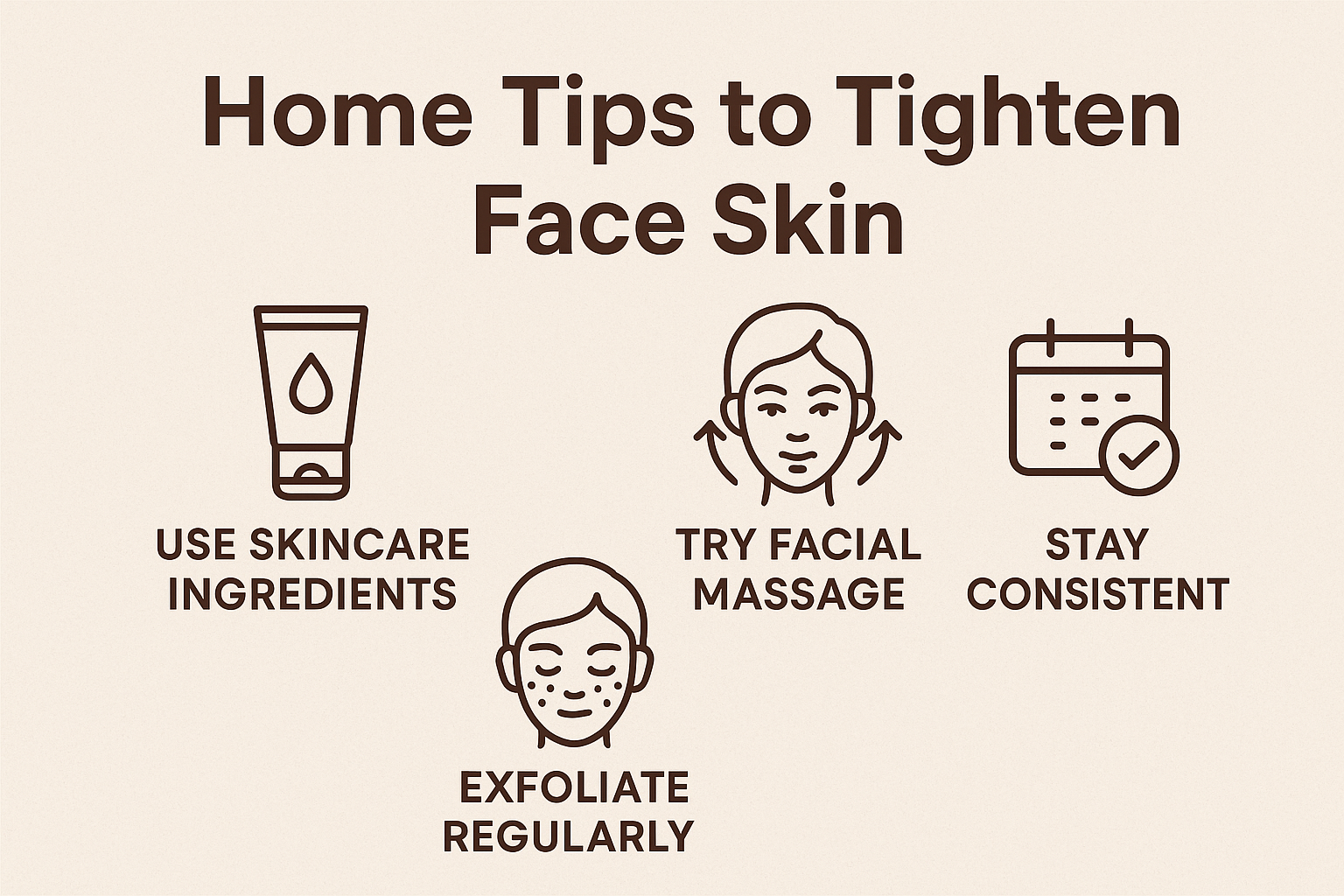
Facial massage and exercises are easy to do at home, as long as the techniques are performed correctly. Experts recommend the following simple exercises to strengthen facial muscles and promote firmer, glowing skin:
- Brow Stretch:
Dr Garshick suggests using your index fingers to gently push the eyebrows away from each other. This helps reduce fine lines on the forehead and around the brows. - Circle Your Tongue:
This inner-mouth exercise helps strengthen facial muscles. Move your tongue inside your mouth along the smile lines (nasolabial folds), five times clockwise and five times counterclockwise. - Fish Lips:
This cheek-toning exercise involves sucking in your cheeks like a fish and pursing your lips. Then smile as wide as you can while keeping your face, including your eyes, relaxed. Hold for 10 seconds, then release. Repeat four times a day. - Kiss Face:
Similar to fish lips, but slightly different. Pucker your lips as if giving a kiss, then smile forcefully while keeping your eyes relaxed. Hold for 10 seconds, then relax. Repeat four times a day. - The Whistler:
This two-part movement is more advanced. First, shape your lips into an “O” and smile as strongly as possible. Hold for 10 seconds, then relax. Repeat three times. Then, with lips still in the “O” shape, puff your cheeks up and down 12 times. Relax and repeat four sets per day.
Conclusion
Facial massage and exercises can be effective tools to relieve facial muscle tension, enhance the skin’s natural glow, and improve firmness and facial shape. These techniques work by stimulating blood circulation, which helps support the production of collagen and elastin—two key elements that maintain skin elasticity. While they do not thicken the skin or replace professional skincare, facial massage and exercises offer real benefits like stress reduction and an overall improved facial appearance.
These practices are easy to perform at home with the right technique and consistency. They also serve as moments of self-care, offering relaxation and a refreshing boost for your face. This can help build self-confidence. Although results are not instant or as dramatic as medical procedures, regular facial exercises can contribute to a youthful and refreshed look over time.
Overall, facial massage and exercises provide a natural, practical alternative for skincare that can be done regularly at home—with the added bonus of improving both your skin and your mood.


 Acne
Acne Anti-Aging
 Business
 Digital Marketing
 Economics
 Exfoliation
 Hair Removal
 Movies
 Personal Finance
 Websites