Fine Lines vs Wrinkles: Dermatologists Explain

Fine lines on the face are not hallucinations or signs of abnormality; scientifically, they are an early indication of structural changes in the skin that can develop into permanent wrinkles. Dermatologically, fine lines form in the epidermis due to a decrease in the production of collagen and elastin—two vital proteins that maintain skin firmness and elasticity. Unlike deeper and more permanent wrinkles, fine lines are superficial and can be reduced or prevented with timely intervention. (Fine Lines vs Wrinkles)
External factors like ultraviolet (UV) exposure, pollution, and an unhealthy lifestyle accelerate the appearance of fine lines through oxidative stress and chronic inflammation. Internal factors such as biological aging, hormonal changes, and decreased fibroblast activity lead to a gradual loss of skin tissue integrity. The combination of both factors speeds up skin structure degradation and wrinkle formation.
To distinguish and understand how to optimally care for fine lines, it is important to seek professional advice. Certified dermatologists such as Dr. Tess Mauricio, Dr. Marisa Garshick, and Dr. Blair Murphy-Rose provide clinical insights on effective skincare strategies—from the use of retinoids and topical antioxidants to dermatological procedures like microneedling or laser treatments.
Fine Lines vs Wrinkles: What’s the Difference?
Fine lines are superficial creases on the skin’s surface that typically appear earlier than wrinkles. Scientifically, fine lines form due to a decrease in skin hydration and repetitive facial muscle activity, such as smiling or furrowing the brow. Dehydration causes the skin to lose its natural moisture, making it appear dull and leading to the formation of fine lines. Additionally, ultraviolet (UV) exposure accelerates skin cell damage and reduces collagen production, a key protein for skin elasticity.
According to Dr. Tess Mauricio, fine lines are an early sign of skin aging and can eventually lead to wrinkles. Unlike fine lines, wrinkles form deeper and are permanent. Wrinkles occur due to the breakdown of collagen and elastin in the dermis, triggered by a combination of intrinsic factors (like age and genetics) and extrinsic factors (like sun exposure, pollution, and lifestyle). Furthermore, repetitive facial muscle contractions worsen the depth of wrinkles, making them more noticeable over time.
Understanding the difference between fine lines and wrinkles is important for determining the right skincare approach. Early prevention through the use of sunscreen, moisturizers, and active ingredients like retinoids and antioxidants is highly recommended to maintain optimal skin structure and slow the aging process.
Causes of Lines on Face
Fine lines and wrinkles are the cumulative result of various lifestyle factors and daily habits that directly affect the structure and function of the skin. The good news is that most of these causes are preventable and can be minimized through behavior changes.
Also Read: How Long Does Retinol Take to Work On Skin?
- Repetitive Facial Expressions
Constant facial muscle movements—such as frowning or smiling—create mechanical pressure on the skin. Over time, this results in permanent creases, similar to the effect of folding paper repeatedly, as explained by Dr. Garshick.
- Sun Exposure (UV)
UV radiation causes oxidative stress and DNA damage, which weakens collagen and accelerates skin aging. This makes sun exposure a leading cause of fine lines and wrinkles beyond chronological age.
- Dehydration
Dehydrated skin loses moisture between cells, making it appear drier and emphasizing fine lines. Optimal hydration provides a plumping effect, improving both the visual and structural texture of the skin. - Lack of Sleep
During sleep, the skin undergoes a regenerative process. Sleep deprivation hinders this repair process, speeding up skin damage and making signs of aging more prominent, according to Dr. Garshick.
- Poor Nutrition
A diet low in antioxidants, protein, and healthy fats reduces the production of quality collagen and elastin. Proper nutrition supports skin tissue repair and slows the formation of fine lines.
- Smoking
Smoking increases free radicals, causing DNA damage and collagen breakdown. The repetitive motion of smoking also creates “smoker’s lines” around the mouth.
How to Prevent and Treat Fine Lines
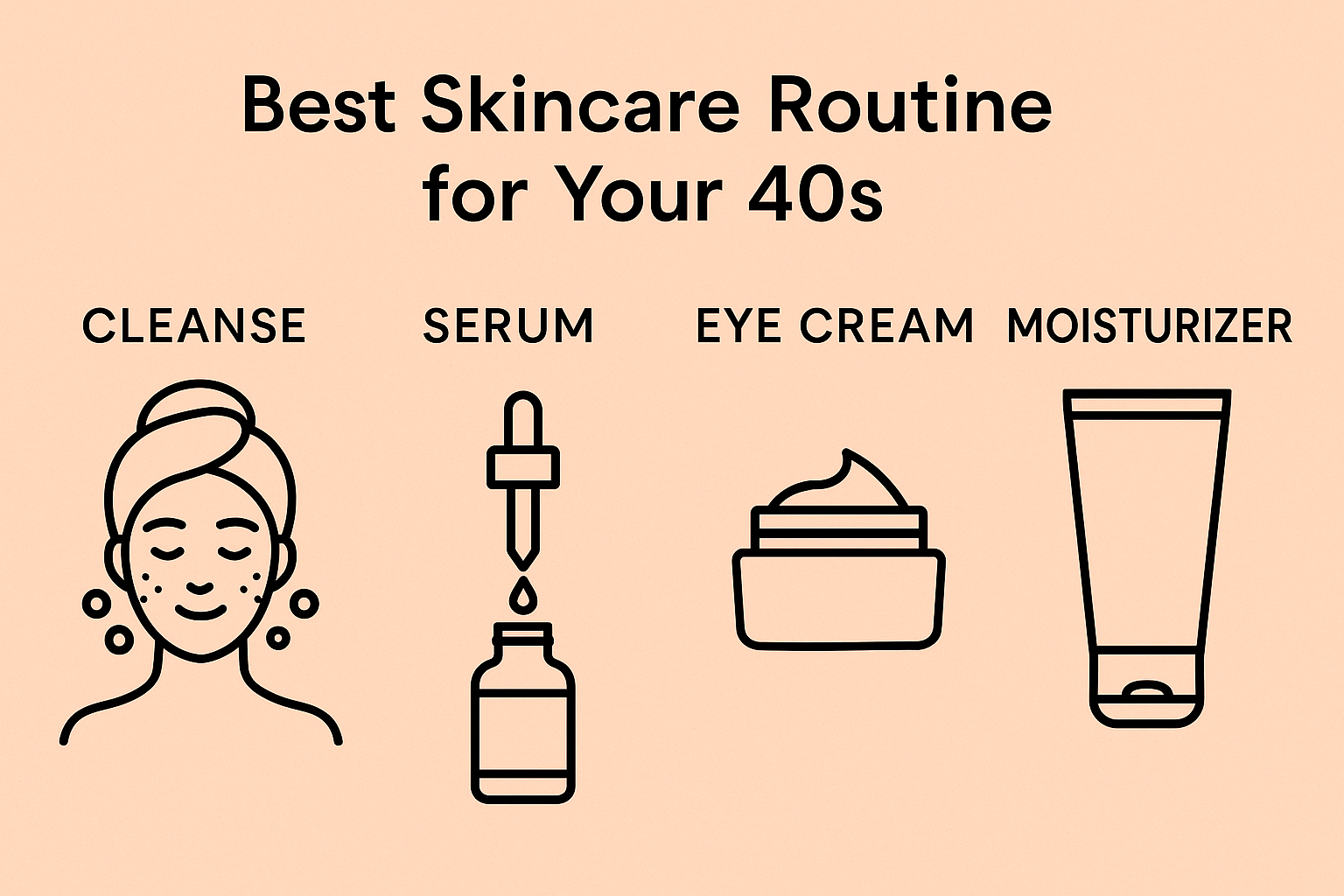
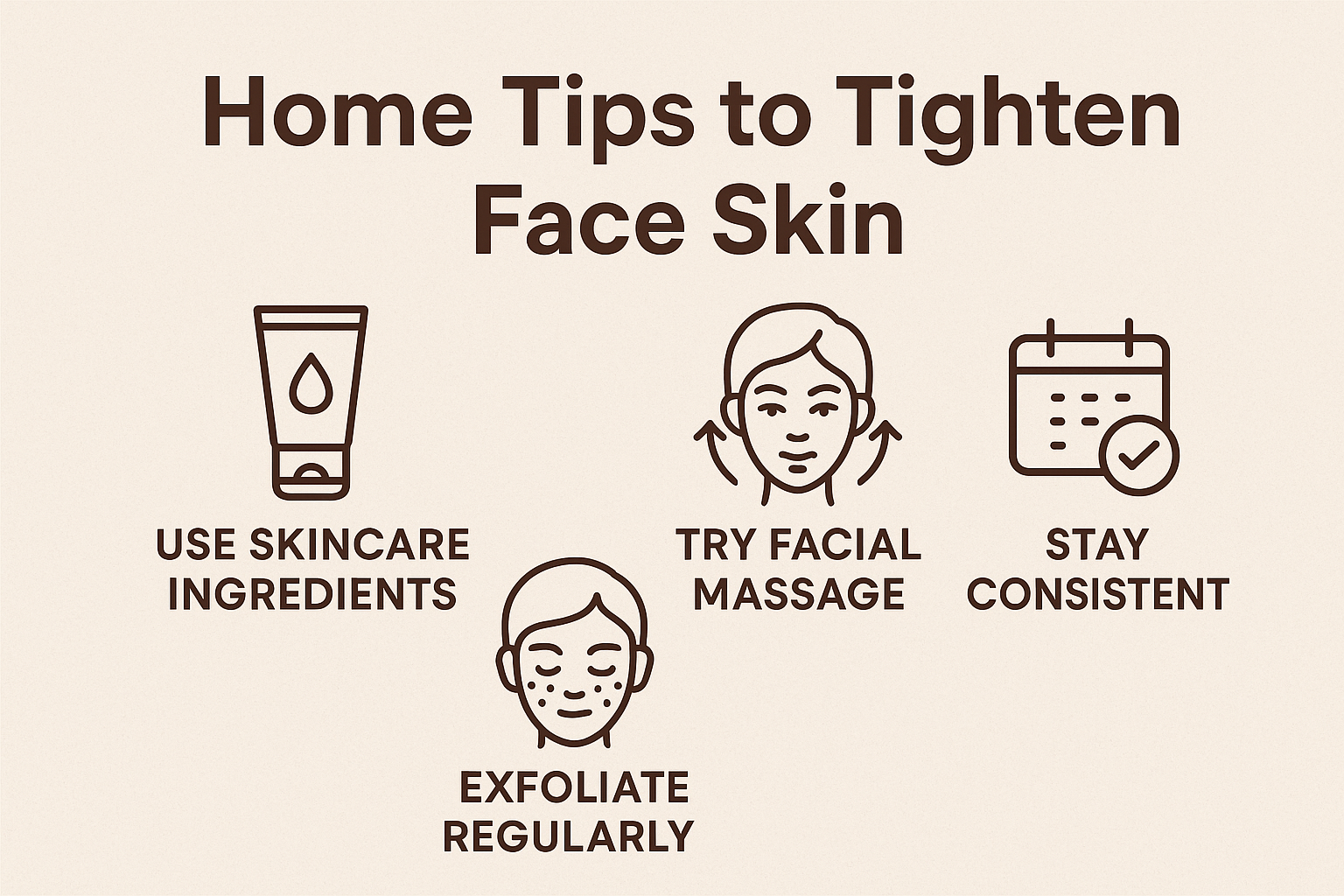
To reduce the formation of fine lines and prevent wrinkles, it is important not only to maintain a healthy lifestyle—such as avoiding smoking, getting enough sleep, and eating a nutritious diet—but also to take proactive care of the skin. Use sunscreen daily to protect the skin from UV rays that damage collagen. Apply a moisturizer containing hyaluronic acid to maintain hydration and skin elasticity. Incorporate retinoids into your nighttime routine to stimulate cell regeneration and collagen production. Topical antioxidants like vitamin C can also combat free radicals that accelerate aging. Don’t forget to gently and regularly cleanse your face to keep the skin healthy and able to absorb active ingredients effectively.
How to Prevent and Treat Fine Lines
To reduce the formation of fine lines and slow the appearance of wrinkles, proper skincare is essential alongside a healthy lifestyle. Scientifically proven steps that are effective include the use of active topical ingredients, sun protection, optimal hydration, and non-invasive procedures.
- Active Skincare Ingredients
Retinoids, such as retinol, stimulate collagen production and improve skin structure, making them effective in preventing and reducing fine lines. Antioxidants like vitamin C, E, coenzyme Q10, and resveratrol protect the skin from oxidative stress caused by free radicals. Meanwhile, peptides act as biological signals for collagen regeneration, helping to smooth the skin’s texture.
- Sun Protection
UV exposure accelerates the breakdown of collagen and elastin. Using sunscreen with at least SPF 30 daily helps protect the skin from photodamage and prevents premature aging.
- Skin Hydration
Humectants such as hyaluronic acid and glycerin draw water into the skin layers, maintaining moisture and skin elasticity. Internal hydration is also crucial, so adequate water intake should be maintained.
- Non-Invasive Treatments
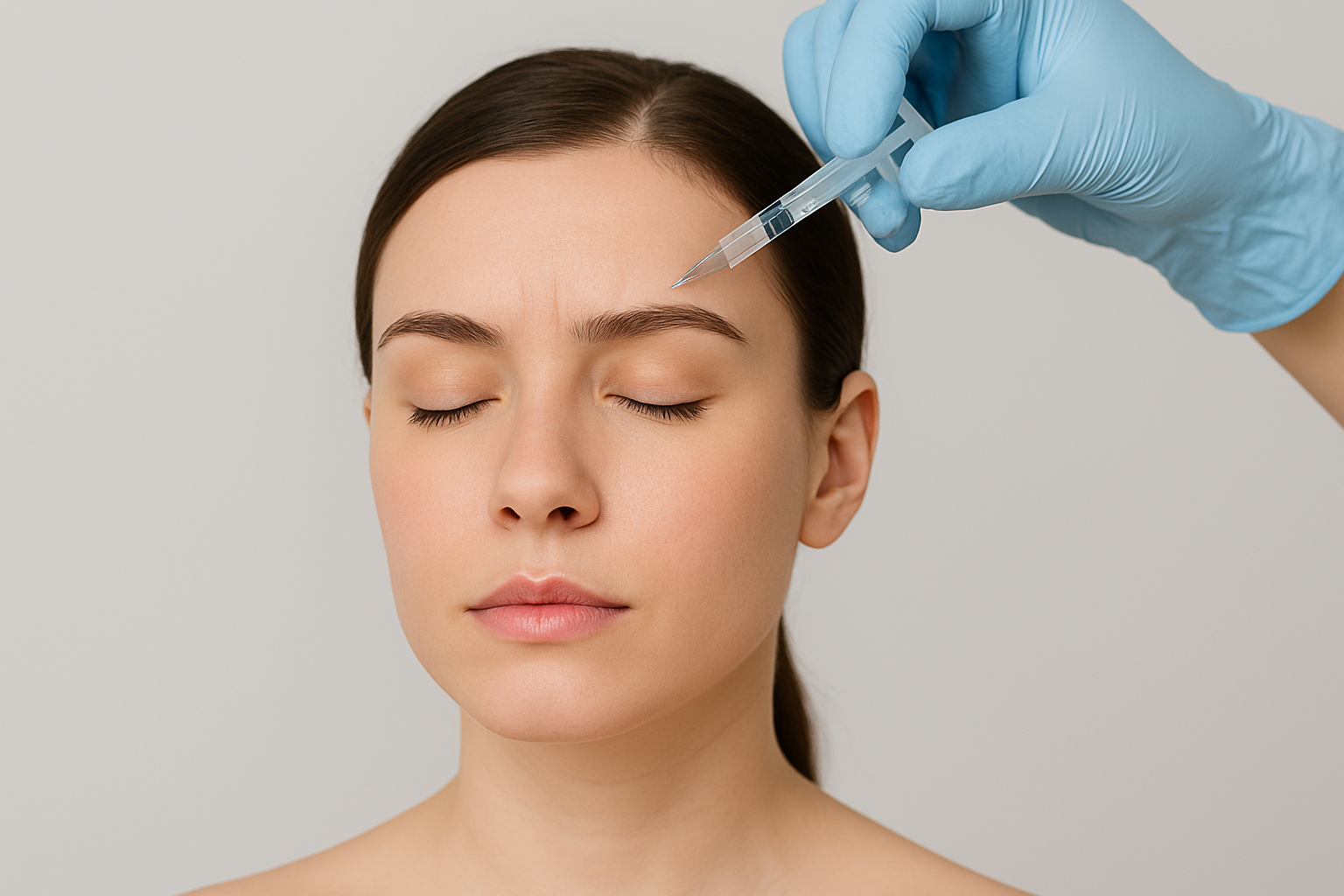
Technologies such as Sofwave, CO2 lasers, Fraxel, and red light therapy can stimulate collagen production without surgery. Procedures like microneedling, microdermabrasion, and radiofrequency also promote safe and effective skin regeneration.


 Acne
Acne Anti-Aging
 Business
 Digital Marketing
 Economics
 Exfoliation
 Hair Removal
 Movies
 Personal Finance
 Websites