Fraxel Laser for Sun Damage: Shocking Skin Transformation

Fraxel Laser is an advanced skincare treatment designed to reverse sun damage and restore youthful skin. Using fractional laser technology, it precisely targets damaged areas beneath the skin’s surface without harming surrounding tissues. This results in smoother, brighter, and younger-looking skin.
This procedure effectively treats fine lines, acne scars, sunspots, hyperpigmentation, and uneven skin texture. By working at a microscopic level, Fraxel stimulates your skin’s natural collagen production and accelerates cell regeneration from within.
However, high effectiveness comes with a brief recovery period. Redness, mild peeling, and temporary sensitivity are common for a few days after treatment. Though the cost per session can be relatively high, the long-term results often make it a worthy investment.
Before trying Fraxel, it’s crucial to understand the full process. Speaking with a board-certified dermatologist gives you a clear view of the benefits, risks, and realistic outcomes. This knowledge helps you make informed decisions and feel confident in your skincare journey.
What Is Fraxel Laser Treatment?
Fraxel is a medical-grade laser technology used for fractional skin resurfacing. It targets microscopic treatment zones across the skin, leaving surrounding tissues intact.[1BRISBANE SKIN: Fraxel Fractional Laser.] This selective approach promotes faster healing and reduces the risk of complications.
There are three main Fraxel types, tailored to specific skin needs. Fraxel 1927 (Fraxel Restore) is non-ablative and ideal for treating sun damage and pigmentation.[2AESTHETIC MEDICAL CLINIC: Fraxel Dual Laser.] Fraxel 1550 (Fraxel Repair) also non-ablative, penetrates deeper to smooth out fine lines and acne scars.[3The Medspot: What is Fraxel® 1550?] Dual Fraxel combines both wavelengths for comprehensive skin rejuvenation in a single session.
By treating only a fraction of the skin at a time, Fraxel preserves healthy skin around the targeted areas. This boosts collagen renewal and improves skin texture gradually. With consistent results and minimal downtime, Fraxel has become a top non-surgical option for glowing, revitalized skin.
Benefits of Fraxel Laser
Fraxel Laser delivers powerful benefits for those seeking to renew their skin without invasive procedures. According to Dr. Sobel, it smooths uneven texture, fades dark spots, corrects discoloration, and softens fine lines and stubborn acne scars.
Its standout feature lies in stimulating natural collagen production deep within the skin, all while leaving the surface layer intact. Over time, this leads to visibly firmer, brighter, and more youthful-looking skin.
Unlike aggressive treatments, Fraxel involves minimal downtime. Most people can return to their routine within a week, making it perfect for those with busy schedules who still want noticeable improvements.
Whether you’re battling sun damage, early signs of aging, or lingering acne scars, Fraxel offers a science-backed solution that fits seamlessly into your skincare goals. It’s a smart step toward healthier, more radiant skin—without the need for surgery.
How to Prepare for Fraxel Laser
Proper preparation is key to maximizing the safety and results of your Fraxel treatment. Start by consulting a licensed dermatologist to determine whether your skin type is suitable for laser therapy. They’ll review your skin history, sun exposure, and any current conditions.
Dr. Tracy Evans emphasizes the importance of honesty about your sun habits. Excessive sun before or after treatment can raise your risk of side effects. If you have a history of cold sores or herpes, notify your doctor—heat from the laser may trigger flare-ups. You might be prescribed antiviral meds as a precaution.[4Byrdie: I Tried a Fraxel Laser Treatment to Remove My Sun Damage—Now I Have Born-Again Skin.]
Avoid direct sun exposure for at least four weeks before and after the procedure. Discontinue retinoids, AHA/BHA, and chemical peels two weeks prior. Active acne may require postponement.
Some dermatologists also recommend using brightening creams like hydroquinone in advance to prevent hyperpigmentation. Stop using tretinoin a few days before treatment. Following these guidelines ensures a smoother experience and optimal results from your Fraxel session.
What to Expect During a Fraxel Treatment
A typical Fraxel Laser session takes place in a dermatologist’s office and lasts about 20–30 minutes, depending on the area treated. Before starting, your skin will be thoroughly cleansed and numbed with a topical anesthetic to ease discomfort.
During the procedure, you may feel a warm, tingling sensation—similar to tiny sparks on the skin—as the laser creates microchannels beneath the surface. This process stimulates collagen renewal and repairs skin from the inside out.
Post-treatment, your provider will apply calming serums and sunscreen to soothe and protect your skin. While you can head home right away, expect redness, swelling, or a mild sunburn-like sensation for up to three days. Dr. Marcus advises avoiding direct sunlight during the early healing phase to prevent irritation and discoloration.
Though downtime is minimal, proper aftercare is crucial to achieving long-lasting, glowing results. Fraxel’s precise technology means you can refresh your skin with minimal disruption to your daily life.
1. Numbing Before Fraxel: Why It Matters
Before a Fraxel Laser session begins, numbing the skin is an essential step to ensure comfort and minimize pain. A topical anesthetic cream is applied to the treatment area and left on for about 45 minutes. This allows the numbing agent to fully take effect, making the procedure much more tolerable.
According to Dr. Tracy Evans, numbing is critical for both comfort and optimal results. Without it, patients may experience discomfort due to the laser’s deep penetration into the skin’s layers. However, with proper numbing, most people find the treatment manageable.
In certain cases, doctors may also prescribe anti-inflammatory medication, such as Prednisone, before and after the session to reduce swelling—especially for more intensive treatments.
Once the numbing kicks in, the doctor will assess the skin’s condition and customize the laser intensity based on your skin’s needs and tolerance. When everything is ready, the treatment begins safely and efficiently.
2. The Laser Process and Pain Level Explained
The Fraxel Laser procedure starts with the device slowly gliding across your face, typically for 15–20 minutes. Each facial zone—forehead, cheeks, nose, and chin—receives four precise passes to ensure even energy distribution. Fraxel’s fractional resurfacing creates a grid-like pattern of micro-injuries, triggering rapid skin regeneration.
Even with numbing cream applied, patients often feel a warm, tingling sensation that intensifies with each pass. Some areas may feel more sensitive, especially where the laser passes repeatedly. To ease the heat, a cooling air device is usually directed at the skin throughout the session.
Pain tolerance varies from person to person. Some describe the sensation as a mild burning, while others find it more intense but still manageable with numbing. Dr. Marcus notes that while discomfort is normal, it’s rarely severe enough to stop the session. Stress balls or breathing techniques can also help keep you calm during treatment.
3. Ice Packs for Swelling and Immediate Relief
Right after the Fraxel procedure, your dermatologist will assess the results and may target stubborn areas again for better coverage—such as dark spots or persistent pigmentation. This ensures a balanced, thorough outcome.
A strong sunburn-like heat sensation is common immediately after. This is your skin’s natural response to the laser penetrating deep into the dermis. To soothe this, cold compresses or ice packs are provided right away and applied to the skin for several minutes to reduce inflammation.
You’ll notice a clear contrast between treated and untreated areas. Untreated spots, like around the lips, remain normal in color, while lasered zones appear red and swollen. This is a sign that your skin is beginning its deep-healing process—a key phase in achieving visible transformation.
Immediate cooling helps ease discomfort and kickstarts the recovery phase. Don’t skip this part—it’s essential for both comfort and healing.
Potential Side Effects of Fraxel Laser
While Fraxel Laser is generally safe, understanding potential side effects is essential. Dr. Evans stresses that the procedure must be performed by a certified dermatologist, as improper use of high-intensity lasers can be harmful.
Also Read: What Is a TCA Peel? Benefits, Uses & Safety
Common side effects include redness, swelling, a burning sensation, and peeling during the healing process. These symptoms usually subside within a few days. However, those with darker skin tones may face a higher risk of post-inflammatory hyperpigmentation if aftercare isn’t followed carefully.
Dr. Marcus also highlights the risk of infection when the skin’s protective barrier is compromised. Active acne or open wounds may temporarily worsen. In rare cases, improper treatment or poor aftercare could lead to scarring.
To reduce risks, avoid sun exposure, heavy workouts, and heat for several days post-treatment. Daily sunscreen use is a must during healing to protect your skin and preserve results. Following your provider’s aftercare instructions is key to minimizing side effects and maximizing your glow.
Who Should Perform Your Fraxel Laser Treatment?
Fraxel Laser isn’t a casual spa treatment—it’s a medical-grade procedure that should only be performed by a board-certified dermatologist or qualified medical professional. Choosing the right provider is crucial to ensure both safety and effectiveness.
An experienced doctor understands how to adjust the laser’s intensity based on your skin type, treatment area, and personal goals. This knowledge helps avoid complications like burns, hyperpigmentation, or infection—issues that can arise with improper handling.
The author of this article selected Dr. Sobel for his expertise and reputation. Notably, Dr. Sobel has undergone Fraxel treatments himself and shared his personal results publicly—a strong vote of confidence in the technology.
When your provider believes in and uses the treatment themselves, it’s a good sign of both safety and trustworthiness. Always choose a licensed, experienced practitioner to get the best—and safest—outcome from your Fraxel experience.
How Much Does Fraxel Laser Cost?
The cost of Fraxel Laser treatment varies depending on the type of laser used, the size of the treated area, and the clinic’s location. According to Dr. Marcus, here are the general price ranges:
- $750 for small areas (e.g., forehead or cheeks)
- $1,500 for full-face treatment
- $2,000 for face and neck with Fraxel Dual
- Fraxel Repair, which is a more intensive ablative treatment, typically costs around $1,000 more than Fraxel Dual.
To get noticeable results, most people need at least three sessions of Fraxel Dual, especially for sun damage or texture issues. However, if you’re targeting mild pigmentation, fewer treatments may be enough. On the other hand, Fraxel Repair often requires just one session due to its dramatic resurfacing effect.
Understanding these costs helps you budget realistically and set proper expectations. It’s an investment not just in clearer skin, but in long-term skin health and confidence.
Fraxel Laser Aftercare Tips
Aftercare is key to a smooth recovery and long-lasting results from Fraxel Laser. Your skin will likely feel dry, sensitive, and inflamed, so keeping it moisturized is a top priority.
Dr. Evans recommends slugging—a method that seals in moisture using occlusive products like Aquaphor. This forms a protective barrier, prevents moisture loss, and supports faster healing.
Dr. Sobel suggests a gentle, minimalist routine:
- Wash your face only once a day (evening) with a fragrance-free cleanser
- Apply moisturizer multiple times daily, using a patting motion—never rub
- Avoid exfoliants, retinoids, or actives until the skin fully recovers
Most importantly, wear sunscreen every single day, even indoors. After Fraxel, your skin is vulnerable to UV rays, which can trigger hyperpigmentation and delay healing. With proper aftercare, your results will look better—and last longer.
When Will You See Results?
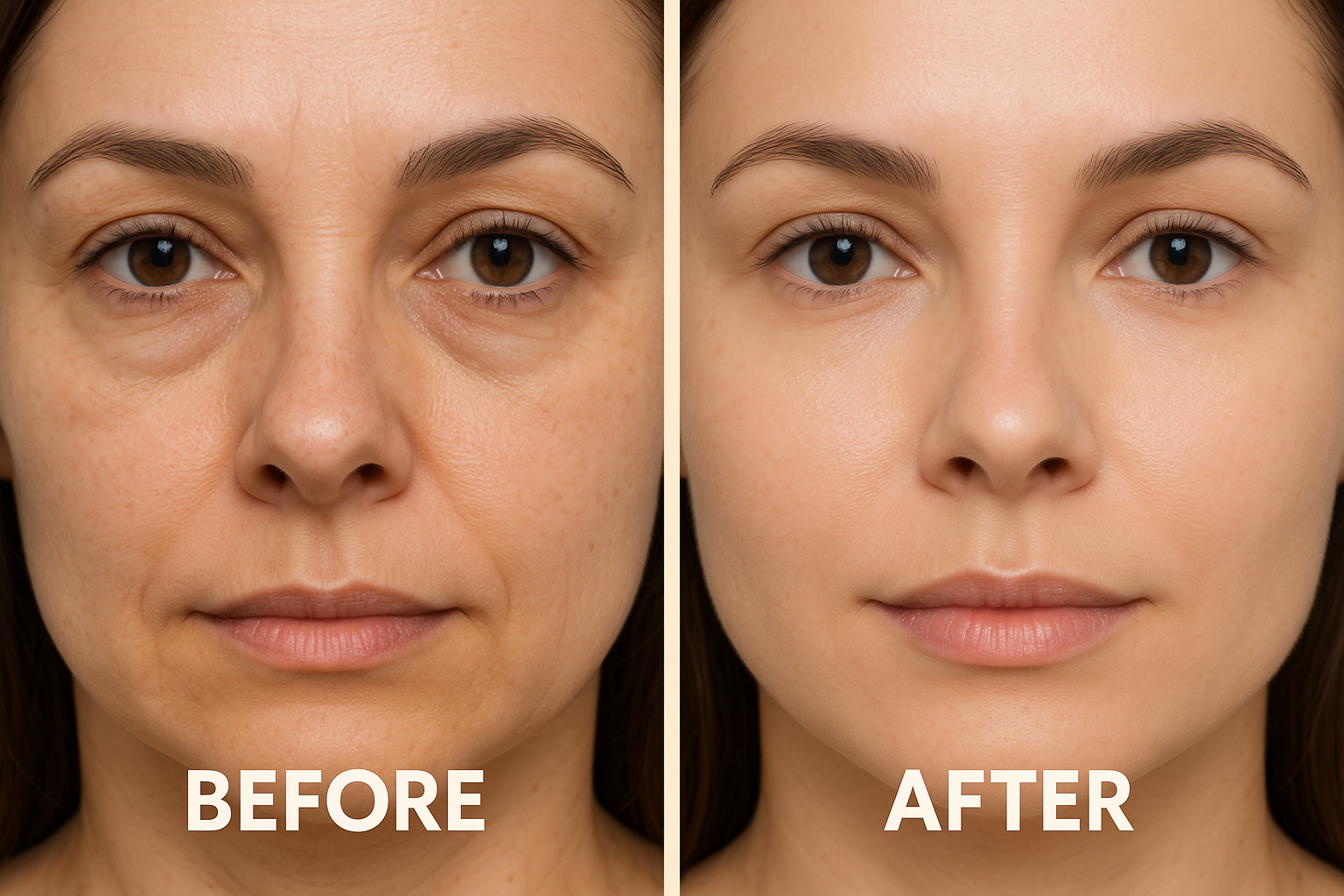
You’ll start noticing clearer, smoother skin within a few weeks—but full Fraxel results typically stabilize after three months. The initial glow may fade, but you’ll see healthier, plumper skin with improved tone and texture.
Fine lines appear softened, pigmentation is reduced, and pores often look smaller. Even though a few faint spots may reappear over time, they’re usually lighter than before—and your overall complexion will look better than it has in years.
One major benefit? Minimal downtime. Most people resume daily activities in about five days. This makes Fraxel ideal for seasonal touch-ups—many dermatologists recommend scheduling sessions in the fall for best results.
With a solid skincare routine (think: moisturizer and sunscreen), your skin will stay radiant for months.
Fraxel Dual vs. Fraxel Repair: What’s the Difference?
Fraxel offers two popular types: Fraxel Dual and Fraxel Repair, each tailored for different skin concerns and recovery times.
- Fraxel Dual is non-ablative, meaning it targets below the skin’s surface without removing the top layer. Using two wavelengths (1550 nm and 1927 nm), it treats pigmentation, sun damage, fine lines, and light acne scars. Recovery is fast—3 to 7 days—making it suitable for gradual, repeatable treatments.
- Fraxel Repair is an ablative CO₂ laser, which vaporizes surface skin while stimulating deeper collagen production. It delivers dramatic results for deep wrinkles, severe scars, and sagging skin. However, it comes with longer downtime (up to 2 weeks) and a higher risk of side effects.
For beginners or those with mild concerns, Clear + Brilliant is a gentler alternative. It offers subtle improvements with minimal peeling and downtime, but results build up slowly.
Your choice depends on your skin goals, lifestyle, and tolerance for recovery.
Final Thoughts
Fraxel is one of the most advanced and reliable laser technologies available today. Dr. Marcus notes that Fraxel Dual results can last up to a year, while Fraxel Repair may last even longer. Success depends on choosing the right patient, a skilled provider, and diligent aftercare.
As we age—especially after 30—our collagen levels naturally decline. Fraxel helps reverse this by triggering fresh collagen production deep within the skin. Unlike Botox, which offers quick but short-lived results, Fraxel gives you natural, long-term transformation.
For anyone looking to improve skin tone, texture, and firmness in a sustainable way, Fraxel is a smart investment. When combined with regular skincare, it’s not just a treatment—it’s a long-term strategy for healthier, younger-looking skin.

 Acne
Acne Anti-Aging
 Business
 Digital Marketing
 Economics
 Exfoliation
 Hair Removal
 Movies
 Personal Finance
 Websites