How to Get Rid of Arm Acne Fast and Effectively
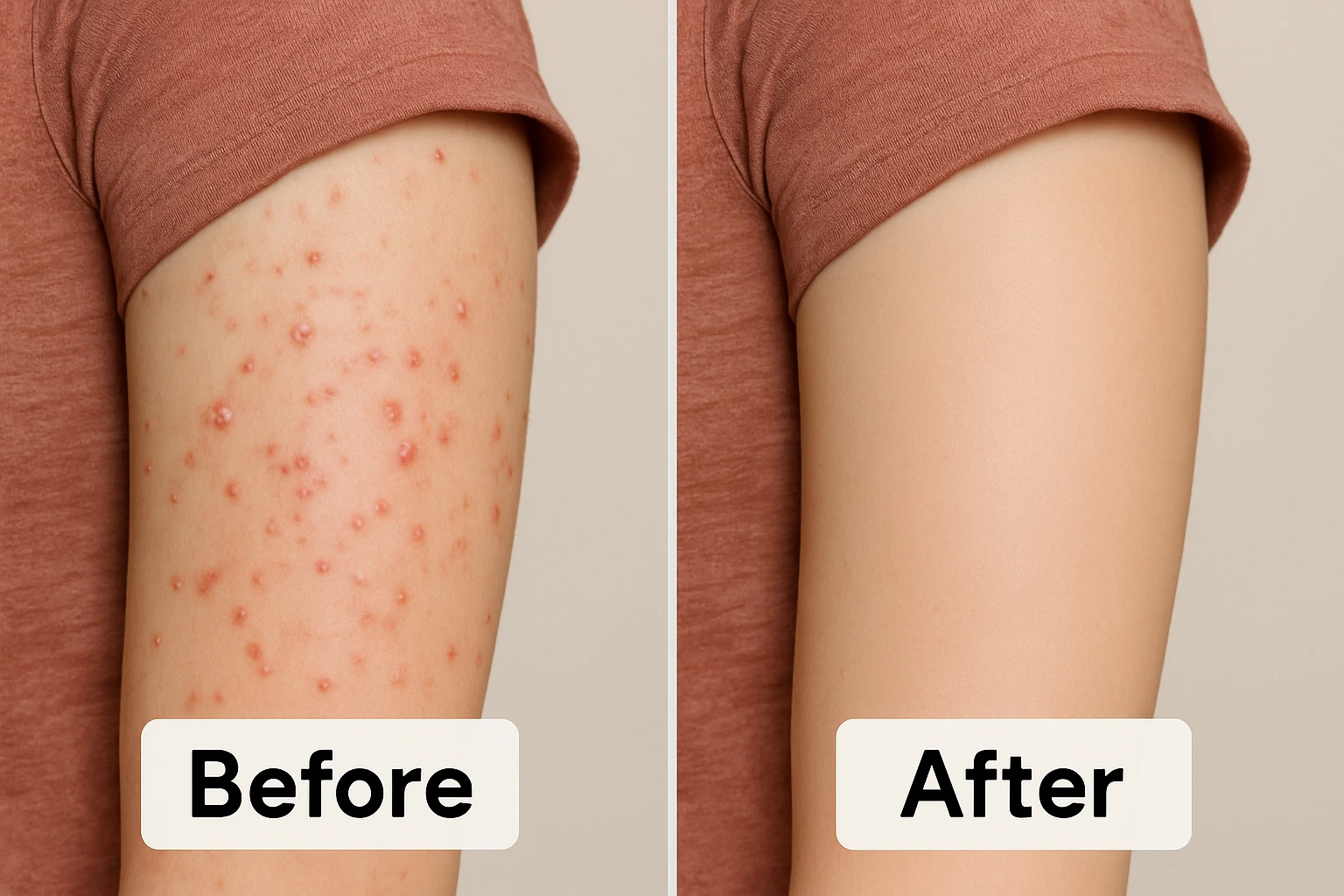
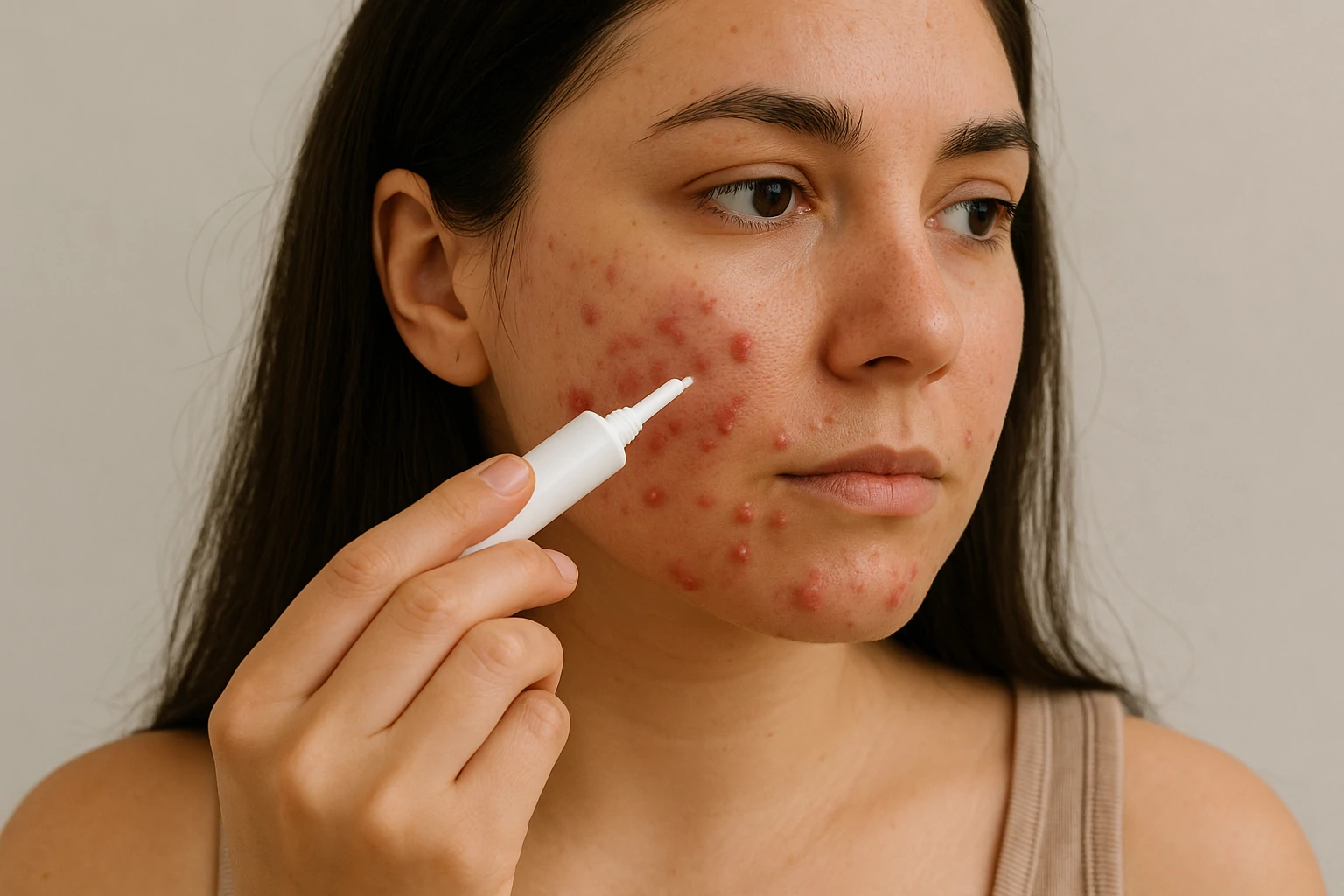
Acne doesn’t just appear on your face—it can show up on your arms too. The upper arms have hair follicles and oil glands that can get clogged, leading to bumps, blackheads, or inflammation. However, not all bumps on your arms are true acne.
Some skin conditions like keratosis pilaris—tiny, rough dots often called “chicken skin”—or folliculitis, which is an inflamed hair follicle, are frequently mistaken for acne. That’s why proper identification is essential before starting any treatment.
According to dermatologists like Dr. Sandra Lee, a correct diagnosis can make or break your treatment success. Using acne products for a non-acne condition may actually worsen your skin.
In this article, you’ll learn how to tell the difference between arm acne and other skin issues, and the most effective ways to treat and prevent it. Keep reading to understand your skin better and take the right steps from the start.
Not All Arm Bumps Are Acne: What Else Could It Be?
Before treating arm bumps, it’s key to know what you’re dealing with. Several skin conditions resemble acne but require different care:
- Keratosis Pilaris (KP): Caused by dead skin clogging hair follicles. It appears as tiny, dry, rough bumps and is not inflamed. Avoid picking to prevent irritation.
- Folliculitis: This is a bacterial or fungal infection of the hair follicle. It may look like red, painful pimples—sometimes with pus. Treatment often involves topical antibiotics.
- Hives: Itchy, raised welts that come and go in clusters. They’re often triggered by allergies or stress and usually fade on their own.
- Eczema: Unlike acne, eczema is a dry, scaly rash that can cover large patches and feel extremely itchy. It tends to be chronic and needs different care.
Recognizing these differences helps you avoid the wrong treatments and get results faster.
Common Causes of Arm Acne You Should Know
If your arm bumps are actually acne, they’re usually triggered by daily habits and environmental factors. Like your face, the skin on your arms has pores and oil glands—making it prone to breakouts when clogged.
Experts like Dr. Andrea Suarez (Board-Certified Dermatologist) point to poor hygiene, hormonal changes, harsh skincare products, and tight clothing as top causes. Sweat and dead skin trapped under non-breathable fabric can create the perfect environment for acne to form.
Inconsistent showering—especially after workouts—can also worsen breakouts. Make sure to cleanse thoroughly to remove sweat, oil, and bacteria from the skin’s surface.
Tight clothes increase friction and trap heat and moisture, irritating pores and leading to those stubborn upper-arm breakouts.
The good news? Simple daily habits can go a long way in preventing arm acne when done consistently.
Easy and Effective Ways to Prevent Arm Acne
Preventing arm acne doesn’t require expensive products. In many mild cases, simple routine changes can make a big difference.
Here are dermatologist-approved tips:
- Avoid tight clothing—especially synthetic fabrics that trap sweat. After exercising, shower promptly and change into clean, breathable clothes.
- Use a gentle body cleanser—harsh soaps can strip natural oils and cause irritation. Look for fragrance-free, pH-balanced formulas.
- Exfoliate 2–3 times per week using a body scrub or exfoliating mitt. This helps remove dead skin cells and keeps pores clear.
- Moisturize regularly—yes, even oily skin needs hydration. Dryness can trigger excess oil production, leading to clogged pores.
These habits help create a healthy skin environment, making breakouts less likely to occur over time.
How to Treat Arm Acne and Other Skin Conditions Properly
The first step to effective treatment is getting the diagnosis right. Each condition requires different care, so seeing a dermatologist is highly recommended for persistent cases.
Keratosis Pilaris: While there’s no permanent cure, it can be managed with products containing salicylic acid or lactic acid to exfoliate and unclog pores.
Recommended products:
- First Aid Beauty KP Bump Eraser Body Scrub (10% AHA)
- AmLactin Daily Moisturizing Lotion (12% lactic acid)
Folliculitis: Mild cases often respond to topical antibiotics. For more stubborn infections, antifungal body washes may be prescribed.
Arm Acne: Consistent care with acne-focused body products is key. Look for ingredients like benzoyl peroxide or AHAs.
Effective options:
- Megababe Power Wash Scrub
- Mario Badescu AHA Botanical Soap
- Dr. Song Benzoyl Peroxide Wash
- Murad Acne Body Wash
Always follow with a non-comedogenic moisturizer like Aveeno Daily Moisturizing Lotion to maintain skin hydration.
Is Arm Acne Dangerous?
Arm acne is usually not dangerous, but it still deserves your attention. In most cases, it’s caused by clogged pores from excess oil, sweat, or dead skin. Left untreated, though, it can lead to skin infections, dark spots, or prolonged irritation.
Dermatologists note that even mild breakouts can lower confidence—especially when they become painful, spread, or worsen with sweat and tight clothing. If your arm bumps are growing, painful, or not healing, they may actually be folliculitis, eczema, or another condition that needs specific care.
The key takeaway? Don’t ignore persistent or worsening arm acne. If over-the-counter treatments don’t help after a few weeks, it’s time to consult a board-certified dermatologist.
Catching skin issues early helps prevent scarring and speeds up healing—keeping your skin healthy and your confidence intact.
Does Diet Affect Arm Acne?
Can your diet trigger acne on your arms? Research says it’s possible. While food alone doesn’t directly cause acne, some ingredients may increase inflammation or hormonal changes that lead to breakouts.
Dermatologists have linked high-sugar foods, dairy, and processed snacks to worsening acne—not just on your face, but on your body too. These foods can spike insulin and sebum production, which may clog pores.
On the flip side, a diet rich in fiber, omega-3 fats, and hydrating fruits and vegetables supports healthy skin from within. Drinking enough water also helps your body flush out toxins and maintain skin balance.
Not everyone reacts the same way to food, so pay attention to how your skin responds. Keeping a food journal can help you identify any patterns.
Improving your diet won’t clear acne overnight—but it’s a smart, long-term step toward better skin.
Skincare Tips for Acne-Prone Body Skin
If your skin is prone to body acne—especially on the arms—choosing the right products is essential. Dermatologists recommend using non-comedogenic formulas that won’t clog pores.
Look for body washes with active ingredients like:
- Salicylic acid – helps unclog pores
- Benzoyl peroxide – kills acne-causing bacteria
- Glycolic acid – exfoliates and smooths skin
Trusted options include Murad Acne Body Wash and Dr. Song Benzoyl Peroxide Wash.
Avoid products with heavy fragrances, harsh alcohol, or comedogenic oils. These can irritate or worsen breakouts. For moisture, use a lightweight, fragrance-free lotion like Aveeno Daily Moisturizing Lotion.
Also, don’t use facial products on your body unless they’re labeled for both. Body skin is thicker and may need higher concentrations of active ingredients.
With the right routine, your skin can stay clear, balanced, and breakout-free.
Final Thoughts
Arm acne might seem minor, but it can affect both comfort and confidence. It often stems from clogged pores, bacterial infections, or other skin conditions like keratosis pilaris or eczema.
That’s why understanding the root cause is essential. Once identified, you can tailor your skincare and lifestyle to keep flare-ups under control.
Simple steps—like gentle cleansing, wearing breathable clothes, using acne-friendly products, and watching your diet—can make a big difference. And if your condition doesn’t improve within a few weeks, don’t hesitate to see a dermatologist for a personalized plan.
Remember, your body skin deserves the same care as your face. By taking action early and consistently, you can manage arm acne effectively and feel good in your own skin—every day.
You might also like
 Acne
Acne Anti-Aging
 Business
 Digital Marketing
 Economics
 Exfoliation
 Hair Removal
 Movies
 Personal Finance
 Websites