Why Glycolic Acid Is the Best Anti-Aging Exfoliator, per Derms
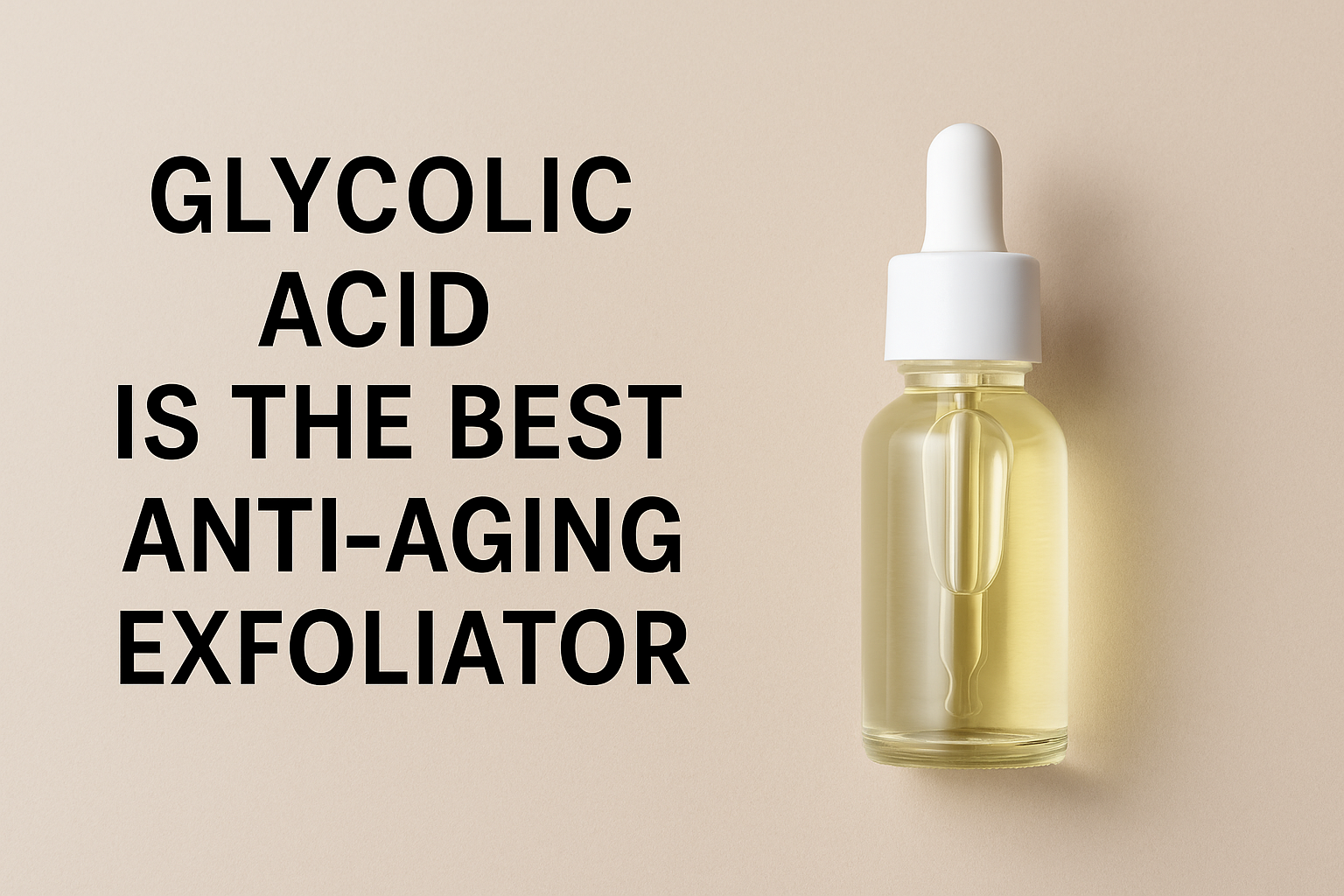
Glycolic acid is one of the most well-known active ingredients in skincare, praised for its ability to exfoliate dead skin cells, rejuvenate the skin, and reduce signs of aging. As a type of AHA (Alpha Hydroxy Acid), glycolic acid has small molecules that allow it to penetrate deeper into the skin, making it effective in improving skin texture and brightness. For this reason, it is commonly found in a wide range of beauty products, from face creams to professional chemical peels.
However, despite its proven benefits, glycolic acid should be used with caution. For those with sensitive skin, glycolic acid can cause irritation or allergic reactions, such as redness or excessive peeling. Therefore, it is highly recommended to avoid using it with other potent ingredients, like retinol or other AHA/BHA acids, to reduce the risk of severe irritation.
According to Dr. Kenneth Howe and Dr. Kavita Mariwalla, two certified dermatologists, it is important to start using glycolic acid slowly in your skincare routine. They also emphasize the importance of using sunscreen to protect the skin from sun exposure, as skin affected by glycolic acid tends to be more sensitive to UV rays.
What Is Glycolic Acid?
Glycolic acid is an alpha-hydroxy acid (AHA) derived from sugarcane and is known as an effective active ingredient in skincare. Dr. Howe explains that this acid is available in various concentrations, both in over-the-counter skincare products and in stronger medical creams. Glycolic acid is also frequently used in chemical peels, but Dr. Mariwalla emphasizes the importance of having this procedure done by a dermatologist to avoid unwanted side effects.
The main advantage of glycolic acid over other AHAs is its smaller molecular size. The smaller molecules allow glycolic acid to penetrate deeper into the skin layers, making it more effective at addressing skin issues like aging, rough texture, and pigmentation. Dr. Howe adds that because of its ability to absorb easily into the skin, glycolic acid is often preferred over other AHAs like lactic acid or malic acid, which have gentler effects.
Glycolic acid is suitable for various skin types, including sensitive skin, although it still needs to be used carefully to avoid irritation. With different concentration options available, users can choose products that suit their skin condition. Thus, glycolic acid offers an effective and flexible solution for smoother, brighter skin.
Benefits of Glycolic Acid for Skin
As an exfoliator, glycolic acid works by loosening the bonds between dead skin cells, allowing them to be easily sloughed off. This process, known as desquamation, results in smoother, softer, and more radiant skin. Dr. Mariwalla explains that exfoliating dead skin cells helps improve overall skin texture.
Also Read: How Long Does Retinol Take to Work On Skin?
Additionally, glycolic acid is effective in fighting acne. Dr. Howe explains that this ingredient helps prevent clogged pores, which are one of the main causes of acne. By promoting exfoliation of skin cells both on the surface and within the pores, glycolic acid can help prevent the formation of blackheads and acne, making it an effective solution for acne-prone skin.
Another benefit of glycolic acid is its ability to stimulate collagen production. This acid works not only on the surface layers of the skin but also deep within, where it stimulates collagen formation. This process is important because collagen helps maintain the strength and elasticity of the skin, which can, in turn, reduce signs of aging such as fine lines and wrinkles. Therefore, glycolic acid is considered a great ingredient for anti-aging treatments.
Potential Side Effects of Botox and Fillers You Should Know
Although glycolic acid has many skin benefits, its use can cause side effects, especially for individuals with sensitive skin. Common side effects include redness, irritation, and excessive peeling. These are due to the exfoliating nature of glycolic acid, which removes dead skin cells and can sometimes cause dryness or irritation if not used carefully.
Dr. Howe explains that those with skin conditions like eczema or very dry skin are at a higher risk for experiencing these side effects. Skin that is already sensitive or irritated can worsen the reaction to glycolic acid, causing burning, itching, or excessive peeling. Therefore, it is important to do a patch test before applying the product to the entire face, especially for those with sensitive skin or a history of skin issues.
To minimize the risk of side effects, it is recommended to use products with a lower concentration of glycolic acid and to avoid using it on irritated or broken skin. Additionally, using a good moisturizer and adequate sunscreen can help maintain the skin’s moisture balance and protect it from further irritation.
How to Use It
To maximize the benefits and avoid side effects, glycolic acid should be used carefully in your skincare routine. First, always follow the usage instructions on the product, as glycolic acid-containing products may vary in concentration. It can be used alone or combined with other products like moisturizers to help reduce peeling or irritation that may occur.
For beginners, it is recommended to introduce glycolic acid slowly into your skincare routine. Start with a low frequency, such as once or twice a week, and gradually increase the frequency as your skin adjusts. This is important to give the skin time to adapt and reduce the risk of irritation.
Additionally, Dr. Mariwalla suggests using glycolic acid in the evening, as it can increase the skin’s sensitivity to sunlight, making it more prone to UV damage. Using it at night reduces the risk of sun exposure that could worsen irritation or hyperpigmentation. Always make sure to use sunscreen during the day, especially if your skin is exposed to sunlight after using glycolic acid.
FAQ
Is glycolic acid more effective than retinol?
Glycolic acid and retinol work differently and serve distinct purposes. Glycolic acid is an alpha hydroxy acid (AHA) that exfoliates the skin’s surface, improving texture and brightness quickly. Retinol, a vitamin A derivative, penetrates deeper to boost collagen production and reduce fine lines over time. Neither is universally “more effective”—glycolic acid delivers faster surface results, while retinol offers long-term anti-aging benefits. Many skincare routines successfully use both, but they should be introduced gradually and carefully.
Can you use glycolic acid every day?
It depends on your skin type and the product concentration. While some low-percentage formulations (around 5% or less) are safe for daily use, higher concentrations should be used 2–3 times a week to avoid irritation. Sensitive or dry skin types should start slowly—every other day or even twice weekly—then increase frequency if the skin tolerates it well.
What concentration should I look for in a product?
For beginners or those with sensitive skin, a concentration of 5% or less is ideal. Intermediate users might use products with 7–10%, while experienced users and professional treatments may go up to 20%, usually under dermatological guidance. Always start low and gradually build up to higher concentrations as your skin adapts.
Should I moisturize after using glycolic acid?
Yes, moisturizing after applying glycolic acid is essential. Glycolic acid can temporarily disrupt the skin’s barrier and cause dryness. A good moisturizer helps soothe the skin, restore hydration, and support barrier repair. Look for moisturizers with calming ingredients like hyaluronic acid, ceramides, or aloe vera.


 Acne
Acne Anti-Aging
 Business
 Digital Marketing
 Economics
 Exfoliation
 Hair Removal
 Movies
 Personal Finance
 Websites