Hair Products Causing Breakouts? Derms Share What to Do
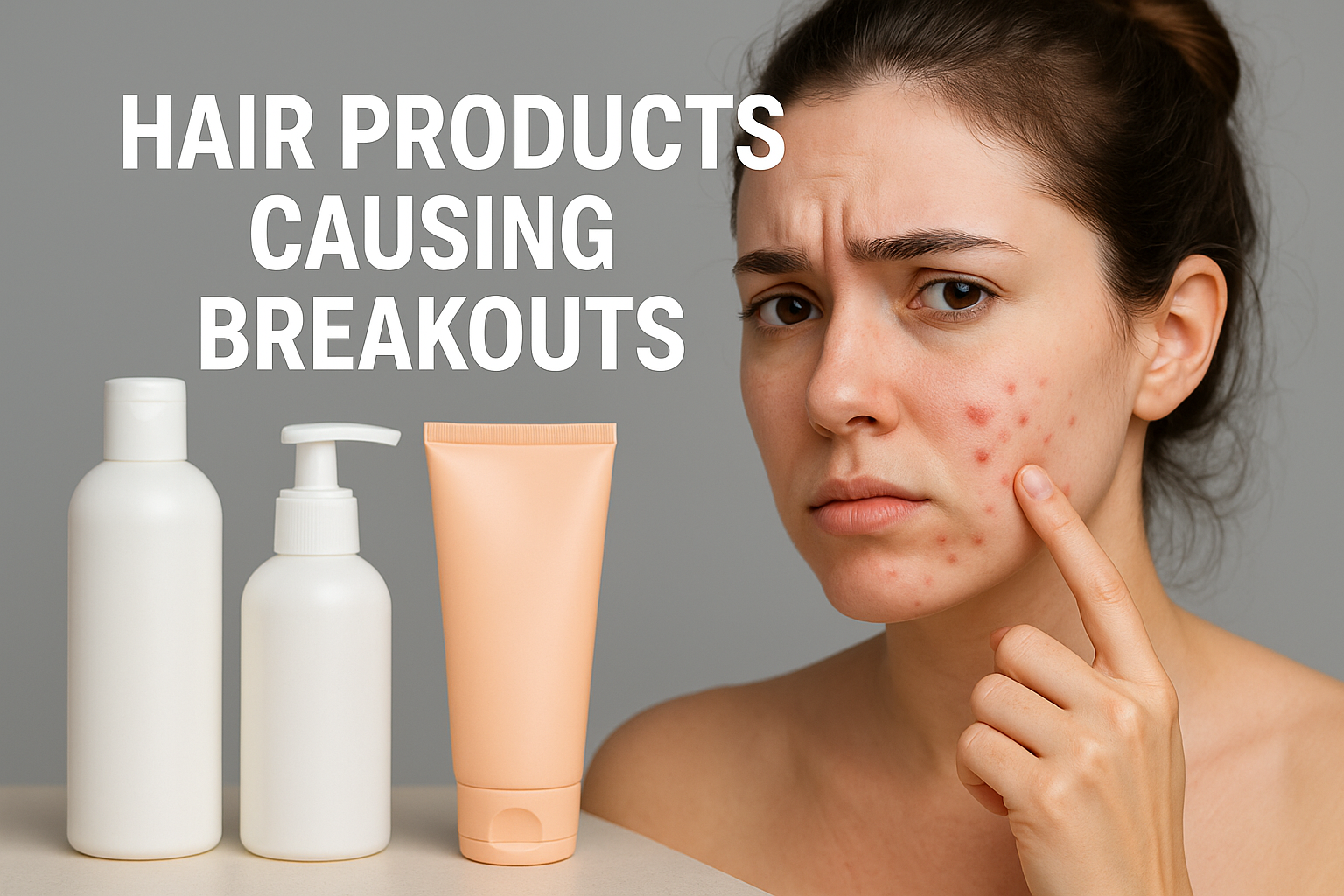
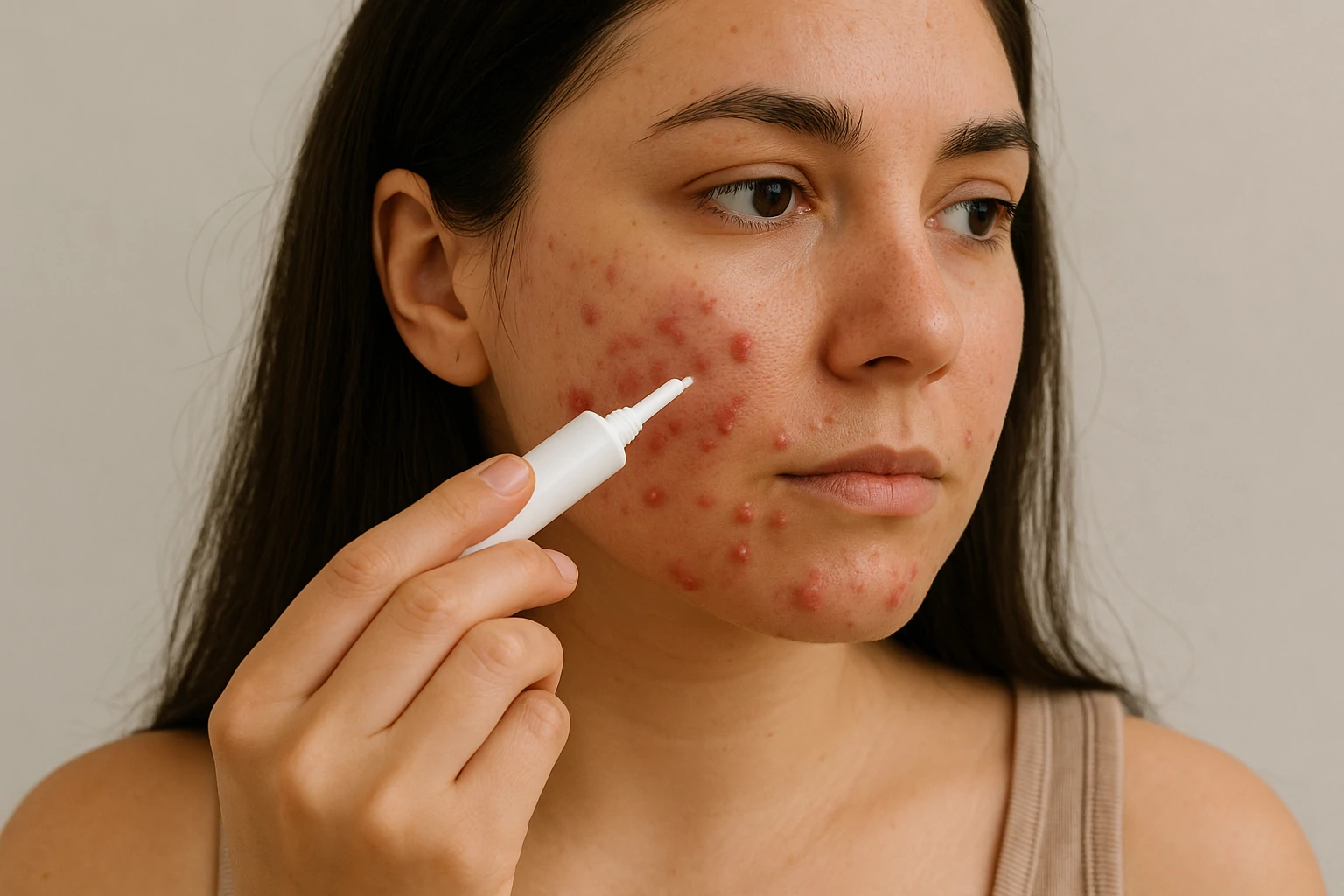
Acne is not only caused by internal factors but also by external influences, such as skincare and haircare products. According to board-certified dermatologist Dr Lauren Penzi, hair products can trigger a specific type of acne known as pomade acne or acne cosmetica. This condition typically presents as whiteheads and small, flesh-coloured bumps on the forehead, along the hairline, and sometimes on the back. The main culprits are comedogenic ingredients found in hair products, such as oils, silicones, and waxes, which can clog pores. (Breakouts)
Scientific studies have shown that residues from hair care products can remain on the skin even after cleansing. This residue may cause inflammation and worsen acne. Further eight-week research confirmed that switching to a non-comedogenic haircare routine can significantly reduce mild to moderate acne on both the face and body. Therefore, choosing lightweight, non-comedogenic hair products is essential for maintaining clear, healthy skin and preventing breakouts.
How to Prevent Breakouts from Hair Products
The Importance of Choosing Non-Comedogenic Products to Prevent Acne
The appearance of unwanted acne is often linked to the use of unsuitable skincare and haircare products. Therefore, it is essential to carefully check the ingredients in the products you use. According to board-certified dermatologist Dr Lauren Penzi, avoiding comedogenic ingredients — substances that can clog pores — is a key step in preventing breakouts.
Dr Penzi recommends switching to products clearly labelled as non-comedogenic, oil-free, won’t clog pores, or non-acnegenic. These labels indicate that the product is formulated to minimise the risk of pore blockage and skin inflammation.
This approach is known as an elimination technique, where potential acne triggers are identified and removed from your skincare routine. By using this method, you can determine whether your breakouts are caused by specific products or other factors such as hormones or lifestyle habits. Choosing non-comedogenic products is not only a preventive measure but also an essential step in maintaining long-term skin health.
Why Washing Your Bedding Is Essential for Preventing Acne
Keeping your bedding clean is often overlooked, yet it plays a crucial role in maintaining healthy skin. According to board-certified dermatologist Dr Lauren Penzi, washing your sheets and pillowcases at least once a week is highly recommended to help prevent acne. Dirty bedding can accumulate oils, dirt, dead skin cells, and hair care product residues — all of which can clog pores and trigger inflammation.
In addition to sheets and pillowcases, Dr Penzi advises regularly washing items that frequently come into contact with your skin and hair, such as hats, headscarves, bandanas, and visors. Hair product residues, including oils and silicones, can stick to fabrics and reintroduce impurities to your skin.
Incorporating regular bedding hygiene into your skincare routine can significantly reduce exposure to bacteria and dirt that worsen breakouts. This simple habit is a key part of an effective acne prevention strategy, supporting clearer, healthier skin over the long term.
Why You Should Avoid Hair Products Touching Your Skin
Many hair care products, such as heat protectants or leave-in conditioners, are designed in spray form for even distribution. However, this method often results in the product not only affecting the hair but also the skin, particularly around the forehead and cheeks. According to Dr. Lauren Penzi, direct exposure of hair care products to the skin can increase the risk of clogged pores and inflammation, which can ultimately lead to acne breakouts.
Non-spray products, such as leave-in conditioners, also pose a risk of skin contact if applied carelessly or if hands that have touched the product come into contact with the face. Therefore, Dr. Penzi advises avoiding direct application of hair products to the scalp or face and always washing your hands after applying hair care products.
By being more careful with your application technique, you can not only ensure maximum benefits for your hair but also protect your skin from residue that could damage its health. This simple practice is an important part of an effective acne prevention routine and helps maintain long-term skin balance.
Why Washing Hair Before Your Body Is Crucial for Skin Health
A simple shower routine, such as the order in which you wash your hair and body, can have a significant impact on your skin’s health. According to Dr. Lauren Penzi, the first step should be washing your shampoo and conditioner before cleansing your body. This ensures that hair product residues are thoroughly removed from the skin and don’t linger on areas of the body, especially the back, which can cause irritation or acne.
The importance of washing hair first is also emphasized by cosmetic and medical dermatologist Dr. Blair Murphy-Rose, MD, FAAD. She stresses that this applies not only to shampoo and conditioner but also to other hair care products like leave-in conditioners or styling gels. “Make sure to apply hair treatments like leave-in conditioner before washing your body or face,” she says. “This will help remove oils and other residues that can remain on the skin, which, if left behind, could lead to dirt buildup or clogged pores.”
By starting your shower routine with your hair, you help maintain the cleanliness of your body and facial skin while also preventing skin issues caused by leftover hair care products. Following this simple step can reduce the risk of irritation and acne, especially in areas like the back and chest, which are more exposed to hair care products.
The Hidden Risk of Leave-In Hair Treatments: How They Can Cause Acne
Leave-in hair treatments, such as conditioners, hair oils, mousse, hair masks, and pomades, are commonly used to improve hair health and manageability. However, experts warn that while these products benefit the hair, they can indirectly cause skin issues, particularly acne. According to Dr. Blair Murphy-Rose, a board-certified dermatologist, the longer these products stay on the hair, the more likely they are to come into contact with the skin, increasing the risk of clogged pores and acne.
These hair treatments can easily transfer to exposed skin areas, especially around the hairline, neck, and back. When products like hair masks, oils, or styling gels are left on for extended periods, their residues can build up on the skin. As a result, the ingredients in these products can clog pores and trigger acne. Dr. Murphy-Rose advises, “Be careful to keep these products away from acne-prone areas, and wash them off these areas if possible.”
One major culprit for acne caused by hair care products is hair oil. When applied and heated, hair oils can spread and easily transfer to the skin, even with a small amount. These oils can accumulate on the skin, clog pores, and lead to acne, especially in areas more prone to oil buildup, such as the scalp, hairline, and back. Dr. Murphy-Rose explains that even a tiny drop of hair oil is enough to cause pore blockages and acne.
To prevent acne and maintain healthy skin, it’s crucial to be cautious when applying hair treatments. Avoid direct contact between hair care products and skin, especially in acne-prone areas, and make sure to wash off any excess product to prevent buildup on the skin. This simple step can help maintain both healthy hair and clear, acne-free skin.
Conclusion
Although hair care products such as conditioners, hair oils, and mousses can cause acne, there are several simple steps you can take to help prevent skin issues. With a little attention to how you apply these products, you can keep your skin healthy and acne-free without having to give up your favorite products. Here are a few tips to prevent acne caused by hair care products:
Avoid Direct Contact with Skin: Make sure that hair care products, especially those in spray form or leave-in products, do not come into contact with your skin, especially in vulnerable areas like the hairline, forehead, and neck. Avoid touching your face or other areas of your body after applying products to your hair.
Wash Off Excess Product from Your Skin: Always cleanse your body and face with a gentle soap after using hair care products to ensure that any product residue does not stay on the skin and clog pores. Also, be sure to wash your hands after handling hair care products to prevent transferring product to your face or other areas.
- Choose Non-Comedogenic Products: Opt for hair care products that do not contain pore-clogging ingredients. Products labeled as “non-comedogenic” are generally safer for acne-prone skin, as they are less likely to cause blockages in the pores.
- Regularly Wash Bedding: Pillowcases and sheets contaminated with hair care products can also cause acne. Make sure to wash your bedding at least once a week to ensure that any leftover product does not transfer to your skin while you sleep.
- Consult a Dermatologist: If acne persists despite taking preventive steps, consult a dermatologist to get the right skin care routine. A dermatologist can help identify the right products and provide advice for better skin health.
With small changes in your hair and skin care routine, you can reduce the risk of acne without giving up your favorite products. These simple preventive steps will help keep your skin calm, clean, and free from acne.
You might also like

 Acne
Acne Anti-Aging
 Business
 Digital Marketing
 Economics
 Exfoliation
 Hair Removal
 Movies
 Personal Finance
 Websites