Hair Removal Longevity: How Long Every Method Actually Lasts

Managing body hair can feel like an endless cycle that demands constant upkeep. From a biological standpoint, hair grows in distinct phases, which means the longevity of any hair removal method depends on how it interacts with the hair follicle. The good news is that modern aesthetic technology now offers more flexibility than ever, allowing you to choose solutions that fit your lifestyle—whether at home or in a clinical setting.
According to board-certified dermatologists Lauren Penzi, MD, and Corey L. Hartman, MD, alongside renowned aesthetic expert Rhea Souhleris Grous, understanding the science behind each method is essential. Techniques that only trim hair at the surface will deliver very different results compared to treatments designed to target the root of the follicle.
This distinction plays a critical role in predicting how quickly hair will grow back and how smooth the skin will feel over time. By knowing which methods focus on temporary removal versus long-term reduction, you can make more informed decisions tailored to your skin type, hair texture, and personal maintenance preferences.
Let’s break down which hair removal options truly last longer—and which ones require frequent repetition.
1. Hair Removal Creams
Hair removal creams, medically referred to as topical depilatories, work through a chemical process rather than physical abrasion. As explained by board-certified dermatologist Lauren Penzi, MD, these formulas contain alkaline agents that break down the disulfide bonds within keratin—the protein that gives hair its strength. Once these bonds are dissolved, the hair shaft softens into a gel-like texture and can be wiped away easily.
It’s important to note that depilatory creams only affect hair above the skin’s surface. Because the follicle and root remain intact, people with darker or thicker hair may still notice a faint shadow beneath the skin after treatment.
In terms of longevity, results are comparable to shaving. Dr. Penzi notes that smoothness typically lasts from a few days up to one week, depending on individual hair growth cycles. This method is best suited for those seeking a quick, painless, and at-home hair removal option without mechanical friction.
2. Electrolysis
Electrolysis holds a unique position in dermatology as the only hair removal method approved by the FDA for permanent results.[1Cleveland Clinic. Electrolysis. Updated January 5, 2021.] This clinical procedure works by delivering a controlled electrical current directly into the hair follicle, effectively destroying the growth center. According to board-certified dermatologist Lauren Penzi, MD, while electrolysis is highly effective, it requires patience and commitment, as multiple sessions are necessary to treat hair in different growth stages.
The overall success of electrolysis depends on several key factors:
- The skill and precision of the licensed electrologist
- The technique used, such as galvanic or thermolysis
- Individual hormonal patterns that influence hair regeneration
During the treatment phase, results may last weeks to months as follicles are progressively disabled. While “permanent” does not always mean 100% hair-free for every patient due to biological variability, electrolysis remains the gold standard for long-term hair removal. With realistic expectations and proper treatment planning, it offers the most reliable reduction in unwanted hair available today.
3. Laser Hair Removal
Laser hair removal works through selective photothermolysis, a process where concentrated light energy targets hair pigment and converts it into heat to damage the follicle. Board-certified dermatologist Corey L. Hartman, MD, explains that this treatment slows active growth cycles and significantly reduces hair thickness over time. The FDA classifies laser as permanent hair reduction, meaning regrowth is minimal, finer, and slower—but not always completely eliminated.[2Gold MH, Foster A, Biron JA. Low-energy intense pulsed light for hair removal at home. J Clin Aesthet Dermatol. 2010;3(2):48-53.]
Results depend heavily on treatment consistency and technology used. Key factors include:
- Result Longevity: After five to six sessions, many patients experience smooth skin that can last for years.
- Advanced Devices: Newer platforms like Splendor X allow safer, more effective treatment across a wider range of skin tones.
- Treatment Schedule: Aesthetic expert Rhea Souhleris Grous recommends sessions every 4–6 weeks, with a total of 4–10 visits for optimal outcomes.
Compared to waxing or sugaring, laser hair removal offers superior long-term efficiency. For those seeking a low-maintenance solution with lasting benefits, this method is a strategic investment in both time and skin comfort.
4. Sugaring: A Natural Method with Medium-Term Results
Sugaring is a traditional hair removal technique that relies on a simple, organic formula made from sugar, water, and lemon juice. Heated to a pliable, paste-like consistency, this method is widely appreciated for being gentle and hypoallergenic—making it suitable for sensitive skin types.
From a technical standpoint, the sugar paste is applied against the direction of hair growth and removed swiftly in the natural growth direction. This approach offers several skin-friendly advantages:
- High Precision: Effectively removes even very short hairs
- Low Skin Trauma: Reduces the risk of breakage and irritation
- Root-Level Removal: Extracts hair from the follicle, not just the surface
According to dermatologist Lauren Penzi, MD, the smooth results from sugaring typically last between three and five weeks. For those seeking longer-lasting results than shaving—without relying on chemical formulas—sugaring delivers an honest, balanced solution that blends effectiveness with skin-conscious care.
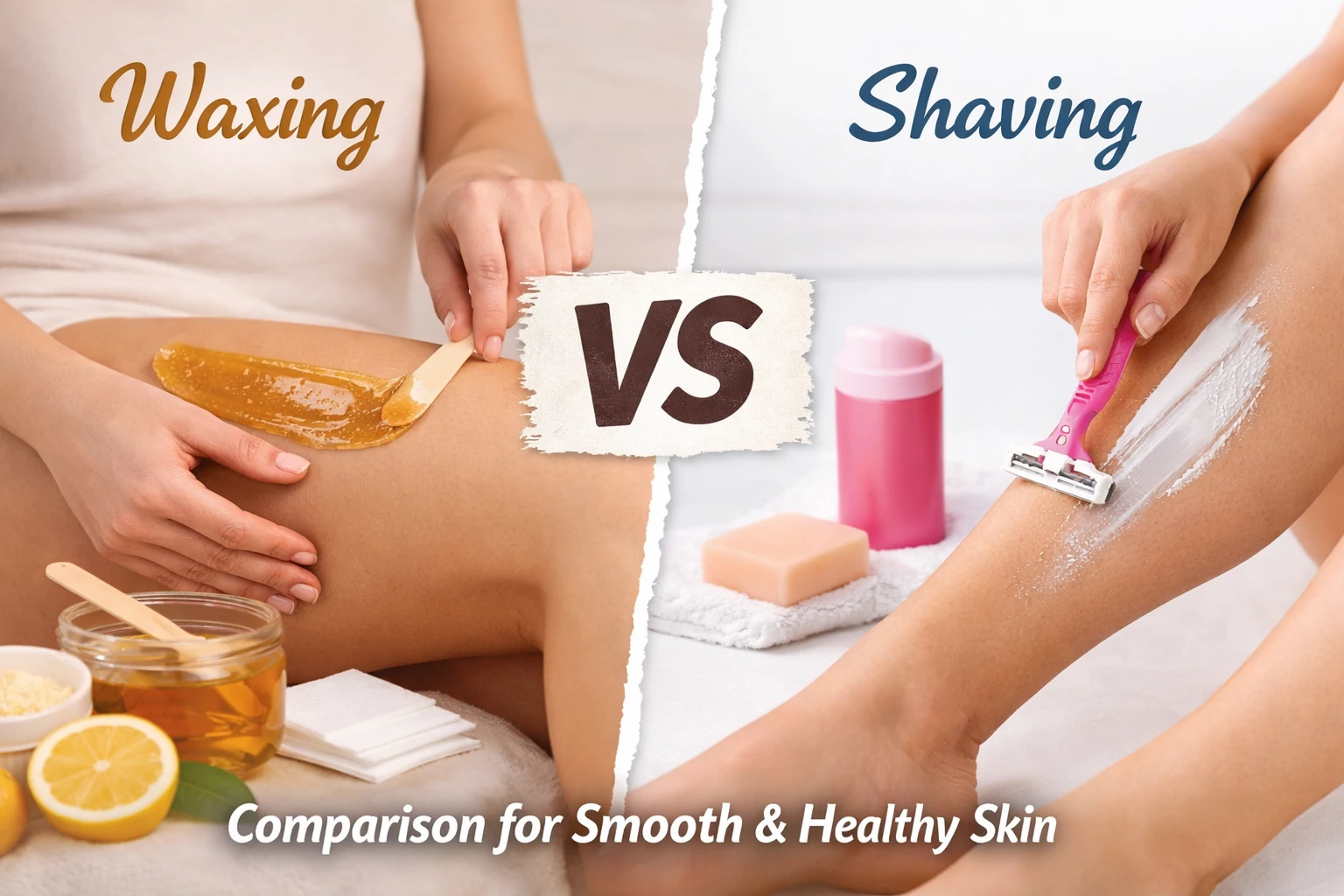
5. Waxing
Waxing is a mechanical hair removal method that uses resin-based formulas to pull hair out directly from the follicle. It remains popular for offering a practical balance between longer-lasting results and affordability, making it a more budget-friendly option compared to laser treatments.
When it comes to longevity, results can vary based on individual biology and hair cycles:
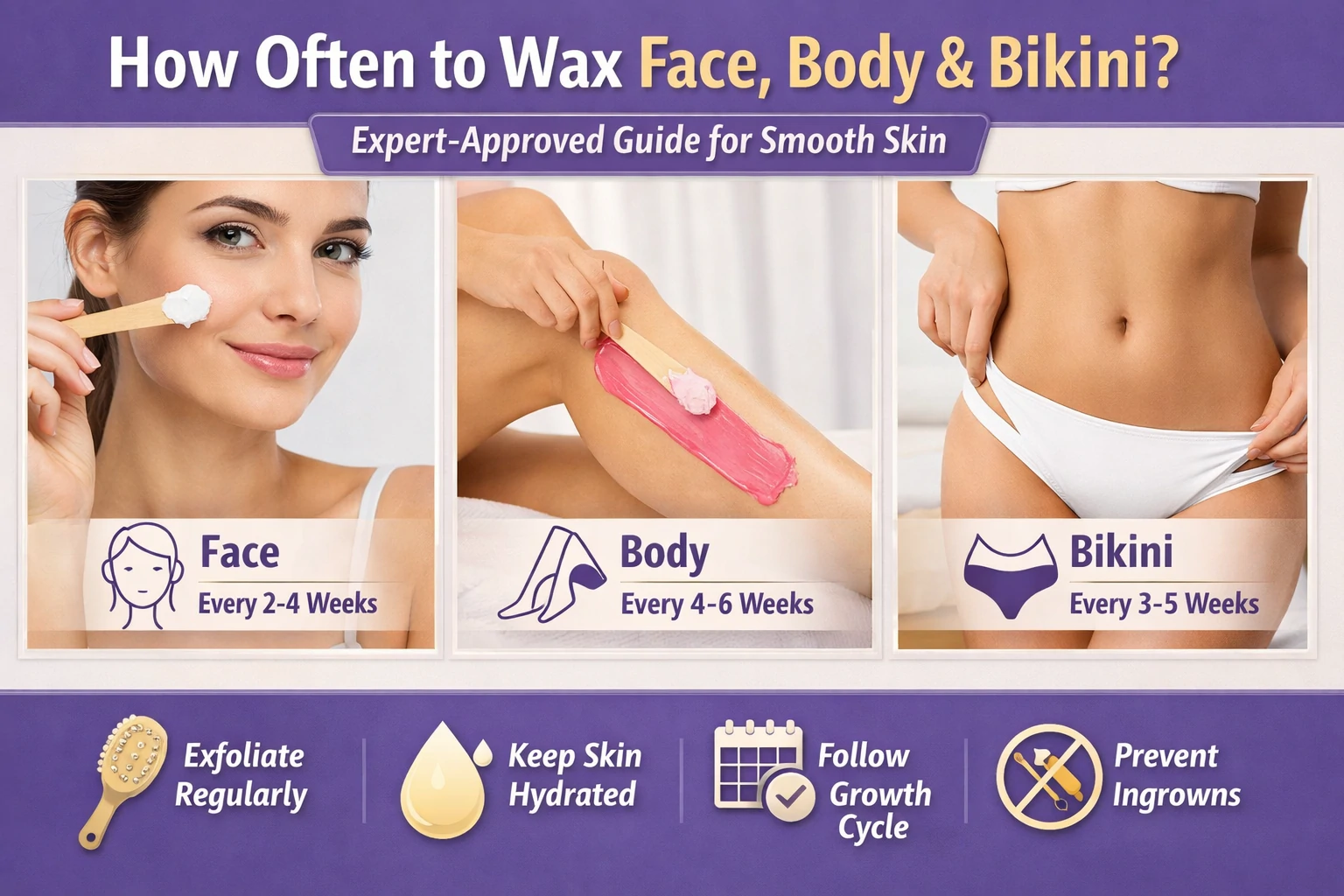
- Average Duration: Smooth skin typically lasts up to six weeks.
- Growth Cycles: Aesthetic expert Rhea Souhleris Grous recommends rebooking every four weeks for consistent results, while dermatologist Lauren Penzi, MD, notes that some individuals may notice regrowth within one to two weeks.
One important clinical consideration is hair length. For wax to adhere properly, hair needs to be approximately 0.6 cm long. This creates a short grow-out phase between sessions, unlike shaving, which can be done daily without waiting.
Despite this transition period, waxing remains a reliable and professional choice for those seeking noticeable hair-free results without long-term device-based treatments. With proper timing and technique, it delivers dependable smoothness for weeks at a time.
6. Threading
Threading is a traditional hair removal technique with Eastern origins, valued for its precision and manual expertise. This method uses twisted cotton or polyester threads to trap and pull hair directly from the follicle. Functionally, the thread acts like a controlled lasso, removing hair systematically without heat, chemicals, or electronic devices.
From a skin health perspective, threading offers several clear advantages:
- Maximum Precision: Ideal for shaping delicate areas such as eyebrows, as it targets even the finest hairs individually.
- Skin-Safe Method: With no heat or chemicals involved, threading is highly suitable for sensitive skin or for those using strong topical skincare treatments.
- Result Longevity: Clean, smooth results can last up to six weeks, depending on individual hair growth cycles.
Threading is an honest, professional option for anyone prioritizing accuracy and skin safety. Its speed and control make it a gold-standard technique for facial hair removal, especially where detail and cleanliness matter most.
7. Tweezing
Tweezing is a mechanical hair removal method that uses precision tools to pull hair directly from the follicle. From a biological perspective, its effectiveness varies by individual, with results typically lasting between two and six weeks. Hair regrowth speed and strand thickness play a major role in how long the skin remains smooth.
While tweezing does remove hair at the root, it has clear practical limitations that are important to understand:
- Limited Coverage: Because hairs are removed one by one, tweezing is time-consuming and inefficient for large body areas.
- Best Use Cases: Professionally, this method is best suited for small, detail-focused zones such as eyebrow shaping or removing stray facial hairs.
Tweezing remains a simple, affordable option that offers full control and accuracy. However, for larger areas or frequent maintenance, switching to a more time-efficient hair removal method is the more realistic and skin-smart choice.
8. Shaving: A Quick Fix with Short-Term Results
Shaving is the most widely used hair removal method, relying on manual or electric blades to cut hair at the skin’s surface. Technically, it does not reach the follicle, which explains why its results are the shortest-lasting compared to root-based removal techniques.
While shaving is popular for its speed and convenience, there are several dermatological factors worth considering:
- Irritation Risk: Blade friction can trigger razor burn or folliculitis, leading many people to switch to waxing or laser treatments.
- Result Duration: Dermatologist Lauren Penzi, MD, notes that visible regrowth often appears within one to three days.
- Hair Texture: Regrown hair may feel coarser because it’s cut bluntly at the thickest part of the strand.
From a professional standpoint, shaving works best as an emergency solution when instant results are needed. For longer-lasting smoothness, methods that target the hair root remain the more effective choice.
The Role of the Hair Growth Cycle in Result Longevity
Have you ever felt like hair grows back faster even after a recent treatment? Biologically, this doesn’t mean the method failed—it reflects how human hair grows in uneven cycles. Understanding these phases is essential for setting realistic expectations about how long hair removal results actually last.
Dermatology experts explain that each hair follicle rotates through three main stages:
- Anagen (Growth Phase): Hair is actively growing and strongly connected to the blood supply. This is the most effective phase for laser hair removal and electrolysis.
- Catagen (Transition Phase): Growth slows, and the follicle begins to shrink.
- Telogen (Resting Phase): The hair sheds naturally and is eventually replaced by new growth.
Because every hair strand is in a different phase at the same time, no single session can deliver permanent results. This is the professional reason consistency matters across all hair removal methods.
By aligning your treatment schedule with your natural hair growth cycle, you can achieve more efficient, longer-lasting smoothness—and avoid unnecessary disappointment.
At-Home Laser Devices (IPL): Are They as Effective as Clinical Treatments?
At-home Intense Pulsed Light (IPL) devices—such as Philips Lumea or Braun Silk-expert—have gained popularity for their privacy and convenience. However, from a medical standpoint, there are clear differences between home-use technology and professional-grade clinical lasers.
Consumer IPL devices use broad-spectrum light at lower energy levels to ensure safety for non-professional users. In contrast, board-certified dermatologist Corey L. Hartman, MD, explains that in-clinic lasers deliver a single, highly concentrated wavelength designed to target hair follicles with greater precision.
Here’s the honest comparison to consider:
- Safety: At-home devices prioritize user safety and reduce the risk of burns.
- Energy Level: Lower intensity means more sessions and ongoing maintenance are required.
- Results: Clinical treatments achieve faster and more noticeable hair reduction, especially on larger areas.
In summary, at-home IPL devices work best as a supportive option—ideal for maintenance between clinic visits or treating small areas. While they don’t match professional lasers in power, they remain a smart, flexible investment for consistent at-home care.
How to Make Smooth Skin Last Longer After Hair Removal
After any hair removal treatment, proper skin care plays a major role in slowing visible regrowth. From a dermatological perspective, maintaining hydration and a healthy skin barrier helps preserve smooth texture and supports optimal follicle recovery.
Aesthetic professionals recommend the following evidence-based strategies:
- Gentle Exfoliation: Start light chemical exfoliation—such as Salicylic Acid or Glycolic Acid—about two days post-treatment. This helps prevent ingrown hairs and keeps the skin surface even.
- Follicle Inhibitors: Topical products containing soy extract or hair growth inhibitors may gradually reduce follicle activity with consistent use.
- Deep Hydration: Applying a fragrance-free moisturizer, such as CeraVe Moisturizing Cream, soothes the skin and calms follicles after mechanical stress from waxing or sugaring.
According to aesthetic expert Rhea Souhleris Grous, well-hydrated skin also reduces the risk of hair breaking beneath the surface—a common reason skin feels rough sooner than expected.
With honest, consistent post-treatment care, you not only protect skin health but also extend the time between hair removal sessions.
Internal Factors: Why Your Hair May Grow Faster
Ever notice that your hair seems to grow faster than others’, even when using the same method? Medically, smoothness isn’t just about the quality of razors or laser devices—it’s also strongly influenced by internal biological factors.
Key elements that affect follicle regeneration include:
- Hormonal Profile: Androgens like testosterone are major drivers of hair growth. Fluctuations during menstrual cycles, pregnancy, or conditions like PCOS can significantly speed up the anagen (growth) phase.
- Genetics: DNA inheritance determines follicle density and how actively hair cells divide.
- Blood Flow & Nutrition: Good vascularization and certain nutrients strengthen the follicle, promoting faster and thicker hair regrowth.
According to board-certified dermatologist Corey L. Hartman, MD, it’s important to set honest expectations: everyone’s results are unique. Understanding these internal factors allows you to plan hair removal schedules more professionally, reducing frustration and improving long-term results.
Final Thoughts
Choosing the right hair removal method balances biological science with your lifestyle needs. Longevity depends on whether a method works only at the surface—like shaving or depilatory creams—or targets the hair follicle, such as laser and electrolysis.
Internal factors, including hormones and natural hair growth cycles, also influence how quickly hair returns. Here’s a clear overview:
- Short-Term: Shaving and depilatory creams (1–7 days)
- Medium-Term: Waxing, sugaring, and threading (3–6 weeks)
- Long-Term: Laser and electrolysis (months to years)
Professionally, consistent treatments and proper post-care are key. With realistic expectations and a solid understanding of the science, you can enjoy longer-lasting smooth skin while keeping your skin healthy and protected.
ARTICLE SOURCES
You might also like
 Acne
Acne Anti-Aging
 Business
 Digital Marketing
 Economics
 Exfoliation
 Hair Removal
 Movies
 Personal Finance
 Websites