History of Bathhouses: The Ultimate Winter Wellness Ritual Guide
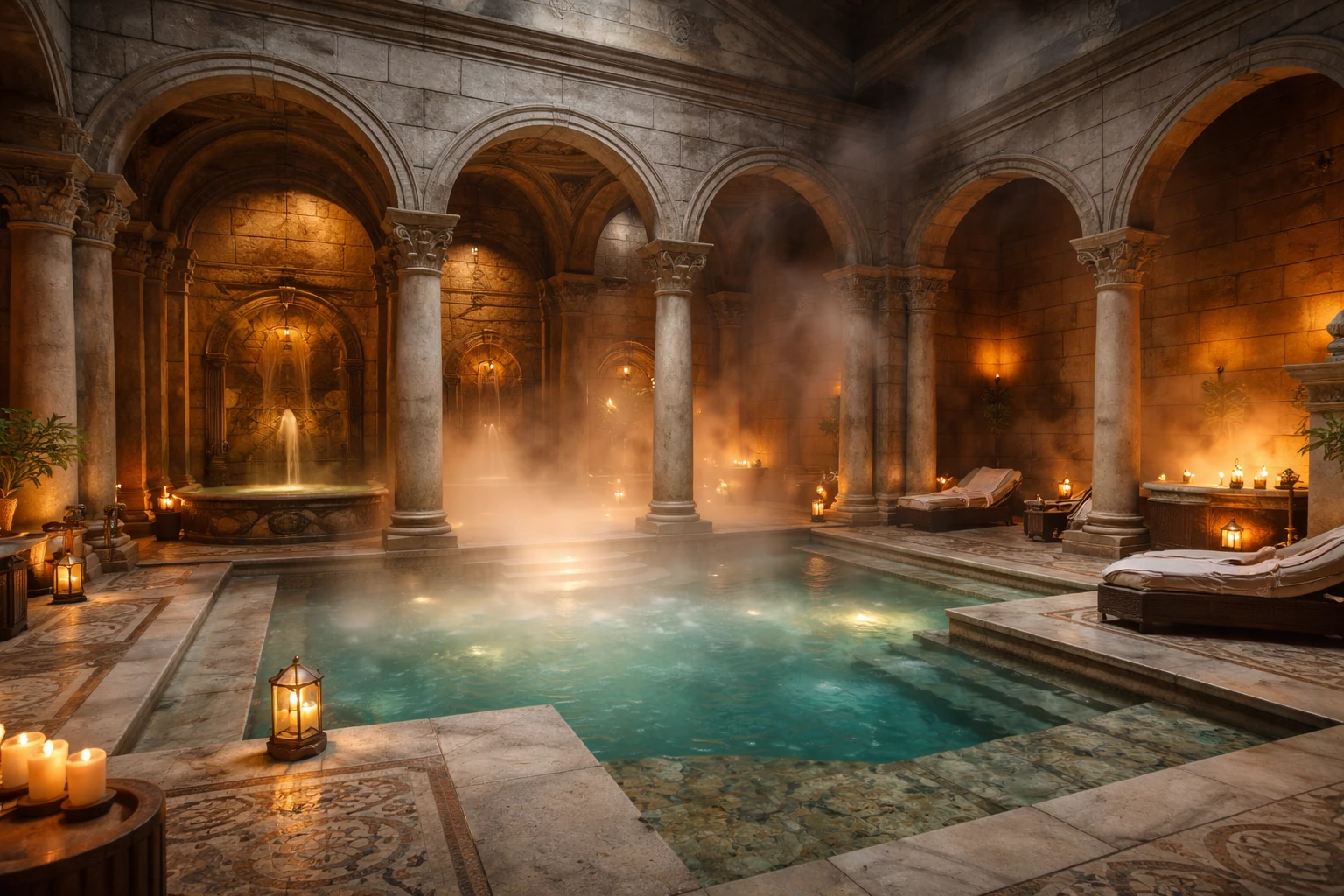
Long before modern plumbing became a private luxury, ancient civilizations embraced the bathhouse as a vital hub for social connection and holistic health. Dating back to 2500 BCE, these communal rituals were never just about hygiene; they were sacred ceremonies for the mind and body. Interestingly, the Global Wellness Institute reports a 2024 resurgence in hydrothermal therapy, as modern seekers shift toward authentic, time-tested wellness solutions.
Historically, every major civilization—from Rome to Asia—perfected its own thermal adaptation. Today, these traditions have evolved into inclusive, modern experiences such as:
- Russian Banya: High-heat steam therapy designed for deep detoxification.
- Turkish Hammam: A focus on vigorous skin exfoliation and profound muscle relaxation.
- Contemporary Spas: Integrating cutting-edge health tech with classic thermal architecture.
For skincare beginners, understanding this history is key to mastering winter wellness. Research from New York health experts suggests that these ancient rituals provide the perfect antidote to 21st-century stress, offering a unique blend of mental clarity and dermatological care.
What Is a Bathhouse? A Modern Science of Hydrotherapy
At its core, a bathhouse is a structured communal space utilizing hydrotherapy to enhance physical and mental well-being. Whether you visit a Japanese Onsen, a Turkish Hammam, or a Russian Banya, the scientific principle remains the same: optimizing health through temperature manipulation.
Teyma Touati, founder of Nerrā, notes that Mediterranean traditions were born from cultural fusion. The Greeks pioneered self-care through hot water, which the Romans later refined into Thermae. This system scientifically categorizes rooms by temperature: the frigidarium (cold), tepidarium (warm), and caldarium (hot). This thermal cycling is proven to boost circulation and immune function.
This evolution continues through:
- Turkish Hammams: Maintaining the Roman three-room system with iconic marble aesthetics.
- North African Traditions: Incorporating clinical protocols like Kessa glove exfoliation and nutrient-rich clay masks.
Andrea Trillo of Aire Ancient Baths emphasizes that these spaces fulfill our biological need for water and connection. Similarly, Jason Goodman of Bathhouse confirms that modern facilities now prioritize functional design to deliver measurable health results for busy urbanites.
What to Expect: The Modern Bathhouse Experience
A modern bathhouse is a creative fusion of ancient heritage and advanced wellness technology. It is essential to distinguish it from a conventional spa: while spas focus on private, solitary pampering, bathhouses are designed as communal social spaces that prioritize measurable health outcomes through shared experiences.
Today’s facilities integrate traditional methods with medical-grade innovations, offering:
- Advanced Thermal Therapy: Utilizing infrared saunas for deeper heat penetration into muscle tissue, surpassing the reach of standard steam.
- Mind-Body Calibration: Focusing on tactile sensory experiences to trigger a “digital detox” and reduce cognitive fatigue.
- Biophilic Design: Calm, nature-inspired environments engineered to stimulate the parasympathetic nervous system from the moment you enter.
Jason Goodman of Bathhouse emphasizes that visitors should expect an authentic, transparent journey. Similarly, Andrea Trillo of Aire Ancient Baths explains that the goal is total restoration—ensuring guests leave with both physical vitality and mental clarity. This holistic approach makes the bathhouse a premier destination for those seeking to balance social connection with deep biological recovery.
Beyond Relaxation: The Clinical Benefits of Hydrothermal Rituals
As bathhouses surge in popularity, they are often oversimplified as mere places to relax. However, the benefits are deeply systemic. Teyma Touati, founder of Nerrā, explains that the core of the ritual is a clinical cleansing process involving detoxification and the regeneration of the integumentary (skin) system.
The ritual functions through three scientifically integrated stages:
- Thermotherapy (Steam): Opens pores and softens keratin, preparing the skin for efficient deep-cleansing.
- Mechanical Exfoliation: Removes accumulated dead skin cells to trigger healthy cellular turnover and collagen synthesis.
- Hydration & Nourishment: Replenishes the skin’s natural lipid barrier using nutrient-rich oils when the skin is at its most receptive.
Jason Goodman points out that the true success of a session isn’t just the comfort felt while soaking, but the long-term physiological effects—such as improved blood circulation and metabolic waste removal. Ultimately, a bathhouse visit is a holistic health investment that treats both biological and psychological needs in one comprehensive cycle.
The Science-Backed Benefits of Hydrothermal Therapy
Modern bathhouses offer an empirically tested spectrum of health benefits, particularly for physical recovery. Mominatu Boog, a yoga instructor and ultra-runner, emphasizes that the combination of steam, saunas, and cold plunges significantly accelerates muscle repair. Physiologically, transitioning between extreme temperatures triggers vasoconstriction and vasodilation, which flushes the lymphatic system, boosts circulation, and reduces systemic inflammation.
Dianna Cohen, founder of Crown Affair, adds that cold-water exposure does more than fight inflammation; it builds mental resilience by training the nervous system to manage stress responses. Beyond biology, the bathhouse serves as a vital sanctuary for digital detoxification. Kayla Conti of Google highlights the importance of these screen-free spaces to prevent sensory overstimulation and protect long-term neurological health.
In summary, the key advantages include:
- Physiological: Rapid muscle regeneration and reduction of chronic inflammation.
- Psychological: A meditative environment for cognitive recovery and mental clarity.
- Versatility: The ability to adapt these rituals at home using high-quality body care products.
Integrating these practices provides a robust wellness foundation for anyone navigating the high-stress dynamics of modern life.
The “Social Soak” Concept: Balancing Community and Privacy
Historically, the bathhouse was never just a sanitation facility; it was the “social gravity” of the community. Teyma Touati recalls traditional baths as vibrant spaces filled with connection and laughter—a phenomenon that persists in modern designs catering to group interactions. Jason Goodman notes a rising trend in “Social Soaking” or “Spa-rties,” where visitors celebrate milestones through shared wellness.
However, the modern bathhouse experience offers a flexible spectrum:
- Guided Interaction: Locations like Othership use collective activities, such as group ice baths, to build communal mental toughness.
- Communal Decompression: Spaces like Bathhouse Flatiron focus on physical recovery while allowing friends to stay connected in a relaxed setting.
- Solitary Retreats: For those like Mominatu Boog, the bathhouse remains a profound space for private meditation and internal focus.
Andrea Trillo of Aire Ancient Baths emphasizes that regulating guest capacity is crucial to maintaining a sense of intimacy. Whether used to strengthen social bonds or as a private sanctuary for peace, the bathhouse remains a versatile health institution uniquely adapted to our modern psychosocial needs.
Essential Advice for Bathhouse Beginners
Entering a bathhouse for the first time can feel intimidating, but these facilities are expertly designed to adapt to your unique physiological needs. For newcomers, a guided session is highly recommended to learn safe thermotherapy protocols. However, self-exploration is perfectly fine if you listen closely to your body’s signals.
To ensure a successful first visit, health experts suggest these essential steps:
- Systemic Hydration: Drink plenty of water and electrolytes before and after to compensate for fluid loss through sweat.
- Time Management: Allot enough time for your heart rate and circulation to stabilize between stations; never rush the process.
- Psychological Comfort: Wear swimwear that makes you feel confident and focus entirely on your internal experience rather than your appearance.
Crucially, leave your ego at the door. Mominatu Boog advises against comparing your temperature tolerance to others. If a sauna feels overwhelming, exit immediately to cool down. Respecting your biological boundaries is the key to reaping long-term health rewards without risking circulatory strain.
The Science of Contrast Therapy: Why Hot and Cold Work
Contrast therapy—alternating between extreme heat and cold—is more than just a wellness trend; it is a sophisticated biological method that leverages the body’s adaptive responses. Scientifically, this is known as hormesis, where controlled, short-term stress actually strengthens your internal systems.
When you transition from hot to cold, your body undergoes two primary mechanisms:
- Vascular Pumping: High heat causes vasodilation (widening of blood vessels), while the cold plunge triggers instant vasoconstriction (narrowing). This “pumping” action efficiently flushes out metabolic waste, such as lactic acid, and boosts nutrient delivery.
- Hormonal Activation: Heat exposure triggers heat shock proteins that repair damaged cells. Conversely, cold exposure spikes norepinephrine, a hormone that sharpens mental focus and significantly reduces systemic inflammation.
For those with active lifestyles, this ritual accelerates muscle tissue recovery. Beyond the physical, synchronizing these temperature extremes trains your autonomic nervous system, helping you remain calm and resilient against daily stress. It isn’t just magic; it’s biology in action.
Digital Detox: Finding Mental Clarity in a Connected World
In an era of constant digital stimulation, our brains frequently face cognitive overload. The bathhouse serves as a vital psychological intervention, facilitating a total digital detox. By storing your devices before entering, you consciously halt the artificial dopamine loops triggered by notifications, allowing your nervous system to finally recalibrate.
Scientifically, the quiet, low-distraction environment of a bathhouse encourages your brain waves to shift from Beta waves (alert/stressed) to more relaxed Alpha or Theta states. This mental restoration is driven by:
- Parasympathetic Activation: Warm water and silence lower cortisol levels, effectively switching off the “fight or flight” response.
- Attention Restoration: Resting the brain’s executive functions to boost creativity and focus post-session.
- Sensory Mindfulness: Reconnecting with physical sensations on the skin and rhythmic breathing rather than a glowing screen.
For the modern professional, an hour without technology isn’t a luxury—it’s a biological necessity. This ritual allows you to clear mental clutter and return to your daily challenges with a refreshed, sharp perspective.
Winter Skin Science: Combating Seasonal Dryness
Cold air and low humidity are notorious for damaging the skin barrier, leading to dryness, irritation, and micro-cracks. From a dermatological perspective, bathhouse rituals function as a restorative therapy that replenishes hydration through a precise, three-stage mechanism.
This biological recovery process includes:
- Thermal Hydration: Steam from a sauna or hammam softens the keratin layer (dead skin cells) and gently opens pores, allowing moisture to penetrate the epidermis.
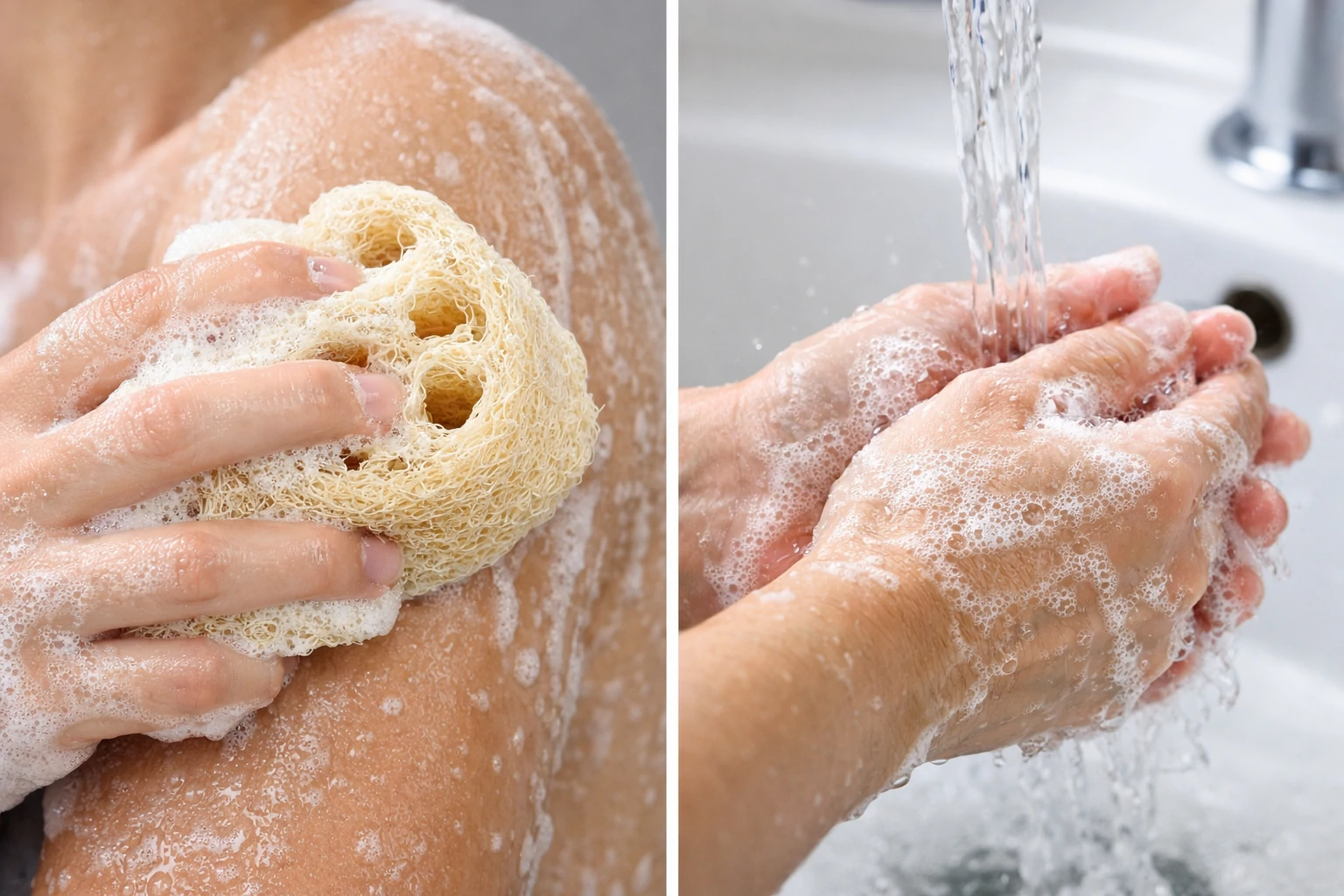
- Regenerative Exfoliation: Using tools like a Kessa glove while the skin is damp removes buildup without stripping natural lipids, making the skin texture smoother and more receptive.
- Absorption Optimization: When the skin is warm and moist, nutrient-rich oils—such as argan or jojoba—absorb significantly deeper into the dermis compared to application on dry skin.
By integrating these rituals, you are doing more than just cleaning your surface; you are strengthening your integumentary system against environmental aggression. The result is skin that remains supple, radiant, and resilient, even in the harshest winter conditions.
Final Thoughts
The bathhouse is far more than a historical relic; it is a sophisticated wellness solution uniquely suited to the challenges of 21st-century life. By blending the science of contrast therapy, the necessity of digital detoxification, and restorative winter skincare, this ritual offers a comprehensive recovery system for both the physical body and the cognitive mind.
Biologically, alternating temperature extremes strengthens circulation and immune resilience, while the serene communal atmosphere repairs mental health from “digital fatigue.” By understanding the underlying scientific mechanisms—from cellular regeneration via exfoliation to the activation of the parasympathetic nervous system—you can utilize the bathhouse as a powerful tool for longevity.
Whether you embrace it as a social “spa-rty” or a solitary meditative retreat, the core of the ritual remains the same: honoring your body’s biological boundaries and reclaiming inner peace. Integrating this ancient tradition into your modern lifestyle is a definitive step toward a more balanced, energized, and resilient version of yourself.
You might also like


 Acne
Acne Anti-Aging
 Business
 Digital Marketing
 Economics
 Exfoliation
 Hair Removal
 Movies
 Personal Finance
 Websites