How Harmful Is Tanning Oil? Dermatologists Explain
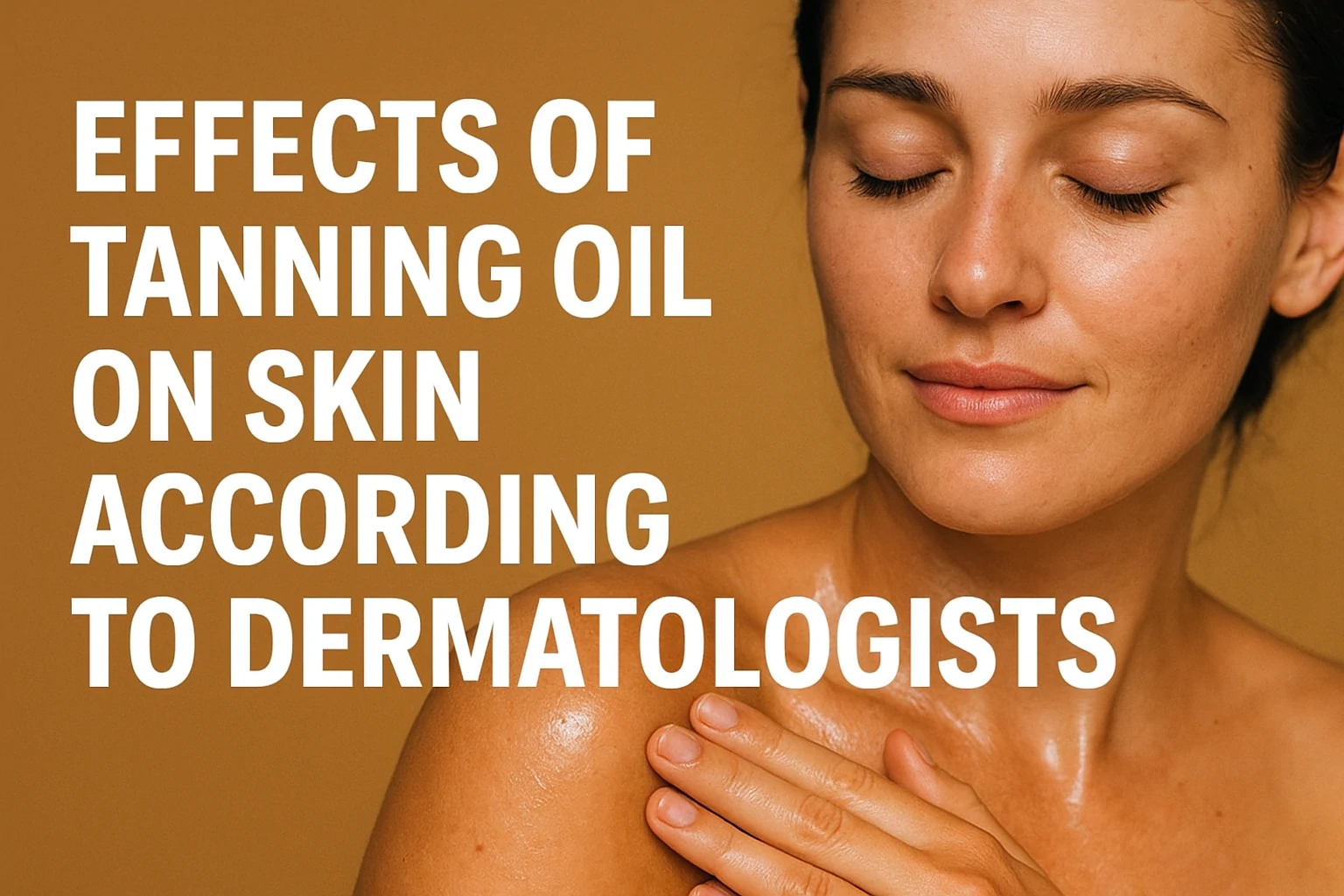
A sun-kissed glow often feels like a quick confidence boost, making skin look warmer and more radiant. But behind that aesthetic appeal, any intentional UV exposure still carries real risks. Even mild tanning means your skin is responding to UV damage—whether through sunburn, inflammation, or early aging.
Many people avoid sunscreen because it feels thick, greasy, or leaves a white cast, which is why tanning oil can seem like an easier, more flattering alternative. Some formulas even include low-level SPF, creating the impression that they offer safer tanning.
However, dermatologists like Debra Jaliman, MD, and Richard Bottiglione, MD, emphasize that no tanning oil can provide meaningful UV protection. The skin may look glowing and bronzed, but the process behind it involves cellular stress and DNA damage.
If you’re unsure why tanning oil falls short of “safe tanning,” the next sections break down how these products work—plus why the short-term glow often comes at a long-term cost. Understanding this helps you make more informed choices for healthy, resilient skin.
How Does Tanning Oil Work? The Science Behind the Glow
Tanning oil works by making your skin absorb UV radiation more efficiently. According to dermatologist Debra Jaliman, MD, these products increase the skin’s responsiveness to UV light, speeding up melanin production. The result is a quicker tan—but it happens because your skin is exposed to more UV damage, not less.
Natural oils such as coconut, olive, or sunflower oil can darken the skin under sunlight, but they offer zero real sun protection. Without proper SPF, the skin is more prone to irritation, sunburn, and long-term cellular damage.
Dermatology experts also note that tanning oils reduce the skin’s surface refractive index, allowing UV light to penetrate deeper. This intensifies pigment formation, creating the visual glow many people seek—but at the expense of skin health.
In short, tanning oil accelerates tanning by amplifying UV exposure. While the immediate effect may look attractive, the underlying mechanism increases the risk of skin damage, premature aging, and pigmentation issues—far outweighing any perceived benefits.
Is Tanning Oil Safe to Use? What Dermatologists Really Say
In dermatology, tanning oil is widely considered unsafe—especially when used in place of sunscreen. These products simply don’t provide the UV protection your skin needs to prevent sunburn, photoaging, or skin cancer.
Most tanning oils include SPF levels around 15 or lower, which dermatologists like Debra Jaliman, MD, say is far below the recommended SPF 30+. At such low protection, UV rays can still penetrate deeply and trigger inflammation and DNA damage.
Dermatologist Richard Bottiglione, MD, adds that tanning oils may actually make skin more vulnerable by helping UV rays pass through the skin’s outer layers. This means the skin darkens faster, but also burns and ages faster.
Ultimately, tanning oils fail to offer the protection required for safe sun exposure. If you want to enjoy outdoor activities without compromising your skin, dermatologists unanimously recommend broad-spectrum sunscreen over any type of tanning oil.
What If I Add Sunblock? Does It Make Tanning Oil Safer?
Layering sunscreen on top of tanning oil is a common attempt to make tanning “safer,” but dermatologists warn this method doesn’t work. The oily layer interferes with how sunscreen spreads and adheres to the skin, leaving thin, uneven coverage.
Both mineral and chemical sunscreens need a clean, dry surface to form an effective UV-protective film. When applied over oil, their protective particles disperse, reducing the actual SPF you get—sometimes dramatically. You may feel protected, but your skin is still exposed.
This false sense of security often leads people to stay in the sun longer, increasing risks of sunburn, DNA damage, hyperpigmentation, and premature aging.
Dermatology experts advise using a broad-spectrum SPF 30 or higher on its own, without mixing it with tanning oil. Even applying them separately won’t help, because tanning oil still enhances UV penetration. In short, combining tanning oil and sunscreen doesn’t create safer tanning—it simply weakens your protection.
What Are the Risks of Using Tanning Oil?
Using tanning oil significantly increases your exposure to UV radiation, which is already harmful even without an added layer of oil. Because tanning oil enhances UV absorption, your skin receives more radiation in a shorter time, raising the risk of both short-term and long-term damage.
Dermatologist Debra Jaliman, MD, explains that sun damage is cumulative. Even brief daily exposure—around 10 minutes—can gradually alter the skin’s structure. When you intentionally tan to achieve a deeper color, that UV dose rises sharply, heightening the risk of multiple dermatological issues.
Common consequences of excessive UV exposure include premature wrinkles, fine lines, loss of elasticity, dark spots, hyperpigmentation, and—most seriously—skin cancer. These effects arise because UV light breaks down collagen, triggers inflammation, and damages DNA within skin cells.
Since tanning oil accelerates UV penetration, it not only speeds up tanning but also speeds up cellular damage. For this reason, dermatology experts strongly advise avoiding tanning oil during sun exposure and prioritizing proper sun protection instead.
Tanning Oil vs. Baby Oil: Which Is Worse for Sun Exposure?
Baby oil was once a popular shortcut for getting a quick, glossy tan. Its mineral-oil base locks in moisture and makes the skin look smooth and reflective. But dermatologists warn that baby oil offers zero UVA or UVB protection, meaning it does nothing to shield your skin from sunburn or long-term UV damage.
Tanning oil, on the other hand, is specifically formulated for tanning and may include a small amount of SPF. While this SPF is usually very low—far below what dermatologists recommend—it still provides slightly more protection than baby oil. However, both products ultimately leave your skin vulnerable.
Experts emphasize that neither tanning oil nor baby oil can replace broad-spectrum sunscreen. Only a properly formulated SPF 30+ product can help defend your skin from cumulative UV damage that leads to aging, pigmentation, and skin cancer.
In short, these oils may provide a temporary glowing finish, but they are not safe for sun protection. Prioritizing sunscreen remains the most effective way to maintain healthy, youthful skin.
How to Practice Sun Safety
Chasing a deeper tan may seem appealing, but intentional tanning carries serious risks for skin health. Sun exposure is unavoidable in daily life, which is why smart, consistent photoprotection is essential—especially for beginners in skincare.
According to dermatologist Debra Jaliman, MD, using a broad-spectrum sunscreen with at least SPF 30 is the foundation of sun safety. Sunscreen helps reduce UVA and UVB penetration, lowering the risk of premature aging, sunburn, and DNA damage.
It’s also important to understand that a tan is not a sign of healthy skin. It’s a biological stress response—your body increases melanin production to defend itself against UV injury. In other words, tanning is evidence of damage already happening beneath the surface.
To optimize your protection:
- Wear protective clothing such as wide-brim hats and UV-filter sunglasses.
- Avoid direct sun exposure during peak UV hours.
- Reapply sunscreen every two hours, especially when sweating or swimming.
With consistent habits, you can enjoy time outdoors without sacrificing your skin’s long-term health.
How Can You Tell If You Have Sun Damage?
Identifying early signs of sun damage helps you treat issues before they progress. Dermatologists recommend regular self-checks and professional evaluations, particularly if you spend a lot of time outdoors.
The earliest sign is often sunburn—skin that feels hot, red, and painful after UV exposure. Repeated sunburn weakens collagen, making the skin more sensitive, prone to irritation, and more likely to develop wrinkles or a prematurely aged appearance.
You should also watch for hyperpigmentation or dark spots. While genetics play a role, high UV exposure can deepen or increase these marks over time.
Changes in moles are another important warning sign. If a mole becomes larger, darker, asymmetrical, develops uneven borders, or bleeds easily, dermatologists advise seeking medical attention promptly. These shifts may indicate a more serious underlying problem.
By recognizing symptoms early, you can minimize complications and take timely action to protect your skin from further UV damage.
Safe Alternatives to Tanning Oil: Self-Tanner & Spray Tan
If you want a sunkissed glow without UV exposure, self-tanners and spray tans are the safest alternatives to tanning oil. Dermatologists consistently recommend these options because they darken the skin’s surface layer without triggering UV-related cell damage.
Self-tanners typically contain DHA (dihydroxyacetone), which reacts with amino acids in the outermost skin layer to create a natural-looking tan within hours. Because the process does not involve sunlight, experts consider it a suitable choice for anyone seeking color without increasing their risk of skin cancer. Popular options like St. Tropez, Bondi Sands, and Tan-Luxe are often praised for delivering even, long-lasting results.
Spray tans are another dermatologist-approved choice. Professional application allows for smoother coverage, making them ideal for events or when you want instant, uniform color. While temporary, spray tans offer a convenient glow without compromising long-term skin health.
Dermatologists also remind users to keep wearing sunscreen after applying a self-tanner or spray tan. The cosmetic color does not protect against UVA or UVB rays. With the right routine, you can enjoy a bronzed look while keeping your skin safely protected.
Are There Any Myths About Tanning That Put Your Skin at Risk?
Many common tanning myths can put your skin at risk, even though they sound harmless. One of the most persistent beliefs is that a “base tan protects you from sunburn.” Dermatologists have long disproven this claim. A base tan offers protection equal to roughly SPF 3—nowhere near enough to defend against UVA or UVB damage.
Another widespread myth is that tanning makes your skin healthier. Experts emphasize that a tan is actually a sign of DNA injury, not improved skin. Melanin increases to defend your cells from UV stress, meaning tanning is a biological alarm signal, not a beauty benefit.
Some people also believe tanning on cloudy days is safer. In reality, up to 80% of UV rays still penetrate clouds, so your skin remains vulnerable even when the sun isn’t visible.
Others assume tanning beds are safer than natural sunlight. Dermatologists warn that tanning beds can emit high doses of concentrated UV radiation, greatly increasing the risk of melanoma and other skin cancers.
Understanding these myths helps you avoid dangerous habits and make informed decisions that protect your skin long-term.
How to Reverse or Treat Sun-Damaged Skin
Sun damage is cumulative, but the right skincare routine can help repair and improve your skin over time. Dermatologists recommend combining consistent at-home care with professional treatments when needed.
For daily routines, retinoids are considered one of the most effective ingredients. They stimulate collagen production, refine texture, and reduce fine lines. Vitamin C is also recommended to brighten hyperpigmentation and neutralize free radicals, while niacinamide helps strengthen the skin barrier and reduce inflammation.
For more visible sun damage, professional treatments may offer faster or more dramatic improvements:
- Chemical peels to remove dead skin cells and even out tone.
- IPL or laser therapy to target dark spots and signs of aging.
- Microneedling to boost elasticity and soften fine lines.
Dermatologists consistently stress the importance of daily SPF 30 or higher. Without proper UV protection, even the most effective treatments cannot deliver lasting results.
With the right combination of skincare and medical procedures, many signs of sun damage can gradually improve, helping restore healthier, smoother, and more radiant skin.
Final Thoughts
Tanning oil may create a momentary glow, but dermatologists agree it offers little to no real UV protection and significantly increases the risk of sunburn, premature aging, and skin cancer. Because tanning itself is a sign of cellular stress, there is no truly “safe” way to tan under the sun. Even combining tanning oil with sunscreen cannot prevent deeper UV penetration or long-term damage.
For a bronzed look without the health risks, self-tanners and spray tans are the safest, dermatologist-approved alternatives. Pairing these with daily broad-spectrum SPF 30+ ensures your skin stays protected while still achieving your preferred aesthetic.
Recognizing myths about tanning, watching for signs of sun damage, and choosing evidence-based skincare can help maintain healthy, resilient skin. In the end, protecting your skin isn’t about avoiding beauty—it’s about choosing methods that keep you glowing now and in the future.
You might also like
 Acne
Acne Anti-Aging
 Business
 Digital Marketing
 Economics
 Exfoliation
 Hair Removal
 Movies
 Personal Finance
 Websites