How Long Does Botox Really Last? Experts Share the Truth
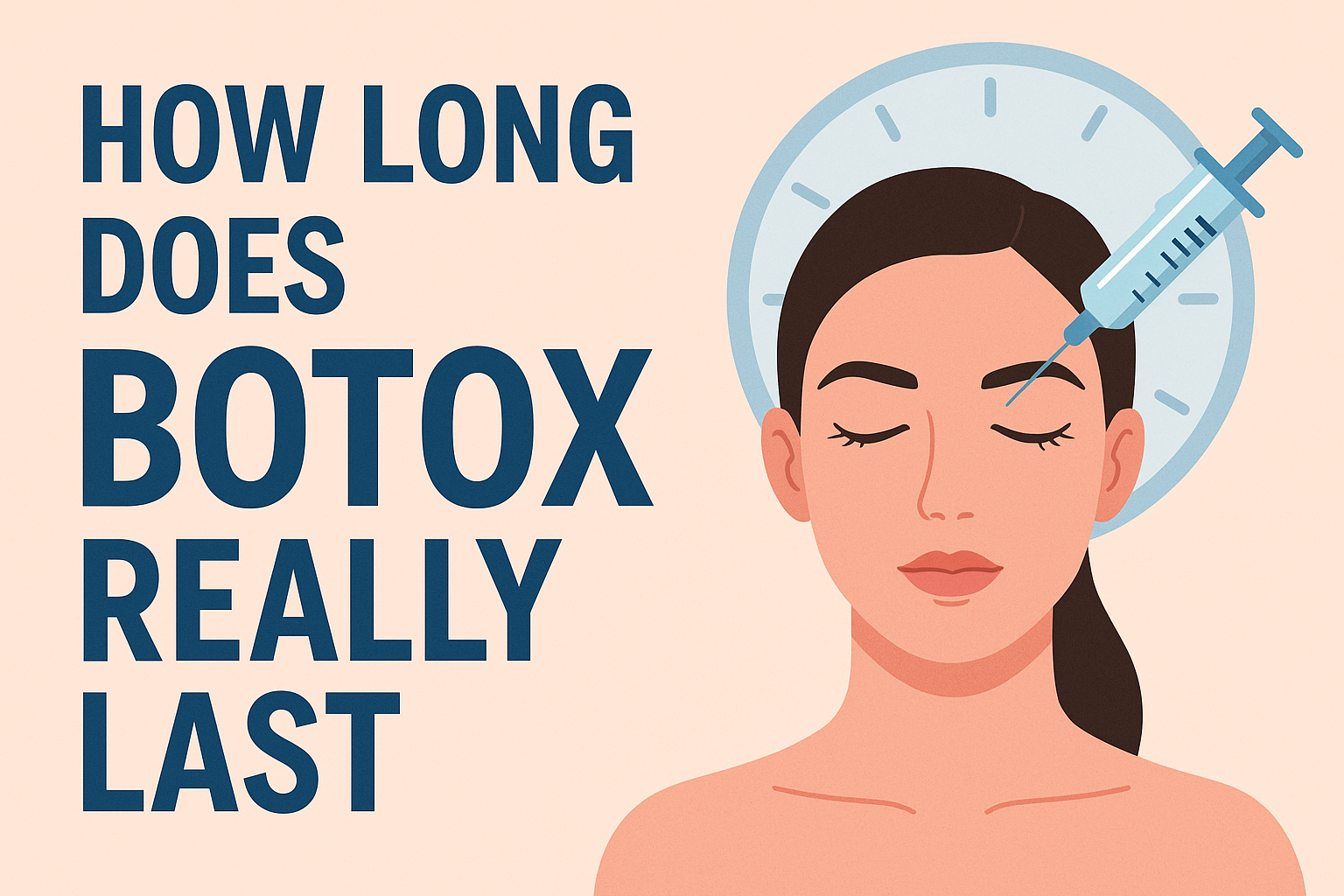
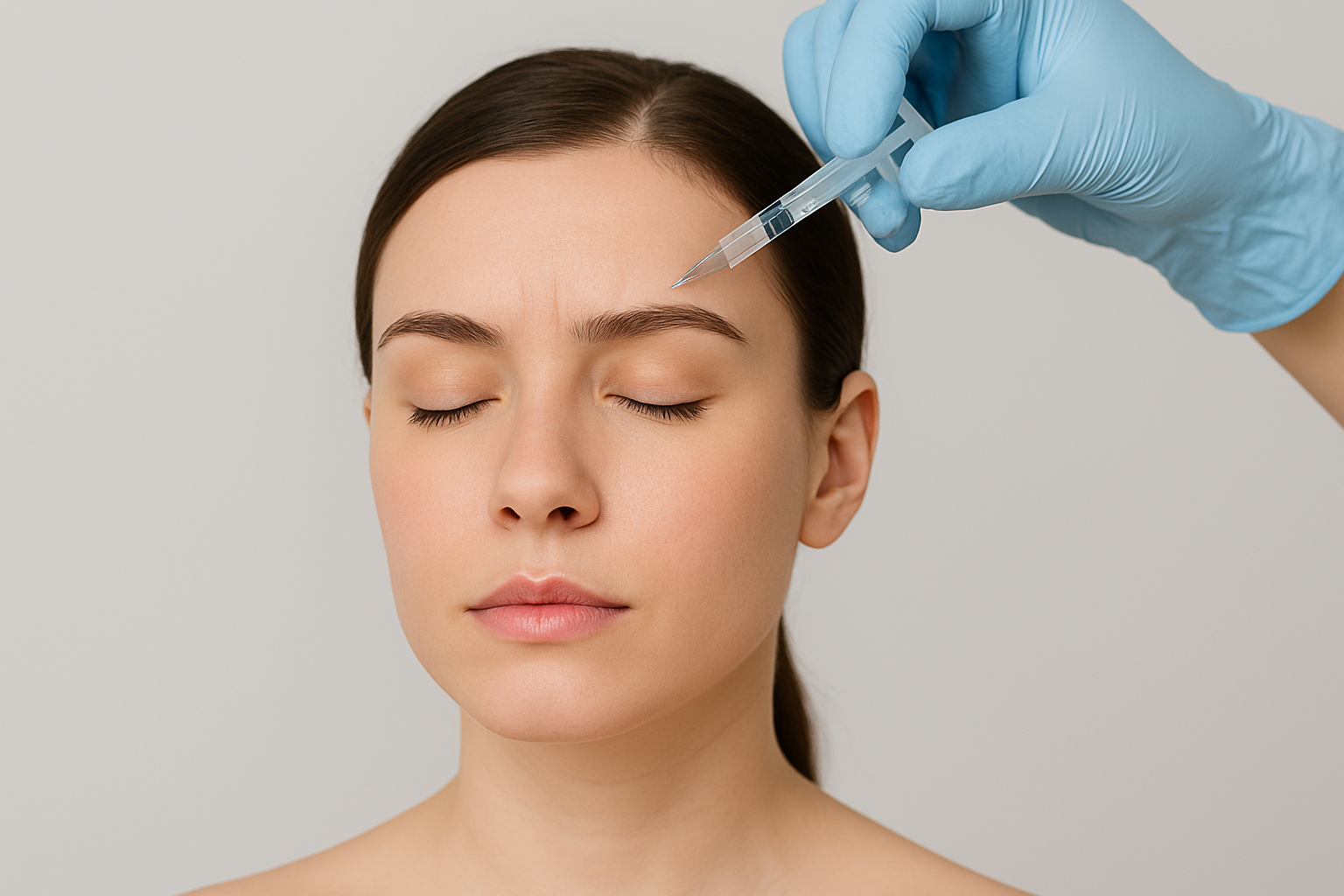
How long does botox last? Botox is one of the most well-known cosmetic injection procedures, widely recognised for treating signs of skin ageing such as wrinkles. Although it is often seen as a permanent solution, Botox actually works by preventing new wrinkles or slowing the development of existing ones.
However, it is not a one-time solution. The effects are temporary, and repeat injections are needed to maintain the results. This means individuals must commit to regular treatments, which can increase both the cost and the time required—factors that many people may not initially consider.
In general, the effectiveness of Botox can vary from person to person. However, according to leading dermatologists and aesthetic specialists such as Dr Terrence Keaney, Dr Blair Murphy Rose, Dr Howard Sobel, and Katie Mann, Botox typically lasts around 3 to 6 months after the first treatment. After this period, follow-up sessions are needed to maintain optimal results.
Therefore, it is important for potential users to carefully consider the time and financial commitment involved before choosing Botox as part of their beauty routine.
How Does Botox Work?
Botox (onabotulinumtoxinA) is a neuromodulator that works by blocking nerve signals, which in turn relaxes muscles and prevents their movement. This reduces the appearance of wrinkles and fine lines on the face. As Dr. Sobel explains, Botox is particularly effective in treating lines caused by repeated facial expressions—commonly around the eyes, forehead, between the eyebrows, and mouth. Additionally, Botox is the only FDA-approved treatment for forehead lines, glabellar lines (between the eyebrows), and crow’s feet, as noted by Dr. Keaney.
Beyond cosmetic use, Botox also treats various medical conditions. Dr. Sobel adds that Botox can help relieve jaw pain from TMJ (temporomandibular joint disorder), reduce excessive sweating, and ease migraines. More recently, it has also been used to relieve neck and shoulder tension, a treatment often referred to as “TrapTox.” This versatility highlights Botox’s wide-ranging benefits in both aesthetic and medical applications.
How Long Does Botox Last?
Botox treatments typically last between three to four months. According to Dr. Keaney, many of his patients return for touch-ups three to four times a year. While Botox is not a permanent solution, it provides relatively long-lasting results when maintained on a regular schedule.
Also Read: How Long Does Retinol Take to Work On Skin?
In the past, people used Botox mainly to prepare for major events like weddings or parties. Today, however, it has become a regular part of many beauty routines—much like getting haircuts or facials. It’s now considered an essential treatment for maintaining a youthful and refreshed appearance over time.
This shift reflects the growing popularity of Botox as an ongoing beauty solution, not just a one-time fix for special occasions.
What Affects the Duration of Botox?
How long Botox lasts can depend on several factors, including the dosage, treatment area, gender, muscle size, lifestyle, and age. Dr. Sobel points out that the effects experienced in your 30s may not last as long in your 40s or 50s due to natural changes in the skin and muscles. Dr. Keaney adds that each person responds differently to Botox, making the results highly individual.
Good skincare habits—like using sunscreen, retinol or retinoids (if tolerated), and moisturizers—can help extend Botox’s effects.
Dr. Murphy-Rose and Katie Mann also highlight the importance of a healthy lifestyle. Avoiding smoking and sun exposure can help prevent further wrinkling. Wearing sunglasses can reduce squinting, while overall good skincare helps support skin health. Mann also notes that sun exposure, alcohol, sugar, and poor diet can worsen skin ageing. Healthier skin with more collagen and elastin may reduce the need for frequent cosmetic treatments like Botox.
Recent studies suggest that people living in sunnier climates may need Botox more often due to frequent squinting, which activates the targeted muscles more often. This research shows how climate and UV exposure can influence Botox’s effectiveness.
Does Botox Last Longer in Certain Areas of the Face?
Facial movement plays a major role in how Botox works, leading to the question of whether certain facial areas lose the effects of Botox more quickly. According to Dr. Mann, this isn’t entirely true. Some areas may appear to hold results longer due to the dosage used. For example, lower doses are often used on the forehead if the skin is looser, to avoid a heavy or dropped brow. This lower dosage may result in shorter-lasting effects compared to areas that receive higher doses.
Dr. Murphy-Rose offers another perspective, suggesting that metabolism plays a bigger role than muscle movement. Areas with frequent movement, like around the mouth (used for speaking and smiling), may break down Botox faster. People with higher metabolisms may also metabolize Botox more quickly.
In some cases, the immune system may even develop neutralizing antibodies, which can reduce Botox’s effectiveness. However, not everyone with a fast metabolism will experience reduced results.
Most people with faster metabolisms may see Botox effects last around 3 to 4 months. Others may need retreatment after 4 months, while a few may notice Botox wearing off in less than 3 months.
Why Proper Dosage Matters for Your Health
One of the key factors in making Botox last longer is getting the correct dosage. Dr Mann highlights that in clinical trials, a dose of 64 units was used to treat the forehead, frown lines (the “11s”), and crow’s feet, producing effects that lasted around three months. If the dose is lower than recommended, results may not last as long. In such cases, increasing the dose can help extend Botox’s effectiveness.
Dr Keaney adds that dosage plays a major role in how long Botox lasts. A few years ago, Allergan Aesthetics studied the effects of Botox Cosmetic at different concentrations and confirmed that the dosage significantly affects the treatment’s duration. With the right dose, Botox can deliver more consistent and longer-lasting results.1plc A. Allergan announces results of higher dose botox® cosmetic (Onabotulinumtoxina) for the treatment of moderate to severe glabellar lines.
This highlights the importance of tailoring the Botox dosage to each individual’s needs, depending on the treatment area and aesthetic goals. Using too little may reduce the longevity of results, while the correct dose can help achieve more satisfying, longer-term outcomes.
Tips to Make Your Botox Results Last Longer
To get the most out of Botox, there are several steps you can take to help extend its effects. Dr Sobel recommends avoiding alcohol the day before and the day of treatment. He also advises patients to skip all forms of exercise—both high and low intensity—for 24 hours after treatment, as physical activity can cause the Botox to move away from the targeted area. Additionally, it’s best not to lie down for at least four to six hours after injections to prevent the product from shifting.
Dr Keaney believes that increasing the dosage, particularly for treating the “11” lines between the eyebrows, can help extend results. He also emphasizes the importance of regular maintenance—similar to refuelling a car before the tank is empty. Good skincare habits, sun protection, and proper posture can also support long-lasting results.
Dr Murphy-Rose adds that training your facial muscles to avoid overexpression may help maintain Botox effects, though the impact is usually subtle. Scheduling follow-up treatments before the effects completely wear off can help “train” the muscles to remain relaxed and prevent new wrinkles. Higher doses may also help improve longevity. Both Dr Murphy-Rose and Dr Mann suggest that taking zinc supplements can make Botox last longer. Taking 50 mg of zinc daily for one week before and after treatment has been associated with improved results.
Botox vs. Other Treatments
Botox is one of the most well-known neuromodulators, but it’s not the only option available. While the duration of results is generally similar across brands, trying different products may help identify the one that works best for you. Dr Mann advises not relying on just one brand and recommends exploring other neuromodulators to find the most effective match for your body.
Sometimes, patients develop antibodies against the proteins in Botox, which can reduce its effects. If this happens, Dr Murphy-Rose suggests switching to alternatives like Dysport, Xeomin, or Jeuveau, which may work better for some individuals. Daxxify is another brand known for lasting longer than Botox, though it tends to be more expensive.
To support and enhance the effects of Botox, both Dr Murphy-Rose and Dr Mann recommend complementary treatments such as laser therapy, energy-based devices, microneedling, chemical peels, and PRP/PRF procedures. While these don’t directly extend the duration of Botox, they help improve the skin’s overall appearance. There are also topical products with ingredients like Argireline that claim to have mild neuromodulating effects. However, Dr Murphy-Rose points out that these cannot replace the effectiveness of Botox injections.
Conclusion
Like other neurotoxins, Botox generally lasts three to four months. To maximise both its duration and results, proper skincare is essential. Dr Sobel notes that Botox has had a major positive impact—not just for reducing wrinkles and fine lines—but also for a variety of other dermatological concerns. He adds that combining Botox with other treatments such as laser resurfacing, skin tightening, or fillers can further enhance outcomes and improve overall skin health.
When used alongside other procedures, Botox can amplify results, provide longer-lasting benefits, and give the skin a fresher, more youthful look. Its ability to complement other aesthetic treatments makes Botox a popular choice among patients seeking comprehensive beauty car

 Acne
Acne Anti-Aging
 Business
 Digital Marketing
 Economics
 Exfoliation
 Hair Removal
 Movies
 Personal Finance
 Websites