How Long You Should Keep a New Tattoo Out of the Sun

Protecting your skin from the sun is more than just a general recommendation—it’s essential, especially for new tattoos. Sunscreen with proper SPF helps reduce hyperpigmentation, slow aging signs, and lower skin cancer risk. But for fresh tattoos, sun protection is even more critical.
UV rays can break down ink pigments, causing colors to fade quickly and designs to lose their sharpness. That’s why tattoo artists and dermatologists alike stress extra care during the healing phase. Proper sun protection ensures your tattoo stays vibrant, detailed, and long-lasting.
In this guide, insights from certified dermatologists and experienced tattoo artists reveal how to safely expose tattoos to sunlight. You’ll learn the ideal timing for sun exposure, which designs are most vulnerable, and safe SPF recommendations. Whether you’re a first-time tattoo wearer or a skincare beginner, these tips will help preserve your tattoo’s appearance for years while keeping your skin healthy.
Why You Need to Use Sunscreen on Your Tattoos
Sunscreen is essential for keeping tattoos vibrant and clear. Fresh tattoos are in a delicate healing phase, with ink settling into the dermis. UV exposure can break down pigment molecules and damage regenerating skin, leading to faded colors, blurred lines, or even scarring.
Dermatologists highlight that new tattoos are particularly sensitive to UV radiation during the first few months. Skin hasn’t fully recovered yet, so it’s more prone to color changes, irritation, and long-term damage. Using sunscreen consistently after healing protects both the tattoo and your skin.
Dr. Rachel Nazarian, a board-certified dermatologist, emphasizes that sunscreen should not be applied on open or healing wounds. Only once the skin has completely closed is it safe to start using SPF products. Choosing the right sunscreen—preferably broad-spectrum and tattoo-safe—is key to maintaining your tattoo’s design and color.
How the Sun Damages Your Tattoos
UV rays from sunlight are a leading cause of tattoo fading. Dermatologists explain that UV radiation penetrates the skin layers and slowly breaks down ink molecules, causing colors to fade over time. Frequent sun exposure without protection accelerates this process.[1Cleveland Clinic. What to expect when you get a tattoo. Updated October 2, 2020.]
Tattoos reside in the dermis beneath the epidermis, which offers some natural UV protection. However, this barrier is limited. Repeated exposure can reach the ink, dulling bright colors and altering intricate details.
Regular sunscreen application, particularly high-quality options like La Roche-Posay Anthelios or Neutrogena Ultra Sheer, significantly slows fading and preserves the tattoo’s vibrancy. Protecting tattoos from sun damage ensures they remain sharp, detailed, and visually striking for years to come.
Are New Tattoos More Susceptible to Sun Damage?
Fresh tattoos are more vulnerable to sun damage than healed tattoos. The top layer of newly tattooed skin is still irritated from the needle, resembling an open wound. In this state, UV exposure can easily burn the skin and damage ink, causing fading, peeling, or even blisters.
Tattoo artist Dan Hunter notes that new tattoos are considered open wounds until fully healed, which usually takes two to three weeks but may vary by size, location, and complexity. Dermatologists advise avoiding direct sun until the tattoo is completely healed.
Once healed, applying a high-SPF sunscreen is crucial to maintain color intensity and fine details. Routine sun protection not only prevents premature fading but also keeps your tattoo looking vibrant and sharp for the long term.
What Types of Tattoos Are Most at Risk?
Not all tattoos are equally vulnerable to sun damage. According to tattoo artist Max Brown, bright pigments—like yellow, pink, and turquoise—fade faster under UV exposure. Lighter colors are less stable than darker inks, making them more prone to losing vibrancy over time.
Brown explains that once tattoos are exposed to sunlight, bright pigments can deteriorate faster than black, dark purple, navy blue, or deep green inks, which are more UV-resistant. Dermatologists agree that extra care during the healing phase is crucial to ensure pigments settle properly in the skin.
After the skin has fully healed, applying a high-SPF sunscreen becomes essential. This step helps maintain clarity and color intensity, especially for tattoos with bright pigments that are more susceptible to long-term fading. Consistent sun protection ensures your tattoo stays vibrant, sharp, and visually striking for years.
How to Protect Your Tattoo From the Sun
1. Use Sunscreen
Sunscreen is the primary defense against sun damage for tattoos. SPF not only preserves ink color but also protects skin from aging, hyperpigmentation, and cancer.[2Latha MS, Martis J, Shobha V, et al. Sunscreening agents: a review. J Clin Aesthet Dermatol. 2013;6(1):16-26.] Tattoo artists recommend fragrance-free sunscreens with SPF 30–50 to minimize irritation on sensitive or healing skin. Both mineral and chemical sunscreens are safe once the tattoo has fully healed.
Dr. Marnie Nussbaum emphasizes broad-spectrum sunscreen to block UVA rays, which penetrate deeply and create free radicals, and UVB rays, which damage DNA and cause burns. Chronic UV exposure without protection can fade tattoos and dry out skin.
New tattoos should never receive sunscreen while healing. Instead, cover them with a bandage or loose clothing. After healing, reapply SPF every two hours for long-lasting tattoo color protection and skin health.
2. Cover Up
Physical coverage is another effective way to protect tattoos from UV damage. During the first month, especially the first two weeks, avoid direct sun exposure to prevent fading, burns, and scarring.
Dermatologists recommend clothing that fully covers tattoos, preferably lightweight or UPF-rated for extra protection. Timing your tattoo session in cooler months can also help, as clothing naturally shields skin while keeping it moisturized with gentle, unscented lotions like Aquaphor.
For tattoos done before vacations or swimming trips, keep them covered and avoid water immersion until fully healed. Planning tattoo sessions outside peak sun periods ensures optimal care and preserves your tattoo’s design and color integrity.
3. Moisturize Often, Inside and Out
Tattoo care isn’t just about external protection—it also involves keeping your skin hydrated. Dr. Marnie Nussbaum emphasizes the importance of regular moisturization and drinking enough water daily. Well-hydrated skin maintains its natural barrier, helping protect against external damage, including UV exposure.
However, hydration doesn’t mean overbathing. Dr. Nussbaum recommends short showers of five minutes with lukewarm water. Long, hot showers strip natural oils, leaving skin dry and potentially affecting tattoo pigment.
Regular checks are equally important. Inspect your tattoo weekly to ensure colors remain vibrant and designs intact. While minor peeling is normal for fresh tattoos, unusual fading, redness, or irritation should prompt a dermatologist visit. Combining proper hydration with routine monitoring helps keep tattoos healthy, sharp, and long-lasting.
Tattoo-Friendly Sunscreens: Mineral vs. Chemical
Choosing the right sunscreen is key for protecting tattoos from sun damage. According to dermatologist Dr. Marnie Nussbaum, not all SPF products are equally safe, especially for sensitive skin after a fresh tattoo. The two main types are mineral and chemical sunscreens.
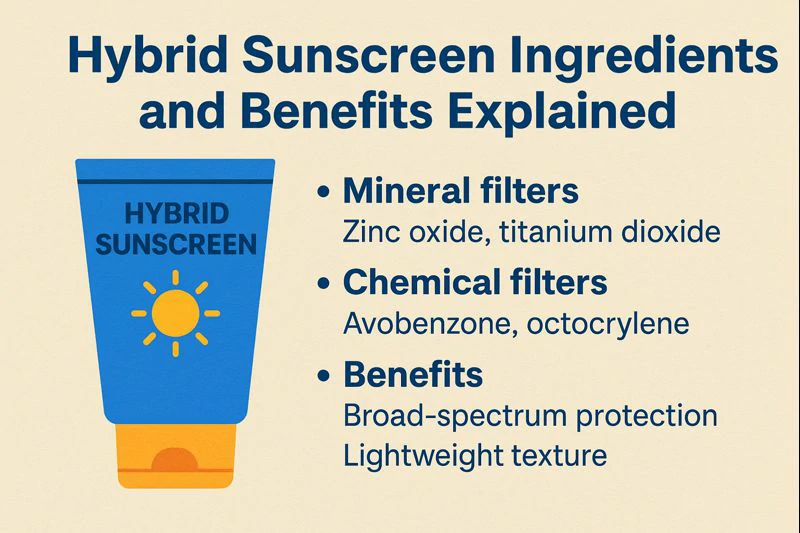
- Mineral Sunscreen: Contains zinc oxide or titanium dioxide, forming a protective layer that reflects UV rays. Dermatologists note it is gentler, less irritating, and ideal for new tattoos or sensitive skin. Popular options include EltaMD UV Physical and La Roche-Posay Anthelios Mineral.
- Chemical Sunscreen: Uses ingredients like avobenzone or octocrylene to absorb UV rays and convert them into heat. Effective but may cause irritation for some, especially on newly healed tattoos.
Experts recommend broad-spectrum SPF 30–50, fragrance-free, applied consistently after full healing. Proper sunscreen protects tattoo colors, preserves intricate designs, and keeps skin healthy for the long term.
Signs Your Tattoo Is Damaged by Sun Exposure
Excessive sun exposure can significantly affect your tattoo’s quality over time. According to dermatologists, UV damage may not be immediately visible but gradually impacts both pigment and skin health. Recognizing early signs is key to preserving your tattoo’s appearance.
Common indicators of sun-related tattoo damage include:
- Fading colors: Bright pigments like red, yellow, and light blue lose intensity faster than dark inks.
- Blurry lines: Fine details may appear blurred due to UV-induced pigment breakdown.
- Texture changes: Skin around the tattoo can become dry, rough, or peel after chronic sun exposure.
- Recurring redness or irritation: Frequent UV exposure may trigger mild inflammation.
Dr. Rachel Nazarian advises regular weekly checks, especially after intense sunlight or summer months. She says, “Monitor any changes in color or line sharpness and consult a skin professional if something looks unusual.” Proactive care helps maintain tattoo vibrancy and prevents long-term sun damage, keeping both your skin and design healthy.
ARTICLE SOURCES
You might also like
 Acne
Acne Anti-Aging
 Business
 Digital Marketing
 Economics
 Exfoliation
 Hair Removal
 Movies
 Personal Finance
 Websites