How Much Are Cosmetic Injectables? Dermatologists Share Insight

Cosmetic injections, such as Botox and dermal fillers, have become a significant part of modern skincare trends. Although these procedures are increasingly common, they remain surrounded by misinformation and social taboos. Many people are interested in boosting their confidence and appearance through aesthetic technology, but accurate information can be hard to find. Cultural factors often encourage secrecy—due to stigma or the belief that beauty should be natural—causing many to hesitate to speak openly about getting injections. As a result, many first-time patients visit aesthetic clinics without a clear understanding of the techniques, risks, and especially the costs involved. (Cosmetic Injectables)
Botulinum toxin (Botox) works by blocking nerve signals to the muscles, causing temporary muscle relaxation and reducing expression lines. Dermal fillers, usually made from hyaluronic acid, restore lost facial volume due to aging. Each procedure offers specific benefits and should be understood from a scientific perspective before making a decision.
Experts like Dr. Robert Anolik, Dr. Joshua Zeichner, and Lisa Goodman emphasize the importance of patient education. Being transparent about pricing and setting realistic expectations is an ethical part of aesthetic dermatology. With honest information, people can make science-based decisions rather than following trends blindly.
What Is Botox?
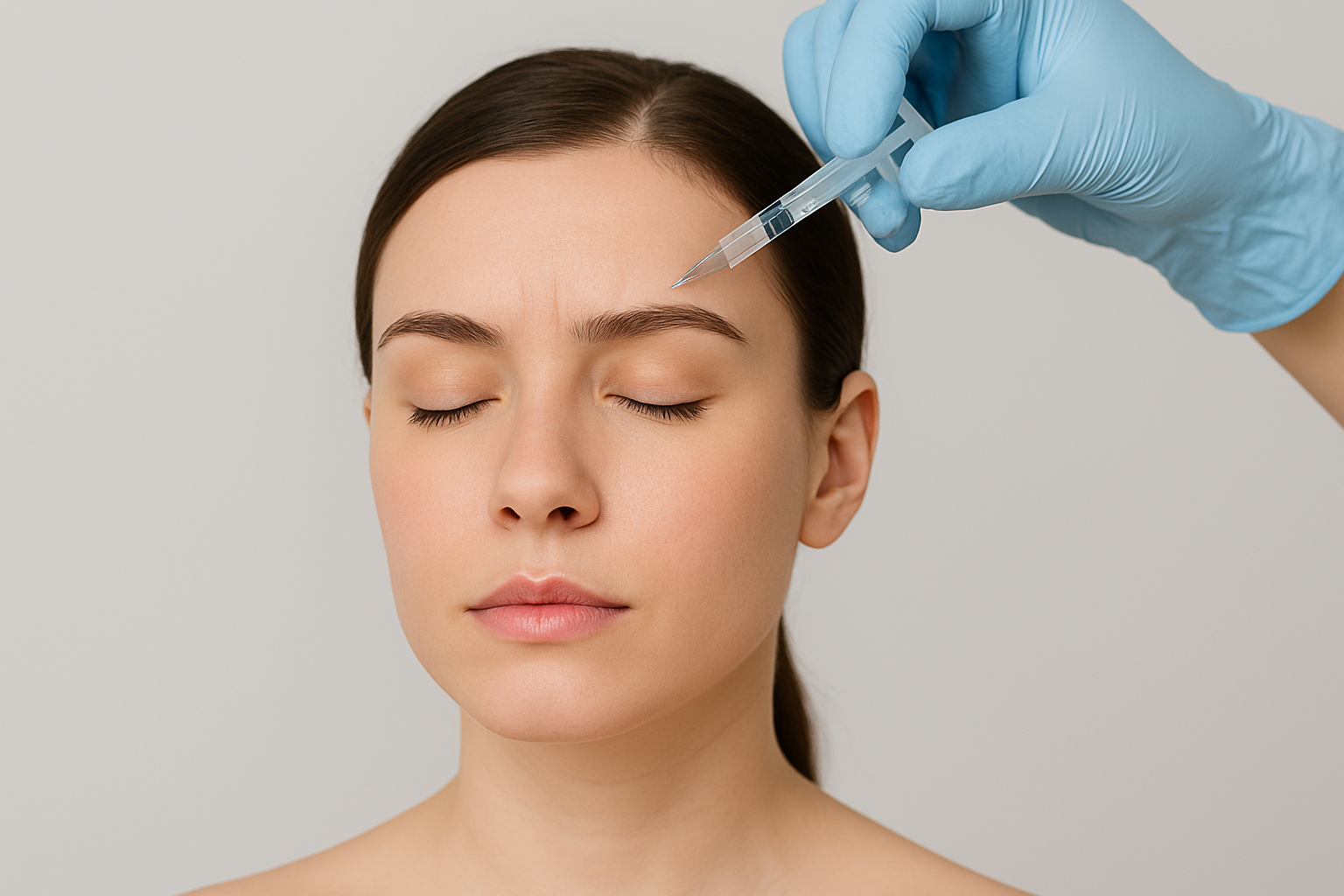
Botox is a purified form of botulinum toxin type A, a neurotoxin produced by the bacterium Clostridium botulinum. In medical aesthetics, Botox is used in controlled, very small doses to treat signs of skin aging—especially dynamic wrinkles caused by repeated muscle movements, such as forehead lines, crow’s feet, and smile lines.
When injected into the muscles, Botox blocks the release of the neurotransmitter acetylcholine at the nerve-muscle junction. This causes temporary muscle paralysis—typically lasting between 3 to 6 months—making the overlying skin appear smoother and free of movement-related wrinkles. This effect is not only cosmetic but also therapeutic: Botox is also used to treat chronic migraines, excessive sweating (hyperhidrosis), and eyelid spasms (blepharospasm).
However, it’s important for patients to understand that Botox results are temporary and require regular re-injections to maintain the effect. The success and safety of the procedure depend heavily on the dose, injection site, and the skill of the practitioner.
Cost of Most Common Botox Treatments
- Brow Lift: $450-$600
- Jaw Slimming: $800-$1200
- Neck Lift: $850-$950
- Chin Dimpling: $250-$350
What Is Filler?
Facial fillers are gel-based injectable substances designed to address signs of aging and enhance facial proportions. Most fillers contain active ingredients like hyaluronic acid, collagen, or calcium hydroxyapatite, each playing a specific role in supporting skin structure and elasticity. Hyaluronic acid, for instance, is hygroscopic—meaning it attracts and holds water—providing an immediate plumping effect in areas where volume has been lost.
Also Read: How Long Does Retinol Take to Work On Skin?
Fillers are injected into the dermis or subdermal layers, depending on the aesthetic goal. In addition to smoothing static wrinkles, fillers are used to shape features such as the cheeks, chin, jawline, and lips—creating a more balanced facial contour. Calcium hydroxyapatite is denser and used for deeper volume loss, while collagen-based fillers offer more natural support to skin structure.
The effects of fillers typically last between 6 months and 2 years, depending on the type of filler and the patient’s metabolism. The safety of the procedure largely depends on proper injection technique and selecting the right product for the individual’s needs.
Cost of Most Common Filler Treatments
The cost of facial filler treatments can vary widely depending on the area treated, the type of filler used (short- or long-lasting), and the injection technique. Here are average price ranges by treatment area and method:
- Lips: $500 to $2,000 per session, depending on desired outcome and volume.
- Under-eye area: Belotero (short-term) via cannula costs $850–$1,000; Volbella (long-term) ranges from $1,100–$1,200.
- Cheek volume (Tacking): Short-term fillers cost around $800–$1,000; long-term fillers range from $1,000–$1,500.
- Fine lines (Blanching): Precision blanching techniques cost $1,000–$1,100 for short-term fillers, and $1,200–$1,400 for long-term options.
- Calcium jowl lift: A contouring treatment for the jaw and cheeks using calcium-based filler via cannula, typically priced between $2,250 and $2,500.
Cannula technique, unlike traditional needles, uses a blunt tip to reduce bruising and allows for more precise filler placement within specific skin layers. According to Lisa Goodman, this method not only delivers more natural results but also improves filler longevity and post-treatment comfort.
Key Factors That Affect the Price of Cosmetic Injectables
The cost of injectable cosmetic treatments can vary significantly based on individual needs and the facial area being treated. Dr. Robert Anolik explains that prices may range from a few hundred to several thousand dollars. For example, deep nasolabial folds may require multiple syringes of Restylane Defyne, while minor cheek lifting may only need a small amount of Restylane-Lyft.
Many patients also regularly choose Dysport injections due to its wider spread and more even effect compared to Botox, which targets more specific areas. Over time, patients may initially need more filler to achieve optimal results, then maintain those results with periodic touch-ups.
Dr. Joshua Zeichner notes that two main factors influence pricing: the type of product and the injector’s expertise. Advanced formulas—such as long-lasting fillers—typically cost more. Highly experienced and in-demand injectors also charge higher fees. Choosing a skilled and qualified practitioner is critical; cheaper options, often found on discount websites, can put both your results and safety at risk.
How Many Units or Syringes Do You Need for Cosmetic Injections?
The number of units or syringes required for cosmetic injections depends on the treatment type and target area. For example, about 20 units of Botox are typically needed to treat frown lines between the eyebrows, and another 20 units for the forehead. This highlights how the required dosage can vary based on wrinkle depth and location.
Pricing may differ between clinics depending on their pricing model. Dr. Anolik explains that his clinic charges per unit for Dysport and per syringe for Restylane. Some top dermatology clinics worldwide charge per treatment session, rather than by unit or syringe, offering flexibility and personalized pricing based on each patient’s needs.
How Long Will the Effects of Cosmetic Injectables Last?
Short- and long-term fillers offer varying durations of effect depending on several factors, including the patient’s lifestyle and skin condition. Short-term fillers, such as those made with hyaluronic acid, typically last 6 to 11 months. This duration may be shortened by smoking, alcohol use, sun exposure, and genetics, all of which affect the body’s filler breakdown rate.
Long-term fillers, such as those containing calcium hydroxyapatite or polylactic acid, generally last 1 to 2 years. These fillers also stimulate collagen production in the skin, which helps prolong their results. However, even long-lasting fillers depend on proper aftercare, including sun protection and consistent skincare routines.
Patients should understand that while fillers provide instant results, external factors and post-treatment care play a significant role in how long the effects will last.
Conclusion
The cost of cosmetic injectables can vary greatly based on several key factors, including the doctor’s experience and reputation, the specific treatment, and the number of units or syringes required. Each patient has unique needs, and the amount of filler or neurotoxin needed will depend on the treatment area and desired result. This is why a pre-treatment consultation is strongly recommended—it allows you to receive a more accurate cost estimate and understand the realistic outcomes of the procedure.
While cheaper injection offers may seem appealing, it’s crucial not to sacrifice quality and safety for price. Cosmetic treatments—especially those involving the face—require a high level of medical skill and expertise to ensure safe, natural-looking results. Choosing the right practitioner or clinic is essential, as the quality of care directly impacts both the final outcome and the risk of complications. Always prioritize professional skill and service quality when considering cosmetic injections.



 Acne
Acne Anti-Aging
 Business
 Digital Marketing
 Economics
 Exfoliation
 Hair Removal
 Movies
 Personal Finance
 Websites