How Often Should You Get a Facial? Dermatologists Reveal the Truth
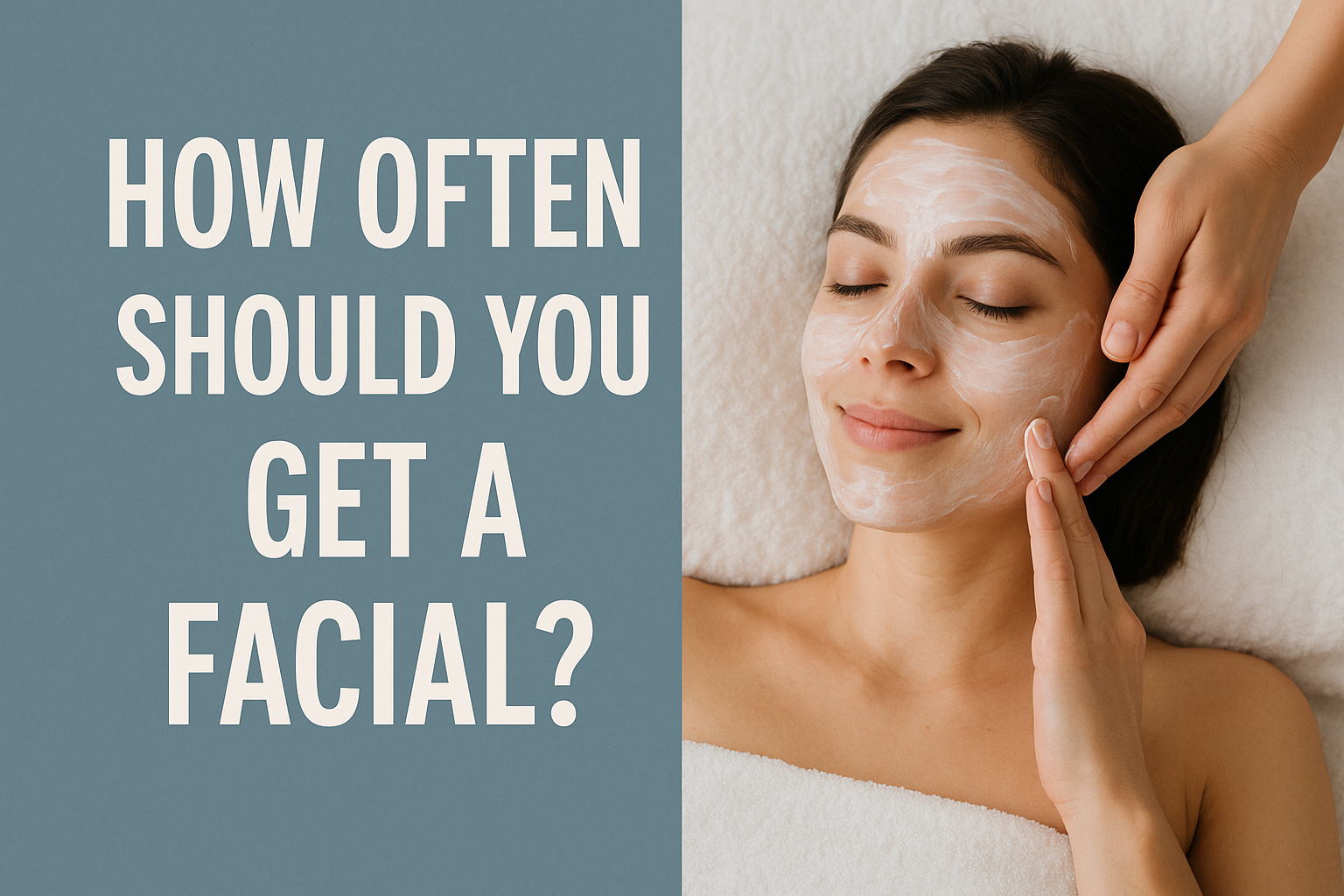
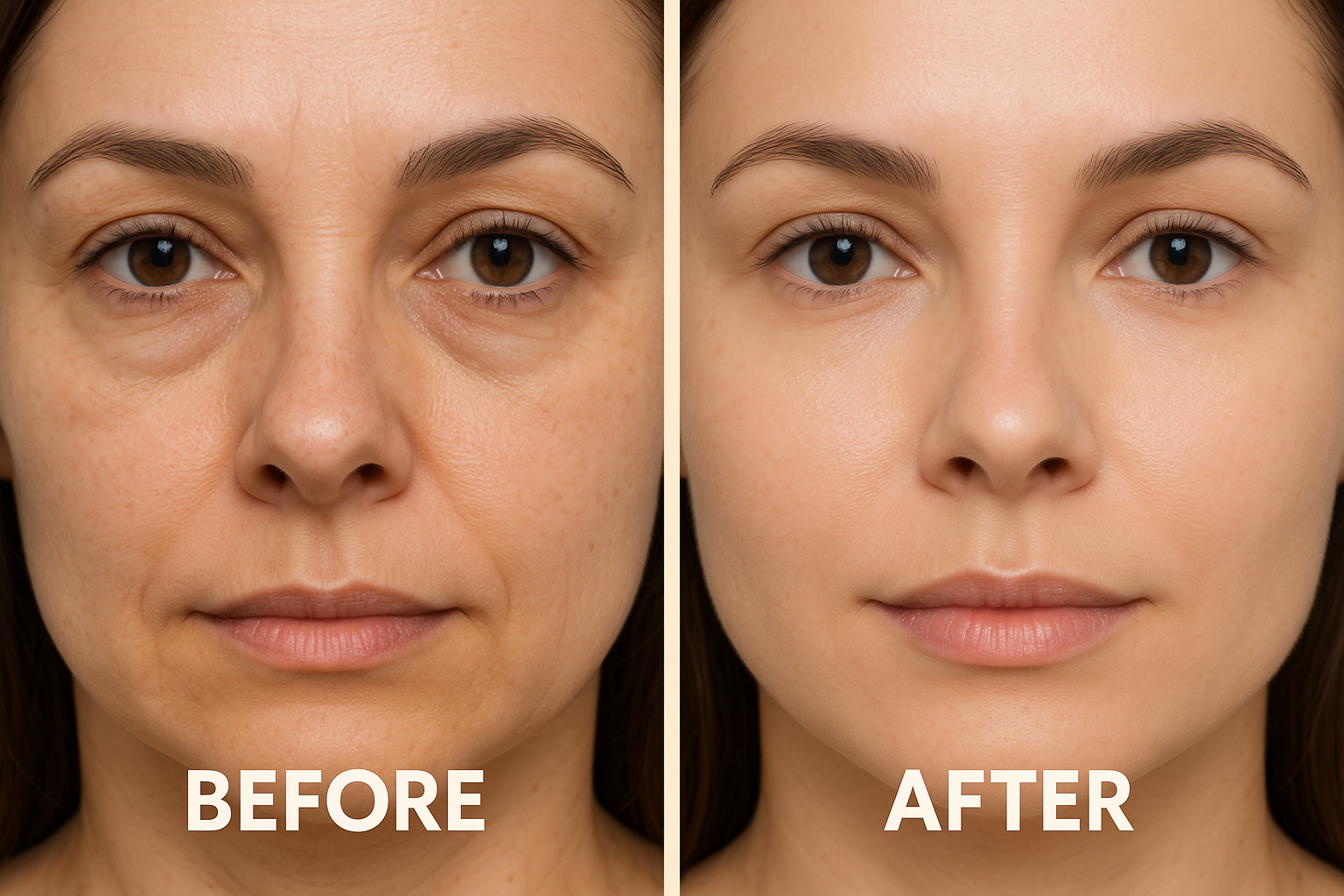
Facials are one of the most popular skincare treatments, known for instantly refreshing the skin and enhancing its natural glow. Many people report smoother texture and cleaner-looking pores after just one session. But the big question remains: how often should you really get a facial to see long-term results?
Dermatologists like Dr. Blair Murphy-Rose and Dr. Anetta Reszko suggest that the ideal facial frequency depends on your skin type, current skin concerns, and overall skincare goals. On average, getting a facial every 4 to 6 weeks aligns with the skin’s natural cell turnover cycle.
Overdoing facials—especially on sensitive skin—can lead to irritation.[1Healthline: Halt the Face Acids: Here’s How to Know If You’re Over-Exfoliating] On the other hand, waiting too long between treatments may reduce their effectiveness. That’s why consulting a skincare professional is key. They can help create a custom facial schedule to keep your skin clear, balanced, and naturally glowing.
What Is a Facial Treatment and What Does It Do for Your Skin?
A facial is a non-invasive skincare treatment designed to cleanse, exfoliate, and hydrate the skin while addressing specific concerns. Typically performed by a licensed esthetician or dermatologist, a facial includes several steps such as deep cleansing, exfoliation, extraction, hydration, and facial massage—each with targeted benefits like boosting circulation, improving skin tone, and promoting cell renewal.
There are many types of facials tailored to different skin needs. A European facial, the most common, uses steam to open pores and remove buildup. Deep cleansing facials suit oily or acne-prone skin, while teen facials target hormonal breakouts. Anti-aging facials focus on hydration and collagen stimulation for firmer, younger-looking skin.
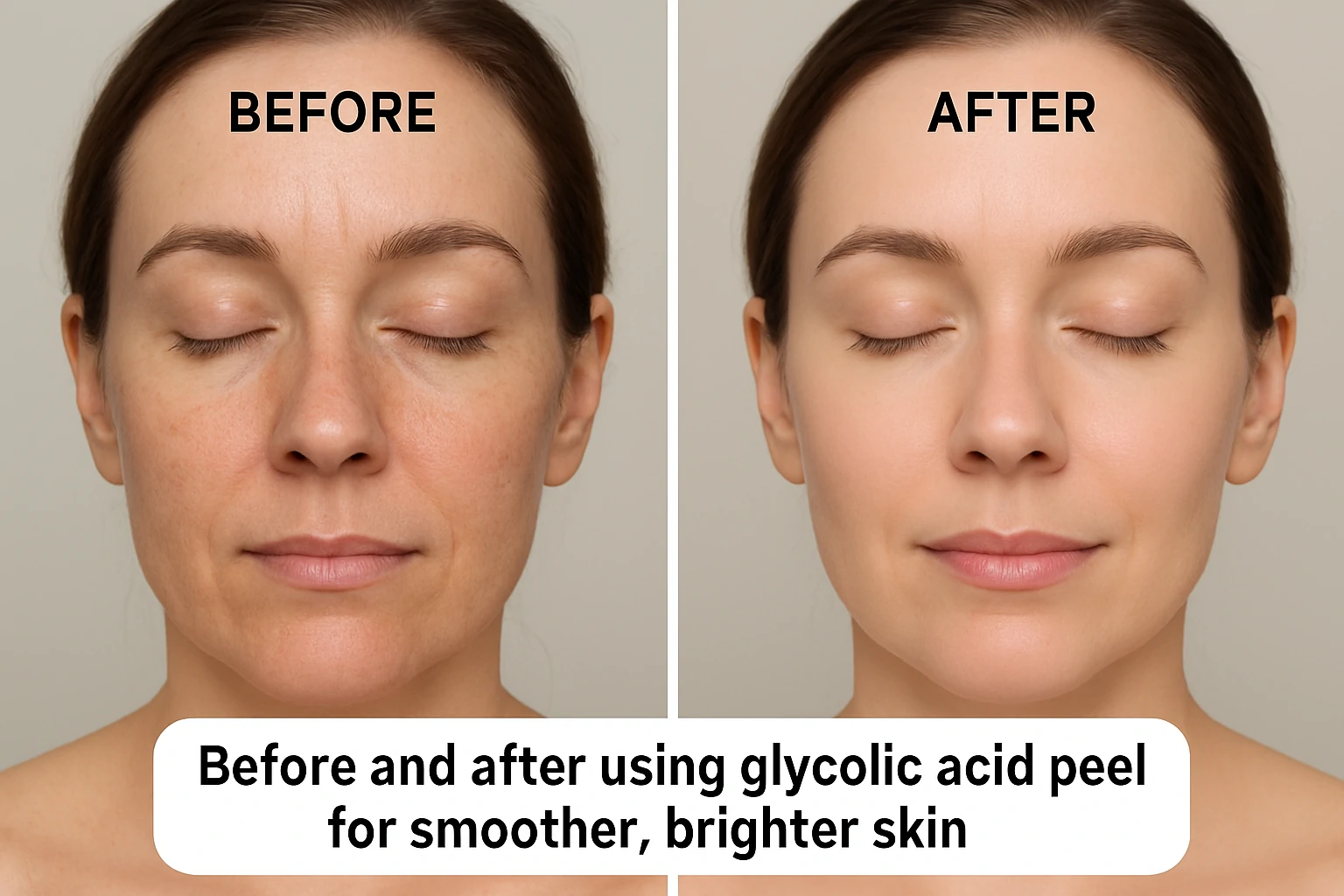
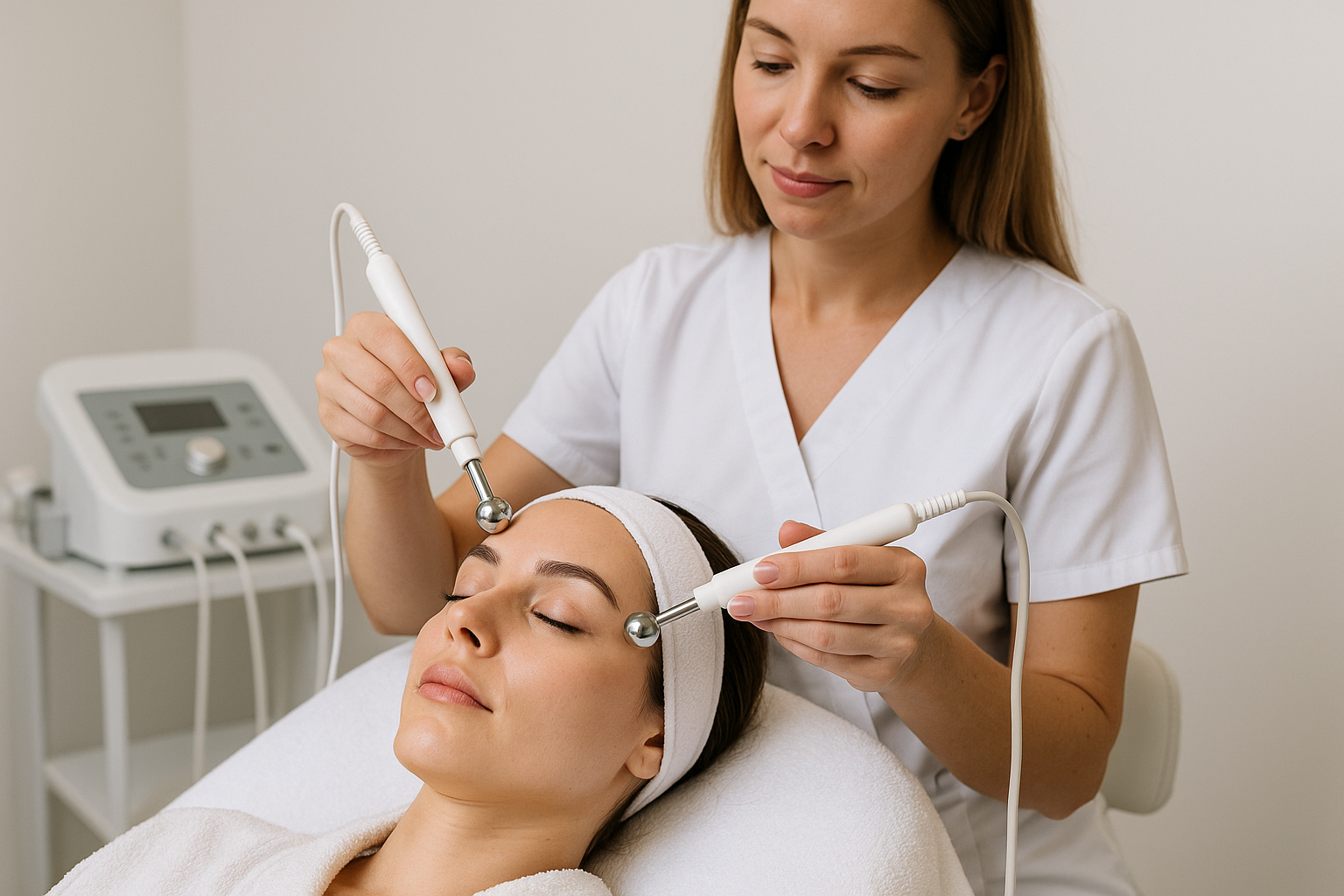
Modern facials often include add-ons like dermaplaning (to remove dead skin and peach fuzz), LED therapy (to reduce acne and stimulate collagen), and chemical peels (for deep exfoliation). More advanced options use radiofrequency or microcurrent to tighten and tone the skin.
Dr. Murphy-Rose emphasizes that these add-ons should be chosen based on your skin’s needs. A professional assessment ensures you’re not just pampering your skin—but actually improving its texture, clarity, and overall health.
The Real Benefits of Getting Regular Facials
Facials aren’t just about pampering—they offer real, lasting benefits for your skin. A professional facial deeply cleanses your pores, sloughs off dead skin cells, and delivers intense hydration, leaving your complexion brighter, smoother, and more balanced. Dr. Murphy-Rose highlights that targeted facials can also reduce breakouts, dullness, and early signs of aging.
Another major benefit is increased blood circulation, which promotes cell turnover and collagen production.[2Joules Medical Aesthetics: The Long Term Benefits of Facials.] According to Dr. Reszko, this helps improve skin elasticity and allows your skincare products to absorb more effectively—giving you better results from your daily routine.
Facials also contribute to emotional well-being. They’re a form of self-care that can relieve stress and encourage relaxation, making you feel good inside and out.
No matter your skin type—oily, dry, sensitive, or acne-prone—there’s a facial that can benefit you. While some results are visible immediately (like plumper, dewier skin), others, such as smoother texture and improved tone, may take a few days to fully show—especially if your skin needs more recovery time.
How Often Should You Really Get a Facial?
Your skin naturally renews itself every 28 days, which is why most dermatologists recommend getting a facial every 4 to 6 weeks.[3DSCC Dermatology: Have you ever asked yourself the question “Do I really need a facial”? The answer is yes you do!] This timing aligns with the skin’s regeneration cycle and helps maintain a clear, healthy complexion.
Dr. Anetta Reszko warns against getting facials too frequently, as this can disrupt your skin’s protective barrier and trigger sensitivity. A well-timed facial routine helps balance oil production, lock in moisture, and slow down visible signs of aging like fine lines and dullness.
For acne-prone skin, monthly facials that focus on calming inflammation and clearing clogged pores can support healing.[4Emily Frost Aesthetics: Everything You Need To Know About Acne Facial Treatment.] Treatments like HydraFacial are gentle and hydrating—ideal once a month. But for more intensive options like chemical peels, it’s best to wait 2–3 months to avoid irritation and allow full recovery.
Ultimately, your skin is unique. Booking a consultation with a licensed esthetician or dermatologist will help determine the best schedule and treatment type for your skin’s specific needs.
How to Choose the Right Facial for Your Skin Type
Choosing the right facial treatment is essential—not just for results, but also for avoiding unwanted side effects like breakouts, redness, or irritation.
Dr. Anetta Reszko advises scheduling a consultation with a certified dermatologist or esthetician before committing to any facial. Professionals use tools like magnifying lamps to assess your skin’s texture, hydration levels, and pore condition.
From there, they can recommend a personalized treatment—whether you need hydration, exfoliation, anti-aging support, or acne care. Customizing your facial ensures you’re targeting your skin’s real needs safely and effectively.
Making the right choice leads to better results and a more comfortable experience. Whether you’re new to skincare or looking to refine your routine, a tailored facial can help restore and maintain your skin’s health and radiance.
What to Do Before and After a Facial
Facials can transform your skin—but how you care for it before and after the treatment plays a huge role in the results. Proper preparation and gentle aftercare ensure your skin stays calm, hydrated, and radiant.
1. What to Do Before a Facial
Preparing your skin before a facial helps prevent irritation and boosts the effectiveness of the treatment. Dermatologists recommend stopping the use of strong active ingredients—like exfoliating acids (AHA/BHA), retinol, and retinoids—at least 5 to 7 days before your appointment.[5Medik8: What You Need to Know About Using PHAs, AHAs and BHAs with Retinol.] These ingredients can make your skin more sensitive and reactive during the procedure.
Dr. Blair Murphy-Rose also advises avoiding sun exposure or coming in with sunburnt skin, as this can increase the risk of redness and discomfort during treatment.
On the day of your facial, arrive with a clean, makeup-free face. According to Dr. Anetta Reszko, this allows your esthetician to better assess your skin and customize the treatment. Hydrating your body by drinking enough water in the hours before your session can also help prep your skin from the inside out—making it more receptive to products and techniques used during the facial.
2. How to Take Care of Your Skin After a Facial
Post-facial care is essential to protect your skin and prolong the benefits of your treatment. Since your skin may be more sensitive after a facial, it’s important to be gentle and avoid anything that could cause irritation.[6CosMedicLaserMD: Face Itchy After Dermaplaning? Here’s Why.] Dr. Anetta Reszko recommends sticking to a soothing, hydrating skincare routine as advised by your esthetician.
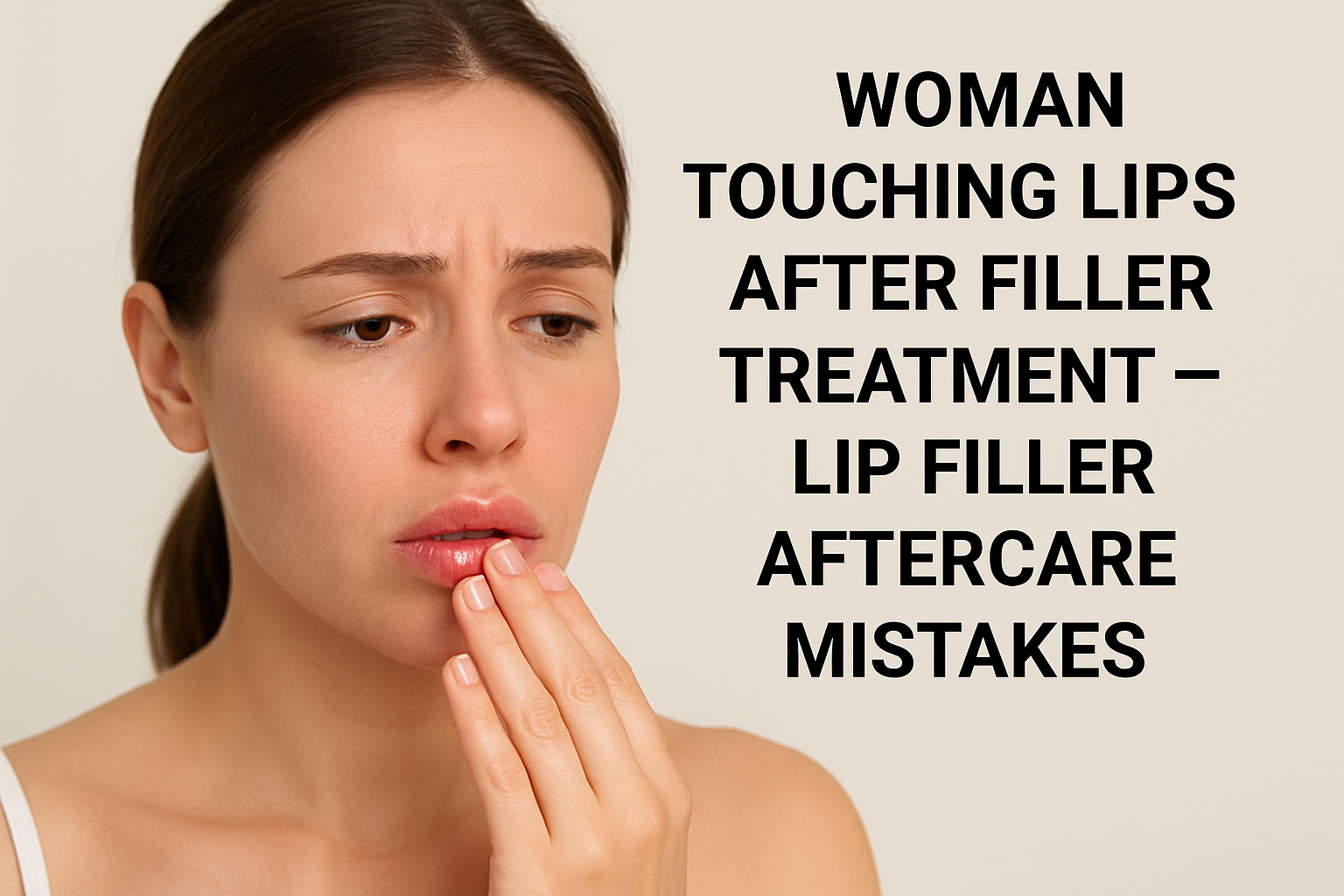
In the first 24 hours, avoid touching your face, sweating heavily, or exposing your skin to heat (like saunas or hot showers). Skip makeup for the rest of the day so your skin can fully absorb the facial products. Dr. Murphy-Rose also notes that washing your face the same night is often unnecessary—just apply a calming moisturizer and use sunscreen the next morning to protect against UV damage.
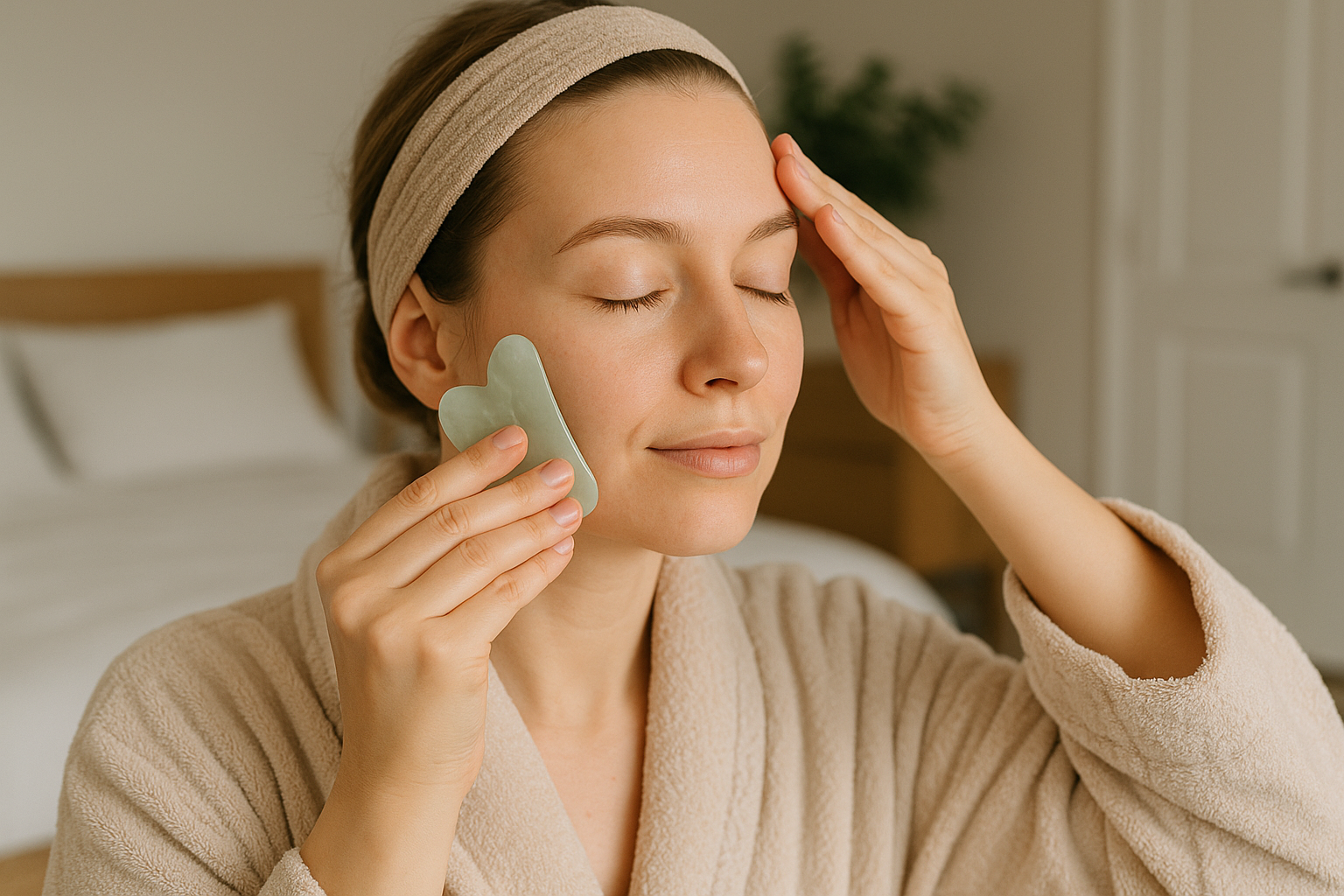
Hold off on active ingredients like AHA, BHA, and retinol for a few days unless directed otherwise. At-home tools like facial cleansing brushes, LED masks, or microcurrent devices (like NuFACE) can help maintain your glow between appointments—just wait until your skin has fully calmed down before using them.
Final Thoughts: Why Regular Facials Matter for Your Skin
Facials aren’t just a luxury—they’re a powerful part of a healthy skincare routine. Professional treatments allow estheticians and dermatologists to deep-cleanse, exfoliate, and hydrate your skin in ways that at-home routines often can’t match.
According to Dr. Murphy-Rose and Dr. Reszko, getting a facial every 4 to 6 weeks aligns with your skin’s natural renewal cycle, helping to maintain hydration, prevent breakouts, and reduce early signs of aging. However, overdoing facials can backfire, potentially irritating your skin or disrupting its barrier—so sticking to the recommended schedule is key.
With consistent care and the right timing, facials can help your skin stay smooth, healthy, and naturally glowing—making them a worthwhile investment for long-term skin health.
About the Author
M. Hariri is a business and beauty content writer with over five years of experience. He focuses on research-based skincare education and frequently collaborates with dermatologists. His work can be found in various national and international beauty publications.
Also Read: What Is a TCA Peel? Benefits, Uses & Safety

 Acne
Acne Anti-Aging
 Business
 Digital Marketing
 Economics
 Exfoliation
 Hair Removal
 Movies
 Personal Finance
 Websites